The generation game
Holly Patrick chats with event professionals from across the generations to hear their hopes, concerns and predictions...


What does the future look like for the sector? Will we achieve work-life balance? How do we create value for delegates? Can we effectively use event technology? And will event sustainability be taken seriously?
Whether millennial, boomer, or Gen X, Y or Z, you're going to have a different take on all of these issues - and many more. So here at M&IT we thought we'd play the generation game and find out what we can all learn from one another...
Tinique Hay, founder, Hay Events
Time in industry: nine years
It worries me that we’re not seeing enough diversity in panellists during industry events.
This can be changed by using platforms like Diverse Speaker Bureau which supports businesses and organisations to diversify their speaker panels at events. I for one am a proud black event professional who happily puts myself forward for speaking opportunities.
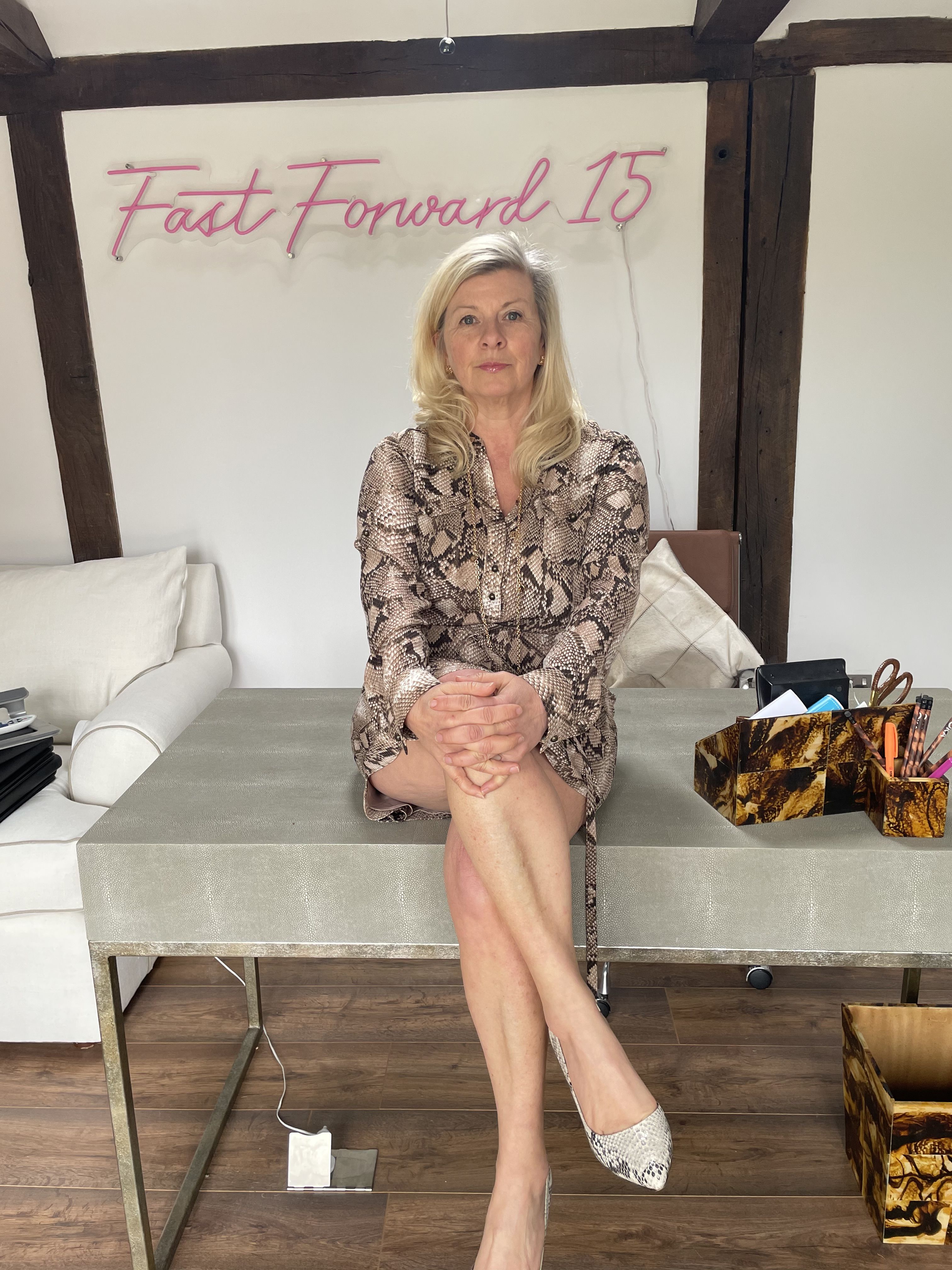
Fay Sharpe OBE, founder of Fast Forward 15.
Time in industry: 43 years
As an industry, we must go green and stop just paying lip service to sustainability. We really need to work out how to do things better with less waste and using less resource.
It worries me that things don’t change fast enough. We don’t lead, we follow and yet we have some of the most creative people on our sector. We need to stand up and stand out. Having greater flexibility in their job and being able to have a life outside of work will be important to the next generation.
Being paid properly for what they do and being valued properly is going to be high on the agenda.
Dale Parmenter, group CEO, DRPG
Time in industry: 44 years
In recent times we’ve seen more justification of how events change behaviours and bring positive change. This stems from being data-driven, greater strategic thinking behind why we need to do an event and how the event integrates with the wider comms mix. This will continue to develop, which will be great for the credibility of the industry.
The other big trend will be sustainable events, I don’t think we have scratched the surface yet. Inclusion, equality and accessibility are also big parts of the sustainability journey in which we will see great strides being made. I have two big fears about the future; firstly, finding new people who see the industry as a long-term career. We need to do more to sell it to young people, catch them while they are still at school.
Secondly, we need to be seen by the Government, educational establishments and the media as a serious industry that brings huge benefits to the country. We need to invest in career development, invest in education and change perceptions.
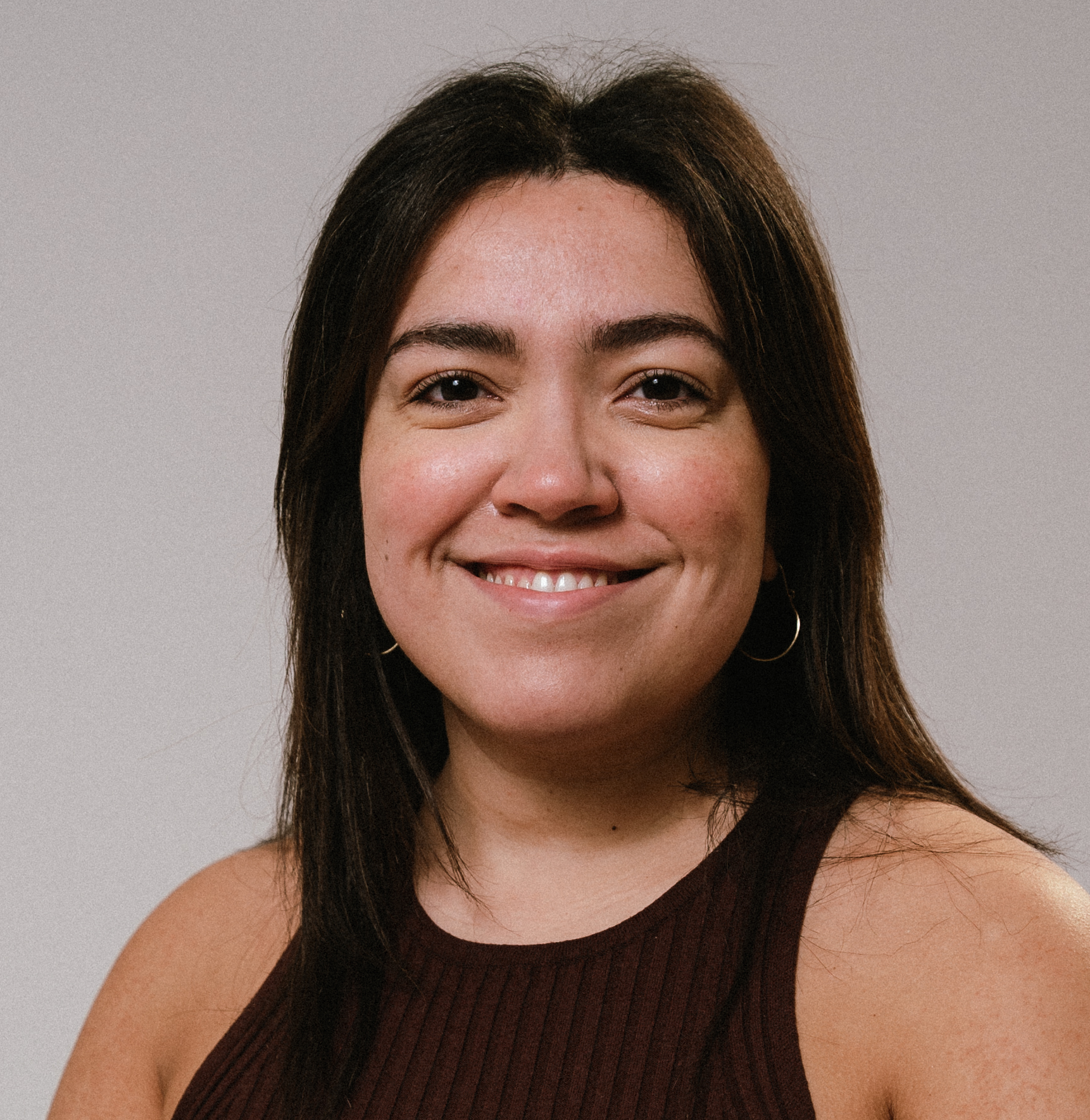
Grace Louisy, head of operations, HeadBox
Time in industry: 10 years
Resources, budgets and time, and are being closely looked at to make savings. Events hold a lot more value, higher expectations, and greater rewards for those who plan them. Every event I help to put on intrinsically has more meaning.
The conflicting priorities within the industry are the biggest challenge. We need to balance all this without sacrificing that crucial, special something that makes events so loved. This generation of event planners is the first to experience a post-pandemic industry without a past point of reference. This is a great thing. Lots of our industry has changed for the better - stronger supplier relationships, greater collaboration, transparency and cross - discipline knowledge sharing.


Tinique Hay
Tinique Hay

Fay Sharpe
Fay Sharpe


Grace Louisy
Grace Louisy

Leigh Cowlishaw
Leigh Cowlishaw

Matt Grey
Matt Grey

Kerrin MacPhie
Kerrin MacPhie

Gavin Farley
Gavin Farley
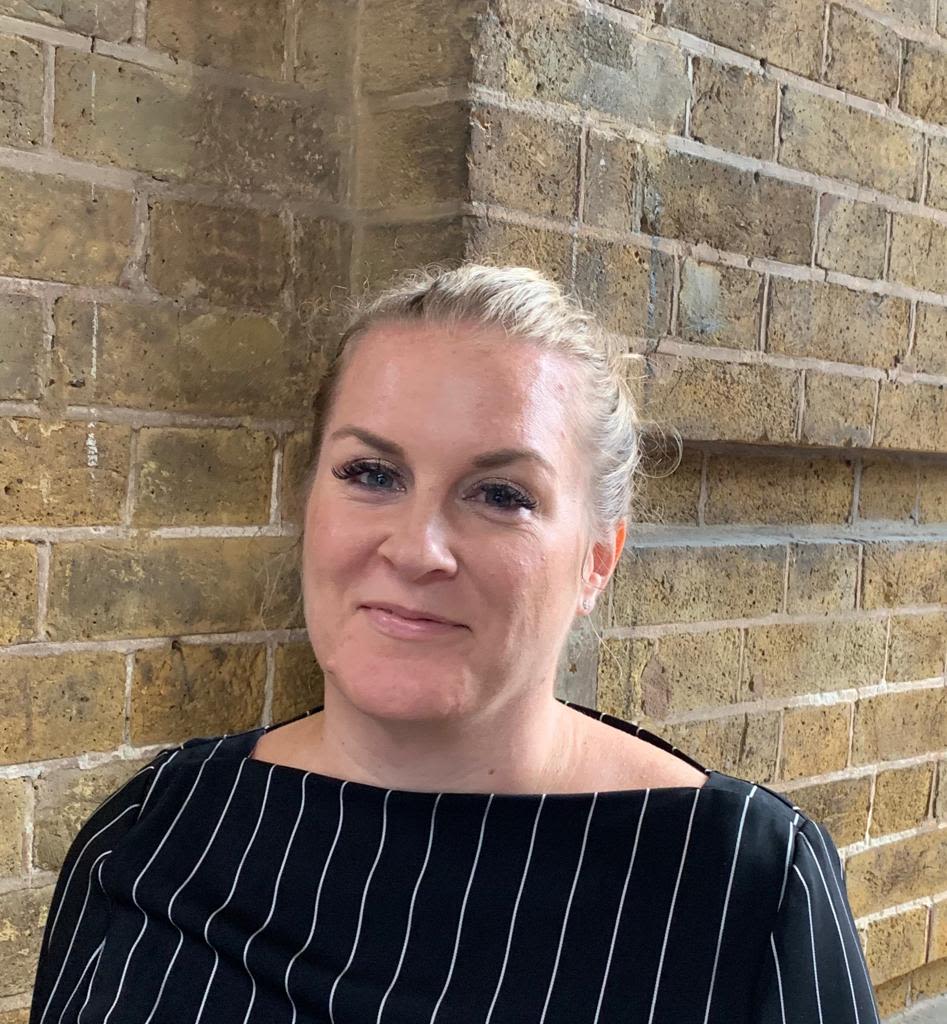
Leigh Cowlishaw, managing partner, Black Box Partnerships
Time in industry: 25 years
I think we’re going to see a lot more augmented reality and creativity being used to entice delegates and attendees to in-person events. Organisations are keen for in-person attendance but delegate wellbeing is a big focus. We must ask ourselves if getting on a flight to travel to an event is the right thing to do. Each event needs to be sized of the benefits of attending versus how this time can be wisely invested and spent.
Future events will provide choice, and delegates can pick and choose what suits them. Events need to promote a degree of flexibility, inclusivity and consideration. This will attract more attendees, create more personal experiences and enable delegates and organisers to fulfil ‘what’s in it for me.’
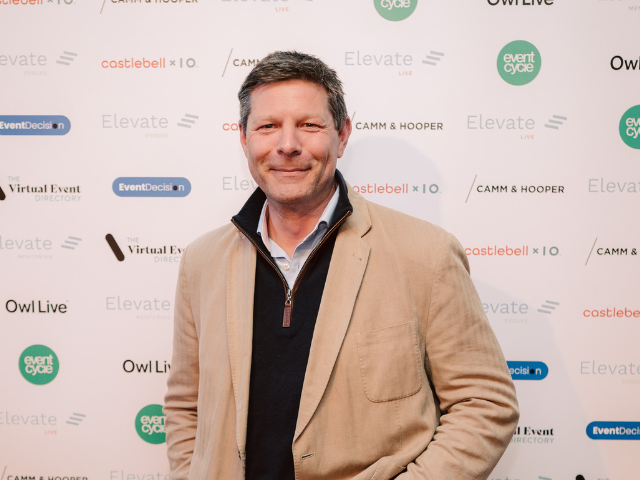
Matt Grey, founder and CEO,event:decision
Time in industry: 26 years
I can see a continuation of measurement being demanded by client planners. There will obviously be a more stringent examination of sustainability within events, whether driven by climate-change or for brand optics. We may see the evolution of more personalised sales incentive programmes, as the optics of luxury five-star long-haul travel and xexclusive resort hire are not always super positive.
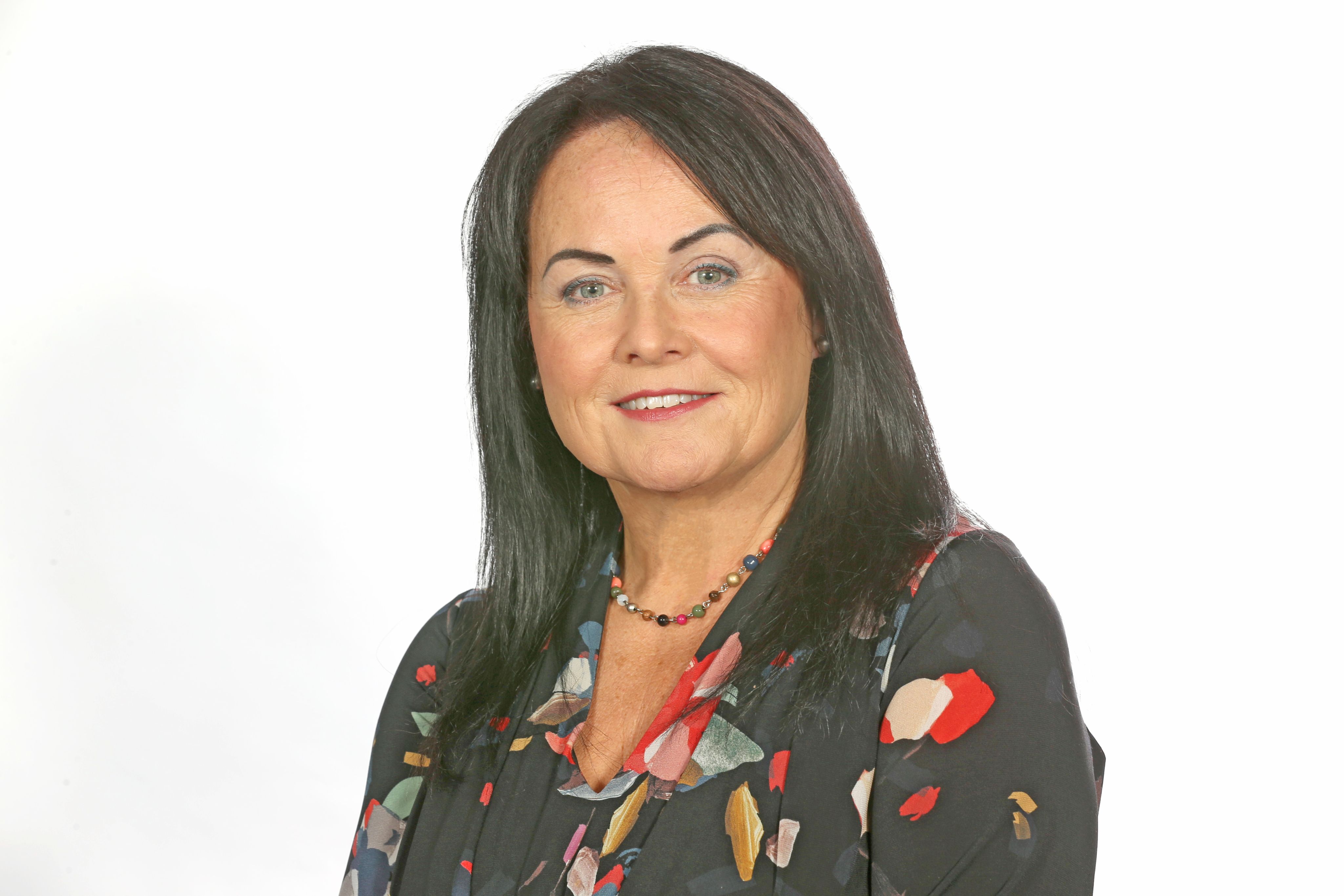
Kerrin MacPhie, chief executive,
Meetings Industry Association
Time in industry: 40 years
There will be an increased focus on sustainability as we head towards the Government’s target to reach net zero by 2030. We could see international meetings become more regionalised, mitigating the need to travel. Many associations rely heavily on income generated from their global congresses. How can this be addressed? There’s a real opportunity to work alongside destinations to make a difference. As a nation working from home, face-to-face corporate meetings are going to be more valuable. Team time will be important from both a wellbeing and strategic perspective.
The other shift I think we’ll witness is Instant Book – the ability to automate and book smaller meetings online. I think we’ll also see the next generation of event professionals automatically placing diversity, equity and inclusion at the very core of their planning.
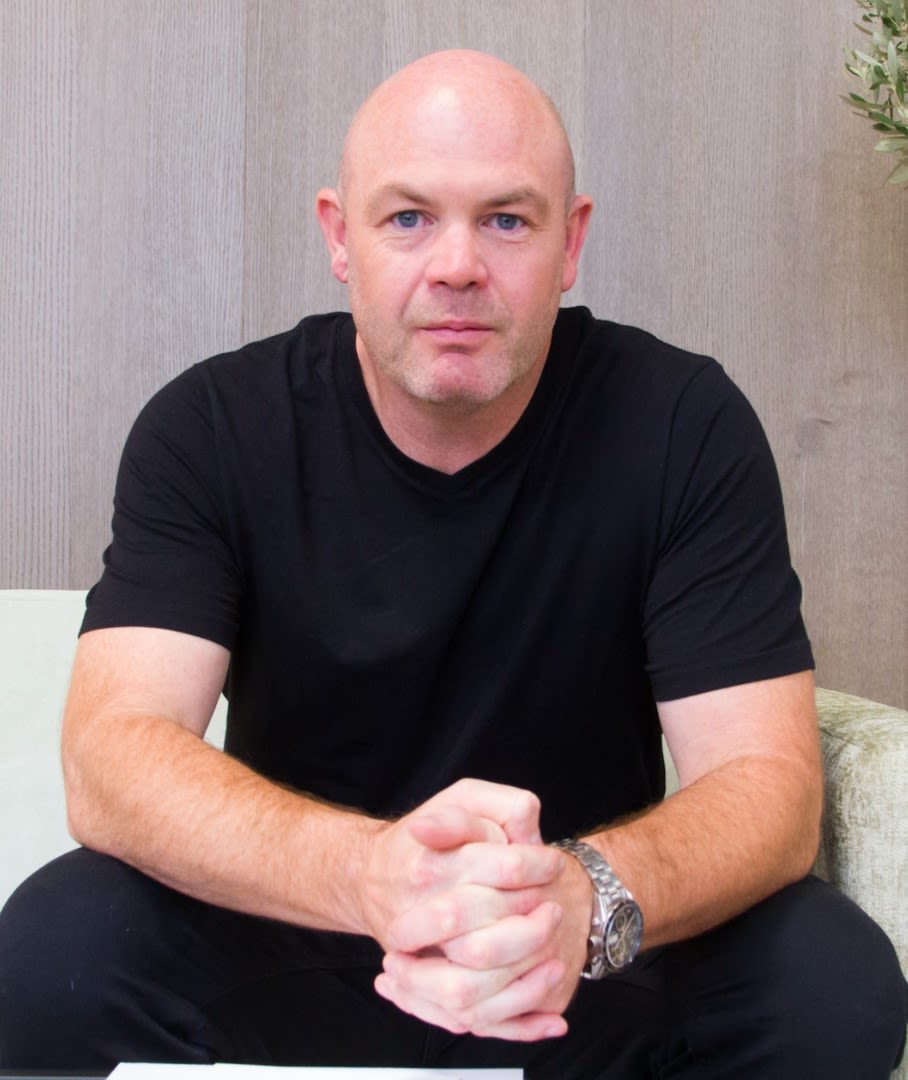
Gavin Farley, CEO, asembl
Time in industry: ‘I’ve worked in the sector longer than I haven’t.’
I’m fascinated by artifcial technology (AI), it could be a game changer for making predictions and measuring success. As a business, we need to hold on to our valued team members to grow. So, how do we conquer the ‘swipe’ generation? By enhancing our culture, giving empowerment, flexibility in approach to working, social benefits, exciting work and plenty of skill progression.
The future of events is exciting and fast-paced. At the core, ‘events’ have stayed the same since I delivered my first big incentive event in Cape Town in 1998. The difference was, back then, I organised that event by post and we had a whole year to plan it! Whereas now, we could launch that event, book everything, take payments and issue airline tickets within a week. The speed of delivery will only get faster, and the ability to respond quickly is demanded.
Jenna Border, senior account
manager, DRPG
Time in industry: 12 years
Accessibility and neurodiversity are going to play a big factor in how events evolve. We must ensure that all delegates have an equal experience. I’m excited to see how neurodiversity is considered in event design in the future, and how we tailor the event experience to different audiences. There’s a new level of personalisation, it will be interesting to see what part data plays in this. The next generation will be switched on to the importance of mentoring, and the benefits of reverse mentoring.
Opportunities for growth and development outside of the usual rules of line management will become something that young event planners ask for – and rightly so, it’s a great way to learn, take on another perspective, contribute and be seen.
Anna Peters, creative director,
Evolve Events
Time in industry: 15 years
Our industry has been kicked hard over the last few years and we need to continue to come back fighting. We must flex our creativity muscle to produce ‘must attend’ experiences while also offering spaces to relax and recharge. We need to do better with our work-life balance. We also need to invest more to retain our talent and create a culture that attracts a diverse and inclusive workforce. The next generation of event planners is more reflective and responsible with an increased awareness of the impact events can have. This should help ensure the future of events takes a more ethical and values-driven approach.
Mark Taylor, chief executive,
QEII Centre
Time in industry: 40 years
I think we will see events becoming more digitalised and data-driven, allowing greater commercialisation and opportunity for revenue generation through sponsorship. Events will also become more visual. We’re seeing greater demand for more complex camera, microphone and speaker set-ups. Covid-19 has created widespread staffng issues. There’s a gap among the emerging talent – particularly in technical event delivery.
As a result, we as an industry need to work harder promoting the vibrancy and creativity of events to demonstrate the range of fantastic roles in which you can forge a career.
Warren Campbell, general
manager, 15Hatfields
Time in industry: 33 years
The events industry needs to clean up its act. I believe we will see the sector becoming even more environmentally conscious and socially responsible. It must, as there’s tough legislation coming down the tracks. Huge investments are going to be needed by venues – particularly historic ones - to ensure they are compliant by 2030.
I think the industry is at risk of losing its old traditional values of client and customer relations. The industry needs to use technology effectively but at the same time find a way to retain connectivity, as ultimately human beings thrive from face-to-face interactivity.
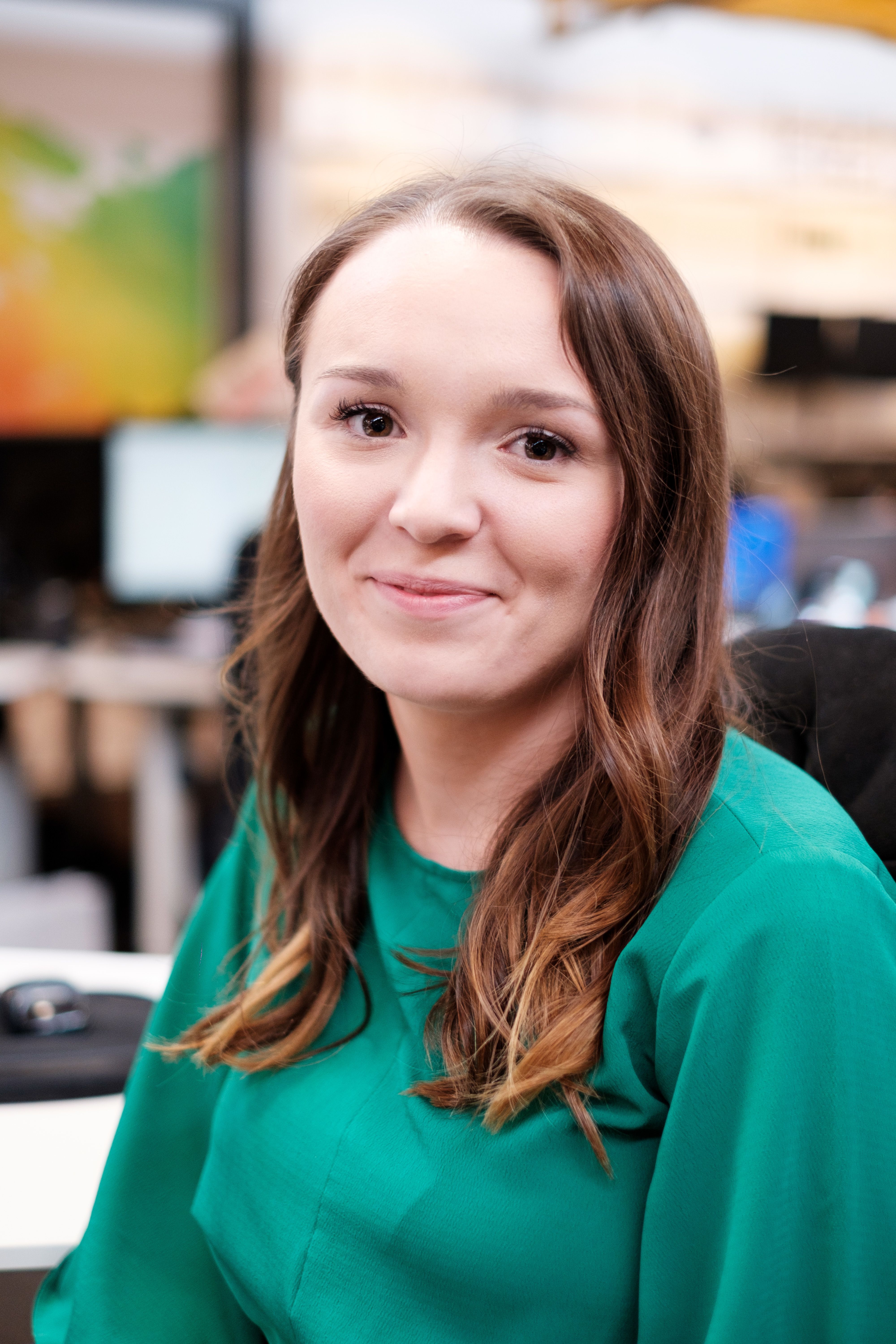
Jenna Border
Jenna Border

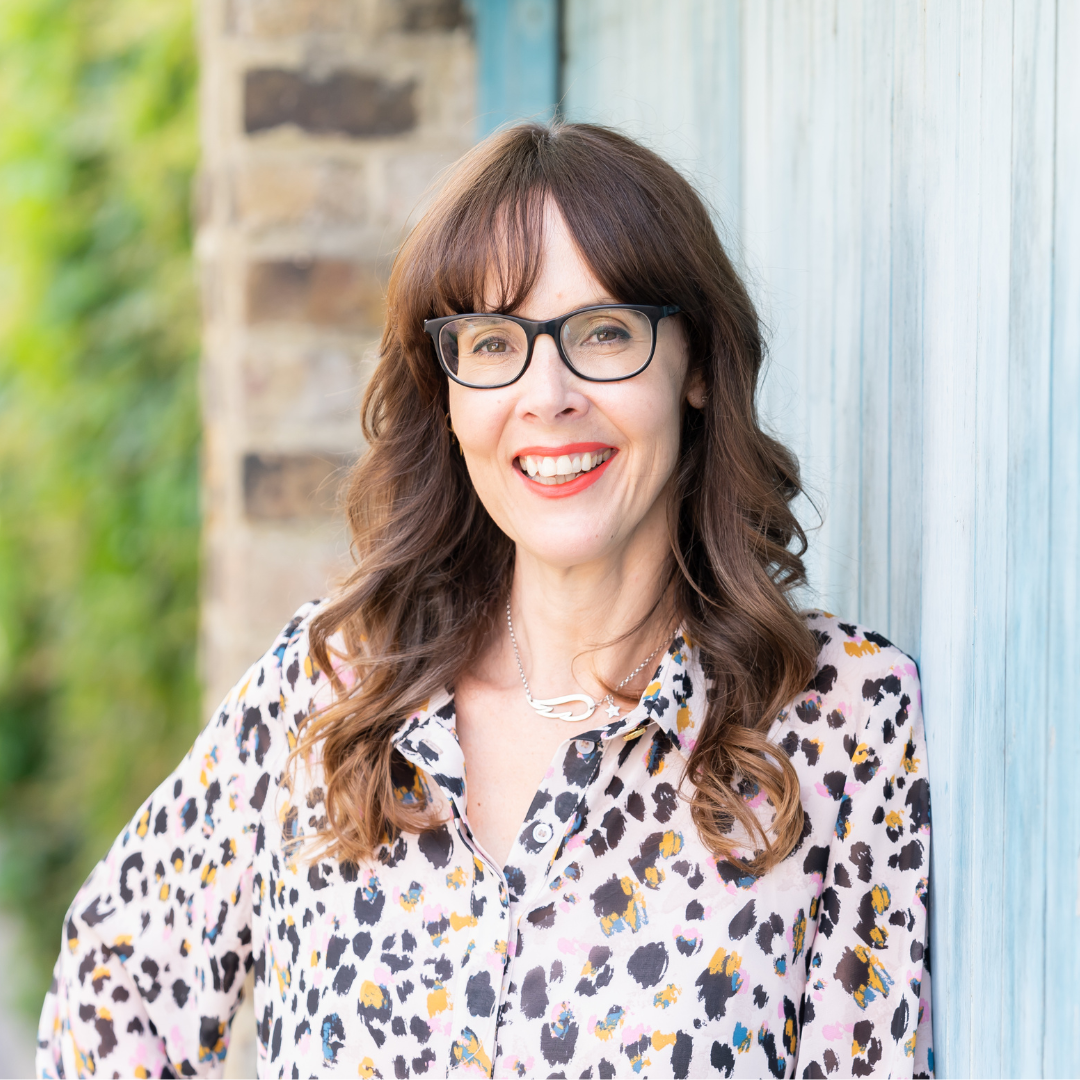
Anna Peters
Anna Peters

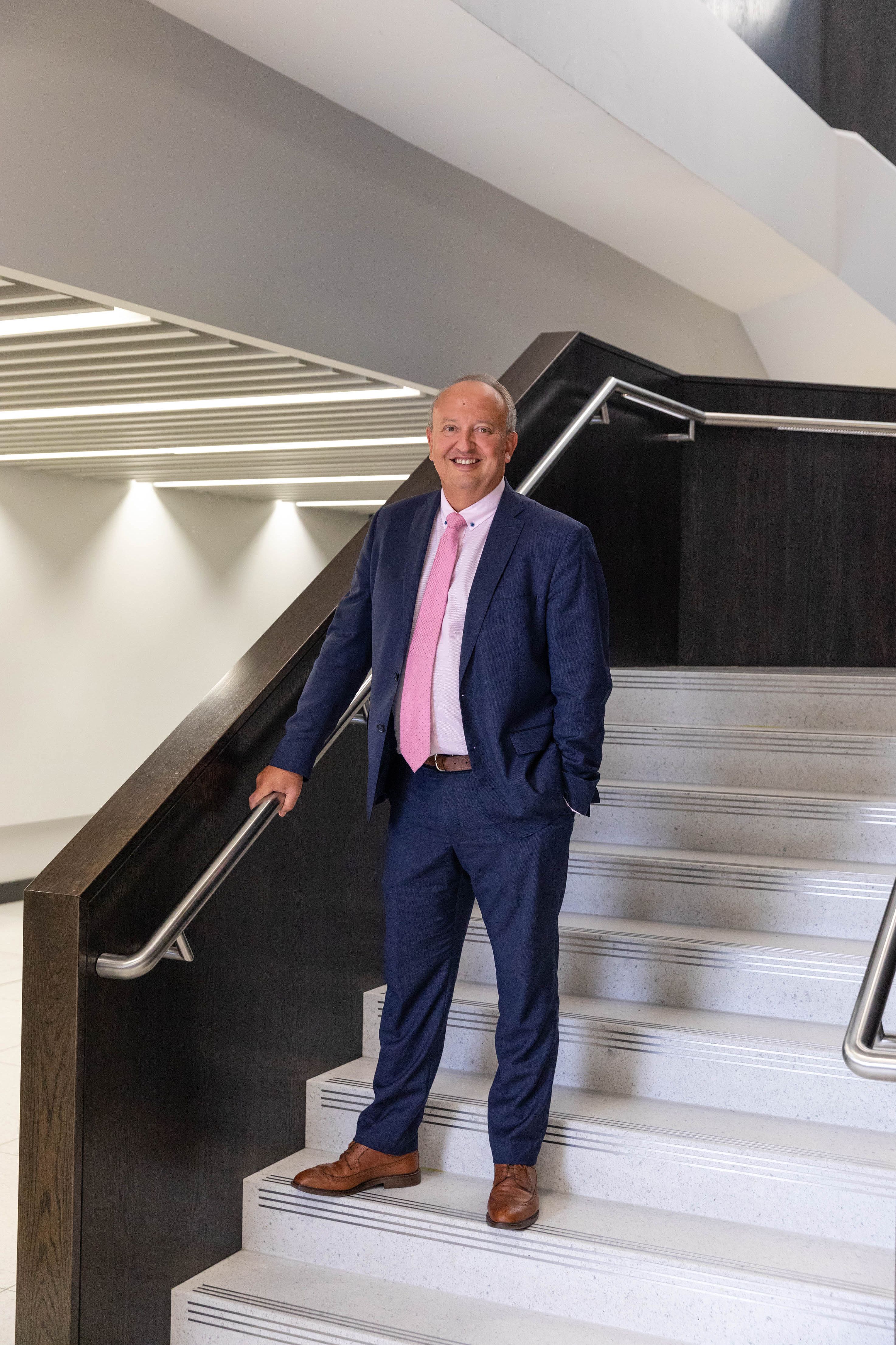
Mark Taylor
Mark Taylor

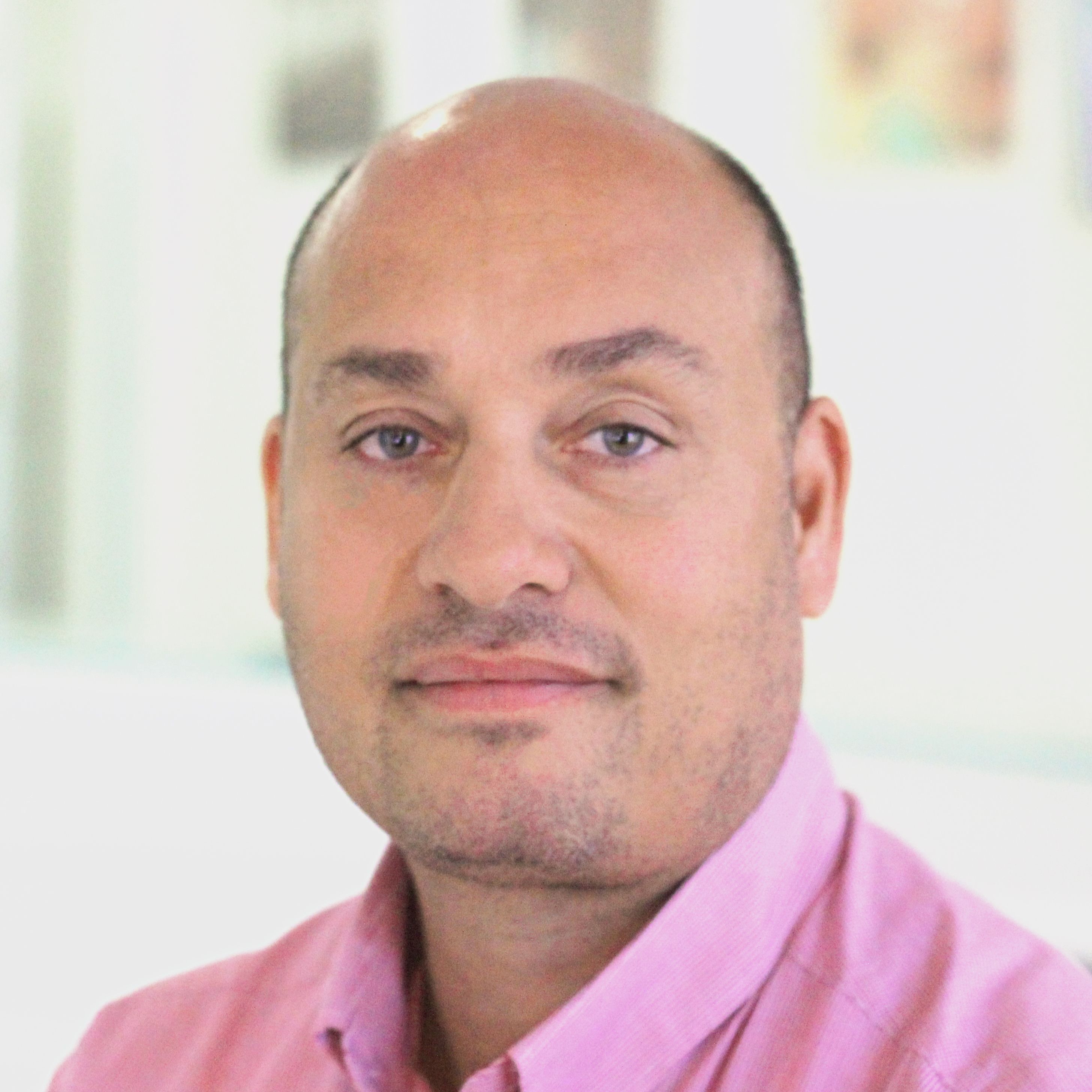
Warren Campbell
Warren Campbell
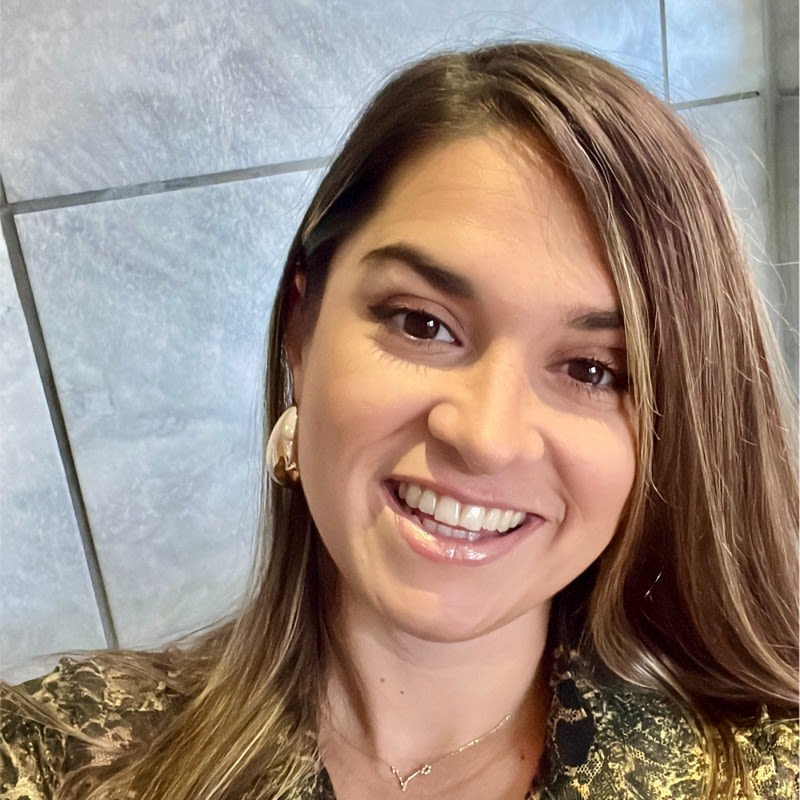
Alexa Martinez
Alexa Martinez
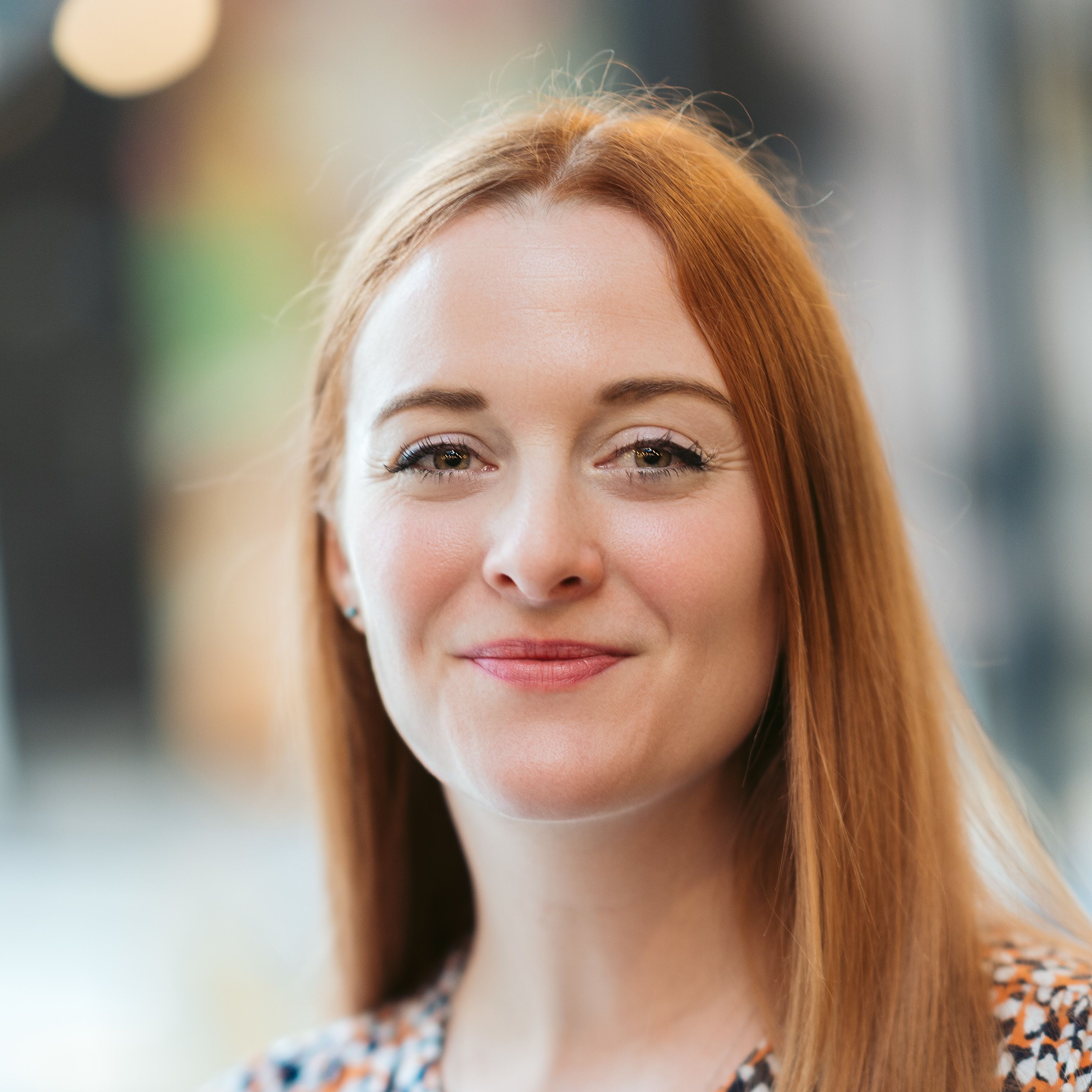
Stacy Lyden-Sauppe
Stacy Lyden-Sauppe
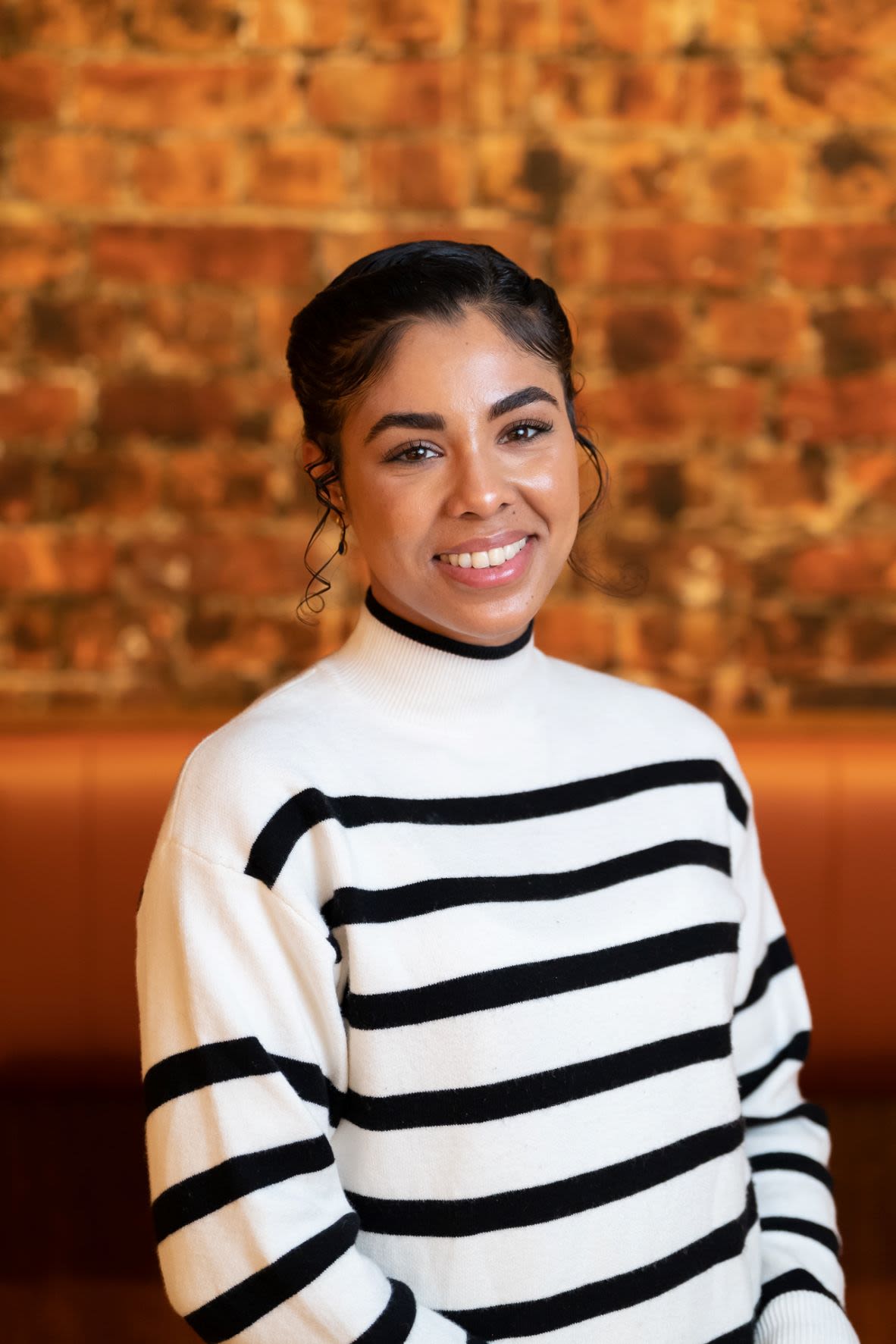
Jaleesa King
Jaleesa King
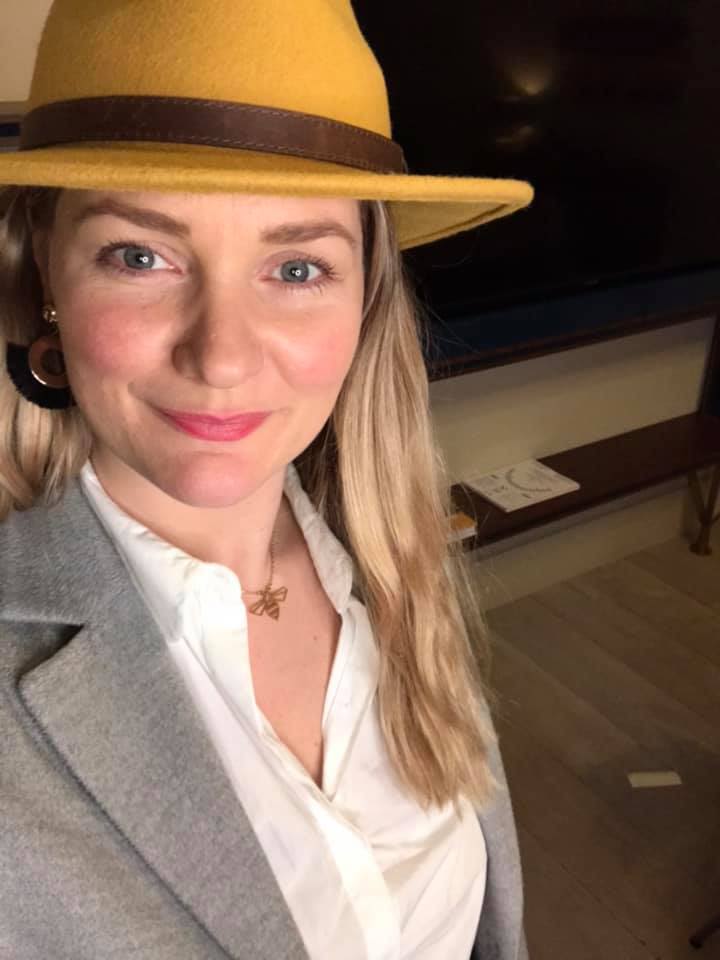
Anna-Marie Trzebinski
Anna-Marie Trzebinski

Jemma Peers
Jemma Peers
Alexa Martinez, events manager, St James’s Place
Time in industry: 11 years
We are seeing a major shift in roles and responsibilities, including the need to be more technically savvy with the rise in virtual events and constant evolution of technology. Networking will always be an important part of progressing in your career, however now the strategic use of social media has added a new layer. How will you leverage this channel for networking and use each platform to create a memorable personal brand? It is an exciting opportunity and the next generation of event professionals have an advantage in this space against their more experienced counterparts.
Stacy Lyden-Sauppe, events
manager, Workspace Group
Time in industry: 10 years
We haven’t figured out how to incorporate mental health and wellbeing into event professionals’ roles yet. Our industry is notorious for requiring long, often anti-social hours, often at odds with personal life and caring responsibilities. While the pandemic has shifted focus for most industries to incorporate a more flexible approach to working patterns, I often wonder how that translates for those of us who must be on-site or travelling for many hours of the day, many weeks of the year.
How do we balance the needs of event delivery with the need for us all to look after our health and wellness? The first step is to recognise there’s a real gap here and we should be talking about it more!
Jaleesa King, event coordinator,
Shaftesbury Theatre
Time in industry: 10 years
The focus on hybrid and virtual events is a worry. I question the impact it will have on face-to-face interaction and networking, two key elements in building positive and strong relationships with clients, suppliers and attendees. While I appreciate the positive impact it can have on minimising budgets, the events industry is, ultimately, one that thrives on social interaction and physical networking.
I believe three things will be paramount - technology, sustainability, and creating bigger and better event experiences.
Anna-Marie Trzebinski, founder and creative director, AMTEvents
Time in industry: 14 years
As new talent graduates and new event professionals enter the industry at junior level, there seems to be a high-level of expectation across role benefits, flexibility, rates and hours.
I am supportive of a work-life balance, however, ultimately there needs to be a strong understanding that our industry requires dedication, detail-driven results and ‘experience can’t buy’ passion! It will always bode well to have a basic level and understanding of virtual platforms. Strive to understand how technology can better your event. Get to know a few platforms and demo them so you can add the name and connection to your skillset.
Jemma Peers, managing director, Top Banana
Time in industry: 22 years
How we use and collect data from events will shift hugely over the next five years – we will see a shift in ROI, moving into a new ROE (return on emotion), with true analytical data being captured on how people authentically felt during events and experiences.
The worrying trend seems to be the reduction of budgets and clients driving them down without any impact on the inclusions or services provided within the event. Whilst this is completely understandable in the current climate, it’s not sustainable for the future of the industry. Expectation is growing, the budget is shrinking: it’s all causing a significant amount of stress on the industry.
I hope future events will look a lot more accessible to all, with advancements in technology, and ESG emerging at the forefront of businesses' minds. In some areas, it’s so simple to do, yet easily overlooked. It’s not just about offering a hybrid solution, it's making sure that each element of the hybrid experience is accessible to all that wish to partake.
 Built with Shorthand