What the meetings industry can learn from C2
Founded by Sid Lee and Cirque du Soleil, C2 Montréal has been the self-styled "most forward-thinking business event in the world" for more than a decade. So what can eventprofs learn from it?
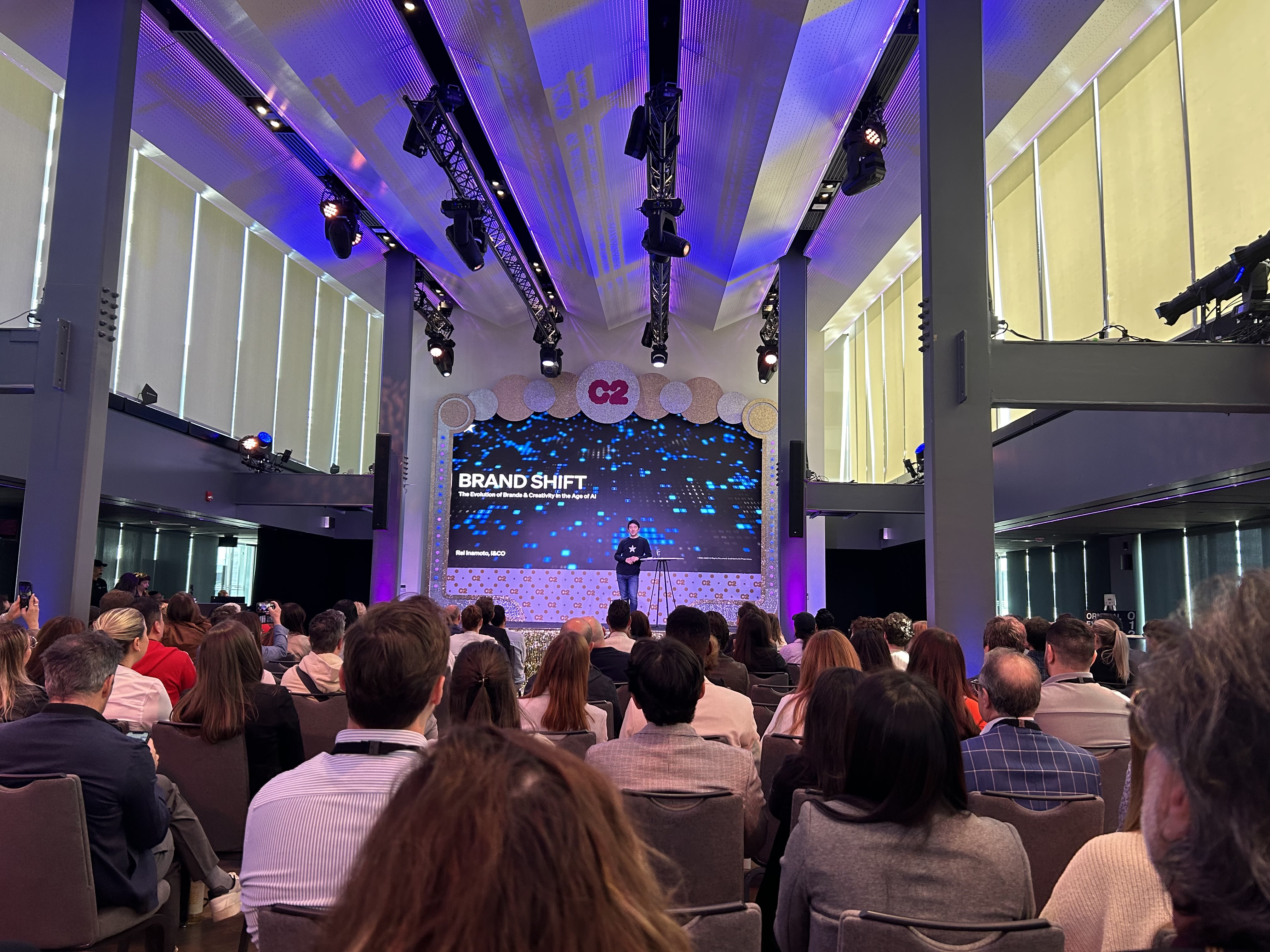

From embracing the wild to breathing, and from a ‘Braindate” to tapping in and out of content; every year in Montreal, creatives from across North America and well beyond congregate for the annual C2 conference.
The event has taken on legendary status, alongside other conferences that have transcended their own industries to become ‘status’ moments for business leaders, global politicians, influencers, and authors. It follows in the steps of icons such as TED, SXSW, and Cannes Lions; I was sent along to find out why.
I work with Chorus, one of the most exciting up-and-coming agencies in the UK. We wanted to check out C2, both in terms of the way they create their own experience, but also to seek inspiration from the infamous creativity-led content.

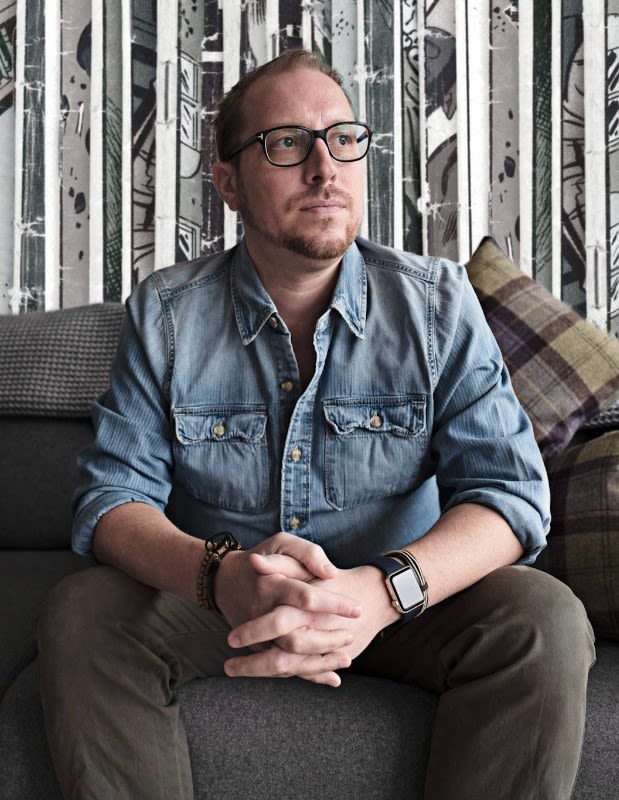
Alistair Turner
Alistair Turner

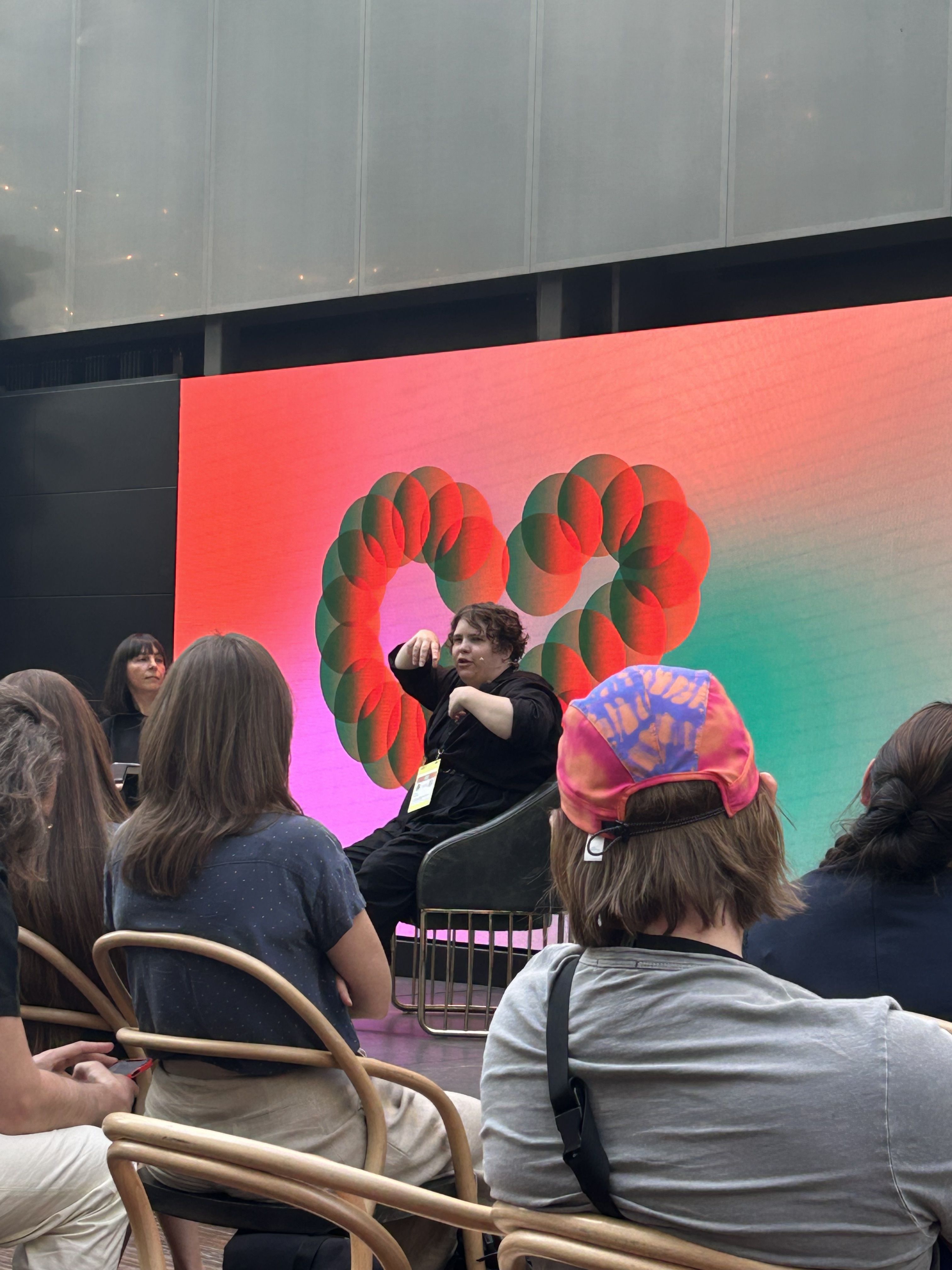
The head of marketing at C2 is the unmatchable Delphine Poux, who I was fortunate enough to meet at IBTM World last year. When we spoke, she wanted to share it in person and practically dragged me across the Atlantic to take a look. With the support of Chorus, I was a willing tourist.
The first thing I wanted to share was this idea of attendee-generated content. C2 finds its content from its delegates, some of the most creative and expansive brains in global business. The people in the audience could be on the stage next year, they all have something to say, and they earn their place with the breadth and challenge of the opinions they have.
I saw presentations on embracing the wild, giving back to marginalised societies through new thinking NGO business models, how special effects are changing in major film productions, live lessons from a divorce lawyer, and how AI can change the porn industry.
However, this idea of user generated content was brought to life most meaningfully through an area created in partnership with Google, called Braindate.
The concept is that, through the conference app, delegates can suggest a topic they would like to talk to the group about. Other delegates then scroll through the topics and join the discussions, some as little as three people, others grow to over 50.
I love this idea, it speaks to the era of personalisation often spoken about around conference programming. Delegates literally controlling their own agenda. But equally, feeding to the event organisers the kind of topics their delegates want to discuss. I attended a really interesting Braindate on ‘experiential’ and was happy to share a voice from within the industry itself.

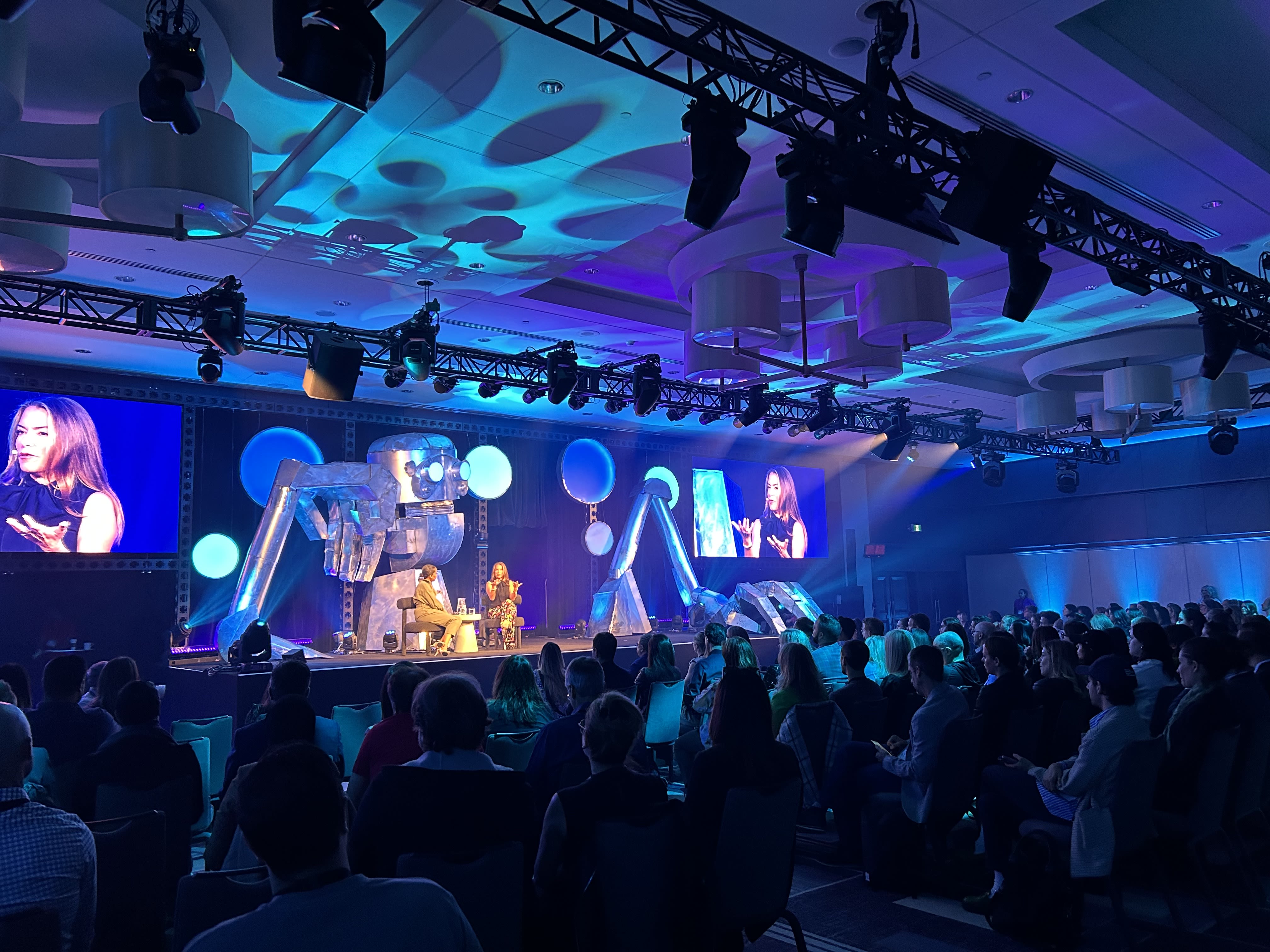

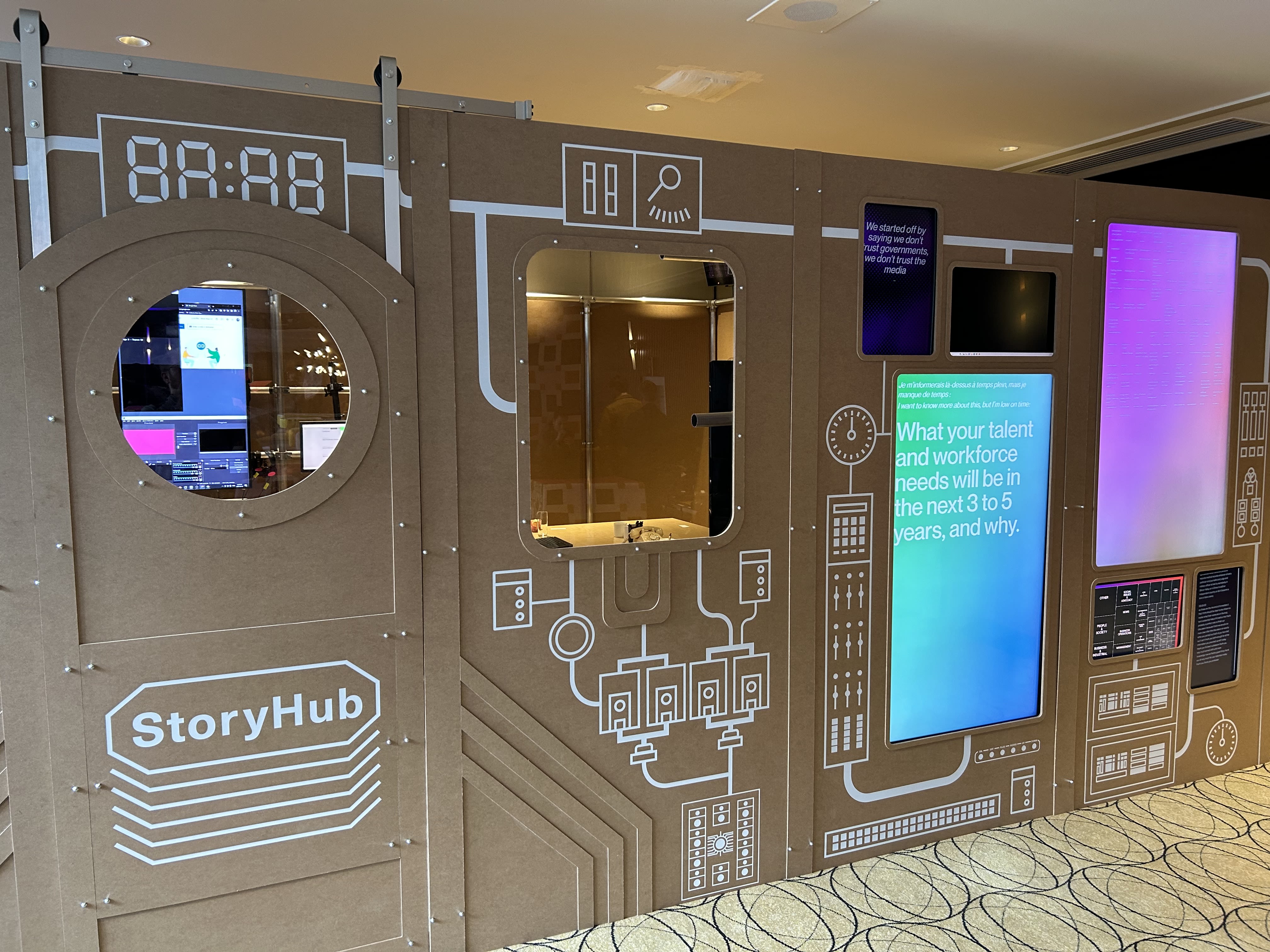

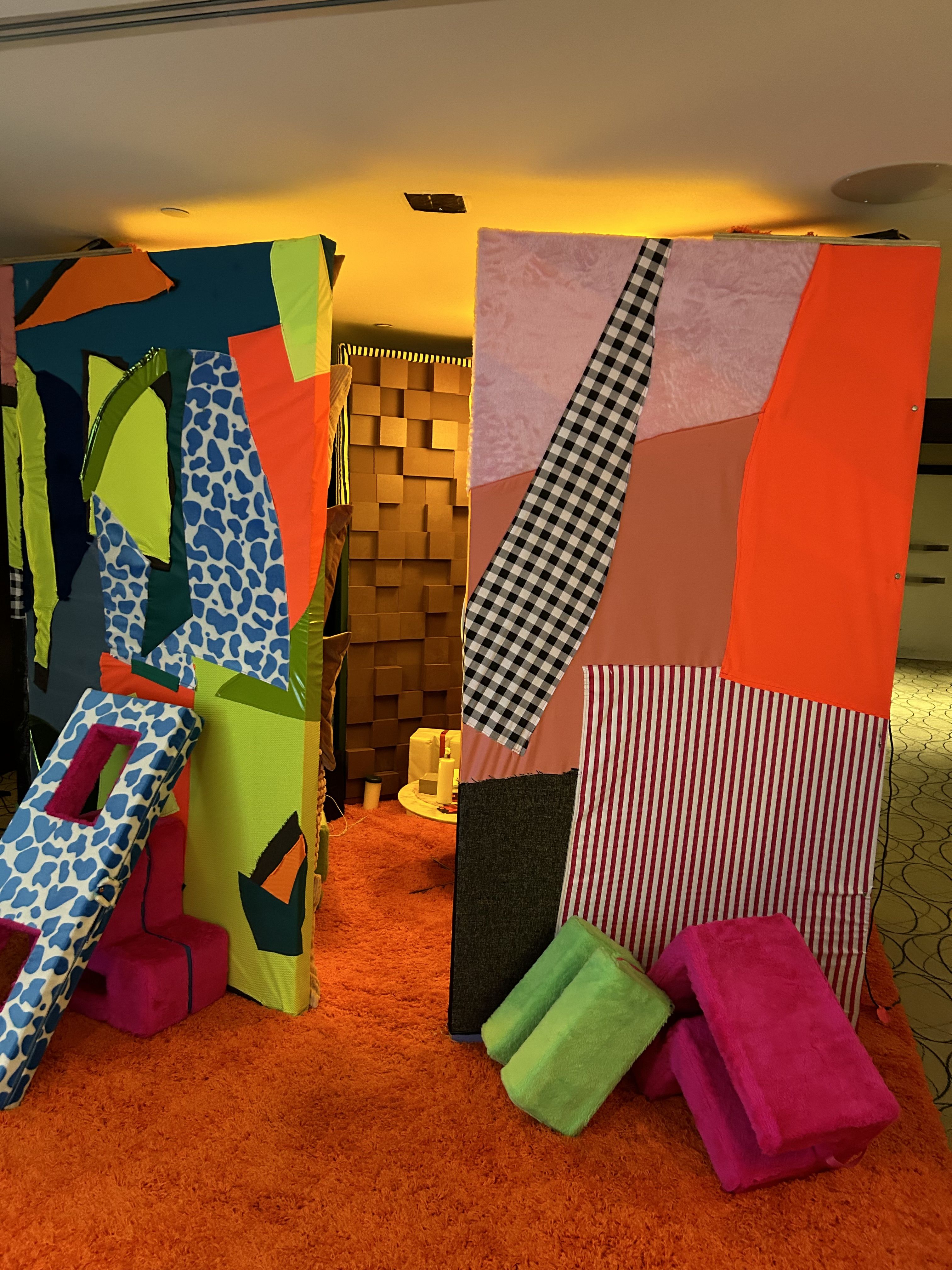
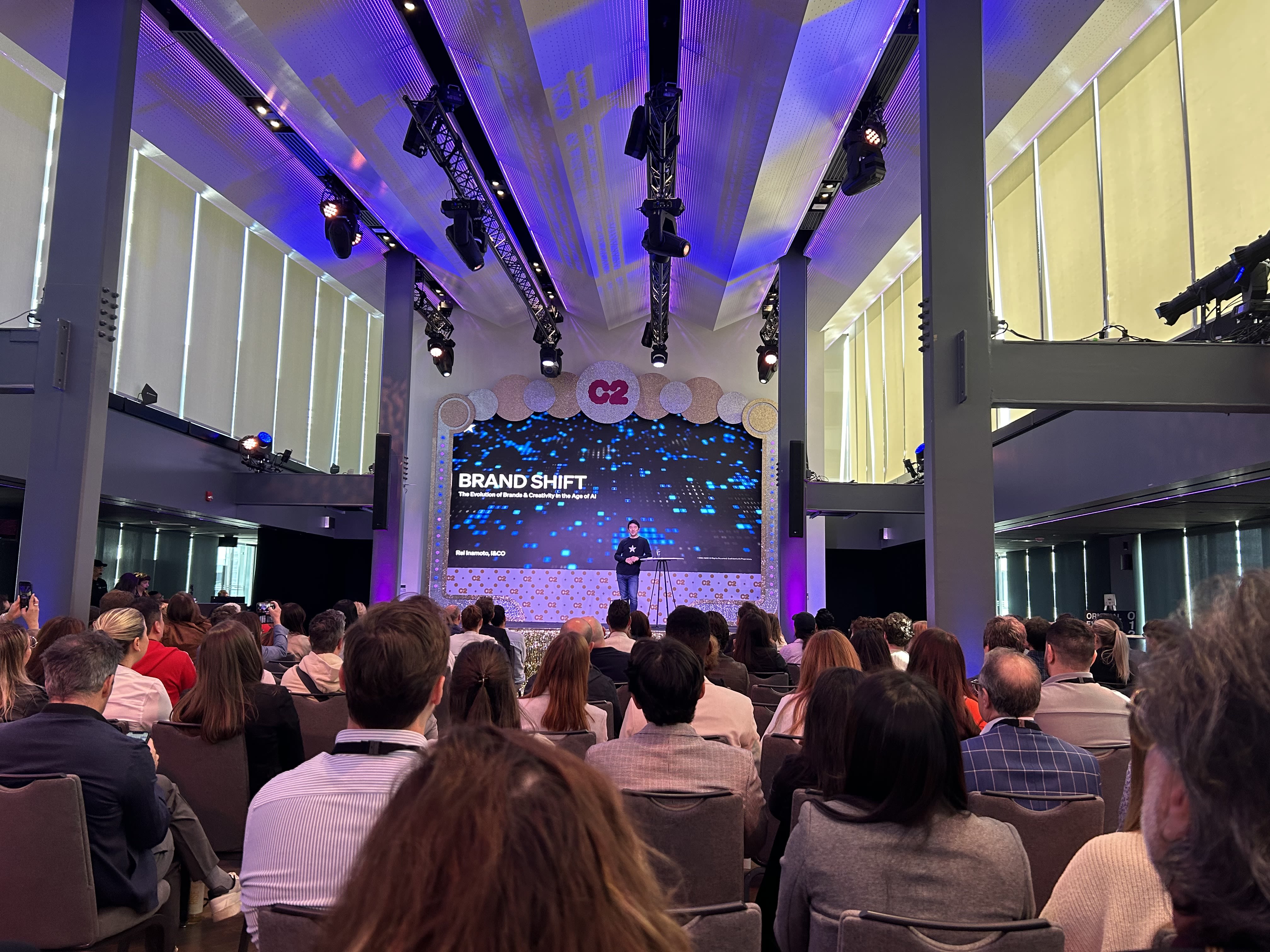
In and around the programming are ancillary inspiration hubs. They include everything from team building exercises, tours of the city, artistic exploration opportunities and zen minded breathing workshops. From the weird to the wonderful, they showcase challenging new ways of thinking and behaving, they essentially want you to come out a more creative person than you left.
This is really important. In the past the conference has set its programming along one central theme e.g., Resilience, Choices, Ecosystems, or The Many. What I gleaned from my experience was this wider ambition to challenge its attendees as well as play to their own content-led requirements. Most importantly, they wanted to impart knowledge as well as experience onto them, they wanted to make them better people, personally and professionally.
This is a lofty ambition for any conference organiser but one which has to be applauded and which most likely is behind the success of the event. Its ambitions are writ large across the conference areas; bean bags and giant cushions, playrooms, and cardboard studios are adorned with lounging creatives, tapping into and tapping out of content. This is their event, they make themselves at home, they know their opinions are appreciated, they are listened to. They are both delegate, organiser, speaker, and community member.

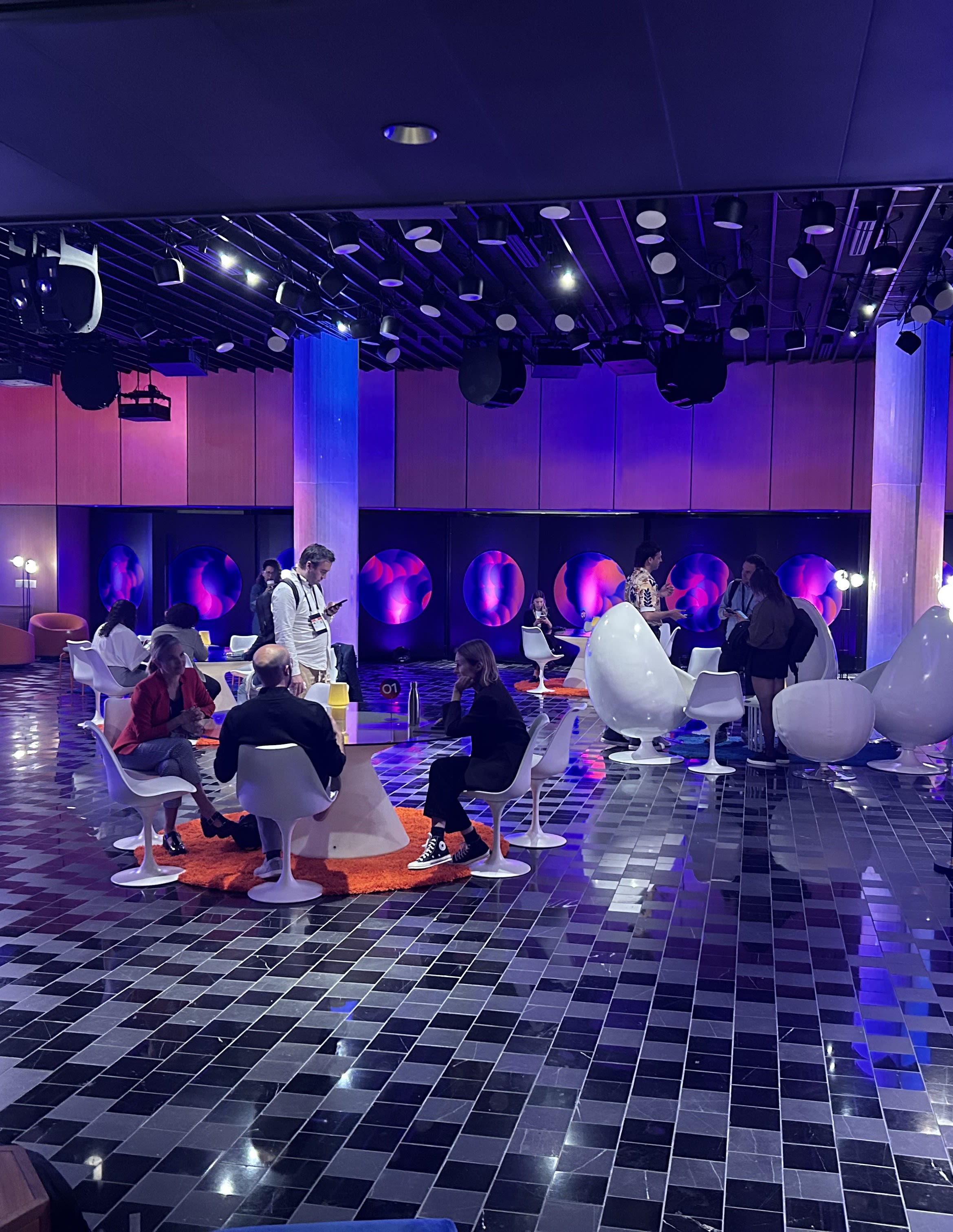
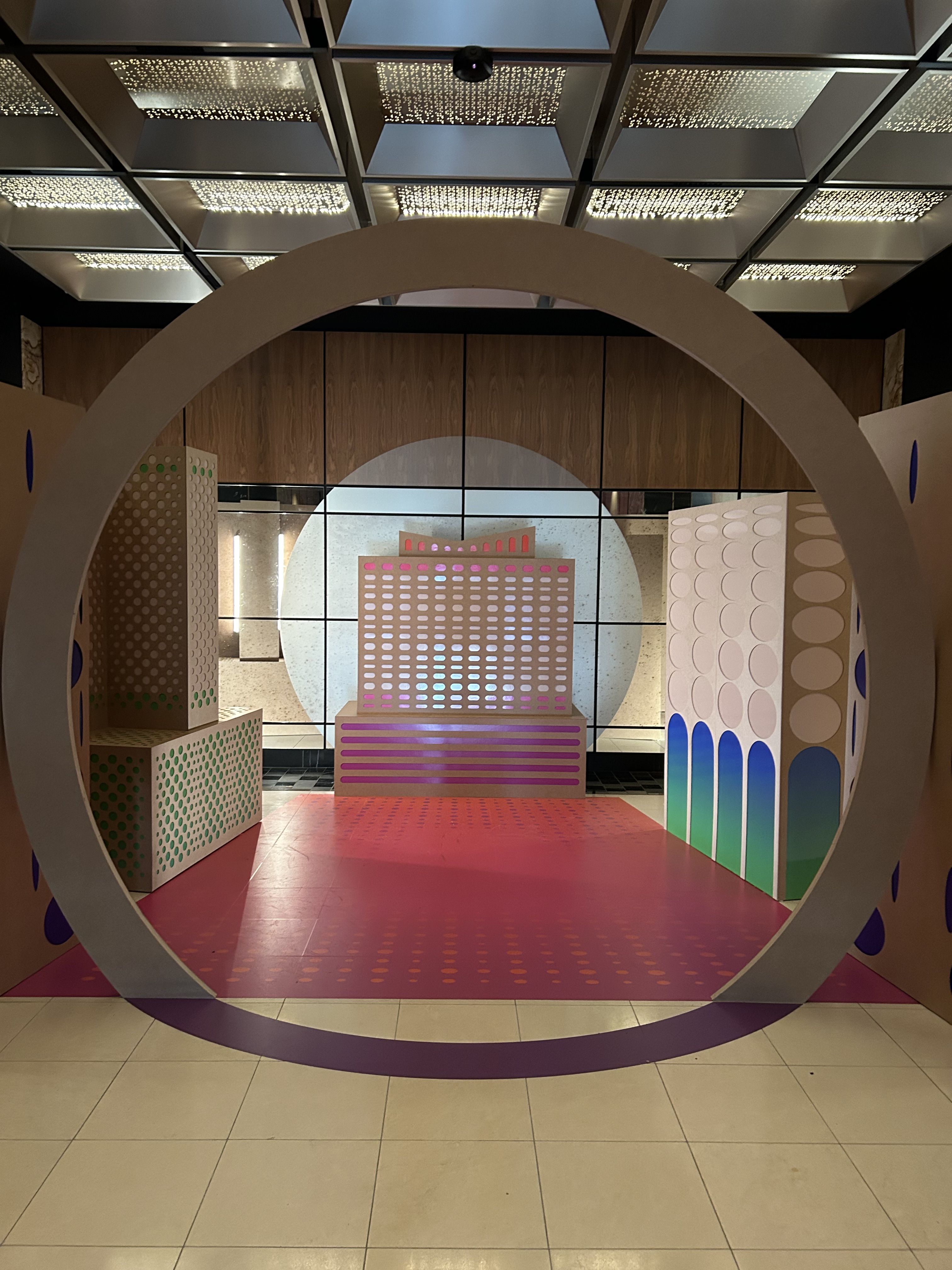
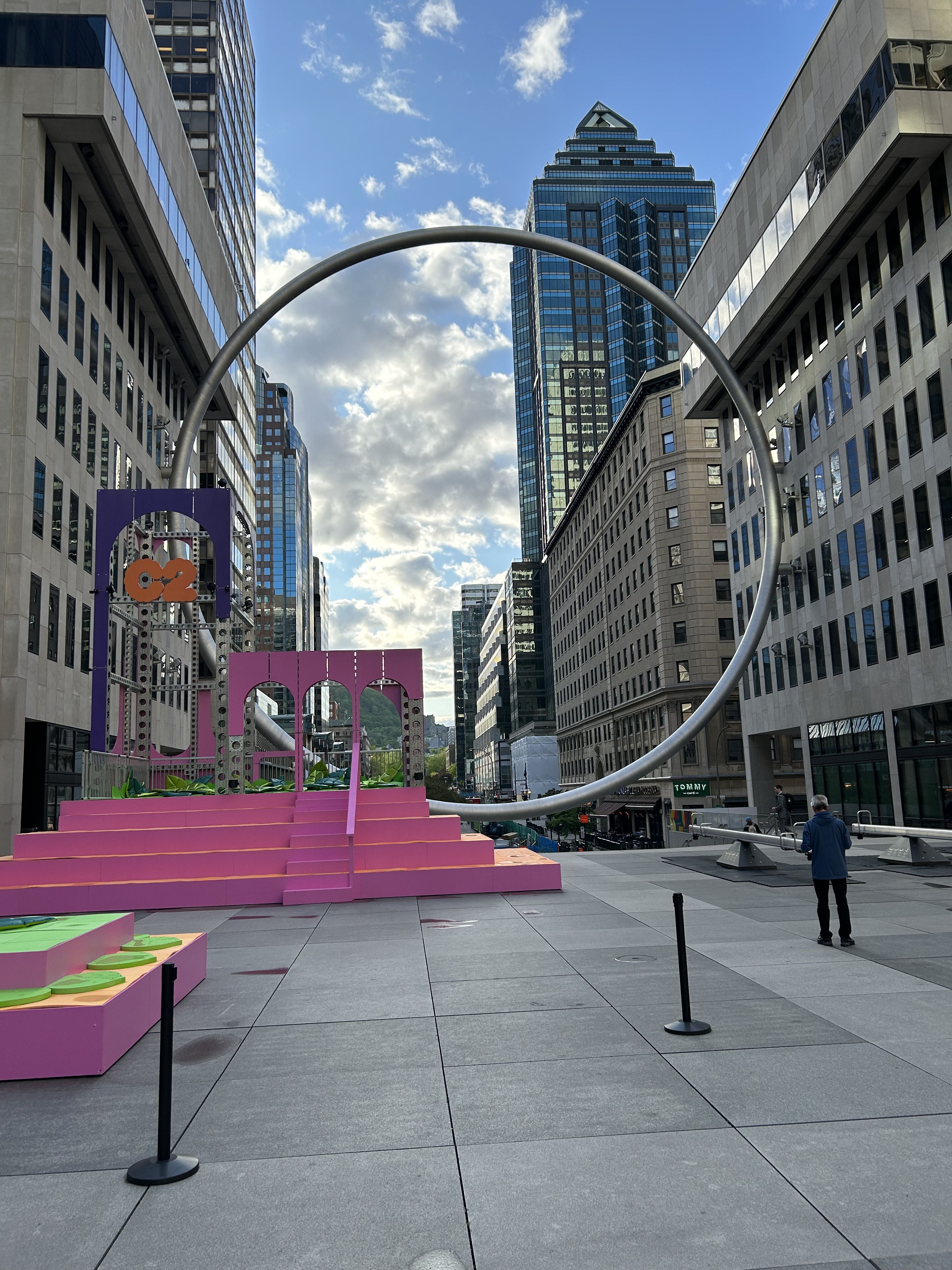
Lastly, I wanted to mention the relationship between C2 and its host city. I really liked Montreal, it’s a beautiful city, incredibly welcoming and an ideal setting for challenging content and people like us (!) C2-ers. But, as an outsider looking in, it just seemed like the conference and its home city had an amazing symbiotic relationship. It felt like Montreal was more than just a destination partner, it walked into the venue and sat on the stage, not just outsider.
It's something I’d like to see more of, it’s a part of the industry that really interests me. Saying that, I’d like to see more of the conference in the future and have next year’s dates in my diary. This is a community that isn’t standing still, the content will move on, there will be more people, more opinions, more challenge, and more creative people knocking around the streets of Montreal. I can’t wait.
 Built with Shorthand