


There's something about Sheffield
Paul Harvey heads to England's fourth biggest city to find a heady mix of nature, culture, and a thriving events scene.

“I've travelled all over the world and never found anywhere that has as many good things as Sheffield.”
If that sounds like a bold claim, Mark Mobbs, city campaigns manager for Marketing Sheffield, has plenty to back it up.
“I was out running on the moors this morning, and then I jumped on a seven minute train into town,” he says. “That’s why I’m here, for that nature/culture balance. There's so much culture that happens at grassroots level here, there's always something to go and get involved in. We are the big city that doesn't feel like a big city.”
I’m speaking to Mobbs outside the Fat Cat pub in the Kelham Island area of the city, one of the city’s oldest manufacturing sites that now thrives with a buzzy industrial vibe. It’s not just any old pub – the Fat Cat was one of the trailblazers for the indie beer scene, having been taking on the brewing giants for more than 40 years.
“There's something about Sheffield; when we do something, we tend to do it properly,” says Mobbs. “Sometimes that means it takes longer to happen - or it takes longer for people to realise what has happened.
“Sheffield is one of the craft brewing capitals of the world. We've got more breweries per head than anywhere else in Europe. That's been happening since the 80s, but it's not something that has had massive investment. It’s maintained its independence, doing its own thing - and the people that know, know. And now people are starting to understand how the beer scene in this country has come about - and a lot of it's to do with Sheffield.”
It's not just craft beer that has been quietly thriving in Sheffield either. Advanced manufacturing has been a key sector over the last decade or so.
“The steel industry put Sheffield on the map in a way that nothing else ever did - but it meant we had an over-reliance on one sector,” says Mobbs. “As soon as the scale of that industry declined, there wasn’t a mass emigration from Sheffield of the people with their skill sets and that knowledge. Those skills have shifted from heavy industry into advanced manufacturing and other translatable sectors.
“The people that know credit Sheffield with being one of the most advanced places in the world where that innovation district concept is working really well. We’ve got Boeing, McLaren, Rolls-Royce, Formula One teams - they're all there already. But we have got on and done it in our own way rather than promoting something before it’s been in place.”
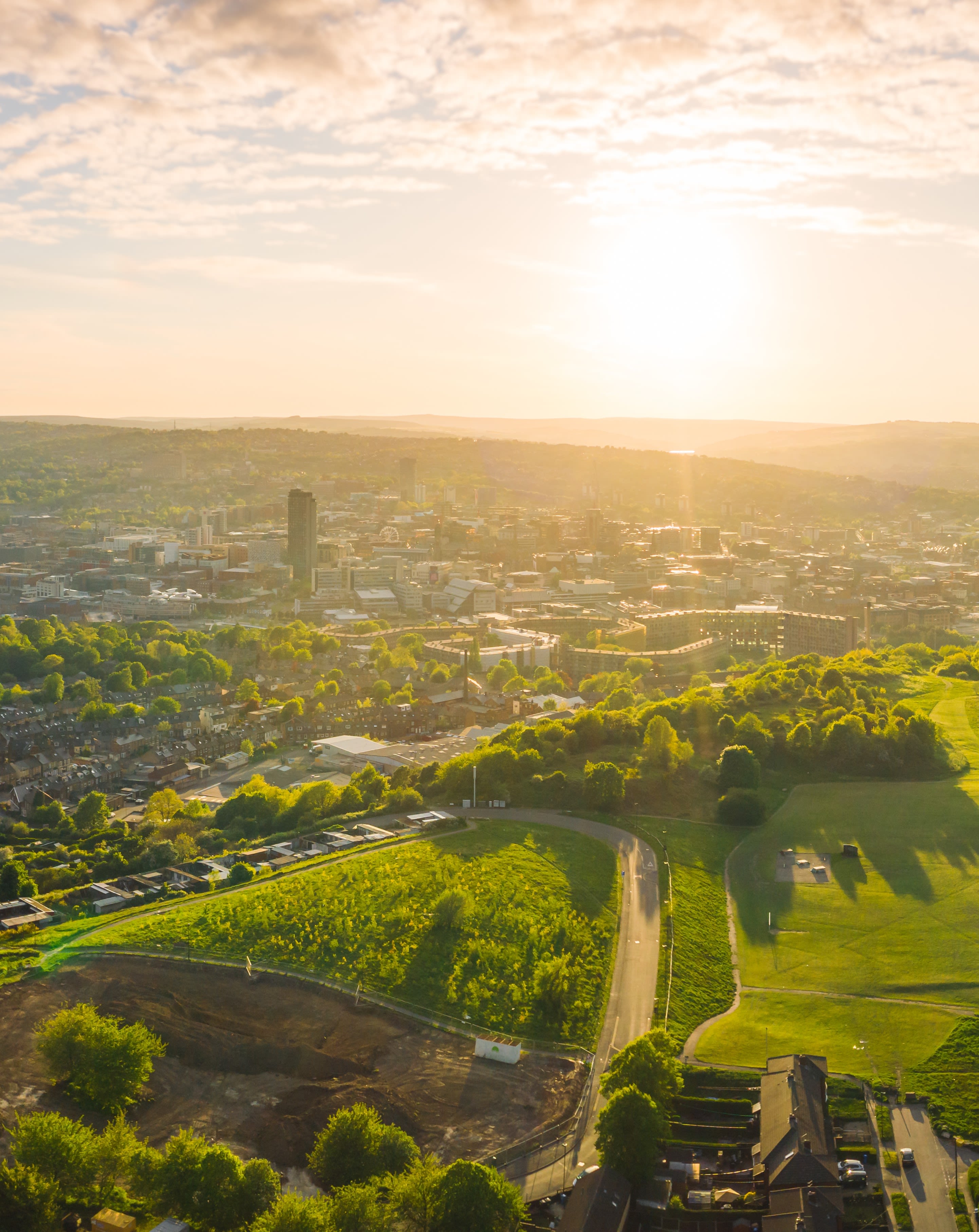
Steel may have shaped the character of the city, but it also has a softer side – something highlighted by its other nickname, The Outdoor City. Sheffield is the second greenest city in the world by green space, with one third of the city lying within the Peak District National Park. Indeed, the creation of national parks in the UK was partly down to people in Sheffield, who took part in the 1932 mass trespass of Kinder Scout. Mountain biking and road cycling are popular pursuits and the city stakes a claim to be the spiritual home of climbing in the UK.
From a sectoral point of view, health and life sciences and tech are where Sheffield is these days. Instead of one industry dominating, there are a few sectors that complement each other, with the universities wrapping around it all.
“It’s organic”, says Mobbs. “It’s the right combination of people that understand what's happening and use what they're good at to add and complement to it.”

Sheffield
Sheffield

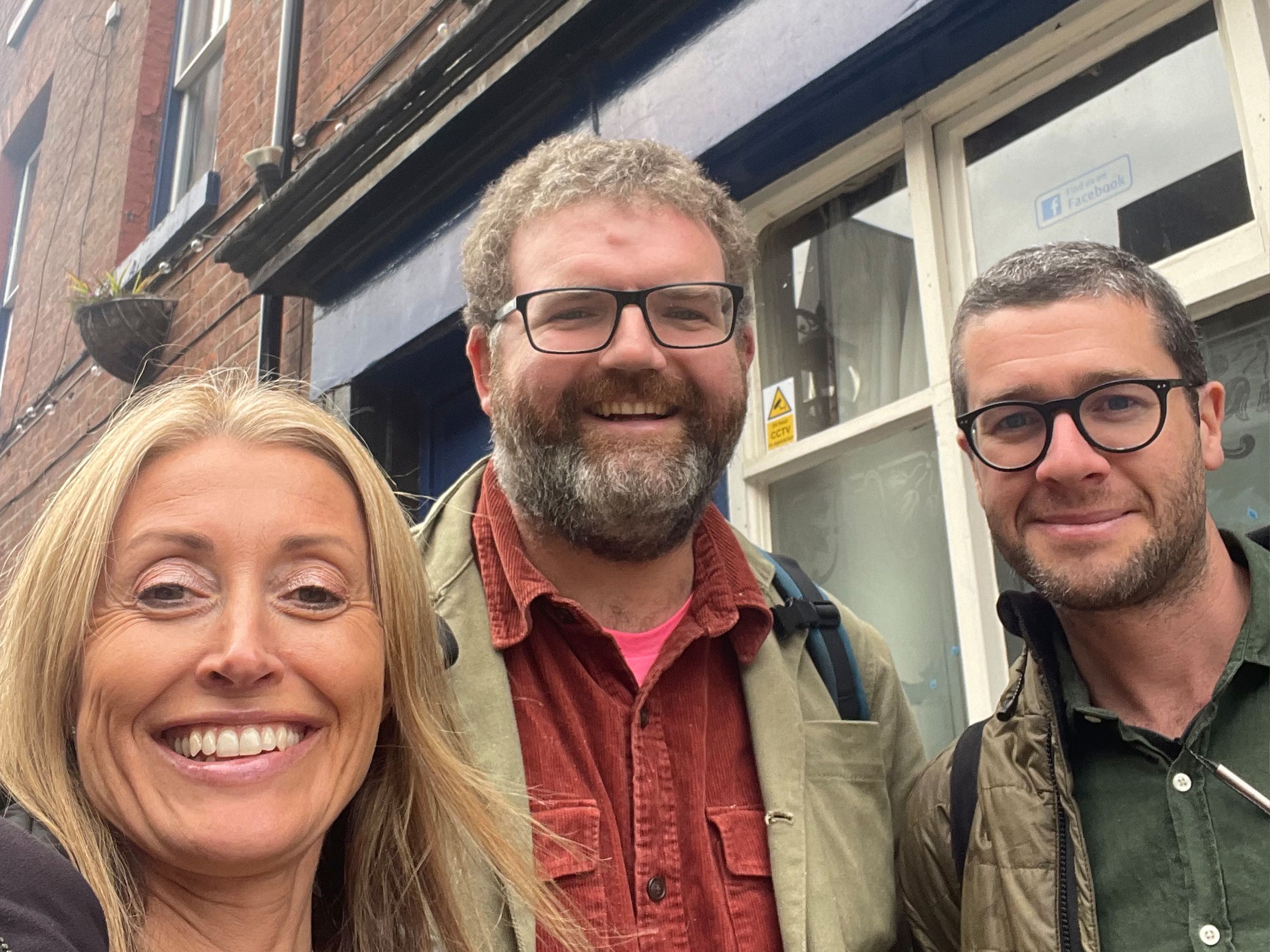
Gemma Tissington, senior conference executive at Sheffield City Council, M&IT editor Paul Harvey, and Mark Mobbs, marketing manager at Marketing Sheffield, outside the Fat Cat.
Gemma Tissington, senior conference executive at Sheffield City Council, M&IT editor Paul Harvey, and Mark Mobbs, marketing manager at Marketing Sheffield, outside the Fat Cat.
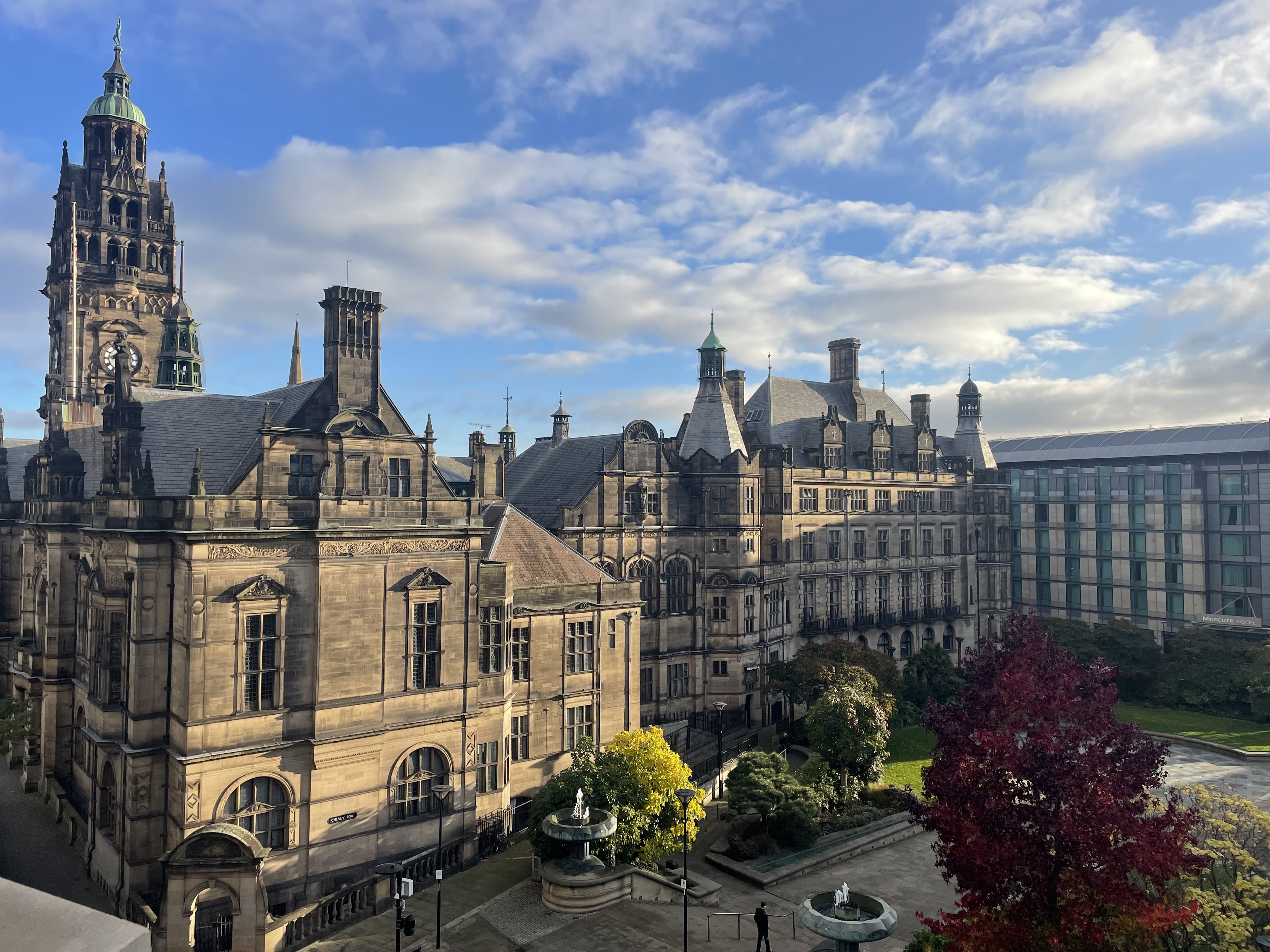
View from the Radisson Roof Top Bar
View from the Radisson Roof Top Bar
Sheffield map
A city of makers
The newly opened Cambridge Street Collective food hall, a game changing food proposition for the city. A sprawling multi-level conversion of an old industrial building is home to around a dozen food stalls showcasing the very best of the city’s diverse culinary offering. Crowd-pleasing pizzas, burgers and Greek platters sit alongside less familiar dishes from Eritrean, Malaysian and Palestinian kitchens, the very soul of something for everyone. There are places to play for kids big and small, with augmented reality darts and a children’s sandpit onsite, while upstairs a new Japanese restaurant will offer diners the chanvce to cook their own dinner over charcoal.
For organisers, Cambridge Street Collective is a bang-on-trend answer to the eternal question “what are our delegates going to eat?”, and a much cooler alternative to the traditional gala dinner option. It also works with local charities to provide an activity where groups can cook meals in the onsite cookery school, which are then parcelled up and shipped off to the local foodbanks.
As well as the cookery school, the rest of the building is available for hire, whether you need a whole floor or terrace, or smaller nooks and crannies, almost anything is possible.
Indeed, everywhere you go within England’s fourth biggest city you’ll find people grafting away, striving to build something.
Max Scotford, founder of Bullion Chocolate, is a case in point. In 2013 Scotford had a lucrative domain name windfall, which he used more wisely than most 21 year-olds would, setting up a bean-to-bar craft chocolate company. Bullion has gone from strength to strength, finding its way into stores such as Harvey Nichols and winning myriad awards. 10 years in and Scotford has just opened Chocolate Bar, a premium hot chocolate café in the city centre.
“I want to get bigger”, he admits, “but the quality of the product will always come first.”
For groups, Bullion offers factory tours, beer and wine pairings, chocolate making experiences and cocktail masterclasses.
Sally Clark, founder of Sheffield venues The Chimney and the Mowbray, is just finishing off her latest “ultimate reuse” project, The Victoria. The conversion of a 19th century industrial works and chapel is a real labour of love that began during the pandemic. The project has been fuelled by an eye for design and a commitment to sustainability. Almost every feature in the building has been reclaimed or repurposed from somewhere else, whether it’s the toilet doors that were saved from a skip, the clock that was salvaged from a Glasgow department store, or even the entire mahogany floor that Clark kept in storage for 14 years before finally finding the perfect setting for. The whole effect is a unique melding of styles that screams character and charm. The onsite kitchen opens up a world of conference and event possibility, from smaller trade fairs to board meetings and team building.
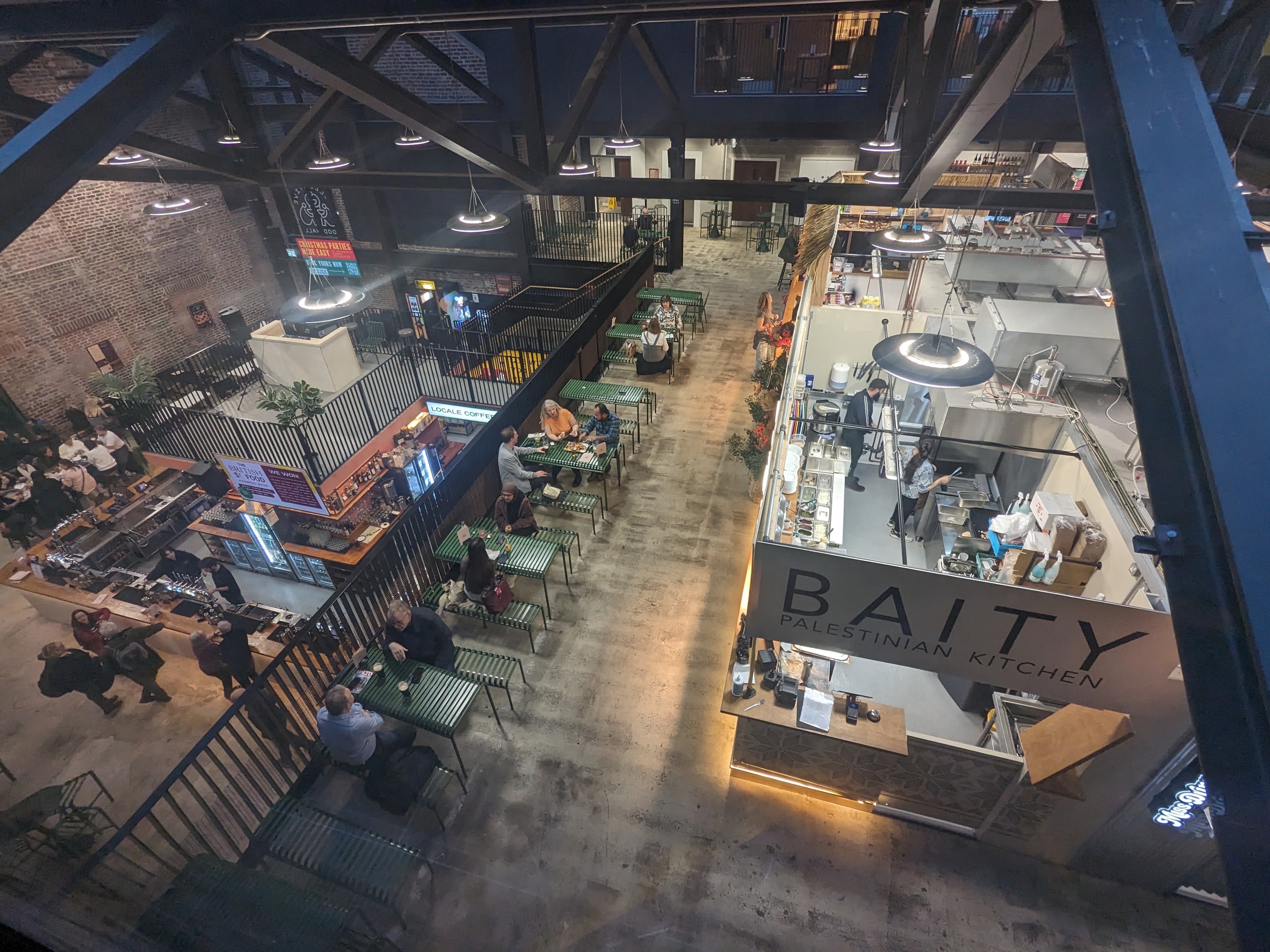
Cambridge Street Collective is game changing for Sheffield's food proposition.
Cambridge Street Collective is game changing for Sheffield's food proposition.
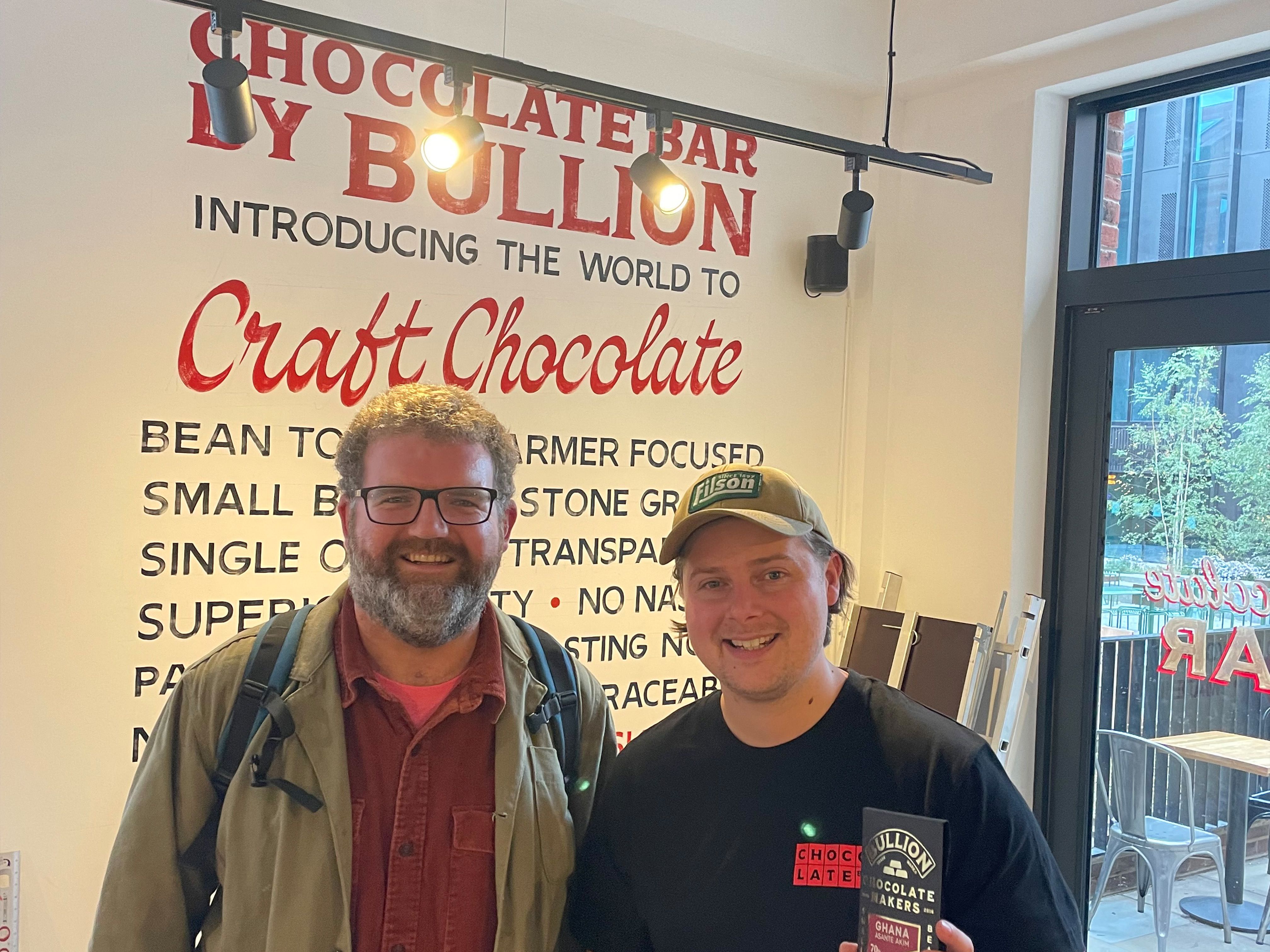
Paul Harvey and Max Scotford, founder of Bullion Chocolate
Paul Harvey and Max Scotford, founder of Bullion Chocolate
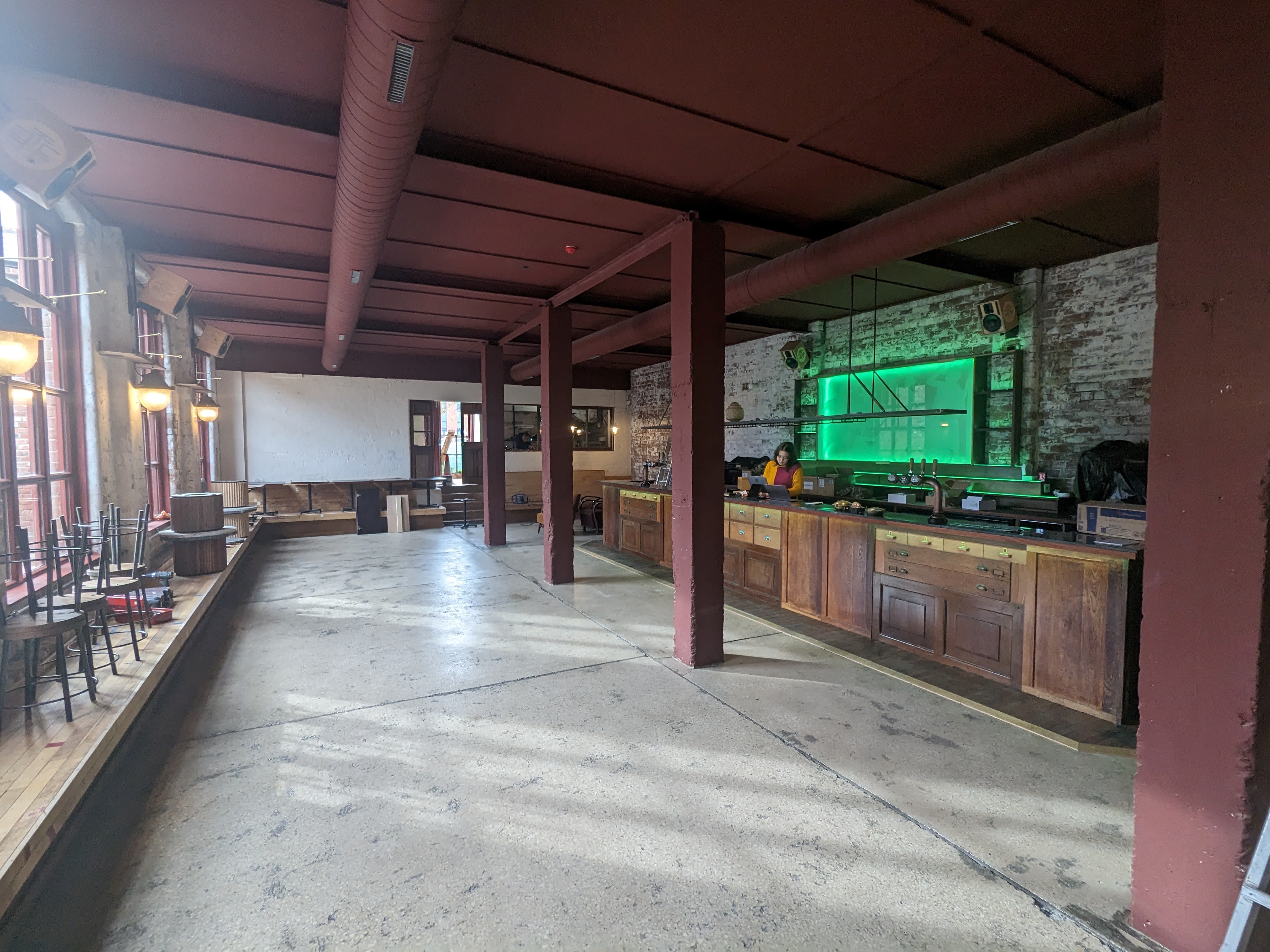
The Victoria
The Victoria
“If your clients are telling you they want something a bit different, you might just find it here in Sheffield”
Emma France, manager of Marketing Sheffield

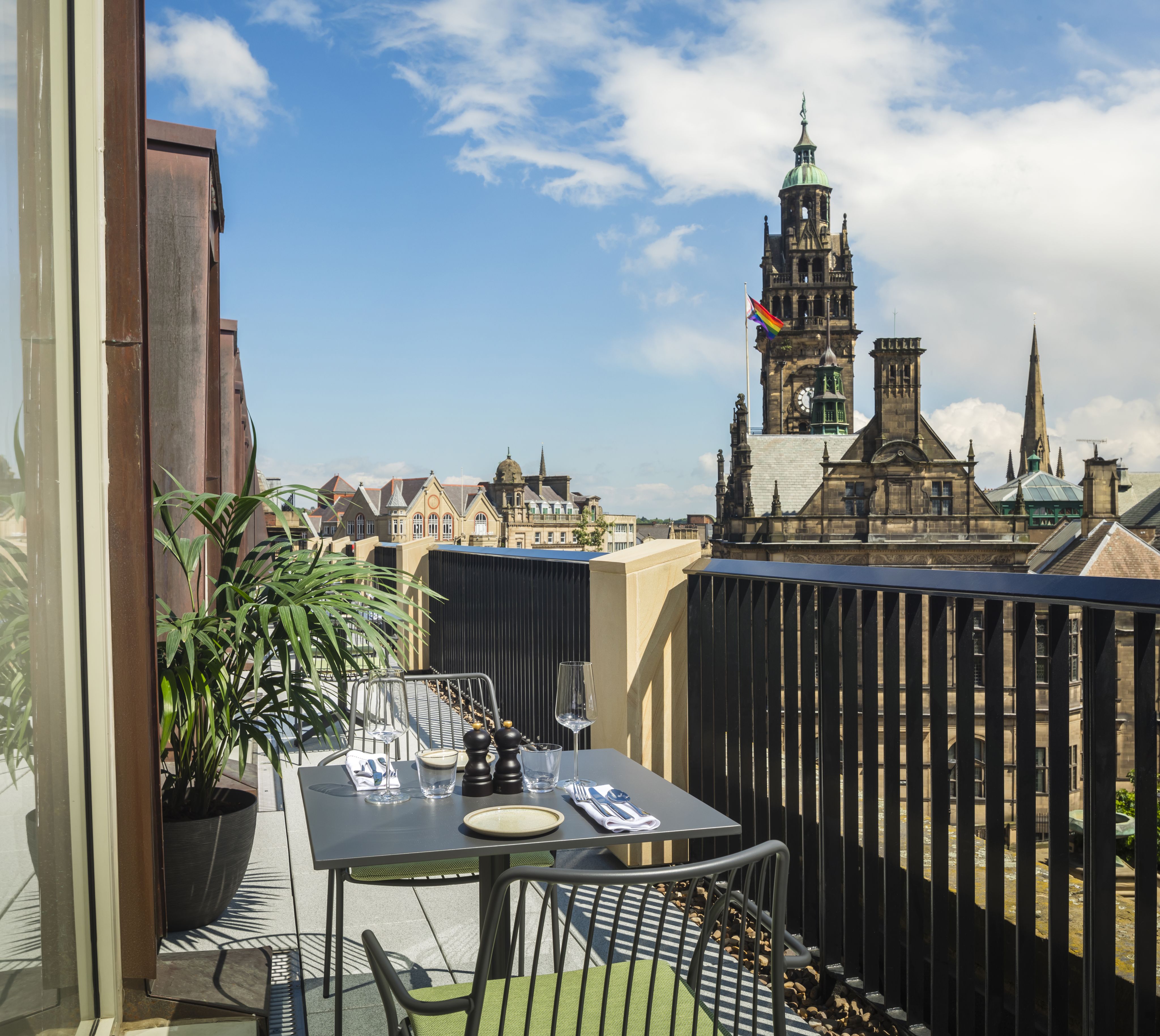
I stayed at the Radisson Blu, the city centre hotel opened this year and provides 154 modern rooms with picturesque views of the Peace Gardens and Town Hall. The multifunctional meeting spaces can host up to 280 across six meeting rooms with options for exclusive event access, while the hotel also boasts a gym, and Indian restaurant and an outdoor roof terrace, all within a Scandinavian design.
It’s been a good year for bedstock in the city, with August also seeing the opening of the DoubleTree by Hilton Sheffield City, right next to Sheffield United’s Bramall Lane stadium. The hotel features 155 guest rooms and five event spaces with the largest, the 283 sqm Oak ballroom, capable of hosting up to 300 people. It also has something of a coup, having been chosen as the first Hilton to feature the brand’s new signature dō deli bar and restaurant concept. US hotel veteran James McDevitt is at the helm as general manager, with his expertise and drive showing the brand’s belief in Sheffield’s potential.
Sheffield City Hall is the main city centre event space, with a packed schedule of concerts in the main hall alongside conferences and gala dinners in the stunning downstairs ballroom and smaller event options in the cosy crescent-shaped Memorial Hall. The venue hosts up to 300 business events a year, with a 2,271 capacity in the main Oval hall auditorium and banqueting for up to 400 in the ballroom. The intimate, crescent-shaped Memorial Hall also makes a fine venue for smaller events of up to 420.
The University of Sheffield hosts more than 40,000 delegates a year at more than 1,000 events. Its newest space, The Wave launched in 2023 and features a host of compelling event options; there are three large theatres on the ground floor, the biggest of which holds up to 400 guests, and a further two upstairs, each with capacity for 120 guests. The bright and airy atrium, reminiscent of the British Museum, can also be used as an exhibition space. The Wave’s ground source heat pumps help make it the most sustainable building on campus, and has contributed to the University of Sheffield being ranked in the top 10 in the UK for its work on sustainable development.
Elsewhere on campus, modern event space and restaurant Inox is one of Sheffield’s most flexible conference venues. Three contemporary suites boasting an adaptable layout can host up to 150, while a range of smaller meeting rooms are ideal for training and business meetings. The restaurant serves up delicious modern British cuisine, with a popular afternoon tea option.
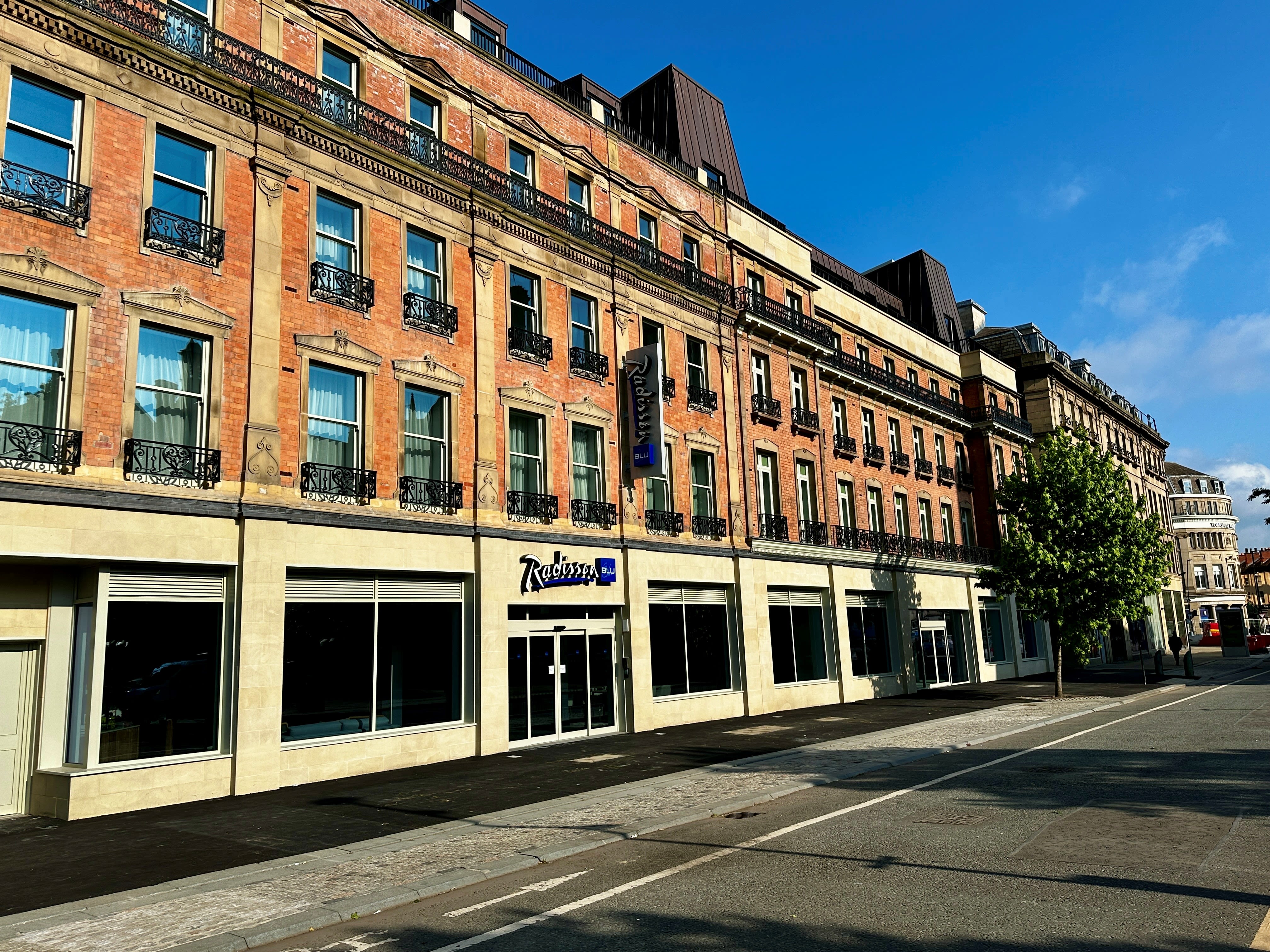
Radisson Blu Hotel, Sheffield
Radisson Blu Hotel, Sheffield
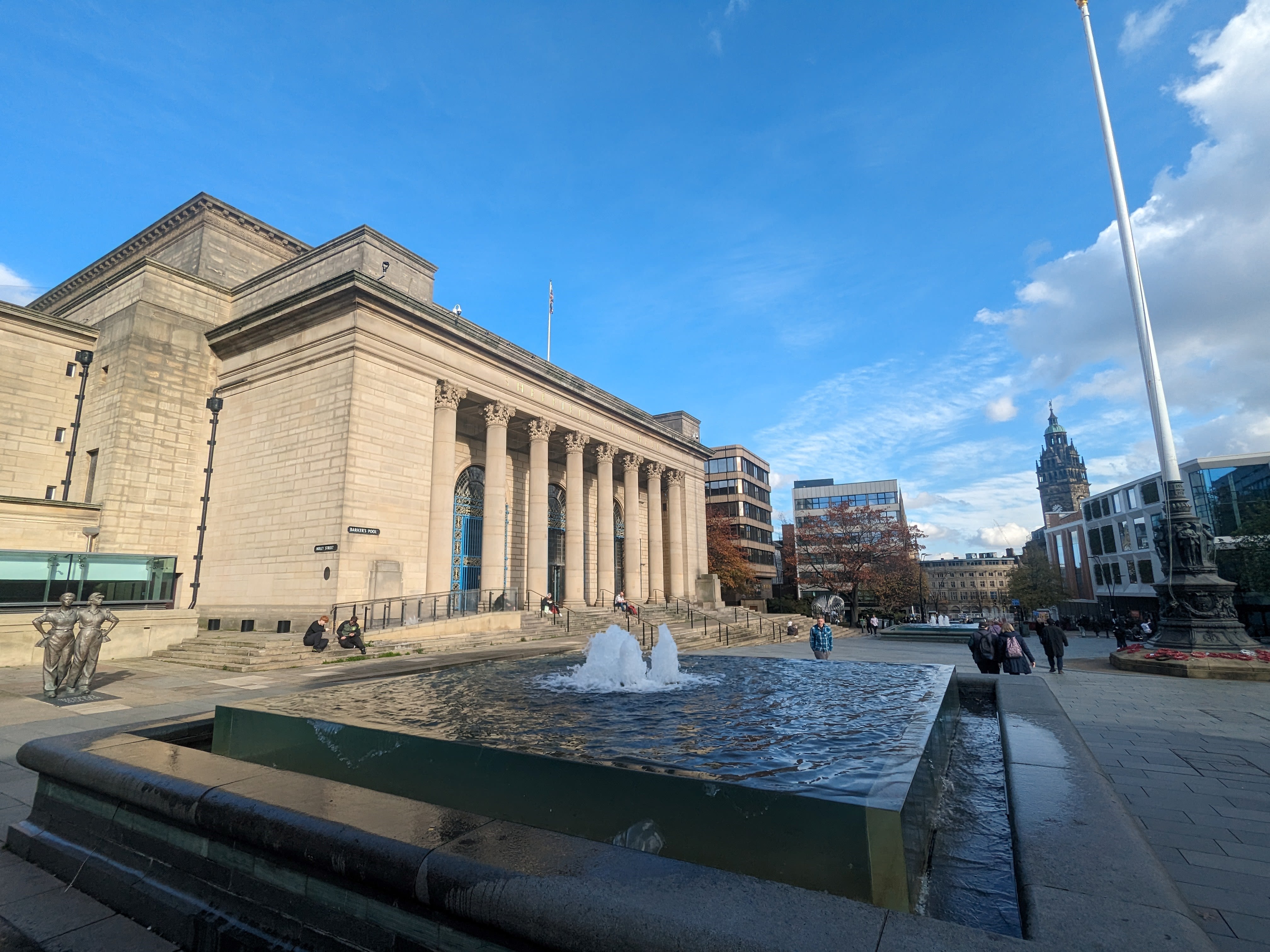
Sheffield City Hall
Sheffield City Hall
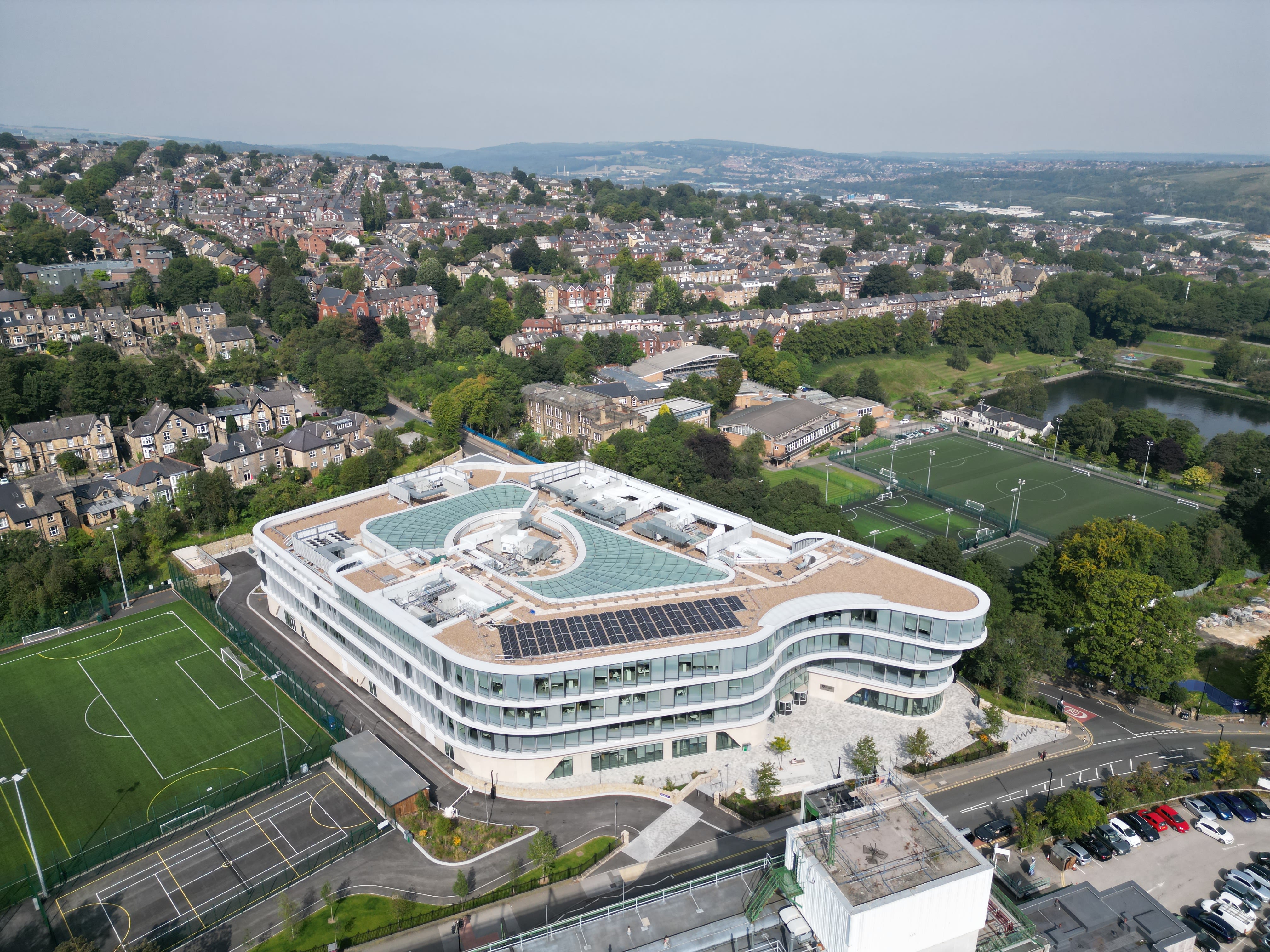
The Wave, University of Sheffield
The Wave, University of Sheffield
View from the bureau
Emma France, manager of Marketing Sheffield
“Sheffield is one of the most exciting cities in the North for event organisers after a £470 million physical transformation of the central area only a short walk from the station. This has added some top brand hotels into the venue mix along with lots of experience-led destination food venues, satisfying the increasing demand for venues combining interesting networking spaces with hospitality. Lots of these venues have social impact close to their hearts with real life initiatives changing people’s lives which can easily be integrated into any style of event.
“A culinary and cultural melting pot, Sheffield is a city that wants you to enjoy all that it has to offer. The city’s #TeamSheffield approach means you are supported at every stage in achieving just that by experts in the industry. If your clients are telling you they want something a bit different, you might just find it here in Sheffield.”
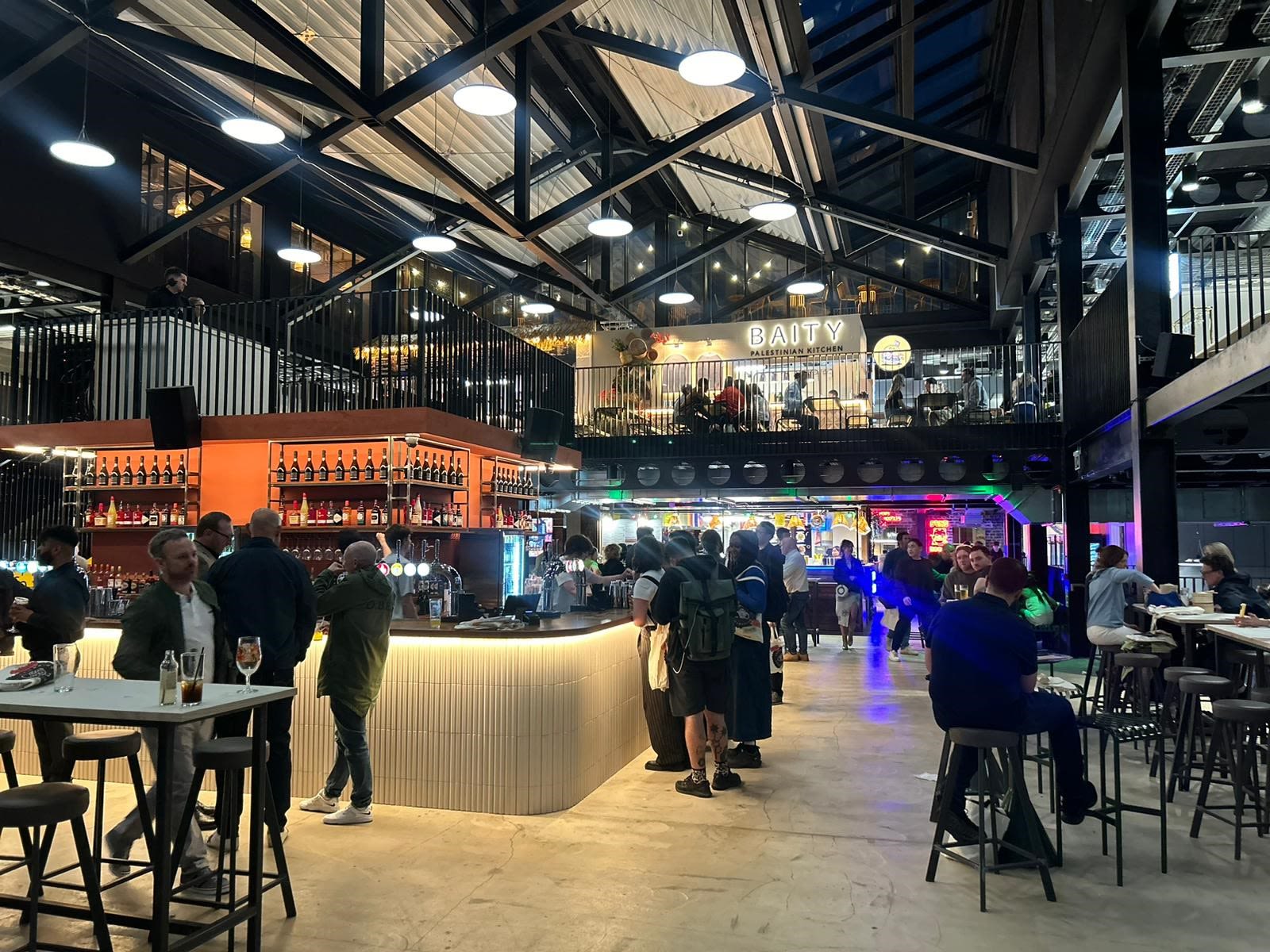
Cambridge Street Collective
Cambridge Street Collective


 Built with Shorthand