How to ...
Get socials right
We asked Chloe Richardson, content lead at the Event Leaders Exchange, how to master the platforms and make your social media mark.

From post-event ripples to LinkedIn triumphs, social media is an essential part of every event planner's toolbox...
Let's talk general strategy
Social media and social listening are critical to the events industry. Not only does it allow us to stay connected as an ecosystem, and therefore use the collective events brain to drive the industry forward through shared best practice and learning, but it also provides a platform for our audiences to engage in our content outside of the event.
This engagement goes both ways, social media allows us to be connected to our market so we can collect more data around their sentiment of our events, helping us to improve our design and invest more intelligently.

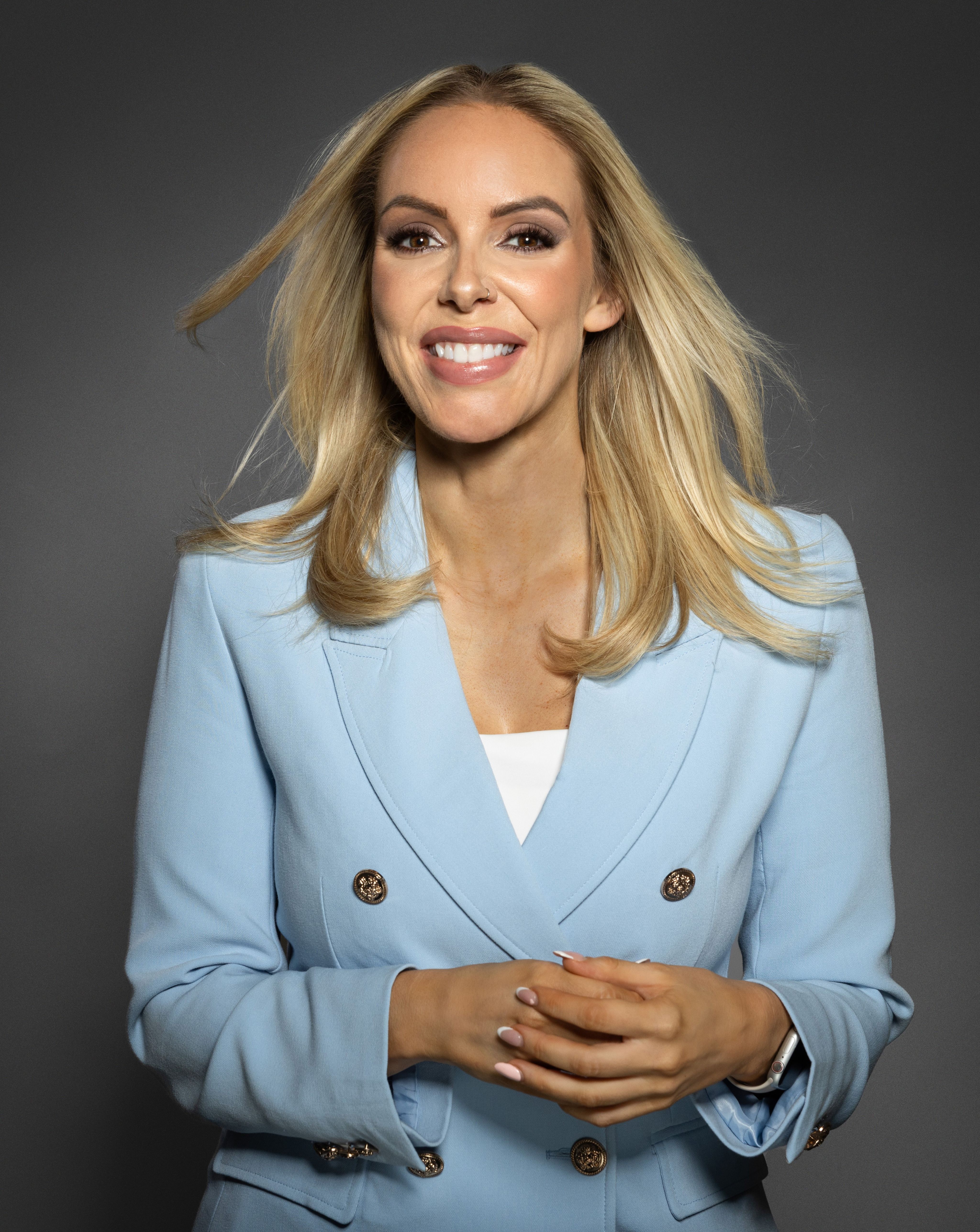
Chloe Richardson
Chloe Richardson
What platforms do you find most effective for promoting events and why?
It all depends on your audience, so there's no off-the-shelf solution. Before drafting your social media strategy, you need to ask yourself:
- Who is my target audience?
- What are their challenges and priorities?
- How do they like to be communicated with?
- Where do they tend to reside when it comes to social media connection, engagement and communication?
If you answer these questions, you’ll be signposted to the best platform(s) and social channel(s) for your audience and your event as a whole. However, if it’s a B2B audience and you’re not leveraging LinkedIn, that would ring alarm bells.

"We need to move away from posts that suggest things are always easy"
Personal branding
In order to drive a sustainable personal brand with authenticity, it’s really important that you have a clear focus so your audience knows who you are and what you’re about. The 5 Cs are the foundation for this:
- Care – Know why you’re posting and align yourself with core themes that matter to you. I would typically recommend between two to three overarching themes, so you’re not restricted in your posts, but you’re focused and your followers know that you’re the go-to for certain topics.
- Curate – Share things worth reading that support those themes; whether it be the posts of others, news articles, videos or photos.
- Create – Say something new. Say it clearly. Take your core themes to a new level with original content, and post your own opinions on your key themes. This will elevate you as a real thought leader with a strong personal brand.
- Connect – Add people. Accept invitations. Broaden your network. Remember - LinkedIn has the social ripple effect, and your network is actually your network’s networks, so don’t limit connection numbers for the sake of it. You can have up to 30,000.
- Consistency – You don’t need to post daily. Just don’t go silent for three months, or people will forget that you’re there and become less interested in following you.
How can professionals showcase their expertise without being overly self-promotional?
It’s really important to maintain a level of realism. We need to move away from posts that suggest things are always easy or that we never get things wrong.
If you combine authenticity with the above framework that aligns you with two to three core themes, you’ll find a perfect blend of sharing your knowledge and expertise without coming across as patronising. With a platform like LinkedIn, showing rather than telling is always much more effective. Absolutely, from time to time, you’ll want to highlight a service, solution or product that you offer, but this should be infrequent and combined with giving value to your audience in other ways. That will establish you as a credible expert.

After an event ends, how can we use social media to maintain engagement and prolong the event's impact?
I recently did a session on how attendees forget on average 50 per cent of event content within 24 hours, and 90 per cent one week later.
Social media is a perfect opportunity to reiterate these messages through varying formats (reels, highlight posts, articles, post-event interviews, on-demand content snippets), and is a critical component to improving event memory and turning the impact of an event from just a drop in the ocean to a long-lasting ripple effect.

"AI is not 100 per cent accurate, and having a human eye on the content will always be critical"
Tools and analytics
There are loads of tools out there - for individuals, I tend to suggest sticking to LinkedIn tracking and measuring engagement trends. For others (and those with a small budget), there is Hootsuite (which I started using in 2012), and many CRMs now integrate with social media analytics tools. I would suggest that people see what’s available in their current tech stack before spending more money. However, tracking results is absolutely imperative - so make sure you don’t forget it.

Challenges and pitfalls
The biggest mistake an event professional can make is worrying too much about impressions and negative impact, so that they don’t post at all. If it’s a discussion you’d happily have in a professional environment, then it’s social media-friendly.
It’s such a great opportunity to engage with your target market and give value back to your audience, so as long as you align yourself with your key themes and are authentic in your writing, then you have nothing to fear.
Before I post anything, I ask myself - is this authentic, do I believe in the message and would I feel comfortable saying this in a room of my professional peers? If it’s yes, then I post it, and have my risk mitigation strategy in place to control the external factors.