
How to look after your feet during conference season


Conference and exhibition season is well and truly upon us. With IMEX Frankfurt at the end of May, closely followed by The Meetings Show at the end of June.
While we all love this opportunity to connect, learn and do business, the days spent walking around convention centres can take a toll on our legs and feet. So, foot-care expert, Christophe Champs, founder of PODO Clinic and Workshop, has shared his top tips on caring for your legs and feet during conference season.
Include stretches in your morning routine

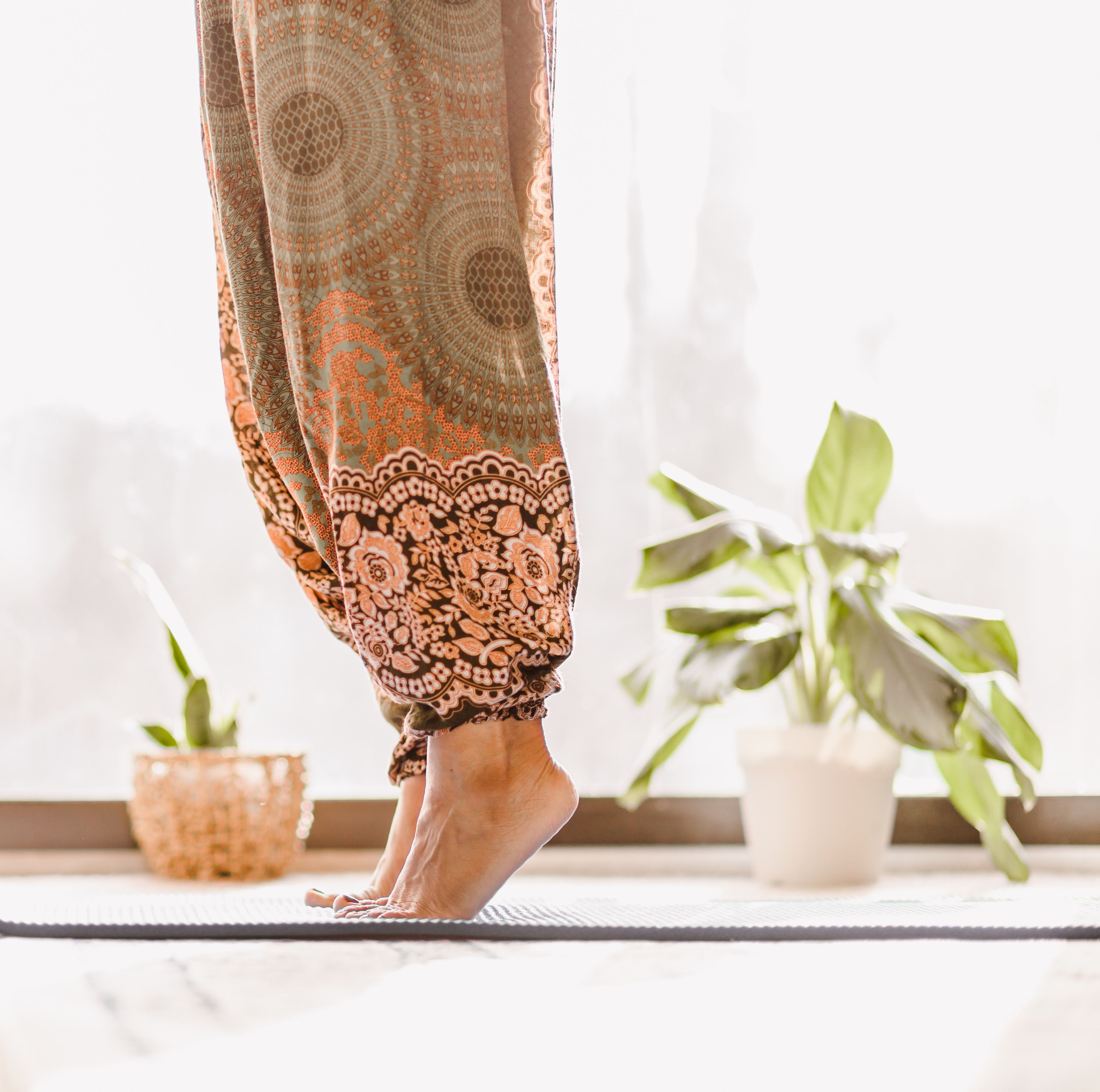
Your feet and legs will benefit from daily attention, such as stretching exercises and gentle manipulations. Depending on how you slept, you may need more stretches for your back, neck, and shoulders too. Listen to your body and stretch and mobilise accordingly.
As two mornings are never quite the same, adapt your morning routine as necessary, but, most importantly, keep in mind that the benefits of a good routine come from consistency so don’t stop and start, do something every day if you can.
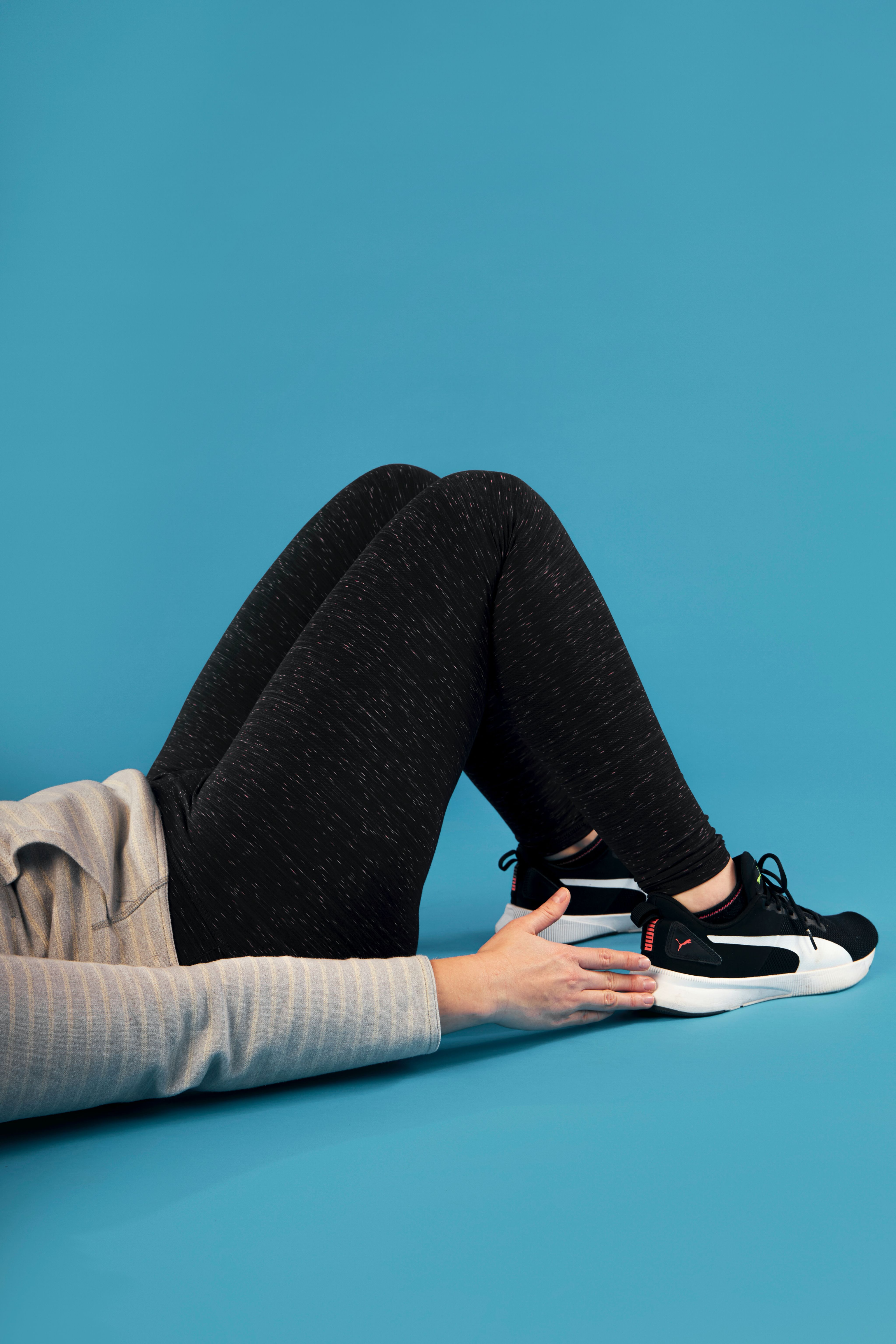
Here’s how from the comfort of your bed:
Move your toes to activate your intrinsic muscles (those contained within your foot).
Manipulate those toes to prevent any toe deformations (such as bunions, hammer toes) becoming unreversible, which can happen when joints are seldom manipulated.
Move your ankles to stretch the extrinsic muscles (those outside your foot, which are connected to your lower leg and help control the foot), doing the alphabet with the point of your feet, for instance, is a good way to ensure a complete range of movement.
Spread your toes wide and push your heel as far down the bed as you can, as though you are trying to elongate your body and grow a few inches.
There is no need to set an alarm earlier or disrupt your normal routine. Five minutes is enough and I promise it will feel like the best investment of the day.



Look after the skin and nails on your feet

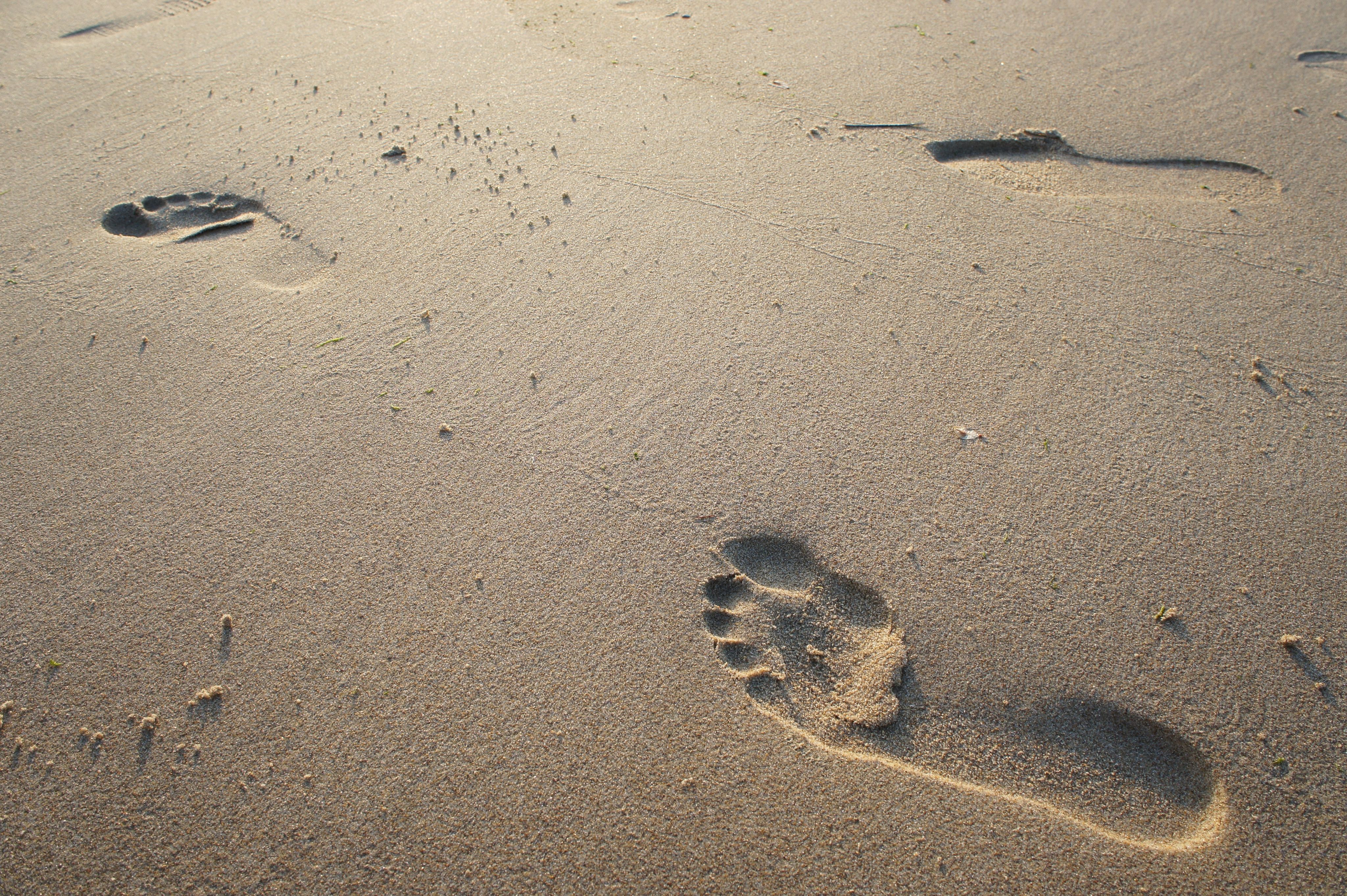

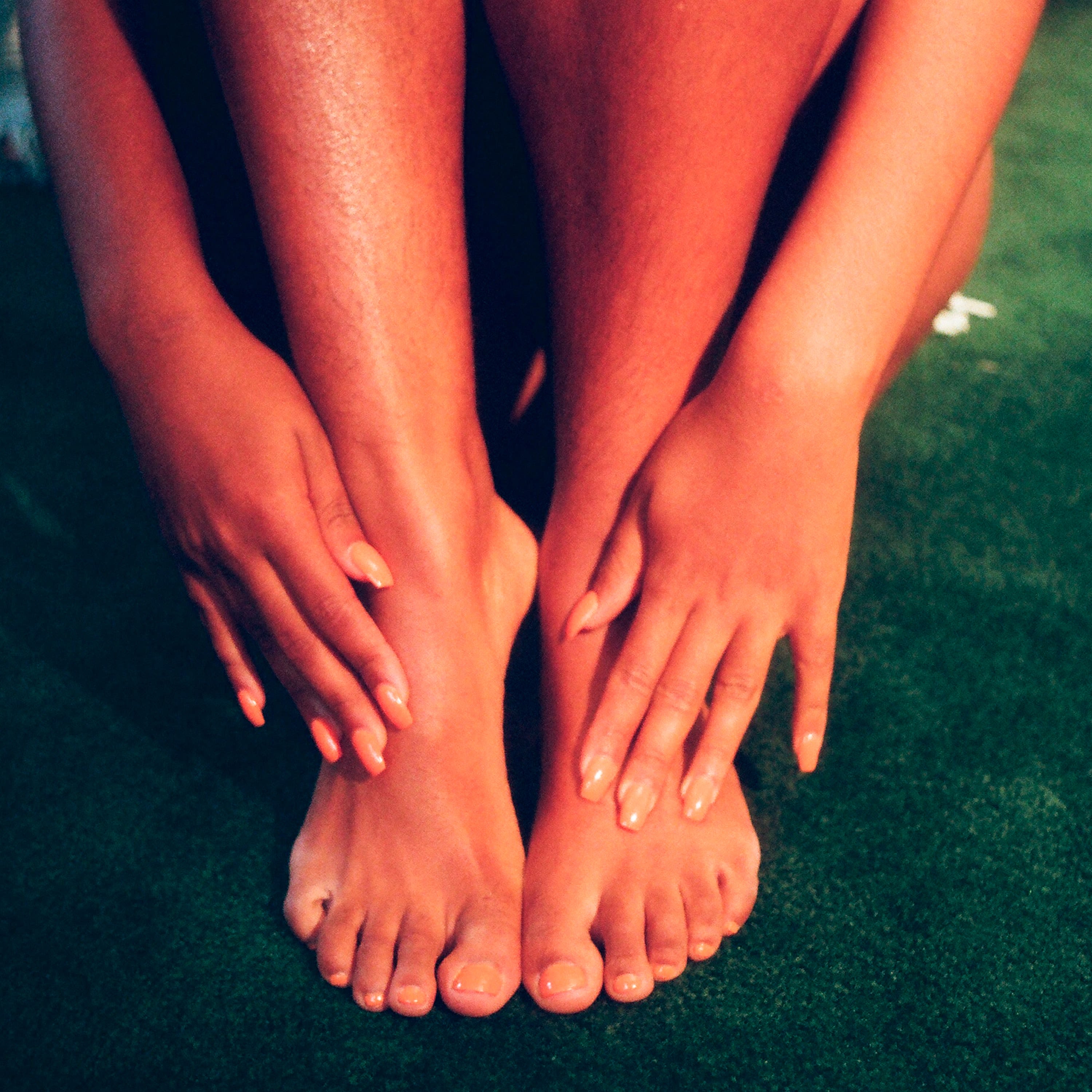
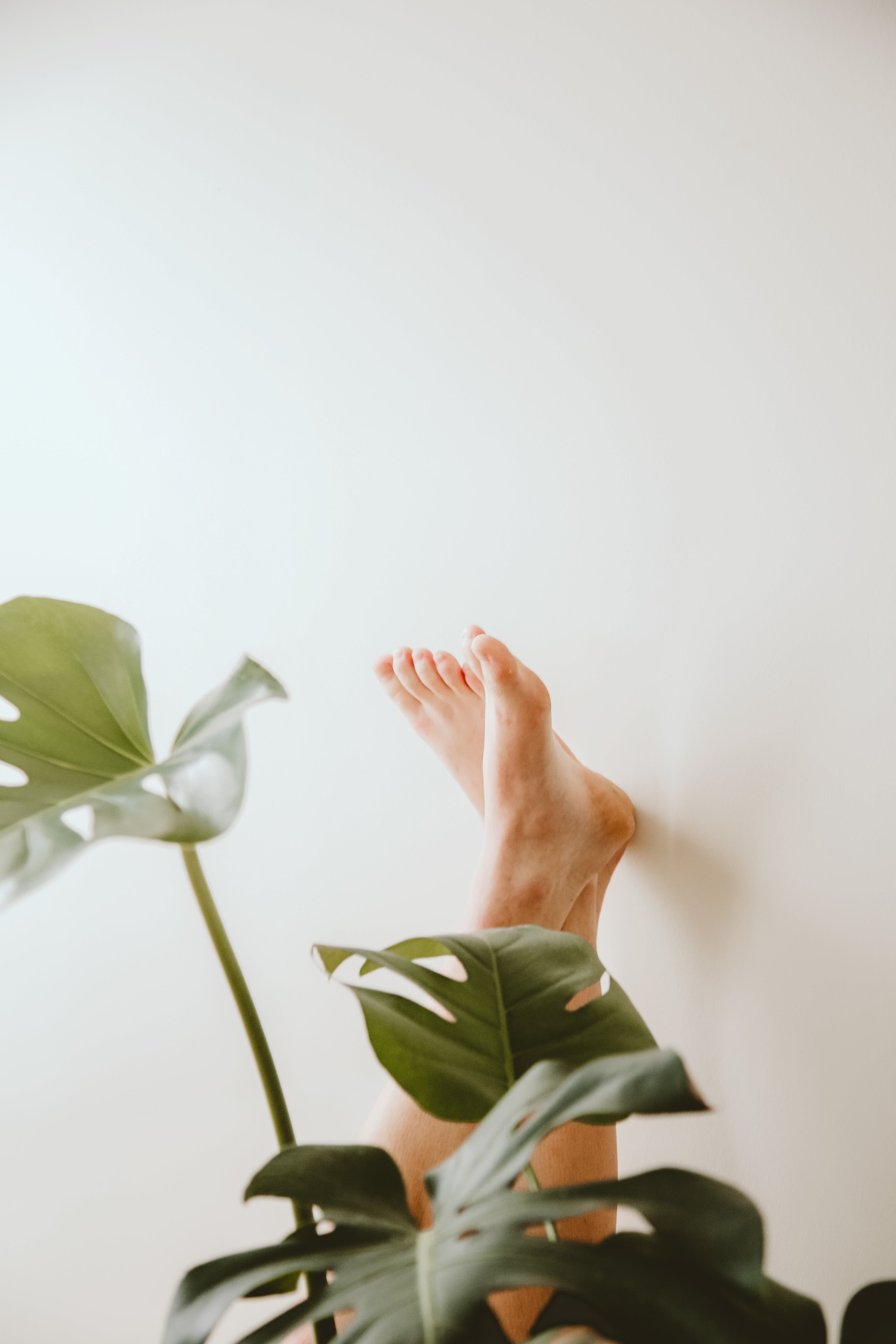
Problems can come from various sources such as your own body (for example, excessive perspiration), your work environment (too warm, too cold, too wet) and the material used to make your footwear (limited space, no breathability) to name but a few.
Therefore, it is essential to remember that the skin and nails on your feet need to be nourished, moisturised, dried, kept warm and allowed to breathe.
Use a cream that is specificality formulated for your foot skin, which is much thicker than that on your body or face.
Talcum powder is a massive game changer; use it in shoes when you don’t wear socks or between the toes if you don’t want to end up with athletes’ foot.
Keep your nails short, smoothing the corners to make sure you leave no spur (which, once in your socks and shoes could penetrate the surrounding skin and cause ingrown toenails and subsequent pain or infection).
If your feet tend to perspire, take a spare pair of clean, dry socks to change into in the middle of your shift – both your skin and nails will quickly look, feel, and even smell better.
Up your daily shoe care game

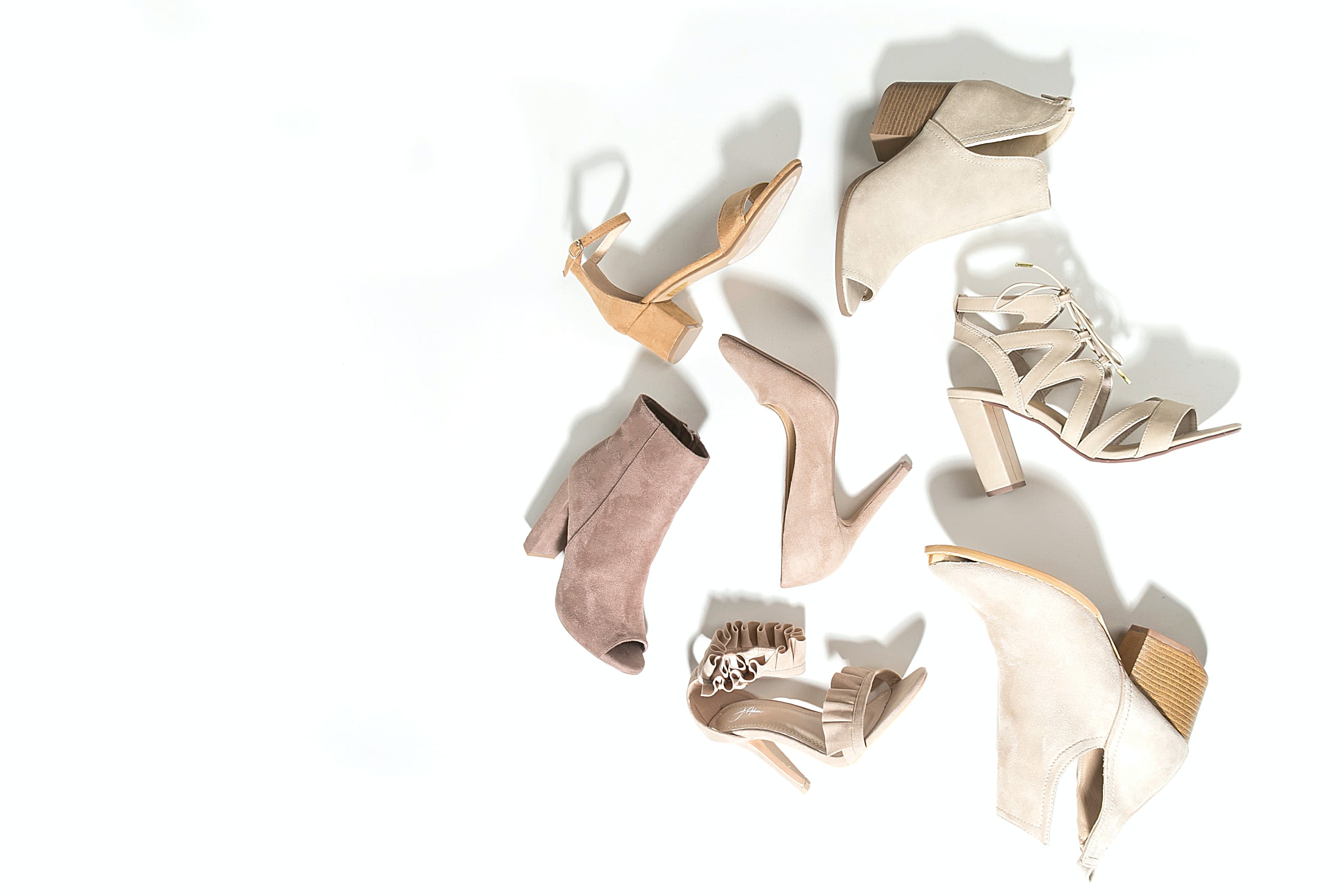
The state of your shoes gives away a lot about your personality and hygiene. Shoe care helps you to look better and feel better.
Besides, expecting shoes to last without taking care of them is not reasonable. Sweat, rain and mud all make our shoes dirtier than a toilet seat. And a cycle in the washing machine and tumble dryer won’t help as that will negatively affect the glue and stitching, while also making the shoes shrink.
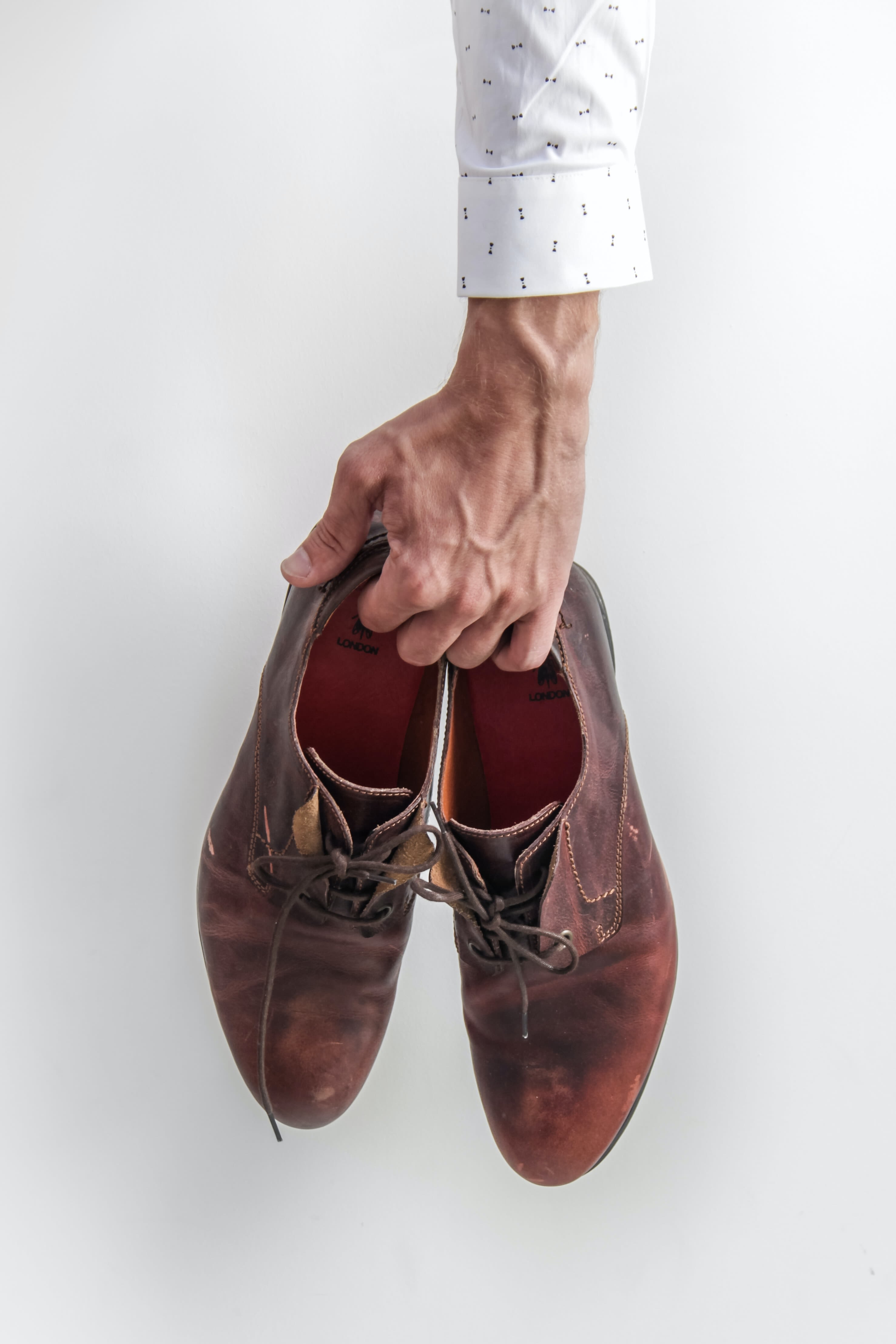
Rotating your shoes is always a good idea as, after 12 hours of abuse, they might benefit from a day off. However, if you are not a shoe shopping addict and spend your week in the same pair, then make sure you nail the following tips:
Leave a wooden shoe tree in your shoes overnight, to avoid the leather crisping and cracking and subsequently allowing water to come in.
Choose a hard wood shoe tree (as opposed to cast-iron or plastic) as this will absorb the humidity of your perspiration, the rain or the shoe polish you have just applied.
Polish in the evening. Polish products can make your footwear humid, while your skin and nails would prefer a dry environment for as long as possible. So, polish your shoes in the evening, then they will be dry when you put them on in the morning.
Check the heel and overall shape of the footwear. Surprisingly, this not only protects your feet and legs but all your joints up to your neck. This is because any shoe that is out of shape will mislead your feet – your only foundation. The consequences will impact all the joints above: ankles, knees, hips, back and neck. And even if you have orthotics, they are pointless in a pair of shoes that misleads them. You will waste time and money, and they will not correct your discomfort.
Replace any broken part. Broken laces must be replaced, and shoes with worn down heels must be re-soled. If you want to save on buying new shoes, then keep an eye on the ones you have and make sure you know a good cobbler.

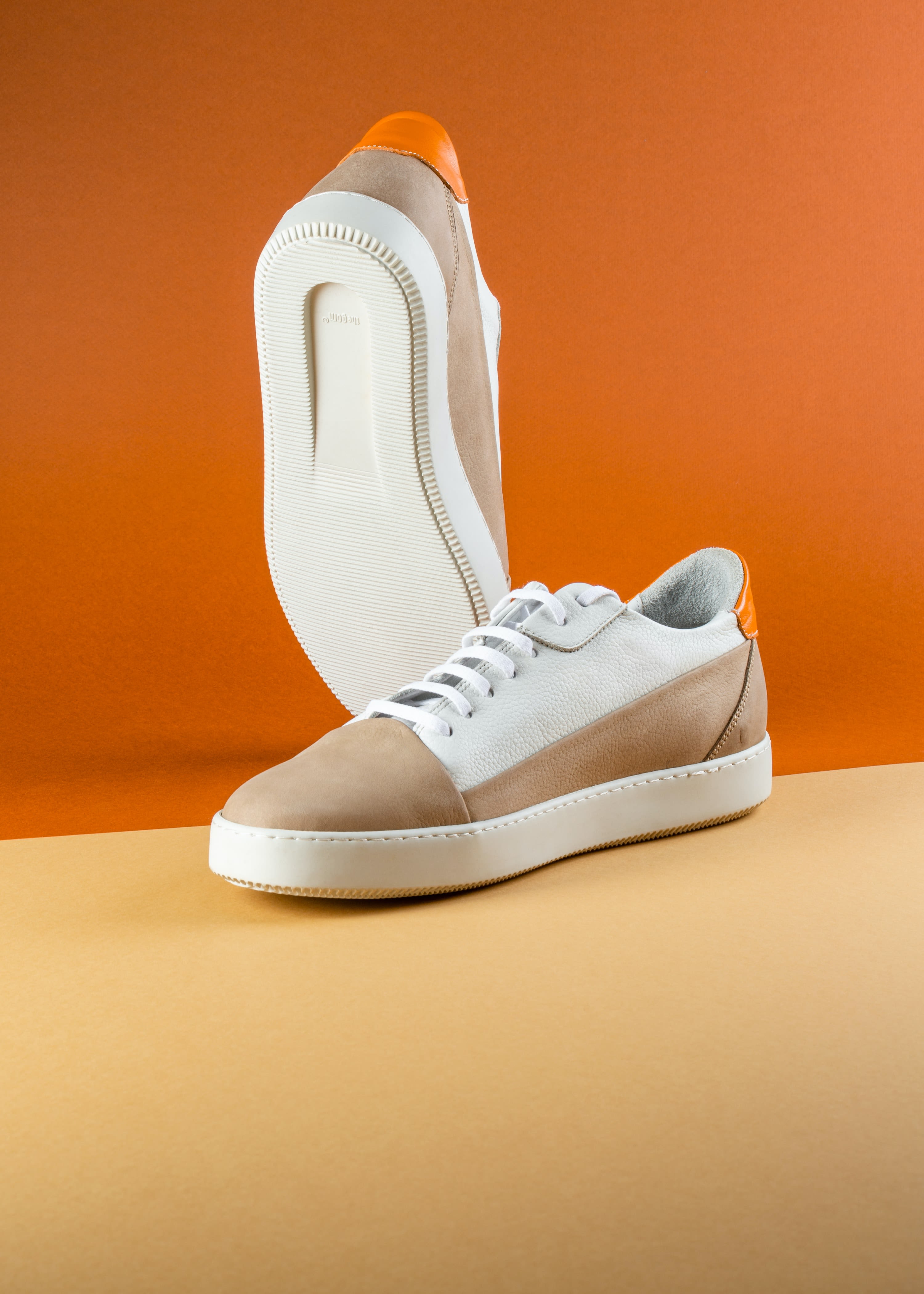
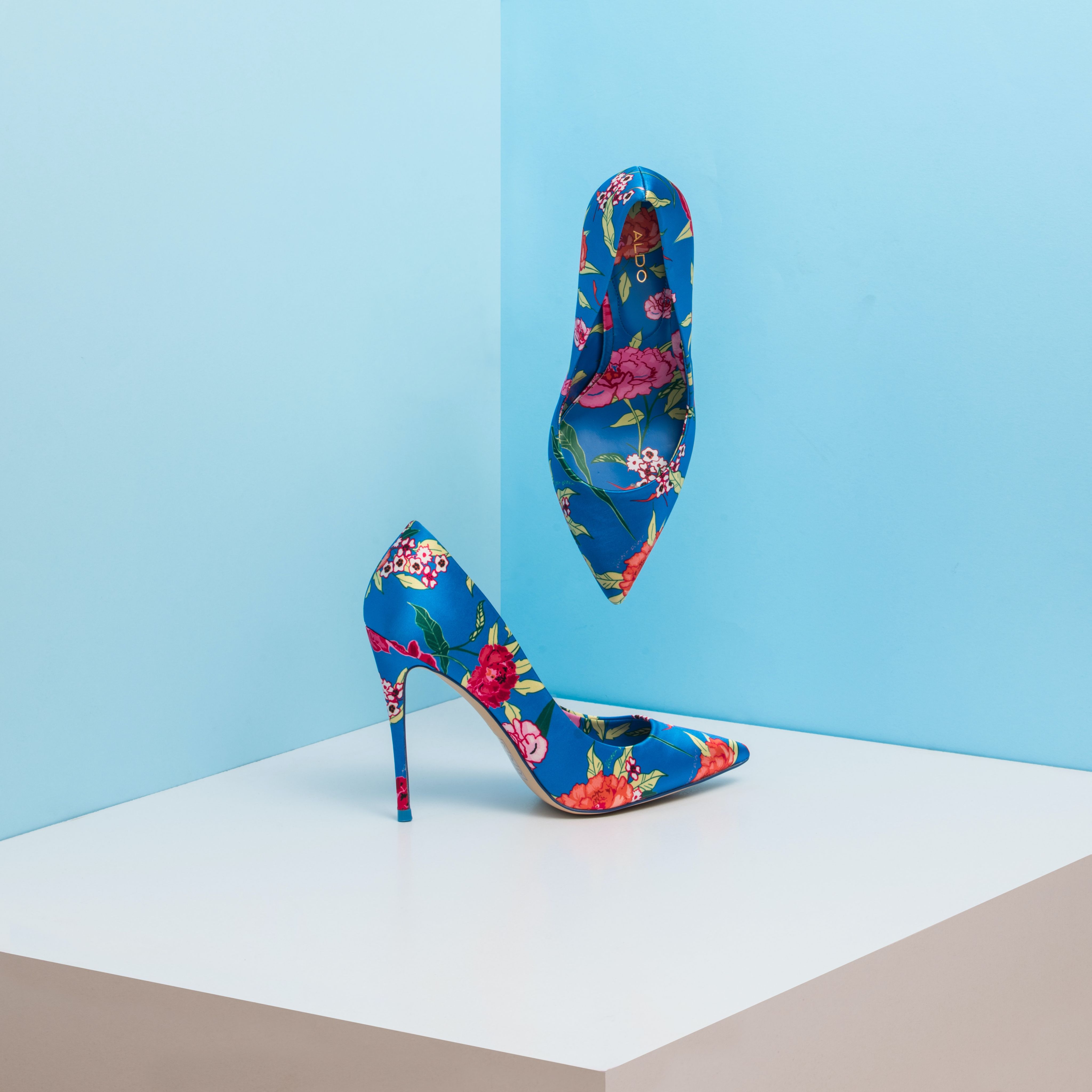
Take a relaxing walk

As much as sitting for hours isn’t great, standing still or stepping around in closed spaces on hard floors is also quite damaging for your joint health, not to mention your blood and lymphatic flows.
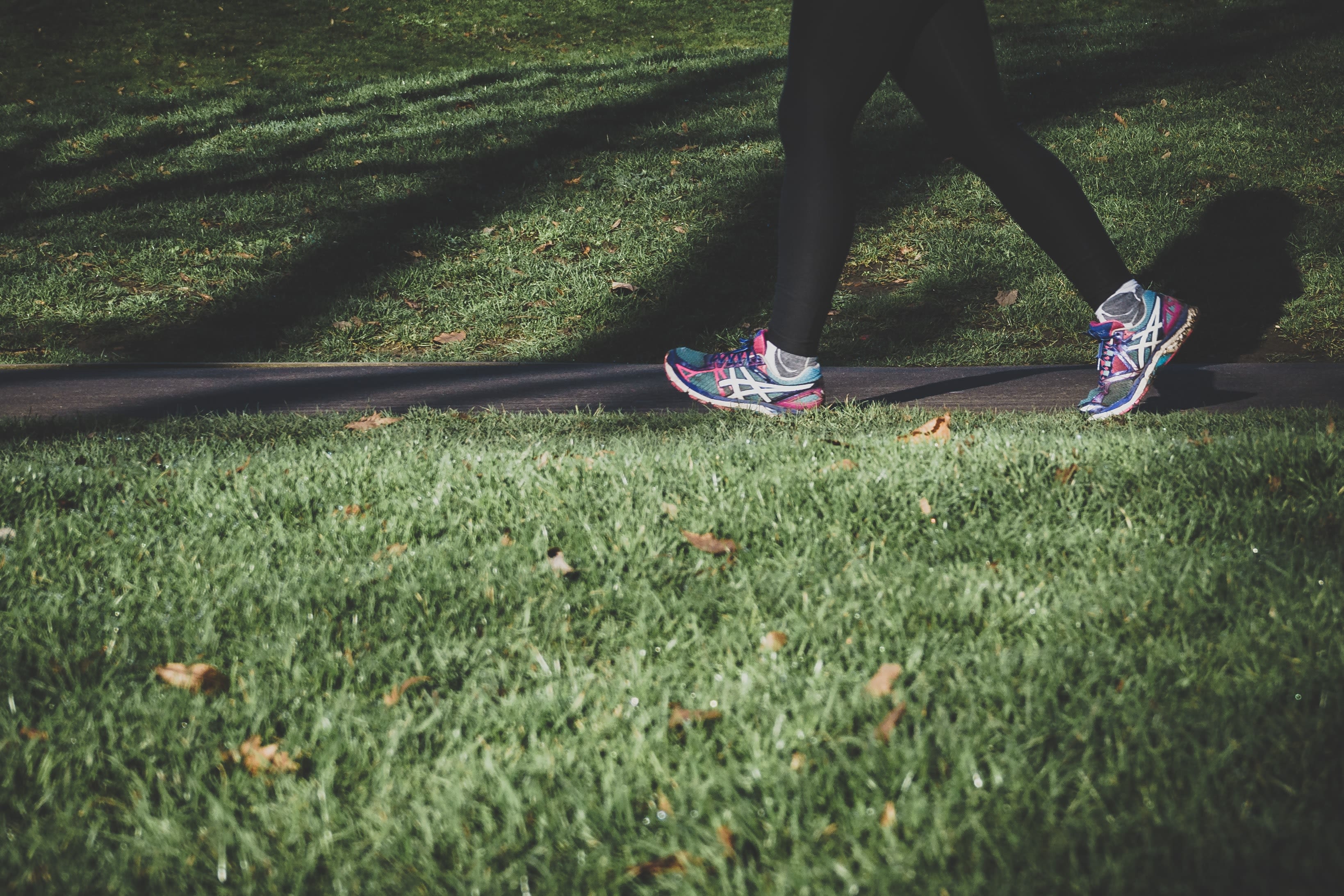
For better blood flow and to fight that common heavy leg sensation, go for a walk at the end day to allow your arms to swing and offload the bodyweight being applied to your feet and legs.
About the author


Christophe Champs is an expert in Biomechanics, and the founder of PODO Clinic and Workshop. Christophe works with clients to help address postural and biomechanical issues that are causing pain or putting a client at risk of injury.
 Built with Shorthand