
Three event planning practices to leave in 2023
By Laura Chalcraft, operations director, Sledge




Laura Chalcroft, operations director, Sledge
Laura Chalcroft, operations director, Sledge
As with day-to-day life, when it comes to event planning, we’ve all got our own ‘icks’ and preferred ways of working, from how we approach the strategy and collaborate with clients, to the ways in which we curate our teams, and develop our budgets.
In many instances, there’s no clear cut definition of the ‘right’ or ‘wrong’ way. However, as we hurtle towards 2024, there are a selection of practices that I predict will become non-negotiables, not only on an individual or agency level, but an industry-wide one.



Practice 1
Steering clear of sustainability


While some of us might not be prioritising this right now, it’s going to be an absolute must moving forward, and must be taken seriously.
This is because protecting the planet and considering how our actions can positively impact others is a shared responsibility – one where even the smallest changes on a micro level, can have a big impact on a macro level. Furthermore, clients increasingly look to strategic partners who have firm sustainable policies in place, along with a proven track record of translating them into action.

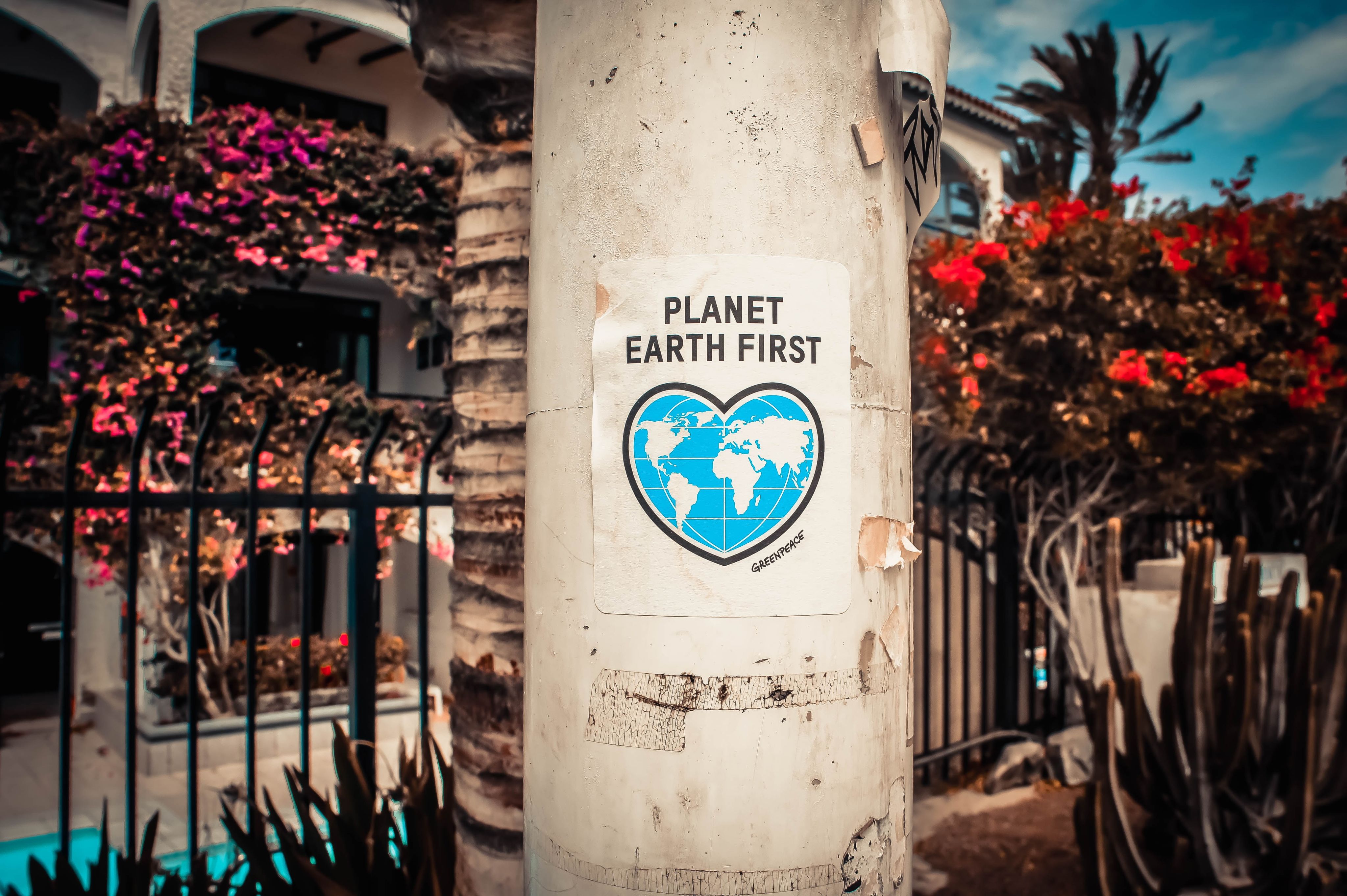
Photo by Photo Boards on Unsplash
Photo by Photo Boards on Unsplash
It’s key that as organisations we all reconsider our operations and our processes, and explore real, tangible ways to both evolve, and develop or enhance our sustainability commitments. It’s vital here, that leaders actively involve their people every step of the way, too.
This should also flow onto project work. Rather than be treated as an afterthought or a nice to have, we need to include sustainability related recommendations in pitches and proposals as standard, and highlight the importance of taking such actions from the very beginning, even if they might cost more, because: can we really put a price on the planet, and doing our bit from a social responsibility perspective?



Practice 2
Avoiding the strategy piece
The event strategy: it’s one that’s often overlooked in favour of the big creative idea. However, flawlessly executed creative really must be backed by a sound strategy, one that is directly linked to the event and brand’s ‘why,’ and perhaps most importantly, the mindset and sentiment of its target audience.
With so many external pressures facing us all right now, from rising inflation levels and ‘always on’ schedules, to global unrest, gaining and unpacking real audience insights and data should be our first step, and the findings from these exercises then used to shape the creative.

Photo by Melanie Deziel on Unsplash
Photo by Melanie Deziel on Unsplash
The analysis doesn’t stop there, either. Gathering further data via activities such as post-event surveys and Q&As is vital for determining whether the experience was meaningful, memorable and relevant to delegates, and the measurable metrics gathered can be used to develop the creative and programme for future events.
Essentially, it means that those that don’t treat and position strategy development as a formalised service could get left behind.



Practice 3
A lack of commitment to technology
An effective event is the sum of many parts, and this includes technology in its many guises. Importantly, though, we must avoid a tech for tech’s sake approach, and incorporate a shiny new gadget or tool for the kudos and credibility, rather than the suitability.
This too, ties in with the role of the strategy, in that uncovering how tech savvy attendees are, or exploring how a particular tool can genuinely enhance their experience – while also reflecting the client’s goals, should ultimately underlie the approach here.


When applied in this way, technology can be powerful for a number of reasons. There’s the content angle, in terms of its ability to amplify an event before and after; the way that motion graphics can engage and help to tell a story; and the effectiveness of the likes of virtual reality when it comes to connecting guests near and far and providing a behind-the-scenes or in-depth look at a product or process.
Consider also, how artificial intelligence can create more accessible events, whereby information can be shared in multiple languages, all in real time, and its ability to analyse unique delegate data and personalise their entire experience, from the registration right through to post-event survey phase.
Meaningful change
While I’ve only touched the surface here, as event professionals it’s important that we change with the times, in terms of the climate emergency, the world around us and attendee expectations as a result, and technology advancements.
Prioritising these elements in 2024 and beyond will not only see us produce more meaningful and memorable events, it will elevate our profession and sector as a whole, while enabling us to do good work, which also benefits others on a local and international scale
 Built with Shorthand