
Eurovision: the ultimate hybrid event?
When Sweden’s Loreen was confirmed as the winner of Eurovision 2023 in Liverpool, it was the culmination of a whirlwind year for all involved - and what may well have been the biggest hybrid event ever staged...
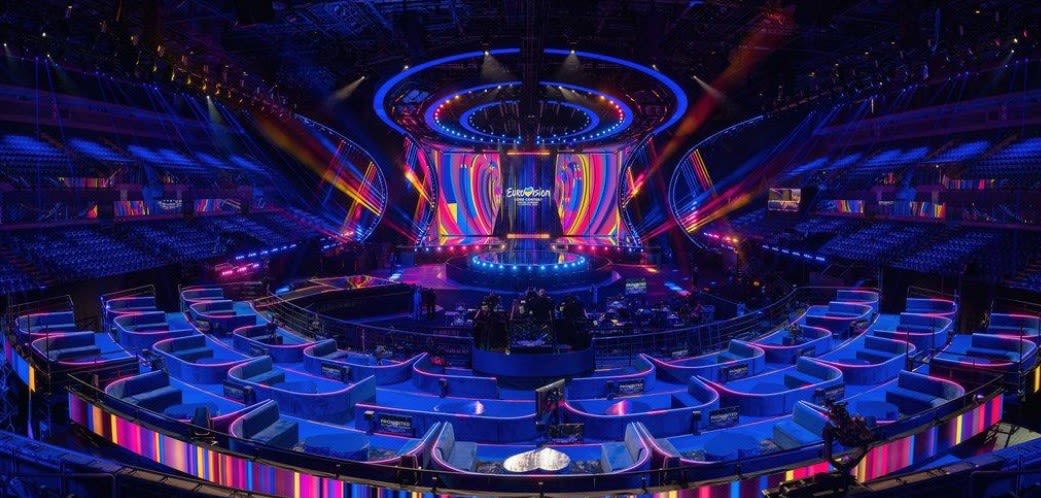

I’ve been a Eurovision fan my entire life.
Growing up, the annual song contest had the same status as the FA Cup Final or the Queen’s Christmas message; whatever happened, we’d be watching. There were no lazy “nul points” jokes in our house, this was an important event in the calendar.
Therefore, when I got invited to attend one of the nine live shows at the M&S Bank Arena in Liverpool, it was an utter thrill – and an opportunity to finally see in person an event I’d been watching on television for more than 30 years.
With Liverpool hosting on behalf of last year’s winners Ukraine under the theme "United by Music", it promised to be one of the highlights of the UK event year, and it didn't disappoint.

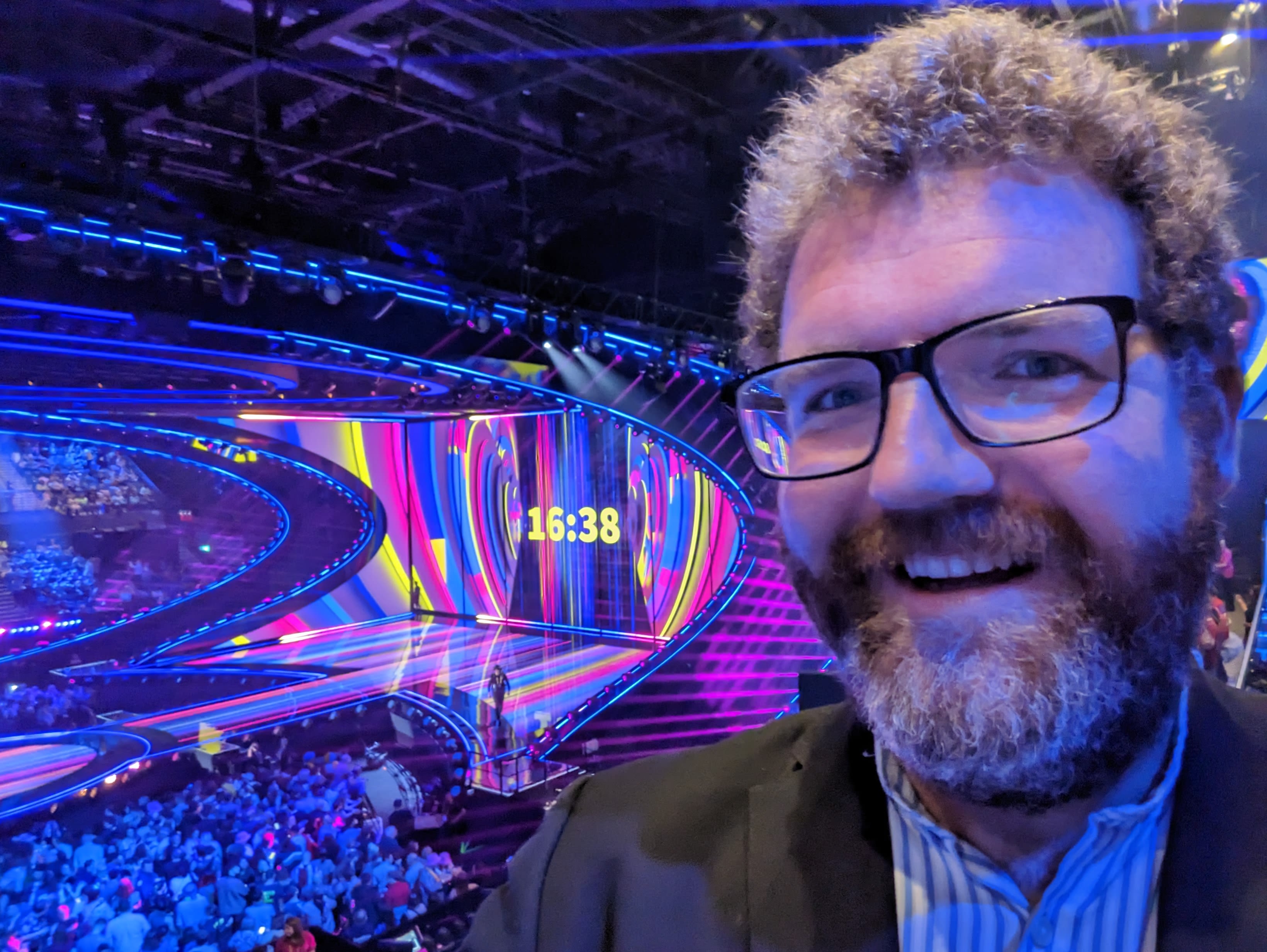
Arriving in Liverpool on Thursday morning for the dress rehearsal of the second semi-final, it was immediately clear how much the city had embraced the contest. Having done my journalism training in the city back in 2008 when Liverpool was the European capital of culture, I already knew that the city was an inspired choice of Eurovision host; this is a place that knows how to throw a party and loves having the eyes of the world on it.
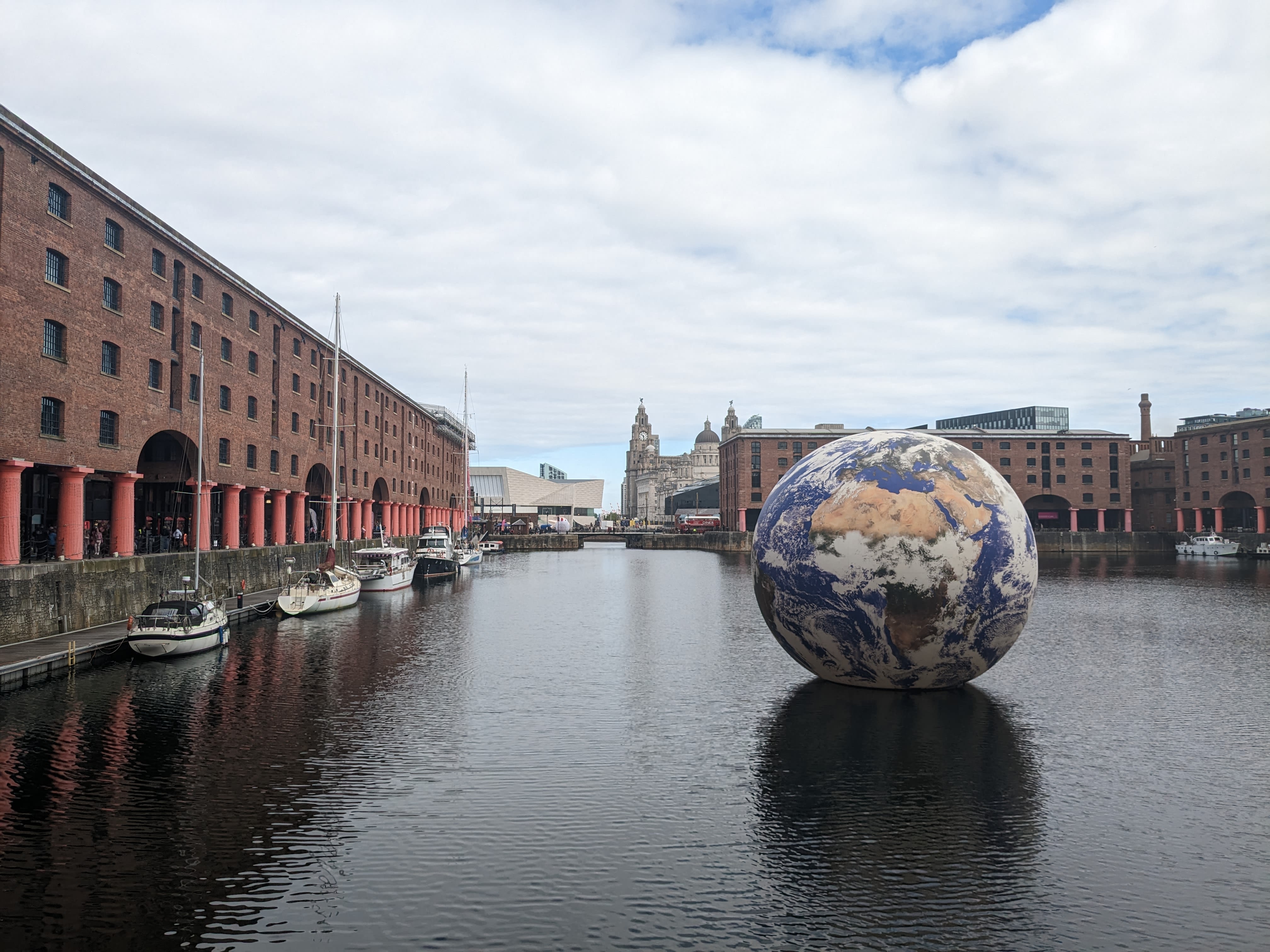
But there was also a strong sense that the country that was meant to host was still at the heart of the event; the blue and yellow of the Ukrainian flag was festooned everywhere, plentiful Ukrainian food and drink, and specially-commissioned artworks from Ukrainian artists, most memorably the giant inflatable Floating Earth bobbing around on Albert Dock.
It was barely 10am and the whole of the city’s waterfront was buzzing, from the venue itself to the people milling around the Albert Dock and the Eurovision village on the Pier Head.

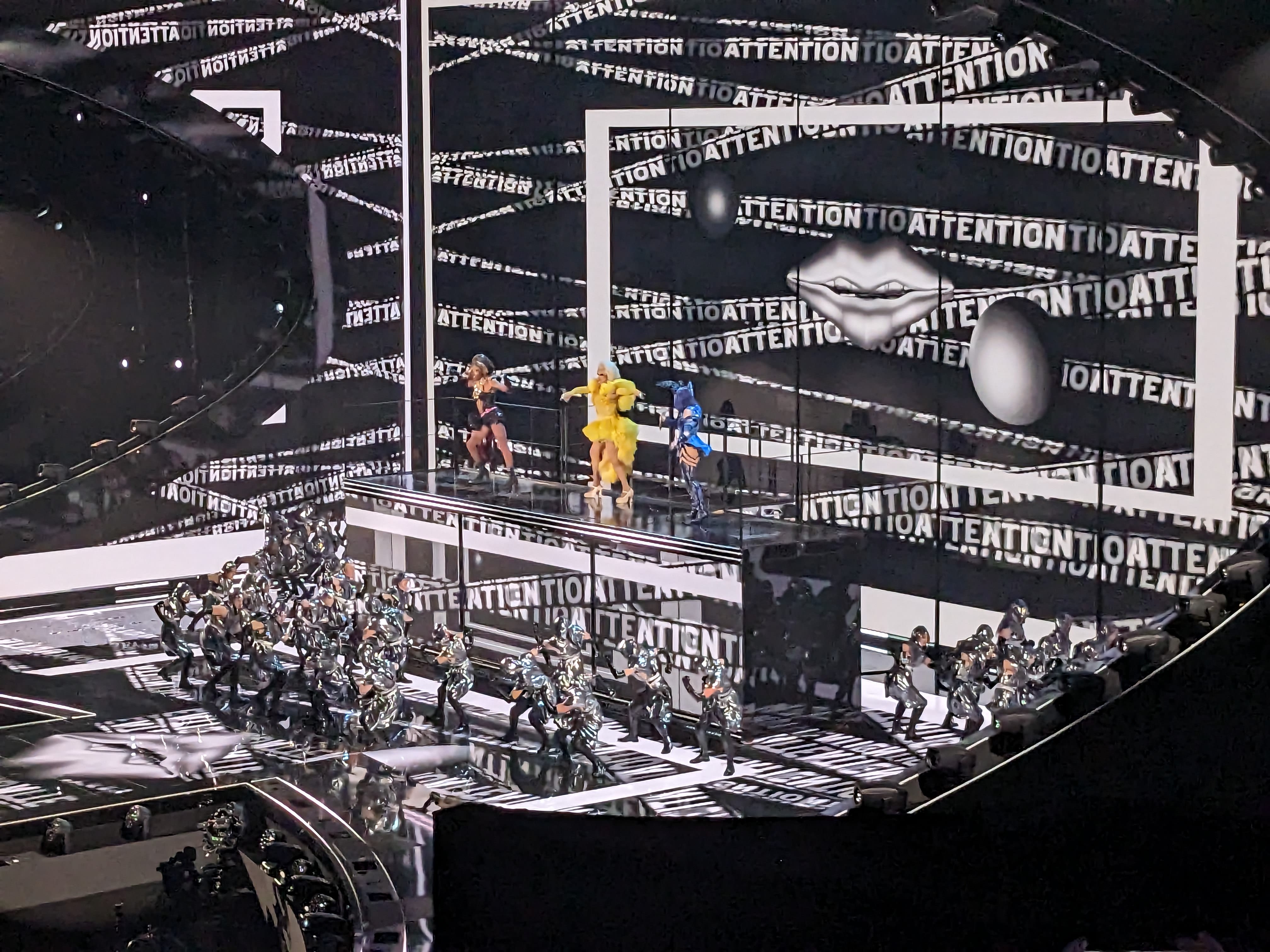
Entering the venue a few hours later, we were thrown into a melee of glitz, glamour, sequins and sparkles as we joined more than 7,000 people in the arena for the show itself. Eurovision fans make an effort – and their dedication is rewarded.
Any concerns that a dress rehearsal might be a lesser Eurovision experience were immediately dispelled on taking our seats – this was a full-on bells and whistles extravaganza from start to finish, the perfomers and the crowd feeding off one another, creating electric energy in the arena.
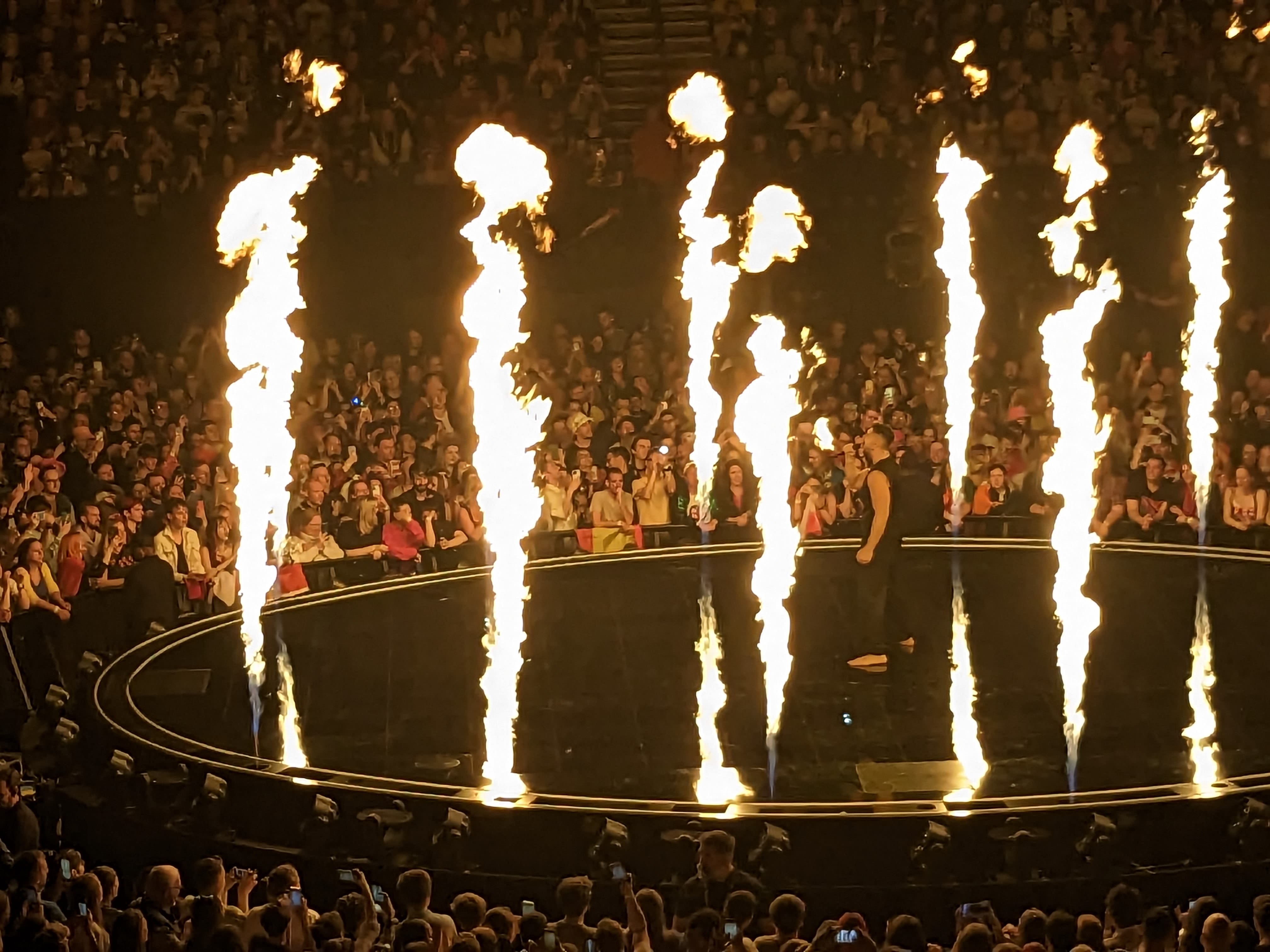
I’d never fully realised before just how integral the live audience is to Eurovision. It’s clear that the fans have done their homework; they know every song already and are ready to sing along to their favourites, roaring on the bangers and getting their phone torches out for the ballads. The acts themselves have a balancing act to perform; they have to stage their song for the viewers at home and those in the crowd. Concentrate too much on the former and you lose the latter - and vice versa.
And for the eventprofs in attendance, seeing the event production in motion was a real privilege. This was beyond slick, an absolute masterclass in seamless professionalism. Everything worked brilliantly, which considering the potential pitfalls, is an astonishing achievement. If this was a chance for the UK event industry to shine on an international stage, it grabbed it with both glitter-dusted hands.
It was at this point that I realised the parallels between what I was watching and our sector’s grappling with the hybrid event question. Because really, what is Eurovision apart from a hybrid event on a vast scale?
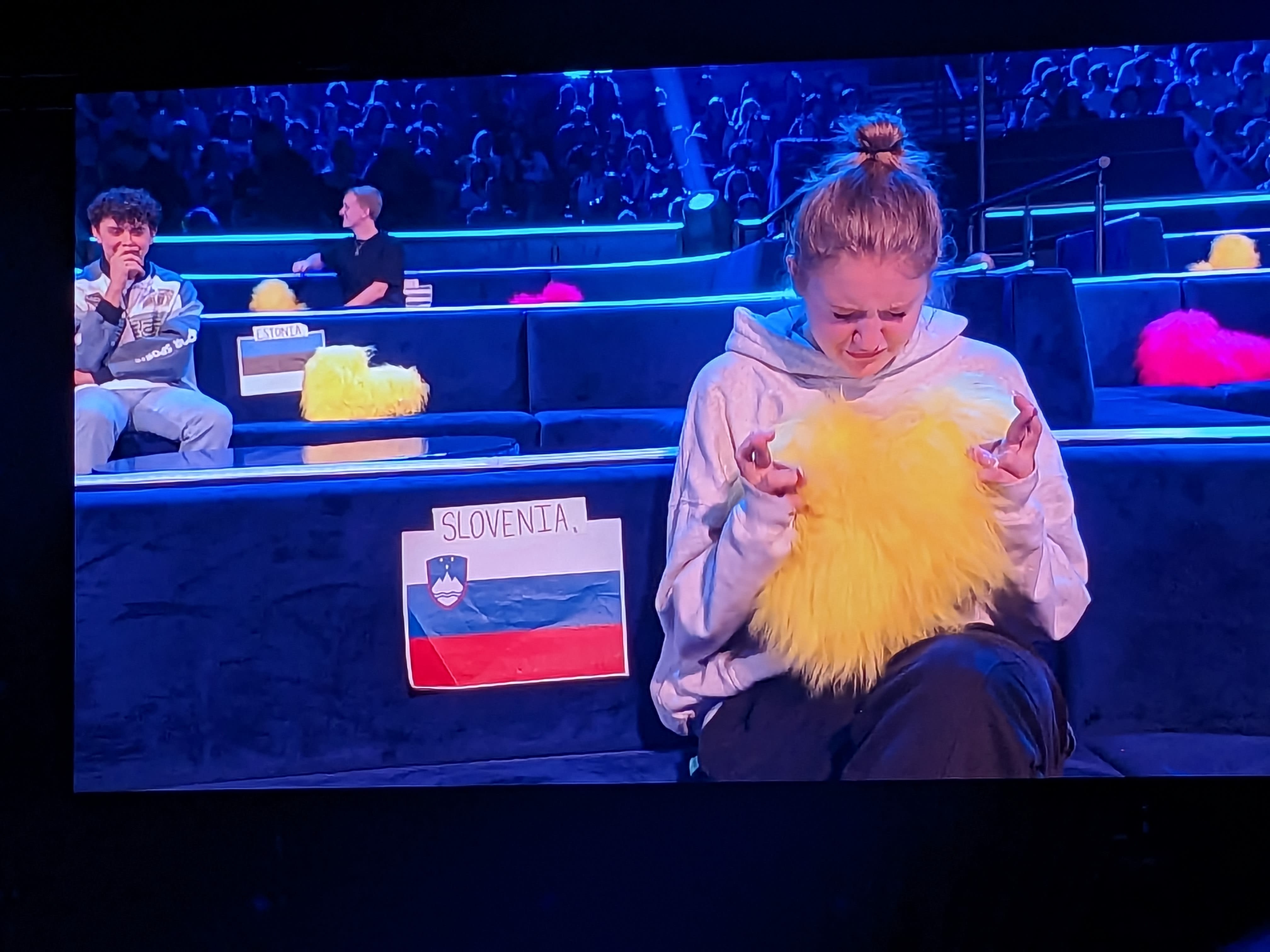
As a fan, you can have a wonderful Eurovision experience from the comfort of your own home, and many millions do, hosting Eurovision parties and – crucially – having an impact on the final result by voting for their favourite acts.
But like any good hybrid event, Eurovision also rewards the in-person attendee. The live Eurovision experience is positive vibes turned up to 11, the chance to get close to the contest, the acts, the crowd – to make new friends, meet new people and generally have a ball in a way that isn’t possible at home.
Make no mistake, this was no small undertaking. After winning the right to host the event on behalf of Ukraine last year, the ACC Liverpool had to clear the decks for almost two weeks, with even Elton John making way for the Eurovision juggernaut.
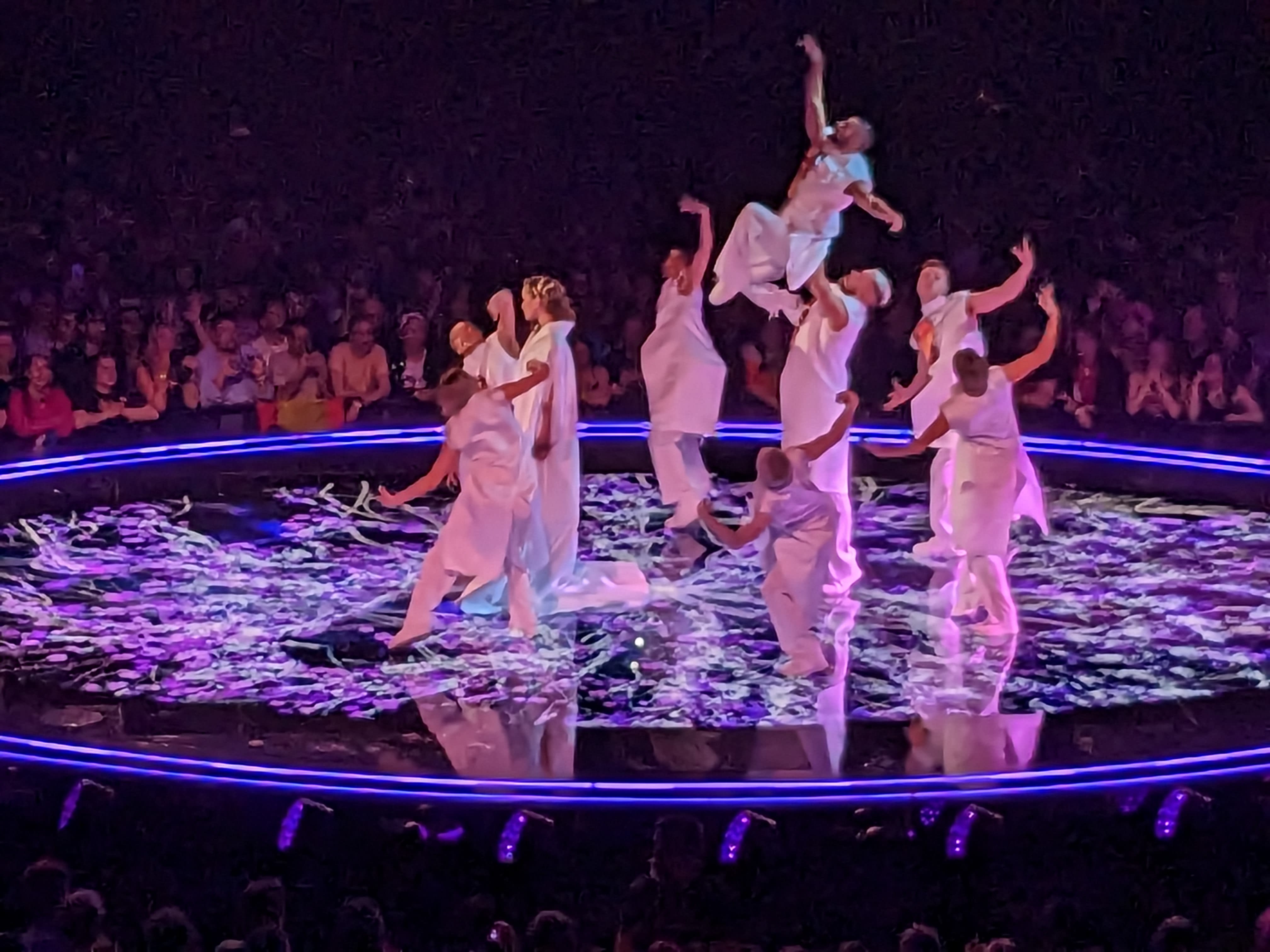
In the arena itself the thousands of fans bore witness to one of the slickest production jobs in the world. The set changes are swift and seamless, eventprofs at the top of their game, making it happen. By the end of the show we are exhilarated, elated, wide-eyed with Eurovision wonder.
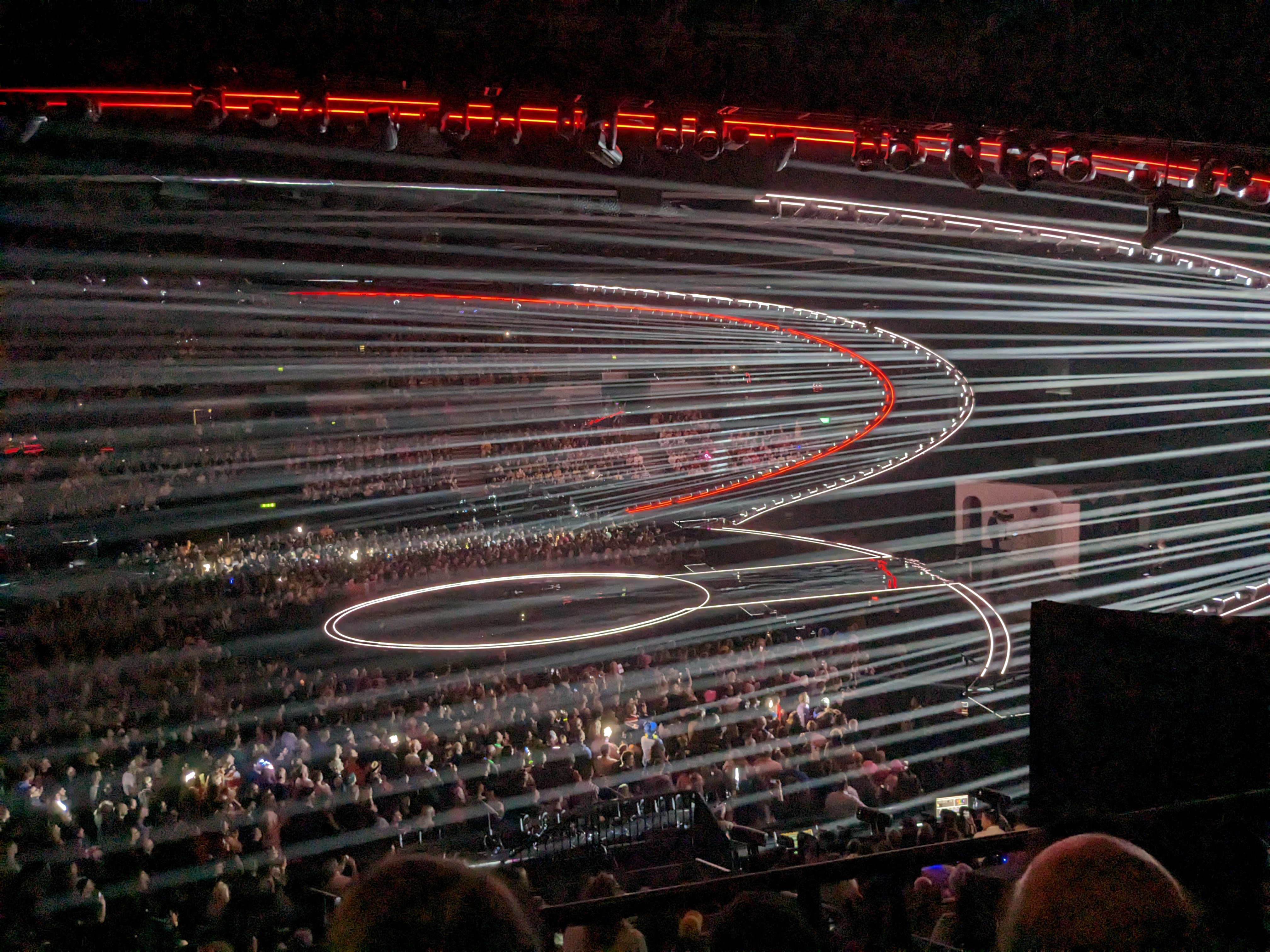
Later that evening I joined 11,000 happy, excited people in the Eurovision Village in the shadow of the Liver Building to watch the BBC live coverage of the semi-final on huge screens as the sun set over the Mersey. Yes, we’d seen the content already, but the experience was just as thrilling as it was the first time around.
“Eurovision really is for everyone”, Scott Mills and Rylan told us on commentary following a pounding drag queen-led song and dance number, and it struck me just how true that is. My whole Eurovision experience consisted of nothing but acceptance and inclusivity.
Onstage and in the crowd everyone is welcome, from any and every walk of life you can imagine, no questions asked. At Eurovision you can be whoever you want to be; the only rule is, the more fabulous the better. Anyone involved in events of any kind could not help but be inspired. I certainly was.
A couple of days later I was back at home, watching the final from the comfort of my living room, boring everyone with my behind the scenes gossip, taking part by voting (Poland, Austria and Belgium, if you must know) – and finally, planning how I’m going to get to Sweden next year. See you there?
Eurovision 2023 in numbers
The staging for the nine live shows at Liverpool Arena was monumental, “one of the biggest events the BBC has ever produced”, according to BBC director of unscripted Kate Phillips - and the numbers back her up:
- More than 600 rigging points, 140 tons of steel ground support structure, and 1KM of additional steel truss work were added to the arena.
- There were eight miles of cabling for lighting, sound, video and SFX, over 2,000 specialist lighting fixtures, 200 custom staging decks, 950 square metres of staging for the main stage, and 500 square metres of staging for the green room.
- 2000 metres of secure fencing was used to keep the event safe and secure.
- 165,000 channels of lighting control across three operators, 23,700 individual light sources, and 2,500 automated colour-changing robotic lights were used.
- The lighting team used nine consoles to run 28,000 lighting cues, while 15 follow spots were operated by 10 professionals and five theatre technology students from LIPA & Cheshire College.
- For sound, there were 150 microphones and more than 1,200 individual streams of audio.
- There was 1 megawatt of UPS power, 60 miles of cabling around the arena, 150 distribution boards, and 5,000 man-hours dedicated to power works.
- The broadcast was watched by more than 160 million viewers worldwide, with more than eight hours of live TV and 50 live feeds.
- Twenty-nine commentators broadcast live from the arena.
- The hair and makeup teams used more than 100 wigs and hairpieces, 1000 litres of hairspray, over 3,000 makeup brushes, and 5,000 hairpins.
- The costume departments used 150 metres of costume rails full of costumes - equivalent to three Olympic sized swimming pools in length.
- The departments, based in the UK and Ukraine, manufactured 482 costumes over the three shows using 20,000 metres of thread, and 47 of them took 250 metres of fabric to manufacture.
 Built with Shorthand