
For tech's sake...
Why the sector needs to stop jumping on new technology fads and assuming that they will benefit events.

We’re an odd and often misunderstood industry.
We don’t manufacture anything, and the events we organise are generally transient - but we’ve been around as an industry for hundreds of years. The Exhibition of Products of French Industry started way back in 1798!
I say that our sector is odd, because a lot of people don’t quite understand what we do, so we get lumped in with other industries. We usually get compared to retail and while there may be some similarities - perhaps an event venue looks and feels like a shopping centre? - there are far more differences.


Simon Clayton, chief ideas officer, RefTech
Simon Clayton, chief ideas officer, RefTech
Our industry operates as a horizontal market in pretty much every single vertical market, but we stand on our own and we often operate under the radar of the mainstream press. This means that there’s not a huge amount of brand-new tech being developed specifically for our industry. Rather, we tend to end up being offered tech that has been developed for other uses.
The tech that is useful in any industry tends to be tech that refines, simplifies or speeds up existing processes and it’s very rare that we see a big revolutionary change in any industry.
This means that we can only watch and drool over the tech that’s being developed for more prominent industries. But just because something has an impact on another sector, it doesn’t mean it can impact on events.
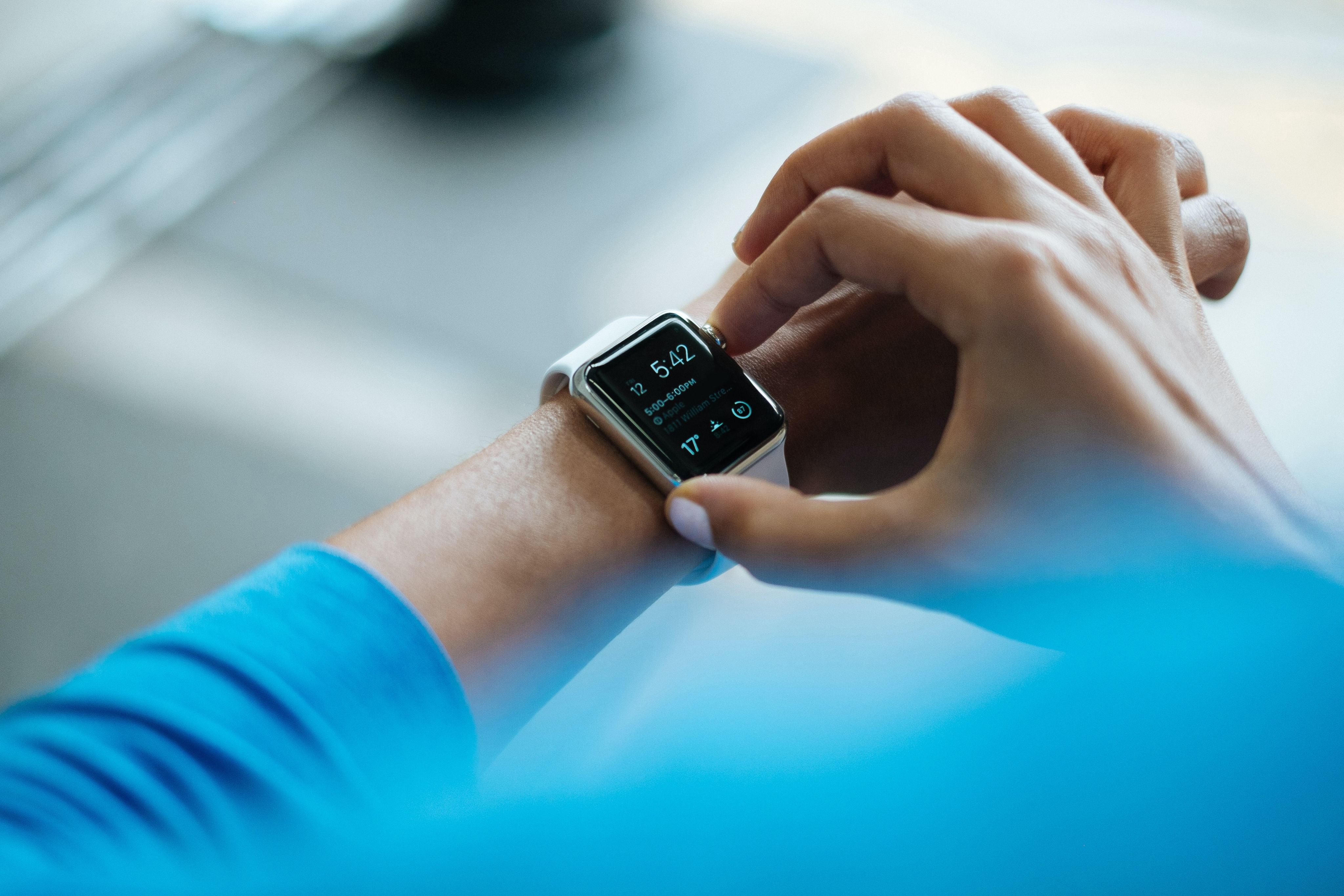
At the start of the year the usual tech predictions were paraded out, such as heralding wearable tech because it’s had such a huge impact on the healthcare industry. Developing tech in healthcare is big business and is having big effects on all our lives.
But what on earth do events have in common with healthcare?

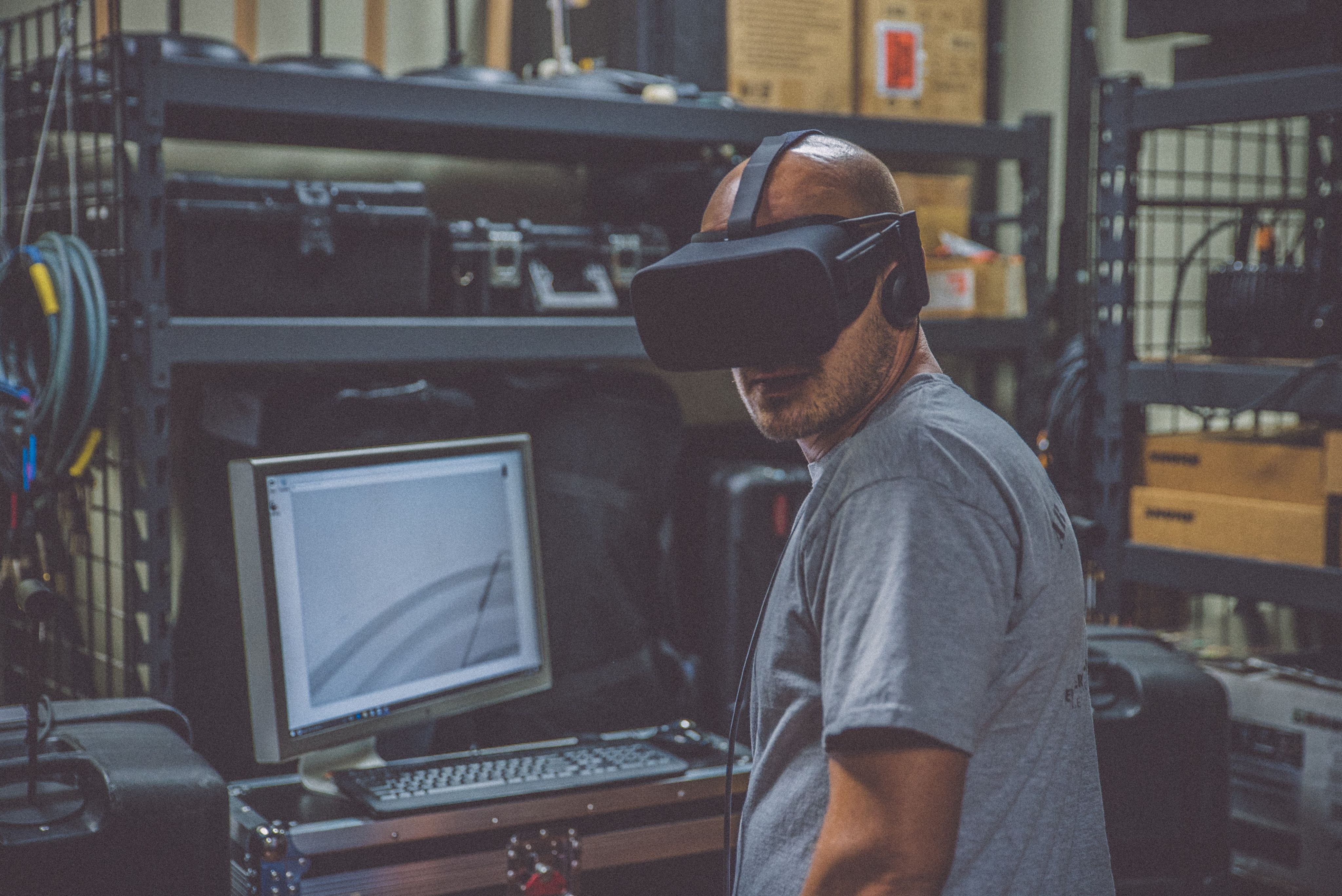
Ah, say the experts, wearable tech can track a person round an event, help delegates to interact with each other, share data and refine the event experience.
But is that really possible? What can an organiser gain from knowing who went where and when?
In retail, there have long been efforts to track people and that has happened in the past, and actually has a valid reason. If you can know that people pass by a display window on average every two weeks then you can know when to update those displays.
What possible benefits are there in events, though? We already have more data than most organisers realistically use. Heatmaps of where people go during an event have been talked about for years, but have never gone anywhere - and I don’t think they ever will because there are no real, tangible benefits.
I’m always happy to learn and change my mind, so if someone wants to convince me then please try. As it stands, I can probably guess that a heatmap would show that the toilets and catering outlets will be some of the most popular areas at most events. Not only that, but how happy are your attendees going to be at being tracked everywhere in an increasingly privacy focused world?

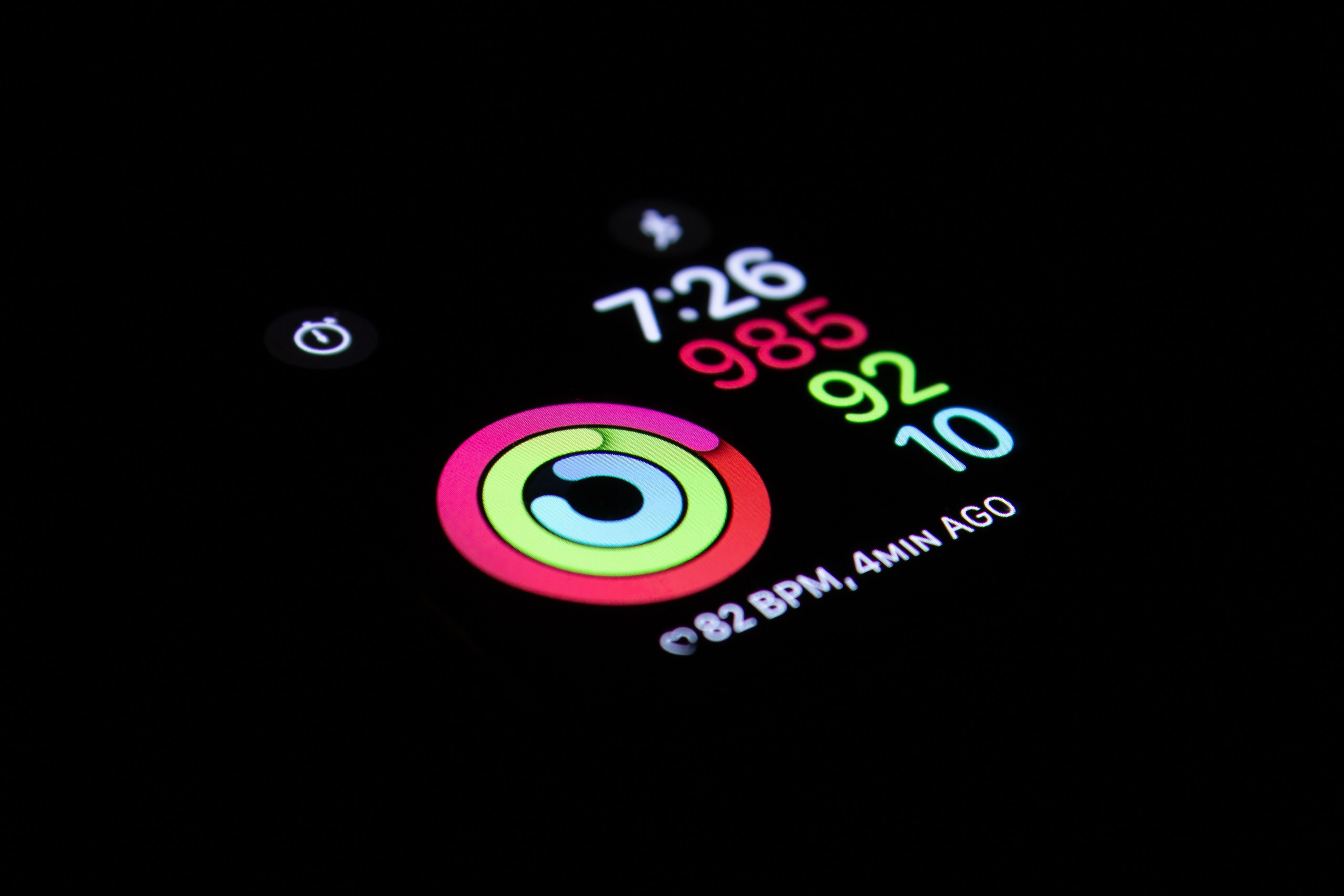

A lot of the benefits that wearable tech are being touted as bringing can already be achieved with a good mobile app and well-placed real time badge scanning points. You really have to want to be seen to be cutting edge to be able to justify the huge cost.
I first wrote about wearable tech back in 2013 when Google Glass first launched, and that was hailed as yet another bit of tech that would revolutionise the industry. The original Google Glass was discontinued in 2015 and Google then released a second version called “Google Glass 2 Enterprise Edition” in 2019 - and have recently announced that won’t be supported after September.
We didn’t see any notable impact on the events industry and it’s fairly easy to see you wouldn’t want to depend on this fleeting tech until it’s far more stable!

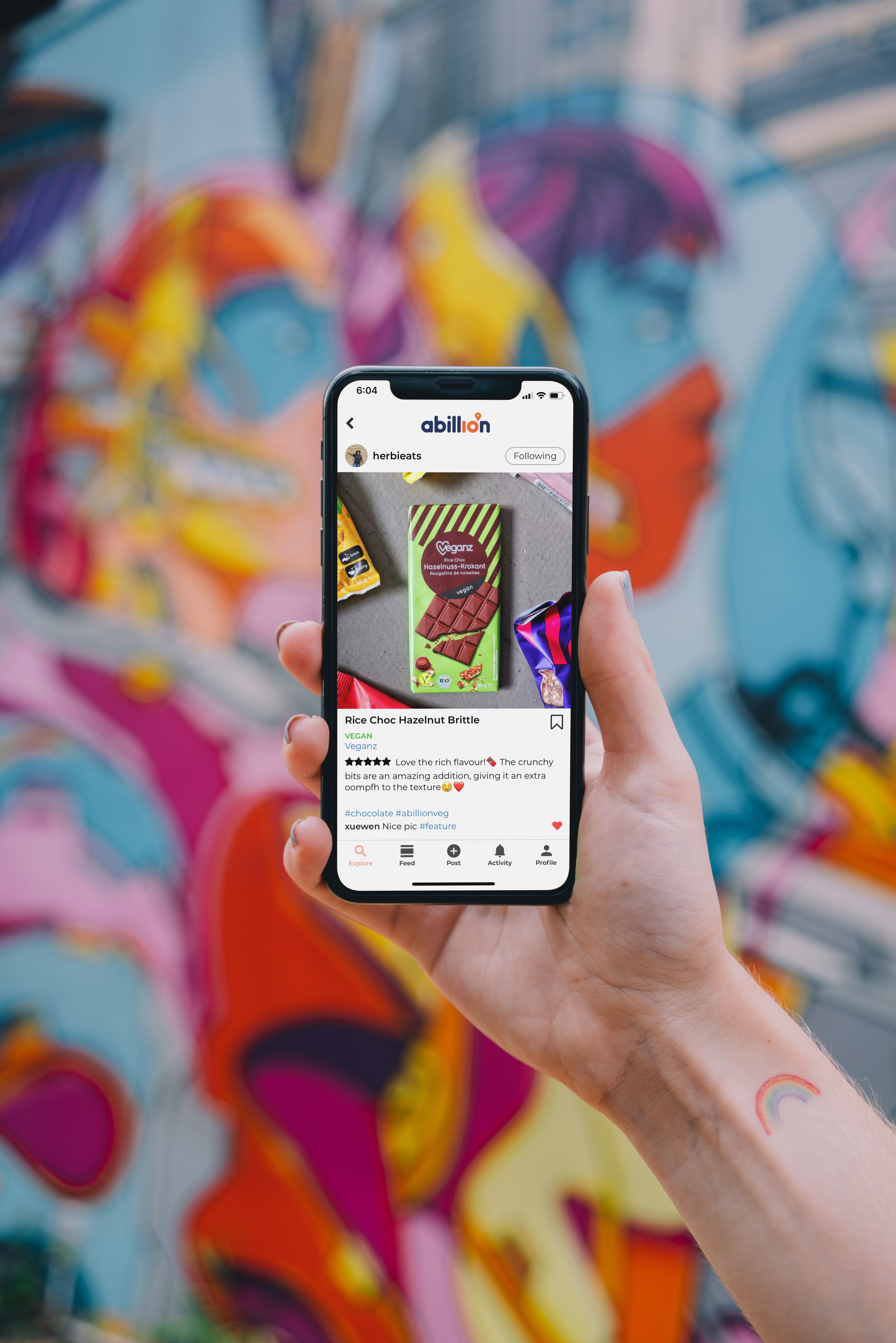


Photo by Mihály Köles on Unsplash
Photo by Mihály Köles on Unsplash
I’m a huge geek and I love technology - but only if it has clearly identifiable benefits.
Lots of these technologies are truly amazing but aren’t going to transform our industry. We need to stop jumping on them and assuming that they will benefit events.
Simon Clayton is chief ideas officer at RefTech, a registration and event management system provider that celebrates its 25th anniversary this year.
 Built with Shorthand