Are changing demographics redefining incentive travel?
Mike Leeson, general manager, CTM Meetings & Events explores the role of data-driven insights in tailoring experiences.


In 1999, author Joe Pine announced we had entered the age of the experience economy; it was time for organisations to realise they make memories not products.
This ethos is finally resonating with incentive travel and event managers thanks to the increase of Gen Z and Millennials entering the workforce. These generations of employees prioritise meaningful experiences - wellbeing and sustainability are key – which means it’s time for a rethink when it comes to incentive travel programmes.
Incentive travel is no longer just a reward — it’s symbolic of high performance, company-wide recognition and an opportunity for personal and professional growth. Unique, once-in-a-lifetime experiences that reflect company values and align with employees’ aspirations can be a valuable tool to attract and retain talent. They foster loyalty, drive motivation, and can impact productivity and profitability.
By moving beyond generic itineraries and embracing tailored, purpose-driven experiences, organisations can create strong emotional connections with their teams and inspire greater engagement with the potential to influencer behaviour change.


Mike Leeson, GM, CTM Meetings & Events
Mike Leeson, GM, CTM Meetings & Events





Understanding the shift in attendee demographics
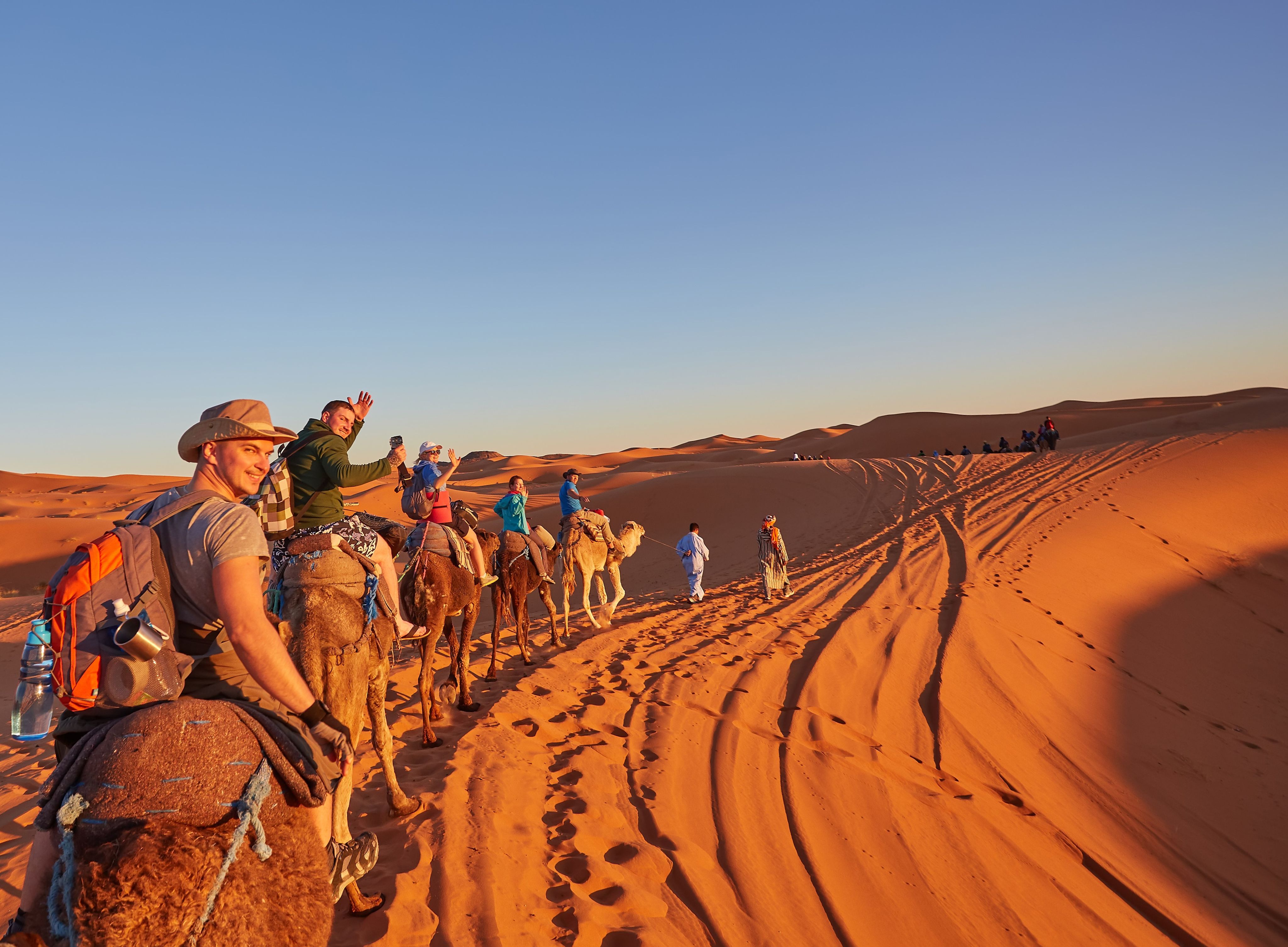
At CTM Meetings & Events, we have seen a growing preference among Millennials and Gen Z for authentic, immersive travel experiences over traditional luxury. Their increasing interest in exploring lesser-known or off-the-beaten-track destinations is encouraging planners to create exceptional experiences in locations with limited infrastructure. There are so many benefits to this, including contributing to local economies in emerging destinations, but it’s important to collaborate with destination management companies and local guides to overcome possible logistical challenges to deliver a frictionless experience.
Another clear trend we’ve seen emerging is a move away from large scale, formal group formats towards smaller, more personalised activities. It’s all about customisation. Today’s workforce wants personalised, curated itineraries that address the individual “what’s in it for me?” mindset. Follow this path and organisations can be more confident of delivering incentive travel programmes that remain impactful, memorable and highly valued.
What activities and destinations are in demand?
Individuals – at work and in their home lives – are seeking authentic, immersive and tech-enabled experiences. While my colleagues in Australia and New Zealand are witnessing a rising demand for intimate, culturally immersive group experiences to emerging and less-travelled destinations, in Europe we are seeing a more subtle shift towards unique destinations and experiences, with accessibility and cost playing a significant role. Younger business travellers continue to prioritise experiences that create lasting memories – they want something to share on social media – while also seeking socially responsible activities.
Generation Z preferences include:
- Wellness elements and healthier dining options
- Increased availability of alcohol-free or low-alcohol beverages
- Networking and social activities
- A greater emphasis on sustainability
How are sustainability and wellbeing shaping incentive travel?
Sustainability and wellbeing are playing an increasingly significant role in shaping modern incentive programmes. Younger travellers are becoming more aware of their environmental impact and personal wellbeing, and companies are taking note. More organisations are prioritising destinations and accommodations that support local communities and offering nature-based experiences – eco-tourism.
"Data is like liquid gold for our clients. It helps identify what needs to change"








The role of data-driven insights in tailoring experiences
Staying ahead of industry trends and evolving employee expectations is critical if organisations’ incentive travel investments are to remain effective and continue delivering ROI.
Repeating formats may appear cost-effective, but it’s so important to keep programmes fresh and to continue exploring new ways of delivering engagement and incentive objectives.
You want an element of surprise and exclusivity. If a programme feels too predictable, people will lose interest, engagement falls through the floor ROI dies with it. An incentive travel programme must align with the employer’s objectives, yes, but it’s even more important it aligns with employees’ evolving needs.”
Using technology and data analytics can help organisations to tailor experiences that align with individual preferences and offer a mix of activities to suit different interests, such as:
- Adventurous excursions for thrill-seekers
- Wellness-focused activities for relaxation and self-care
- Opportunities for personal time to support work-life balance
Post-trip, it’s so important to regularly survey and poll employees to get insights into satisfaction and emerging trends. Data is like liquid gold for our clients. It helps identify what needs to change in future incentive programmes. AI and data analytics can also help to further personalise experiences, predict preferences and optimise programme effectiveness.
Creating incentive travel programmes that resonate
We all know that changing demographics and shifting preferences are redefining incentive travel. As event managers, our success lies in understanding these trends and creating experiences that deliver meaning, and balance personal rewards with collective purpose. And, as the workforce continues to evolve, incentive travel must remain flexible, innovative and aligned with the values of a new era. Data, AI and human expertise and experience are your friends.
 Built with Shorthand