Where next?
Paul Harvey talks to corporate and agency figures about the current state of incentive travel – and finds a sector in transition.

More than any other part of our industry, incentive travel has seen a post-Covid renaissance.
But with budgets tight and new concerns such as sustainability and DEI to address, it’s also a time of great change for group travel. Could that resurgence be under threat?
In the current financial climate, clients are now much more focused on purpose and making sure that the roots of the incentive scheme are ingrained in all areas of the business, says Holly Willis, head of incentives at Eventful.
“They're trying to develop their aims leading up to the trip so that they've got a good argument for retaining or even increasing the budgets,” she says. “The old fashioned five star luxury incentive trips were particularly vulnerable through the pandemic. Coming out of the pandemic, people were wanting to learn from that experience, so purpose was a much bigger focus for people to really underpin the behavioural science behind the benefits of running motivational travel trips.”
She adds that clients are looking at wellbeing, and what's going to make their incentive winners feel fulfilled and proud of the company they work for.
“Clients are making sure that there is a fully aligned campaign that they're all working towards and it's not just a fun trip at the end of it, but it's something that people can be proud of.”


Holly Willis, head of incentives at Eventful
Holly Willis, head of incentives at Eventful
“You've got to look at what attendees are showcasing on their socials”
Jemma Peers, managing director, Top Banana

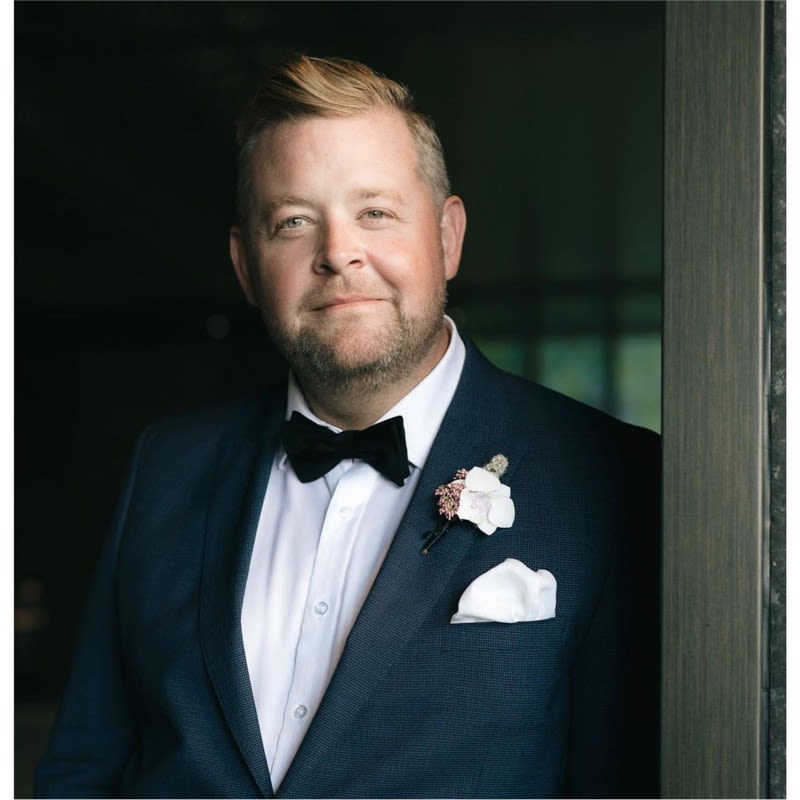
Matt Curran, director of Chew Events
Matt Curran, director of Chew Events

Maria Tsierkezos, head of partnership & portfolio marketing at BT Business
Maria Tsierkezos, head of partnership & portfolio marketing at BT Business
The new realities of post-Covid work and travel are also affecting incentive planning, according to Matt Curran, director of Chew Events.
“As agents, we are having to think outside of the box to be able to pull together a high quality event, but take into account that peoples outlook on travel/work life balance has changed - so keeping all parties happy is a more of a challenge,” he says. “We are faced with air and rail strikes more so than ever, so it is really important to pre-empt these at contractual stage and keep on top of updates, and ultimately be prepared for anything.”
With the cost of living crisis still raging and inflation still doggedly refusing to come down, budgets are tighter than ever before.
“The biggest obstacle is budget,” says Maria Tsierkezos, head of partnership & portfolio marketing at BT Business. “Because the exchange rate is terrible, even when the budgets haven't reduced, they have in real terms. You're doing more for less. We're having to be a little bit smarter in the way we design incentives.”
And being smarter involves incorporating new strands such as sustainability and DEI into incentive programmes.
“Post pandemic, many of our clients have a focus on sustainability and reducing carbon footprint but are not wanting to compromise on the quality of the event”, says Curran. “This not only impacts the locations that are being considered in terms of travel but we look to venues and suppliers to demonstrate their sustainability strategies.”
"It's a delicate balance between meaningful CSR activity and staying safe.”
Steve Wallbridge, account director at asembl

However, not all clients are as sold on sustainability as others.
“The narrative is that sustainability is moving to the top of everyone’s agenda, but the truth is that sustainability can come at a cost - and not everyone is prepared to pay that cost, especially as it comes directly out of ever-tightening event budgets,” says Graham Alderman of Ulterior Events.
“Clients are saying they want sustainability, but they want to do an activity, rather than weave it through the entire programme,” says Jemma Peers, MD of Top Banana. “We're trying to encourage clients think more sustainably overall. It’s smaller steps, you hope that when they come back with their next brief you can start to build on it.”
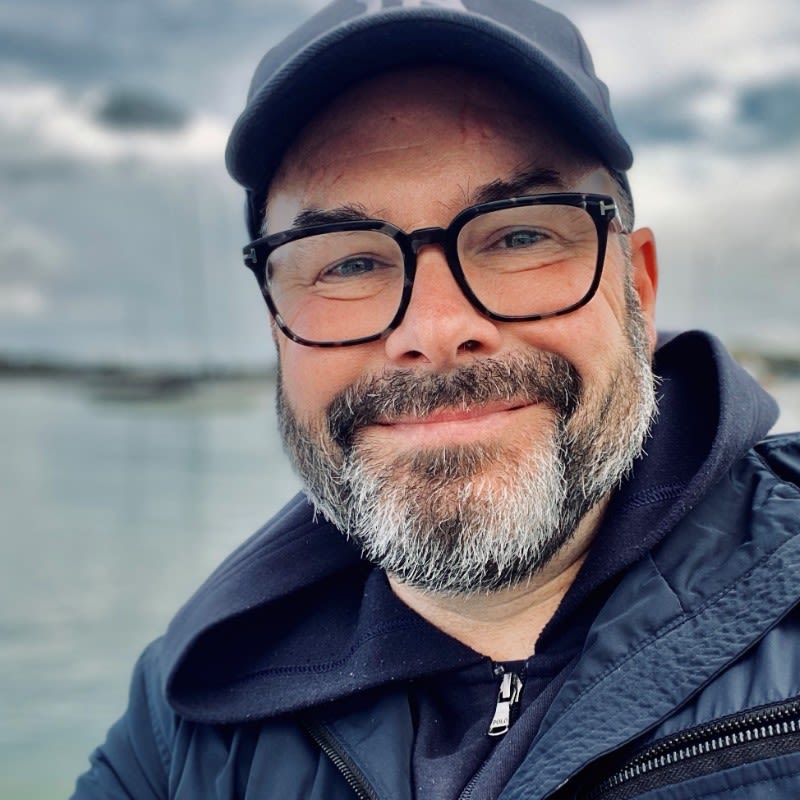
Graham Alderman, MD of Ulterior Events
Graham Alderman, MD of Ulterior Events
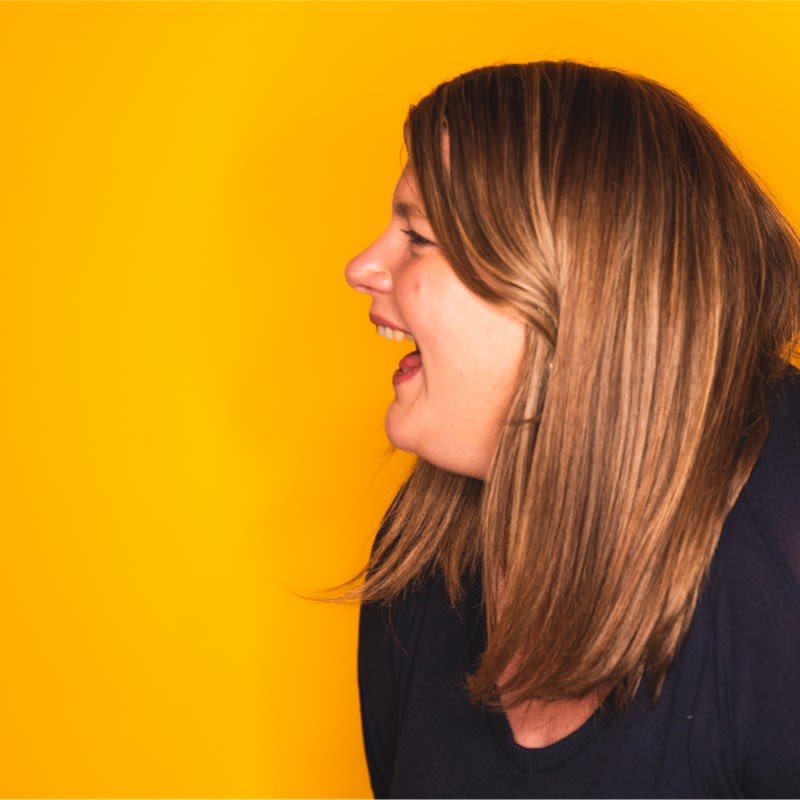
Jemma Peers, MD, Top Banana
Jemma Peers, MD, Top Banana
Experience
“It’s no longer enough to have a great, blockbuster trip”, says Laura Pace, MD of Yellow Fish. “Clients are demanding a guest experience that weaves in brand and personal touchpoints.
“CSR needs to be woven into the programme, not just a token workshop. With the headlines constantly featuring global crises it’s more important than ever before that we weave giving back to a community or destination into the programme.”
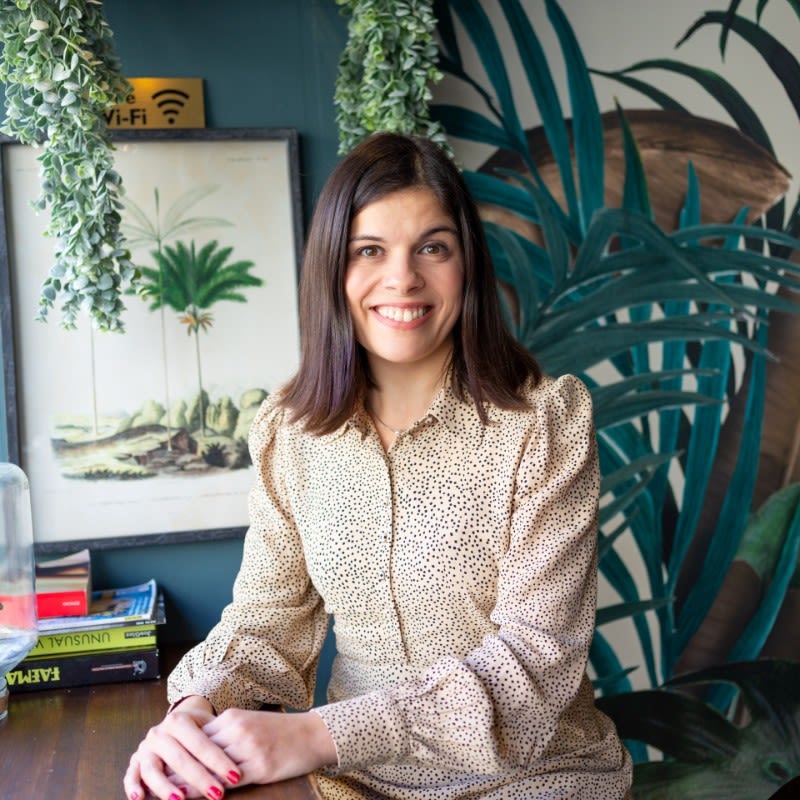
Laura Pace, MD, Yellow Fish
Laura Pace, MD, Yellow Fish
“Inclusivity and CSR are non-negotiables for some organisations meaning programmes must be designed with these principles in their core structure and not just a last-minute add-on", says Steve Wallbridge, account director at asembl - and he admits that this can present some challenges.
“For CSR activities, you want something that will make a difference and help the local community you are visiting,” he says. “But the danger is that you cannot put attendees into places of physical or emotional vulnerability. It's a delicate balance between meaningful CSR activity and staying safe.”


Steve Wallbridge, account director, assembl
Steve Wallbridge, account director, assembl
“The next generation of sales people coming in want authentic experiences,” adds Peers. “They can do wine tasting or bike riding anywhere in the world. What they really want to do is experience that culture, those off the beaten track moments that they won't find when they're on holiday.
“You have to work much closer in partnership with your destination management company and be much more agile at your own research. You can't just use the normal places where you've researched before. You have to explore, you have to get on wheels, you have to get on TikTok, where people are posting from crazy, unique places.”


Social media
Indeed, the advent of social media has also caused a number of changes in the incentive market.
“Social media does a great job of showing people what is out there and that makes our job really exciting because now there's more to explore,” says Peers. “People are more open to exploring emerging markets. We can think broader and wider. It's exciting.”
And its worth keeping an eye on what people are sharing on social media, she adds.
“You'd be churlish not to consider what experiences they are sharing on their social channels. You want an incentive to be so aspirational that they come back and they tell all their colleagues how amazing it was and then they want to go on it. So you've got to have a look at the sort of things they're showcasing on their own socials.”
Tsierkezos agrees that social media is having a big effect on corporates.
“A few years ago, the majority of people would rely on their agency to tell them about what's new,” she says. “Now, clients are going, ‘Oh, did you know this is opening in this country? Look at this activity...’ Because the algorithms, targeted messaging and cookies will tell us about them. Everyone's an expert.”
For Graham Alderman, the access to information is having an effect on incentive itineraries.
“Five years ago the client wanted a full programme the minute they got off the plane to the minute they get back on the plane,” he says. “Now we go in with these full on programmes and clients are going ‘Let's have a free afternoon, let's take away that night’.
“Now with all the research and everything they can find online, people want to explore places their own way. There might be a certain temple they want to go to, a certain restaurant. People have got more access to information and they've got their own mind – and clients are allowing people to do it.
“Attendees' expectations are higher than ever before,” adds Wallbridge. “There's no longer a one-size-fits-all approach to designing an enticing and rewarding incentive. This is where we, as incentive designers, use our insider knowledge and connections to create an experience that truly inspires and excites whilst keeping everybody safe and happy.”
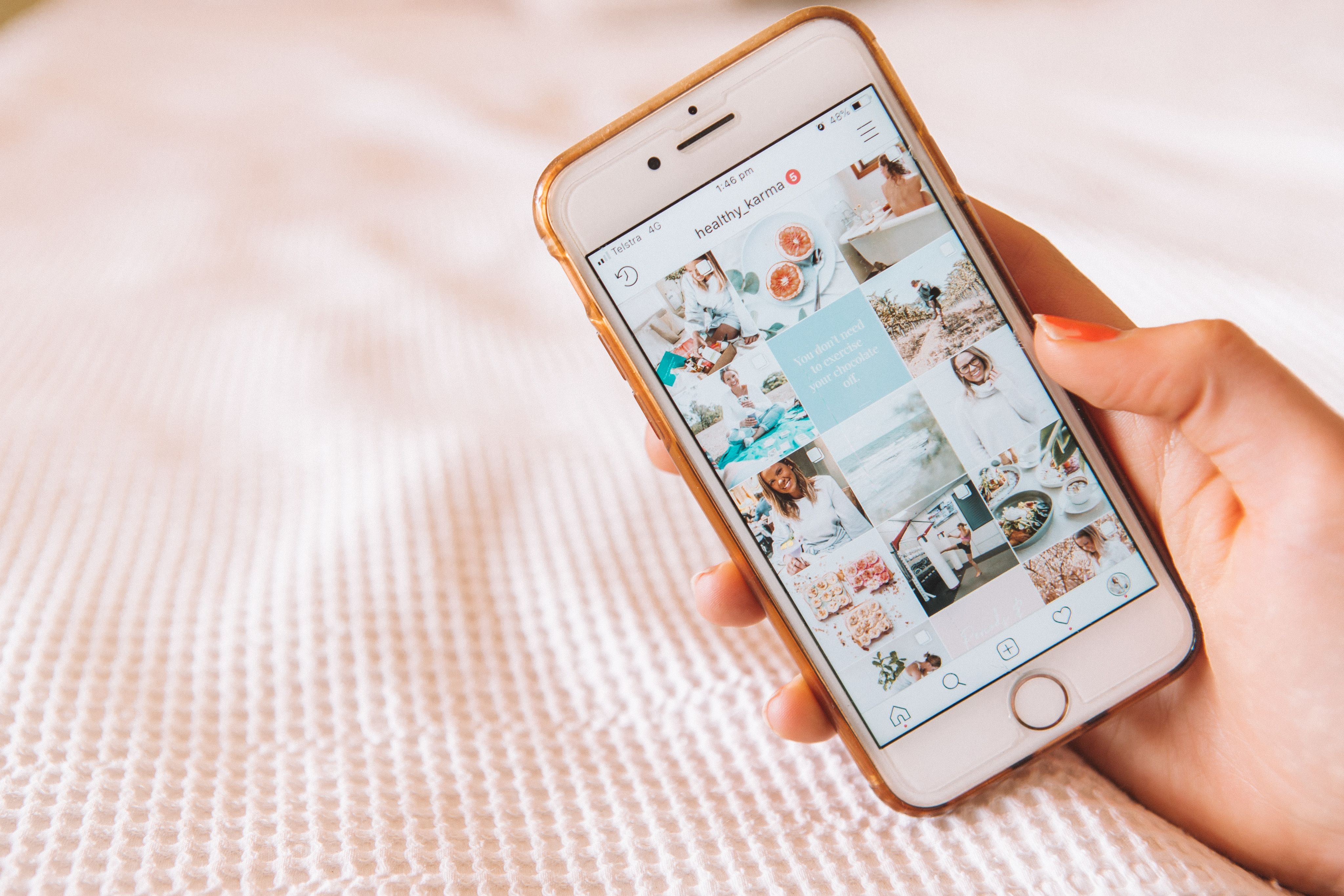

Photo by Anna Sullivan on Unsplash
Photo by Anna Sullivan on Unsplash

Photo by Nathan Dumlao on Unsplash
Photo by Nathan Dumlao on Unsplash
Return to long haul?
Post-Covid, many UK incentives have focused on short haul destinations to mitigate travel safety concerns – but this might be about to change.
“We are seeing early next year a resurgence in the big long hauls,” says Peers. “It's wanting to focus back on unique experiences. They're feeling more confident with the impact that incentives are having on their business, and more confident about their sales funnels. They're willing to up the budget next year and go for those unique experiences again, Argentina, South Africa, those sorts of places.
Alderman sees a similar trend – and welcomes it.
“The conversations have moved out of that comfort zone of short haul and gone back to the more experiential, wow destination, incentive of a lifetime,” he says. “I find when I meet people from trips gone by it's those long haul ones that do create the memories.”
However, there is also increased value in short haul post-Covid, says Willis.
“Historically, an incentive trip to Europe may not have been as rewarding as a long haul trip, but I think the products all over Europe and the UK have enhanced a lot since the pandemic and we've got a lot of really high end luxurious incentive focused destinations on our doorstep that people are much more willing to investigate rather than relying on long haul,” she says.
Another trend has seen a shift away from travel with colleagues – to travel with loved ones.
“We're seeing a really nice move towards partner inclusive trips,” says Willis. “It fell out of Covid, when we were incentivising individuals in their home, which then spilled out to their partners and their families as well.
“Rather than reverting back to that individual in the business, we're wanting to encourage our clients to focus on people's personal stakeholders, incentivising those people around the employee. The easiest way to do that was partner inclusive trips.
“It's quite a big ask, pushing clients to reduce their numbers of winners because they're effectively taking two people. But the results are reaching much higher engagement levels than the previous singles trips.”
Alderman points to one client who used to do a group incentive, but after Covid decided to do an individual incentive programme.
“The 60 winners can book any one of eight hotels over four different weekends throughout the year - and then we organise it,” he says. “It sort of takes away everything we stand for because it's not a group incentive. But it's interesting because that particular client did that as a stopgap for the first year after Covid, and then this year has decided it worked so well, they're going to carry it on as their actual incentive.”
Where next?
When it comes to the future, the incentive market may be in transition, but it’s still strong, says Willis.
“It’s a niche still, but it's thriving, it’s just times are changing a bit, there are different pressures,” she says. “I'm still building a good business case for getting people face to face because in our opinion the most incentivising option is to be together, enjoying experiences together.”
Alderman is less positive about what the next 12 months may bring.
“I think we're over the the post Covid honeymoon period,” he says. “It'll be quite interesting to see whether it starts flatlining a little bit. We might be at a point where that euphoria after Covid has hit a buffer and we might just be slowing down. I hope I'm wrong. I’ve just got a feeling.”
For Tsierkezos, it’s the reaffirmed value of incentives that will make all the difference.
“Our financial decision makers have been subject to a plethora of incentive marketing and that has made it easier for us to sell in incentives to them, because they get it a bit more,” she says. “They know what it felt like to be locked down, so now they understand what incentive travel does, whereas before I don't think it was valued.”
“The most significant part of ensuring a successful incentive is fully interrogating the key objectives and understanding what success looks like,” says Wallbridge. “The deeper we dive in and understand the complexities, the better we can tailor an awe-inspiring solution.”
“Incentive travel is such a lovely thing to plan,” says Peers. “It’s just joyful. Knowing that the trips people go on stay with them forever. You know you've done a good job when you bump into someone 15 years later and they still remember that trip to Rio. They still remember the moments.
“With the cost of living crisis, I understand why some brands are moving towards recognising people with with cash and vouchers and white goods. But the world is a beautiful place and we should continue to explore it, where it’s right and without damaging it, as much as we can.”
Yellow Fish MD Laura Pace shares her seven hygiene factors for a successful incentive programme in the current climate
- Security considerations – is this a safe destination for me to travel to?
- Cultural considerations – have I got the right information to ensure I am culturally appropriate on this trip?
- Clean travel – should I be taking this trip? What is the impact on the environment?
- DE&I - destinations that welcome all
- Cost of living crisis consideration - how can the programme help on the ground locally and pay back to the local destination?
- Moral compasses – how can we make guests feel like they are contributing to a destination not adding to a destinations problem?
- ESG considerations

 Built with Shorthand