'For a long time, small and medium-sized agencies have been overlooked'
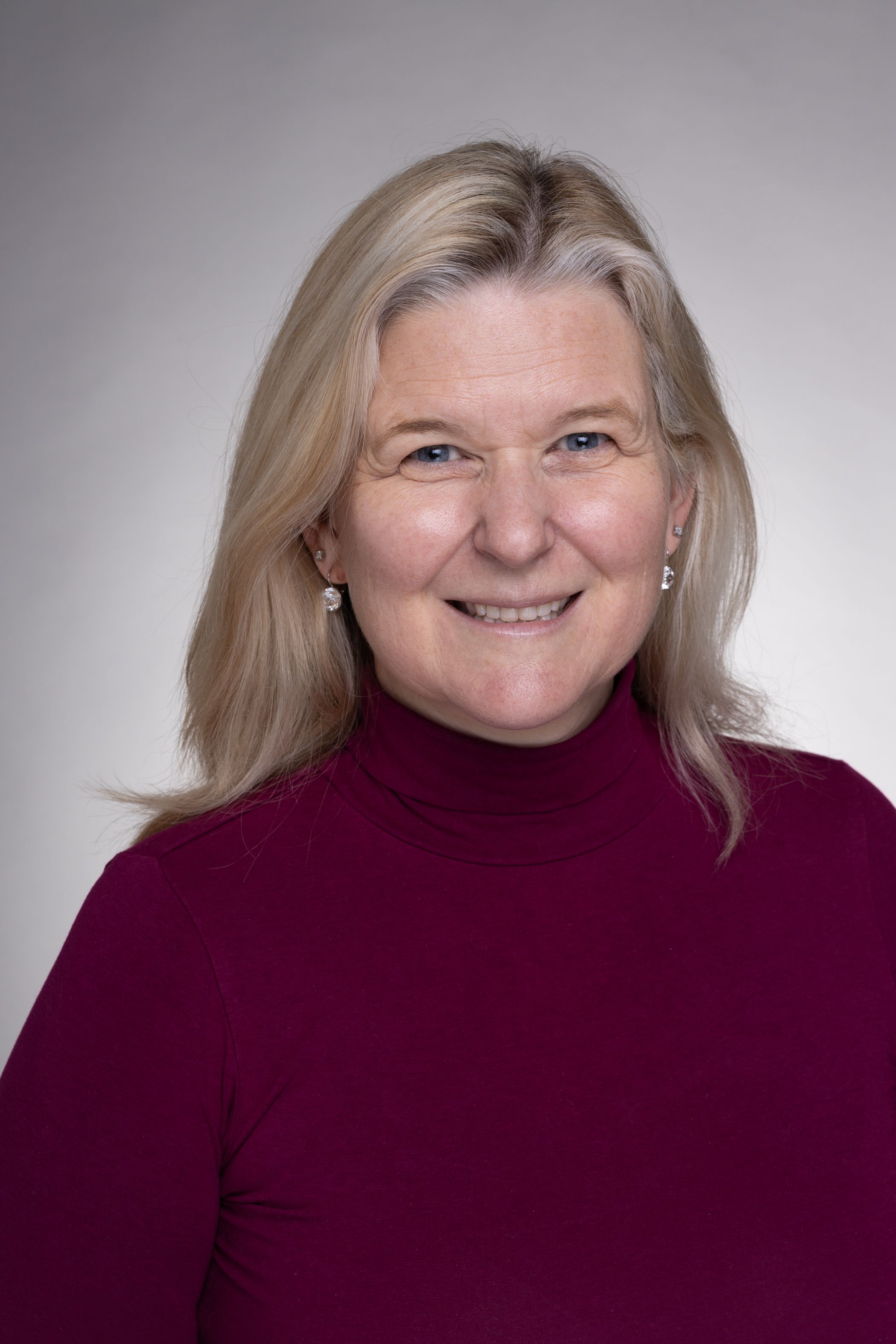
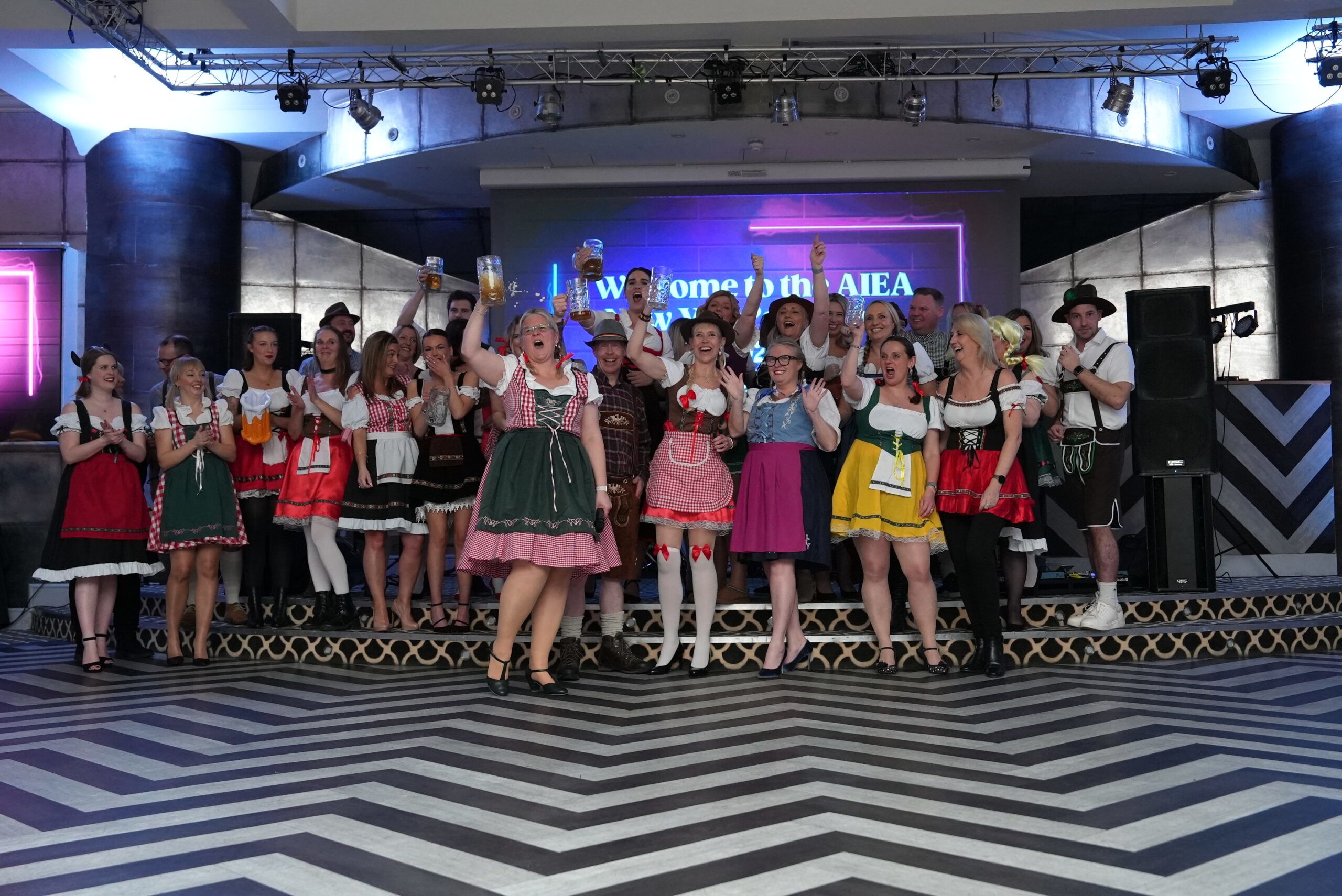
Sabine Edwards, MD of Pendleton Events, stepped up to the role of chair of the Alliance of Independent Event Agencies (AIEA) in January. Here, she shares her plans for her two-year tenure.


Sabine Edwards
Sabine Edwards
M&IT: What are your plans for your two-year term as chair?
Sabine Edwards: The plan is to really have a look at the alliance. What are we doing? Are we still happy with it? Can we do it differently or better and how are we going to raise our profile and raise our voice and and get out there a bit more?
My leadership style is one of collaboration and wanting to bring the membership with me on whatever we we plan to do. I’m hoping to build our presence, build our reputation.
I think for a long time, small and medium sized agencies have been overlooked. I'm quite keen to raise our profile. I want people to see that we're here, we have a voice, include us in the conversations and see the value that small and medium sized agencies bring to the industry as a whole. We have different kinds of business to the big boys but it's just as important and can be just as valuable. What we bring to the table is probably a far deeper relationship with many of our clients.


What are the the big issues facing small and medium agencies at the moment?
SE: That increase in NI payment is going to affect all businesses, but I think it's going to hit the small businesses hardest because our spare cash is not huge and the salary whack does make a difference.
There are small agencies using freelancers who might have been considering bringing people onto staff, but are having to look twice at that because the salary increase by adding in the NI requirement is quite big.
On top of that, agencies still have the same concerns as usual. It's still trying to get our commissions paid, trying to get commissions fairly across the board. It's dealing with those big brand hotels that aren't necessarily that easy to negotiate with when you're trying to get the best for your client.
And contracting too, I’ve found contract wording over the last few years has got so complicated and convoluted that I need a new law degree just to unpack contracts sometimes. We've had a couple of cases where agents have fallen foul of things like commission on cancellation because of the way it was worded in the contract.
M&IT: Commission never really goes away as an issue, does it?
Commission seems to have been an issue in our industry for as long as I can remember, which I always find baffling. I think agents should be seen as the outsourced sales team for a lot of hotels. If we've gone out and we've won the business for you, pay us our commission! Pay us our salary, like you would a salesperson in-house. You wouldn't keep them waiting.
I've heard of agents who are still chasing commissions from six or nine months ago. That's just not fair, particularly on small agencies like us who don't have the clout of some of the big agencies or the reserves in order to be able to leave it and chase it.
For a lot of us the difference between getting our commission paid or not is whether we can take a salary home at the end of the month or not.
One other challenge we're all finding at the moment is talent. We as an industry are not represented in the school's career programme or network. You don't get a careers advisor saying, “Oh, you should go into events”. I'd love to see if there's something that as an as the alliance we can push into schools and and push into careers fairs a bit more.
M&IT: How did you first get involved with the AIEA?
SE: I joined as a member. In fact, I was on a train to Heathrow at the end of February 2020. I was going to an event in Abu Dhabi and a few people had spoken about the alliance, which I'd ignored for years, and then I decided was just going to sign up. So I did it on the train on the way to Heathrow, went to the event, came back, and went into lockdown.
The support that the alliance offered throughout lockdown was incredible. Paula Kelsey and Kerry Walsh were chair and vice chair at the time, and then Kerry took over as chair. They worked tirelessly to keep the membership engaged, to share as much information as they could to check in with people. They were absolutely superb and it was through that that I thought, this is what an alliance should be. That supportiveness, to the very basics of just having a cup of tea over Zoom or pulling together all that information that was coming around and having a platform where we could share knowledge and figure stuff out.

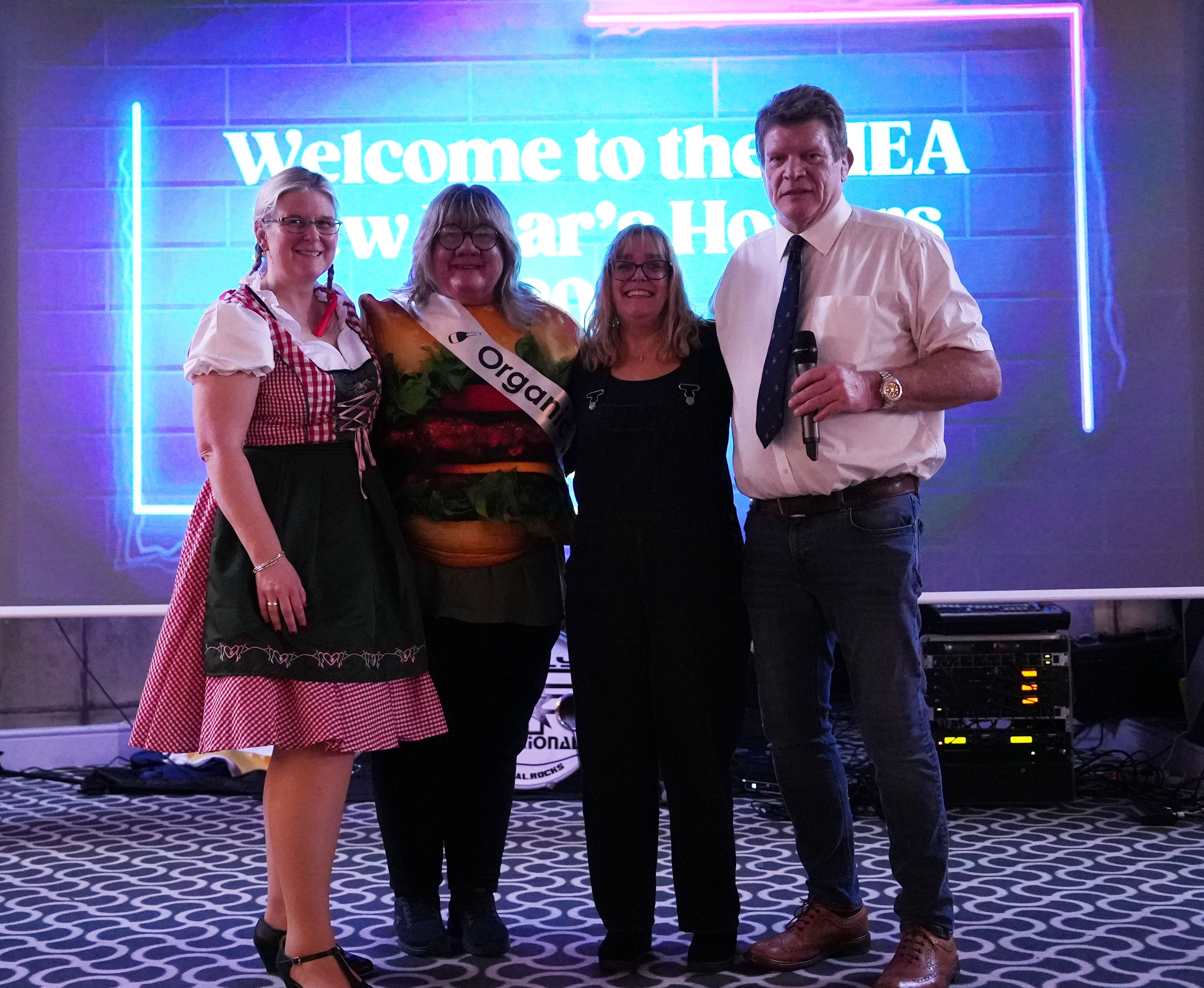
AIEA's New Year's Honours event
AIEA's New Year's Honours event

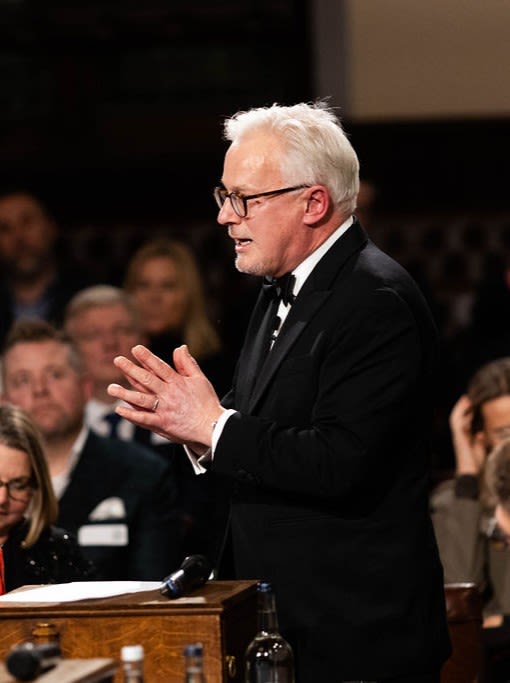
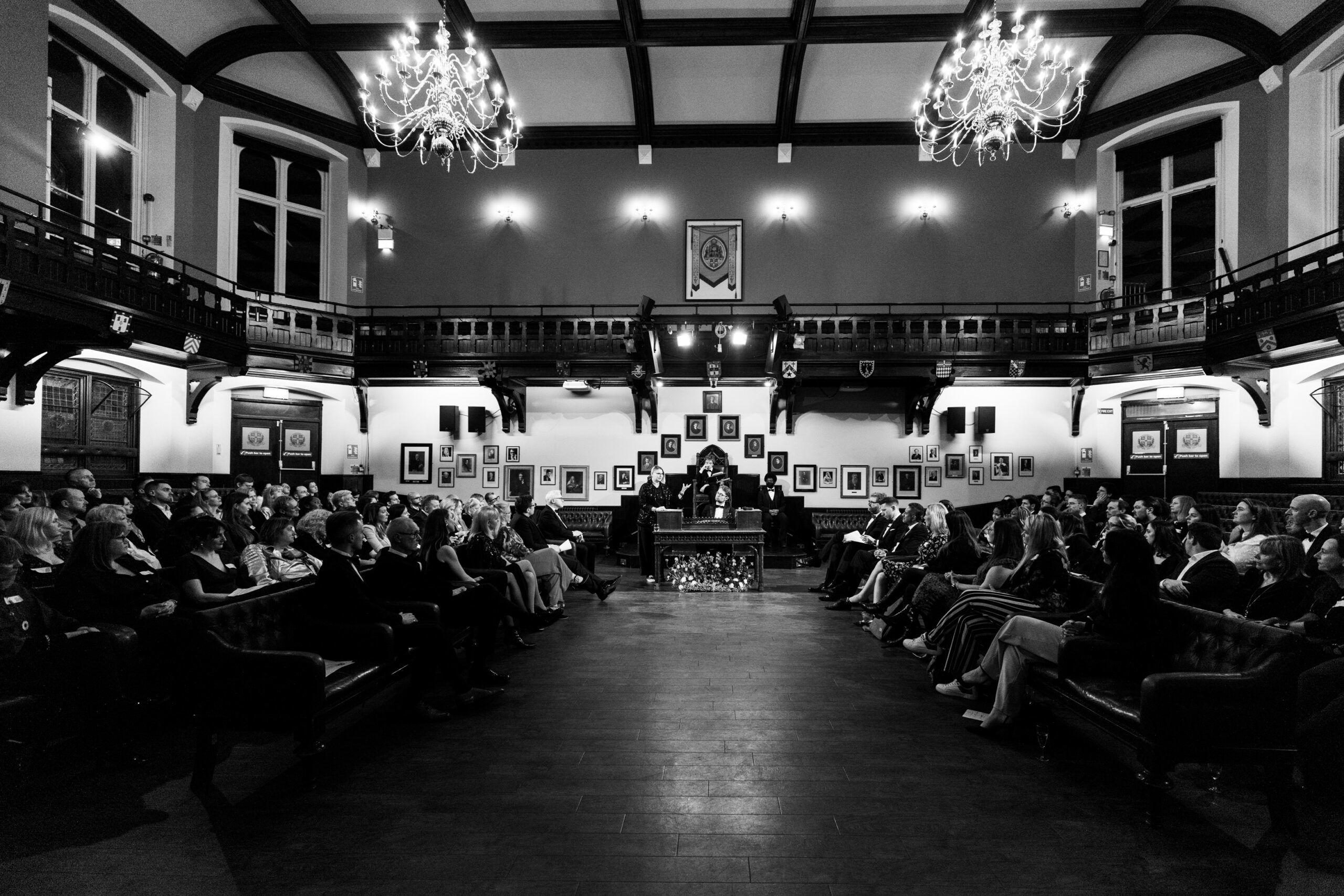
The Great Debate - pic by Regina Ray
The Great Debate - pic by Regina Ray
M&IT: The Great Debate has quickly become a much-loved event in the industry calendar. How else do you share that knowledge with members?
SE: We have four main events every year: the Great Debate in mid-January, the members meeting and annual awards at the end of January, a members meeting and summer party in July, and the charity event in December.
The members meeting is often taken up with just sharing where we are at financially or with plans or with what's happening. But we always leave space in that to share some knowledge.
Aimee Nicholas, the vice chair, is also looking after the the administration of the membership engagement. She's been really getting her teeth stuck in with payment platforms that hotels are using, just to see how we as agents can work better with those platforms as well.
Andy Swain's been looking at a sustainability project, and again, that knowledge sharing is done across members meetings and newsletter updates.
The most important thing about the alliance is that it is a board of directors. It's not just me. We've got a board who work together with it and that we will bring the membership with us. And the membership are just as involved in the decision making.
There are five of us on the board, Aimee Nicholas as vice-chair, Sam Hetherington as supplier relations lead, Pauline Caldaralo as educational visits lead, and Charlie Linton as treasurer.
We also are looking to work more with what we're calling associate directors, that interim step between being a member and a board member, working with the board on special projects. It's also a stepping stone to a board position, so it’s future proofing.
You're also looking to focus on professional development during your tenure, is that right?
SE: We're working on a programme within the alliance called Teach and Train. It's really small, but it's offering some form of training to our members or introducing them to trainers. There are six sessions throughout the year. The event industry calendar is so rammed that we don't want to overload anybody's calendars. We are looking at both formal sessions with trainers and also more roundtable discussions around things as practical as Excel and PowerPoint or increasing footprint across social media, to more personal development supporting menopause or mental health, looking at DEI and sustainability. That's something we're looking at developing with the membership and thanks to Hills Balfour, who are sponsoring us to enable us to do that.
I want to leave my chairmanship knowing that I did my best and that I have brought or added some value to the alliance, but also to the industry as a whole. I feel very strongly about the alliance, I love the alliance. I love the membership. I love our industry. I always want to see our industry flourish and do more.

 Built with Shorthand