“We’re in the golden age of experience”
With Identity and Smyle officially uniting under one banner, CEO Michael Gietzen is setting his sights firmly on the future. Here he reveals why now is the time for optimism, innovation and experience-led growth.


For Michael Gietzen, CEO of Identity, the unification of Identity and Smyle is not just a merger - it's a declaration of intent.
“We’re in what I truly believe is the golden age of experience,” he says. “Events and experiential aren’t just part of the marketing mix anymore - they are the strategy. Audiences expect more, brands are investing more, and the impact of live has never been greater. It’s an incredible time to be doing what we do.”
Gietzen's confident, creative and relentlessly optimistic outlook is at the heart of the newly enlarged Identity - a fusion of two of the UK’s most respected creative agencies into one internationally focused powerhouse.

From acquisition to unification
When Identity acquired Smyle last year, as both agencies began to collaborate more closely, it became clear to Gietzen that the best results - and the greatest creative potential - would come from full integration.
That evolution has culminated in the unification of the brands, which Gietzen describes as “a true people play.”
“Eighty per cent of this is about people,” he explains. “By bringing the talent together, we can do even better work. It’s not about cost savings or consolidation - it’s about building a stronger, smarter agency. The energy and collaboration we’ve already seen are amazing.”
Smyle’s creative heritage and global brand expertise now sit alongside Identity’s production strength and major-event pedigree, a combination that positions the business to tackle projects at every scale, from cultural spectacles to brand activations.
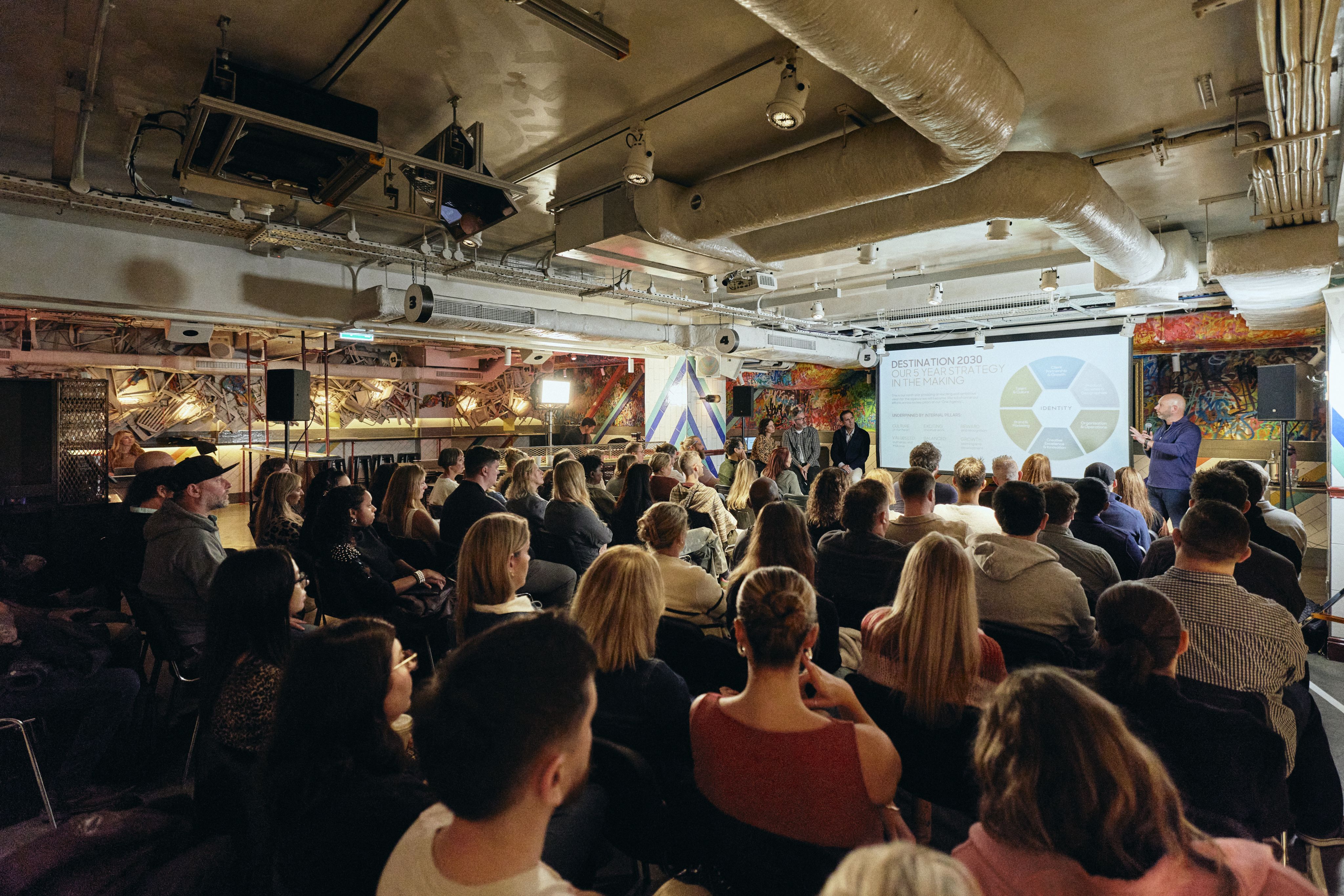
The rebrand, set to be revealed in November, will retain the Identity name but with a refreshed look and feel that reflects the coming together of the two agencies and their shared five-year vision, Destination 2030.
Era of experiential
That long-term strategy forms the backbone of Identity’s next chapter. Gietzen describes Destination 2030 as a roadmap built around five key pillars: value, technology, talent, globalisation, and resilience.
“It’s about responding to what we see as the most exciting era of experiential,” he says. “Over the next five years we’ll see clients demanding even more value, while our own costs continue to rise. Technology is transforming how we work, and audiences are evolving fast. Destination 2030 is our plan to get ahead of all that.”
The plan includes an international expansion that’s already well under way. Identity recently opened a new office in Saudi Arabia, adding to its presence in the UAE, Dublin and the UK, and has just signed the lease on a new New York office.
“Our clients increasingly want a global agency that can deliver consistent quality and value across multiple markets,” says Gietzen. “Identity is already an established global name - the unification just makes that proposition stronger.”

No disruption - just momentum
Despite the scale of the change, Gietzen is quick to emphasise that this isn’t about disruption or cost-cutting. “Both businesses were performing really well,” he says. “This is about growth and creating bandwidth. By working together, we can share resources, invest in technology, and open up opportunities for our people.”
Senior leadership teams have been consolidated but not reduced, creating what Gietzen calls a “bigger and more dynamic SLT.” He points to a culture of collaboration that now extends from business development and strategy to creative and delivery teams.
“You get access to the best strategists, the best business development minds, and the best delivery teams from across both agencies,” he says. “That mix gives us the ability to think bigger and move faster. It’s made us stronger.”
The era of the 50 year-olds
Unsurprisingly, technology plays a central role in Identity’s evolution, and AI in particular is already reshaping how the business operates.
“We’re fully embracing AI to streamline our systems and processes,” Gietzen says. “That means HR, accounting, data management - all the behind-the-scenes work that keeps an agency running efficiently.”
But beyond operational efficiency, Identity is also exploring how AI can enhance creative and strategic thinking. A head of technology and a team of innovation strategists now sit within the business, dedicated to identifying meaningful applications of emerging tech.
“We’re not just using AI for AI’s sake,” says Gietzen. “It’s about how we use it to advance creativity and strategy. We’re seeing huge benefits already, but we’re only at the beginning.”
He also makes a broader point about the human side of technology: “There’s this idea that AI levels the playing field but actually, experience matters more than ever. People with experience know how to interpret what AI gives back. It’s the era of the 50-year-olds,” he laughs. “They’ve got the life experience to know what’s good and what’s nonsense.”

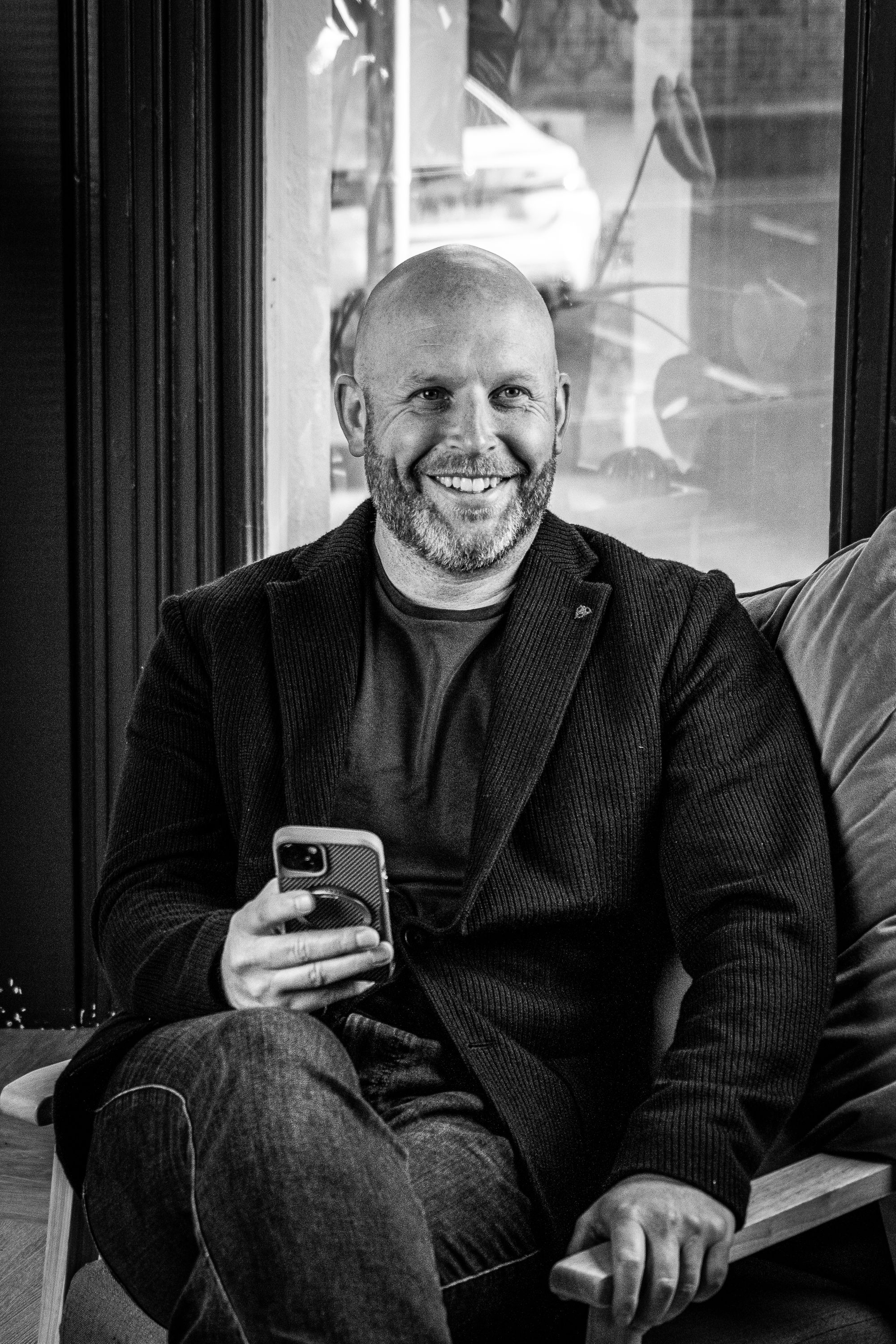
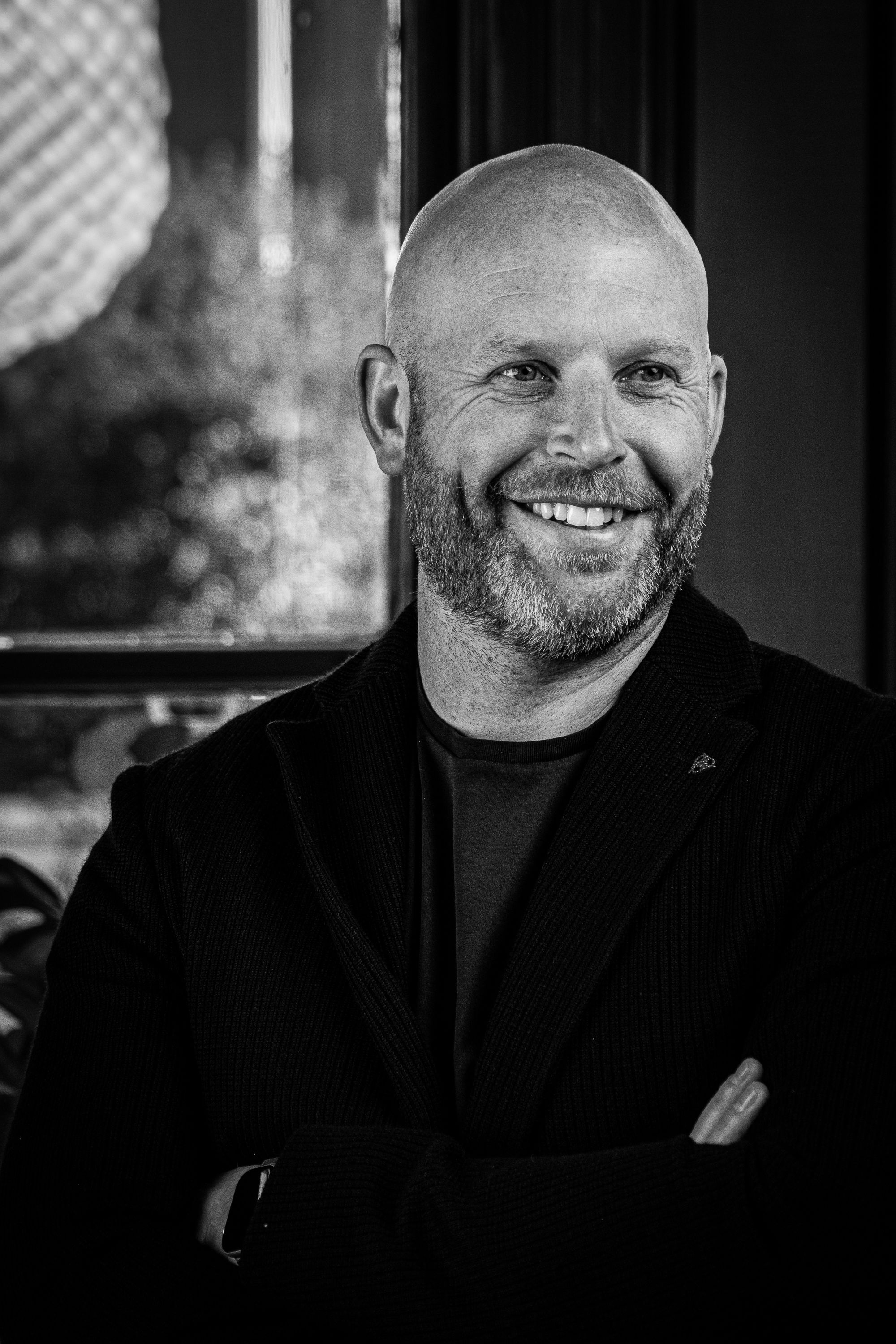
“Audiences’ expectations are higher than ever, so we’re under pressure to make every event meaningful and strategic.”
Michael Gietzen, Identity CEO

Global growth and golden opportunities
Alongside its major government and public-sector projects - including high-profile state occasions and London’s globally televised New Year’s Eve celebrations - Identity is now pushing deeper into sport and brand experiences.
The agency recently delivered fan activations for the Women’s Rugby World Cup and the World Table Tennis Championships in Las Vegas, and Gietzen sees sport as a key growth area.
“Sport gives us predictability and scale,” he explains. “You know the major tournaments years in advance, and they’re a brilliant platform for creativity and engagement. It complements our government and brand work perfectly.”
A bold, optimistic outlook
Gietzen credits much of Identity’s success to its leadership culture. “Dom, Olivier, and the wider SLT have been amazing,” he says. “When you talk about sunsetting a brand that’s 23 years old, you naturally think about the impact - but the excitement, trust, and belief in what we’re creating next is incredible.”
That trust extends to Identity’s clients, too. “What we want people to understand is that we’re here to serve our customers, not ourselves,” he says. “We’re willing to make the changes needed to keep pace with the shifting landscape they face.”
Meaningful and strategic
Perhaps what stands out most in conversation with Gietzen is his optimism, not just about Identity’s future, but about the live events sector as a whole.
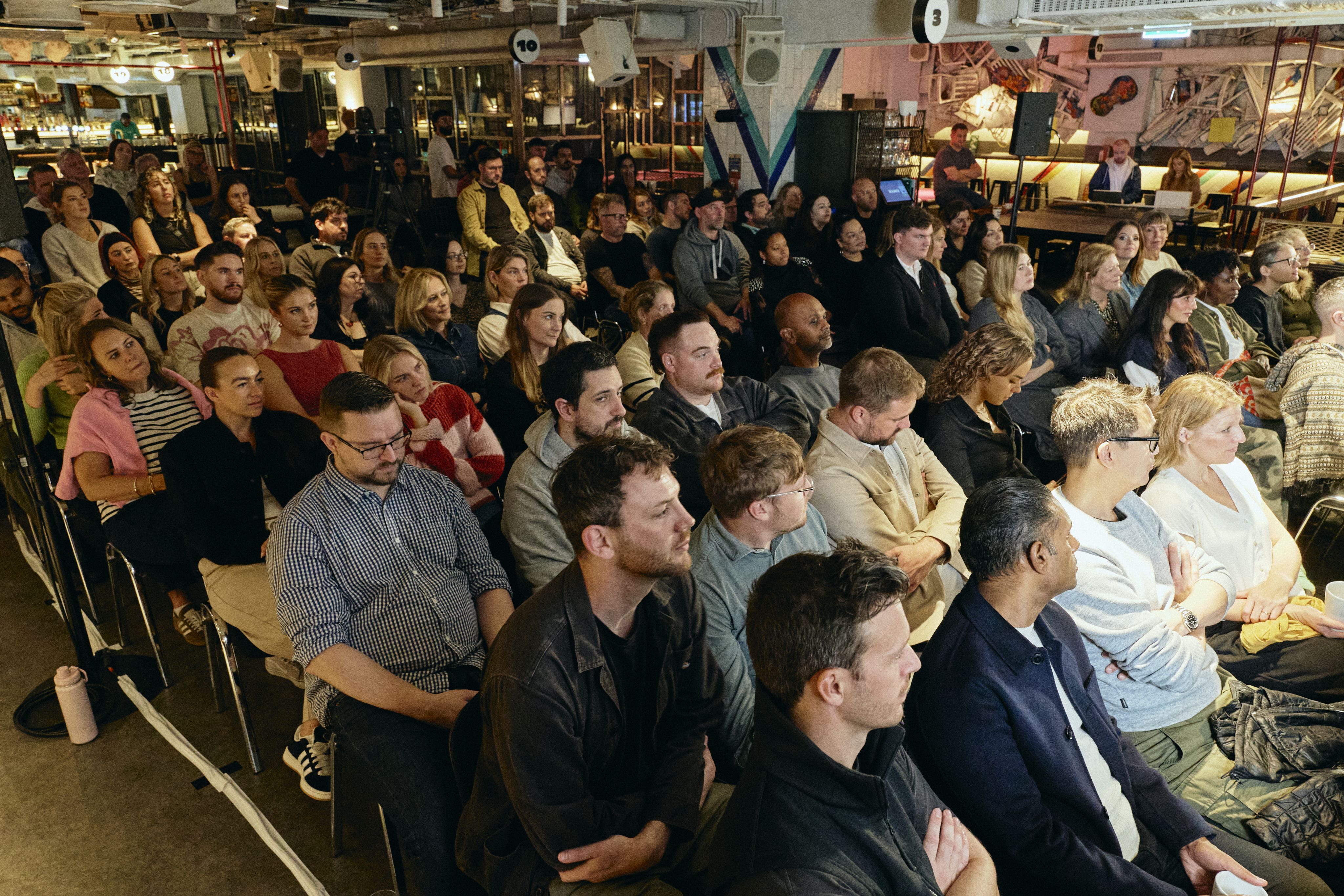
He’s convinced that face-to-face engagement will remain central to how people connect. “You can’t network properly or team-build without it,” he says. “Younger generations want experiences — they’re choosing to spend their time and money on them instead of traditional nights out. That’s not changing anytime soon.
“Audiences’ expectations for live moments are higher than ever, so we’re under pressure to make every event meaningful and strategic.”
It’s this combination of optimism, pragmatism, and purpose that defines both Gietzen and the agency he leads. As Identity prepares to unveil its refreshed brand and accelerate its global growth, one thing is clear: this isn’t just about two agencies coming together - it’s about a shared belief in the enduring power of experience.