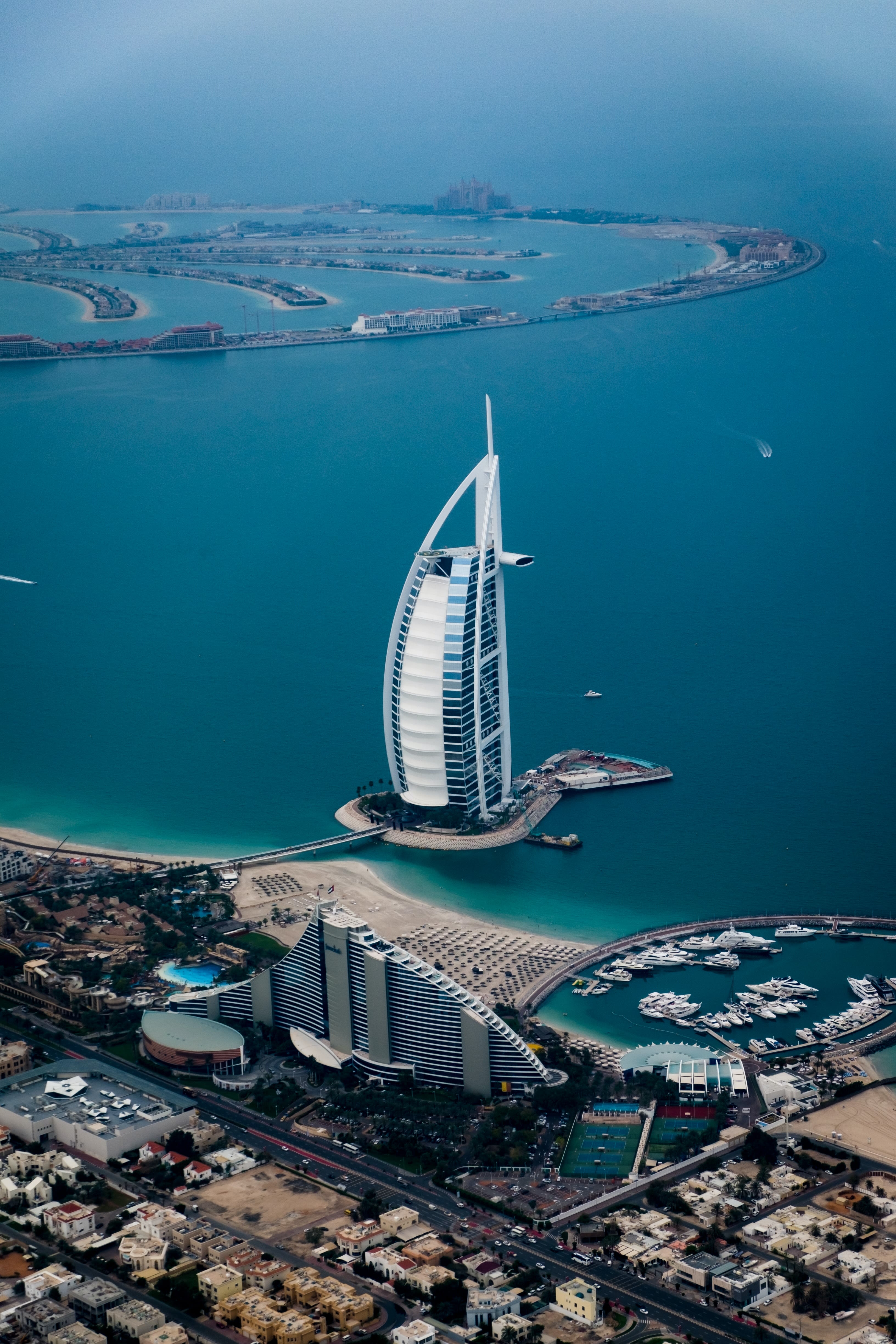
“I don’t think the UAE bubble has burst”
Corporate event organisers are reviewing Middle East programmes as the Iran war raises new questions around risk and travel. While some events are relocating, many industry figures believe the UAE’s world-class meetings sector will bounce back quickly.
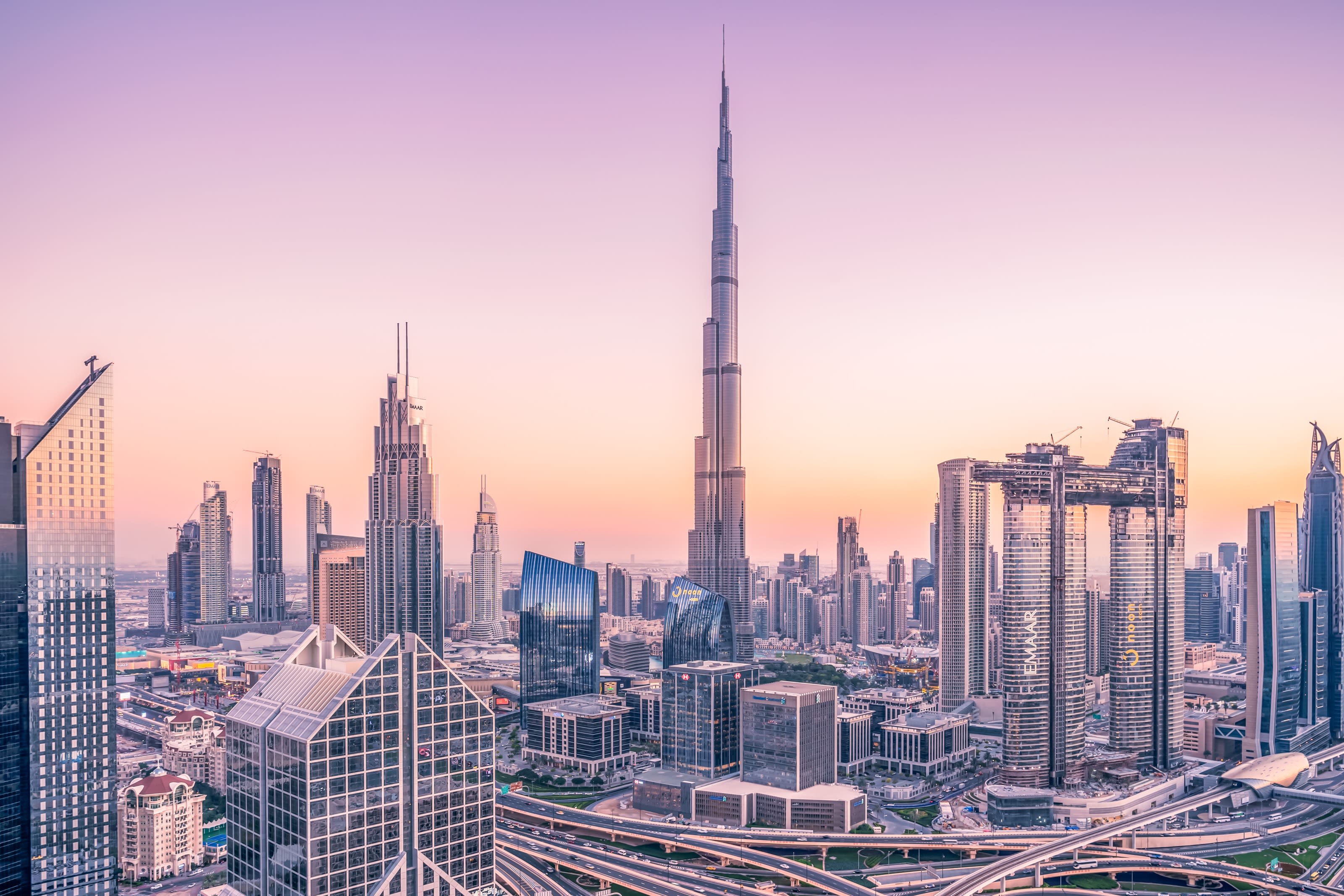

The war in Iran has triggered a wave of caution across the international meetings and events industry. Planners are reviewing programmes in the Middle East and reconsidering destinations once seen as bulletproof for corporate incentives and exhibitions.
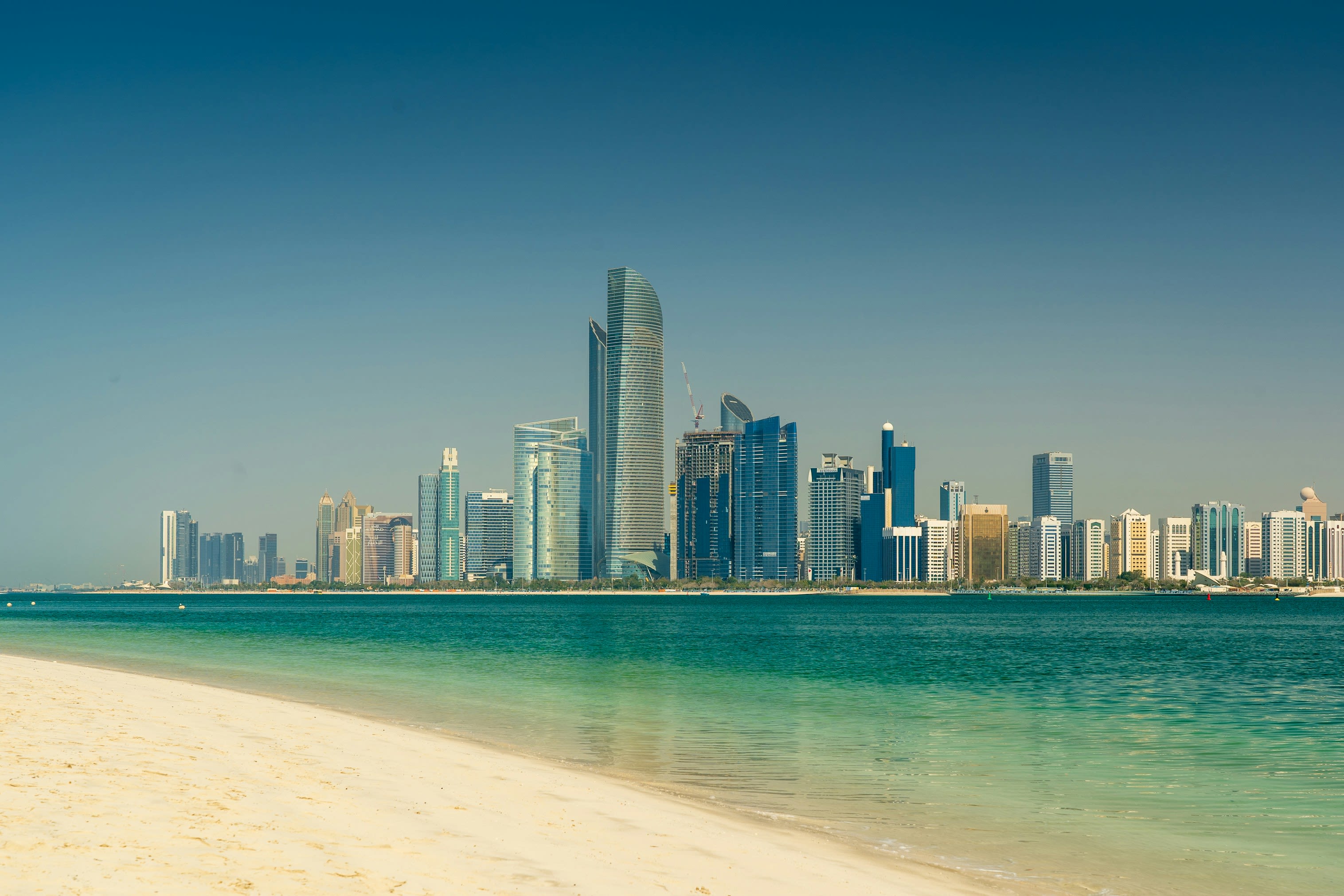
Dubai and Abu Dhabi have spent decades building reputations as safe, stable, and highly sophisticated meetings hubs. But recent developments are shifting perceptions.
Confidence shaken
Caroline Wiseman, director at The Event Strategists, says the immediate impact is already being felt.
“We are supporting organisations in relocating events due to take place in 2026. Those organisations are now reviewing their meetings and event programmes scheduled for future years. Corporations are now navigating the practicalities of relocating events at short notice, including securing availability and renegotiating hotel and venue contracts.”


Caroline Wiseman
Caroline Wiseman
She warns that if tensions persist, the ripple effects will grow.
“When events move suddenly to other regions, availability in major gateway cities can quickly become constrained, particularly for larger programmes requiring significant venue capacity and hotel inventory.”




Wiseman highlights the corporate lens on risk.
“Confidence often takes longer to rebuild following geopolitical instability. Governance frameworks, reputational considerations and duty-of-care responsibilities mean organisations tend to move cautiously when determining where to host events. Tourism typically returns sooner, once travel advice allows individuals to make their own decisions. Corporate events operate within a different framework, where employers carry direct responsibility for the safety and wellbeing of their people.”
Andrew Deakin, managing director of Conference Care, says geopolitical uncertainty tends to trigger a short-term pause.
“In our sector, geopolitical instability tends to create a short-term pause while organisations evaluate risk and consider the implications for travel and large gatherings. There may be a short-term pullback on overseas conferences and incentive travel while businesses reassess their plans. If uncertainty persists, it is possible that some events originally planned further afield could shift closer to home, which may benefit destinations in the UK and across Europe.”

Andrew Deakin
Andrew Deakin
Deakin adds that underlying demand remains strong.
“2026 has started strongly, with many corporates increasing their investment in meetings and events after a positive start to the year. If the geopolitical situation stabilises relatively quickly, there is every reason to believe the sector will remain resilient and that both 2026 and 2027 could continue to be strong years for the industry.”
The perception problem
For many planners, perception is now the biggest challenge.
Graham Alderman, owner of Ulterior Events, says the situation has shifted conversations around Dubai and Abu Dhabi.
“It’s a huge shift in perception of that region. Until two weeks ago, no one would have thought that any Middle Eastern conflict would directly bring in Dubai and Abu Dhabi, probably the two premier incentive destinations in our industry.”

Graham Alderman
Graham Alderman
He says clients are now asking a different question:
“Two weeks ago, if someone asked me if Dubai was safe, I would have said yes wholeheartedly. But now, purely because of what’s happened, the question ‘Is Dubai safe?’ has a different connotation. Before, when clients asked that, they meant crime. Now that question has much bigger implications.”
Alderman warns corporate security policies could further complicate matters.
“All these global security documents that big companies rely on are updated constantly. Previously employees might not have been allowed to travel to places like Jordan, Syria, Iraq or Iran. Now Dubai and Abu Dhabi could start appearing on those lists. That changes everything for those destinations.”
Events still moving ahead
Despite the uncertainty, some events are continuing as planned.
“For big exhibitions down there, if it’s all been locked in and booked, then they’re going ahead business as usual,” says Gavin Farley, CEO of asembl.group. “They’re very resilient. I think there’s too much to lose there.”

Gavin Farley
Gavin Farley
Some live events have been delayed while organisers navigate in-country travel logistics.
“Live events – we’ve had a couple that have pushed back a bit. It’s all in-country travel that’s the issue, bringing people in. But locally, they seem fairly resilient and are going ahead with things.”
Farley highlights Dubai’s history of bouncing back.
“If anyone can get back to form quickly, it’s Dubai. The reality of it is probably going to be fine, but the perception of it - is that going to be rocked? I do think that bubble maybe has taken a slight dent. However, if anyone is going to bounce back from this, I’d back them over anyone else.”
Scott Brown, group director of sales and marketing – Kingfisher Hospitality Group, concurs.
“From a hotel perspective, particularly those of us operating airport properties, there is clearly a short-term impact when Middle Eastern routes are disrupted. A number of our hotels host airline crew from the region, so when flights are grounded or reduced, even temporarily, that business pauses almost overnight.
“That said, the UAE and wider Gulf travel market has historically proven very resilient. Once airspace and schedules return to normal, we would expect demand and crew movements to rebound relatively quickly.”
Talent and investment risk
The conflict is already influencing decisions among professionals who relocated to the Middle East.
“Over the last couple of years there’s been a real gold rush to the region,” says Robert Kenward, Fitability recruiter at Jigsaw Talent Solutions. “The scale of the budgets for experiential and brand activations has been huge compared with Europe. But since the conflict escalated, I’m hearing from more and more people who are reconsidering whether they want to stay long term.”

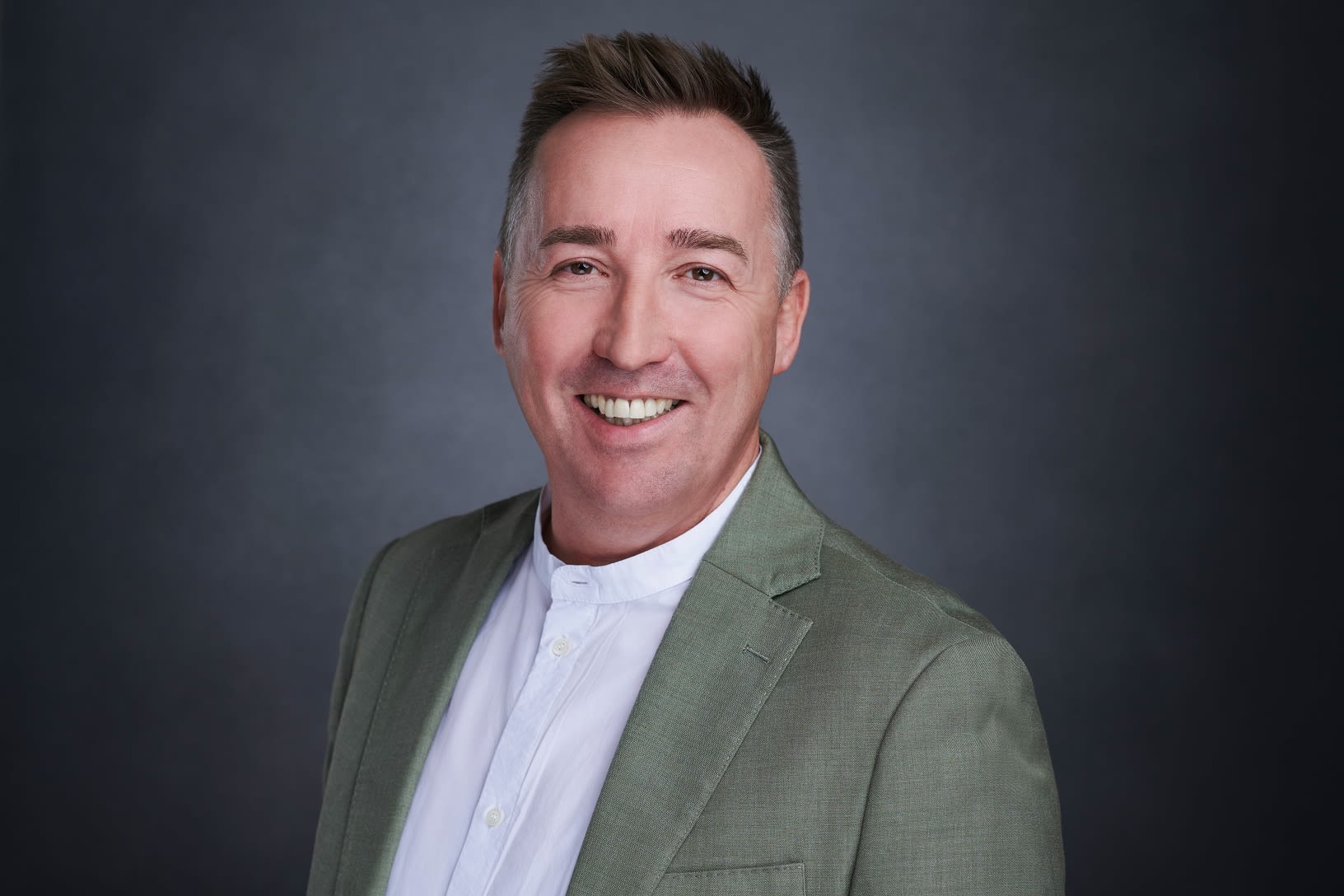
Robert Kenward
Robert Kenward
He warns that a slowdown in international talent could create staffing challenges for agencies delivering major projects.
“Uncertainty is also affecting the commercial side of the market. When events budgets can run into tens of millions, even a small number of projects being paused or cancelled has a significant impact on agencies’ revenue.”
At the same time, Kenward notes opportunities for other markets.
“We’re already hearing from UK venues and agencies that they’re receiving enquiries from organisers who had planned events in the Middle East but are now looking at alternative destinations. The UK is seen as a stable place to host international events, so some of that business is naturally starting to move back in this direction.”
A resilient destination
Despite the short-term uncertainty, confidence is expected to return.


David Tremmil
David Tremmil
“I don’t think the UAE bubble has burst,” says David Tremmil, director of Inloco Events. “What we usually see in the events industry during geopolitical tension is a short pause while organisations assess risk and review travel advice. The UAE has spent years establishing itself as a safe, globally connected meetings destination with world class infrastructure. Sometimes perception of the wider region creates hesitation, but once situations stabilise confidence tends to return quickly. I expect this to be a temporary moment of caution rather than a long term shift away from the UAE.”
How are the geopolitics of the Iran conflict affecting your decision making? The latest Northstar Meetings Group/Cvent Meetings Industry PULSE Survey (EMEA) is open - we’d love your take on this question and more.