
"If events aren’t being taken seriously, it's because we’re speaking the wrong language"
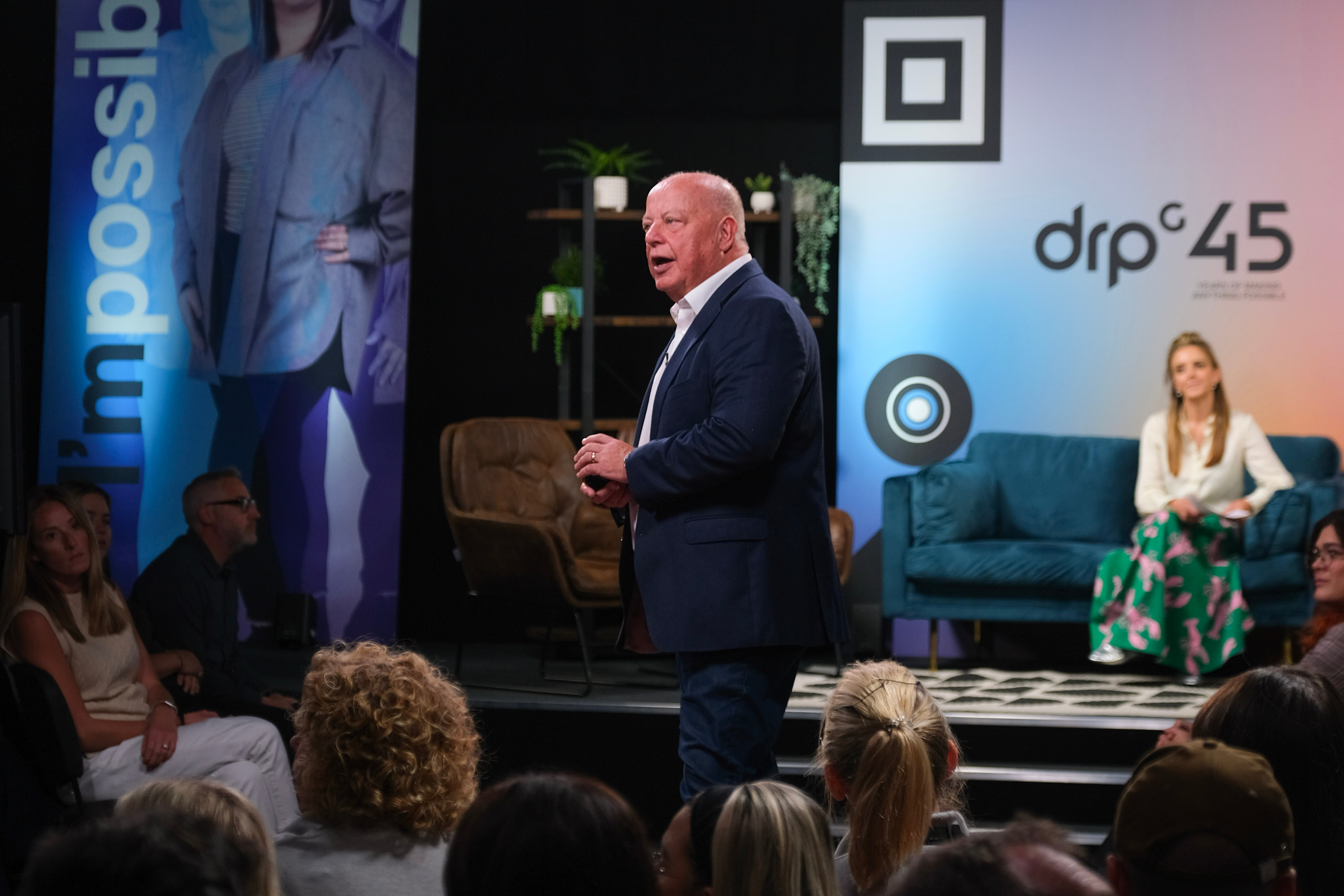

The events industry has long argued for its place at the top table. It talks about impact, engagement and ROI. It points to packed rooms, standing ovations and post-event buzz as proof of success.
But according to DRPG founder and CEO Dale Parmenter, the problem isn’t visibility - it’s language.
“We can shout as much as we like,” he says. “But to be taken seriously, we have to be talking in a different language.”
That language, he argues, is not about venues, production or delegate numbers. It’s about value, outcomes and measurable change. And until the industry shifts how it frames its role, it risks remaining stuck as a delivery function rather than being recognised as a strategic driver of business performance.


Dale Parmenter
Dale Parmenter

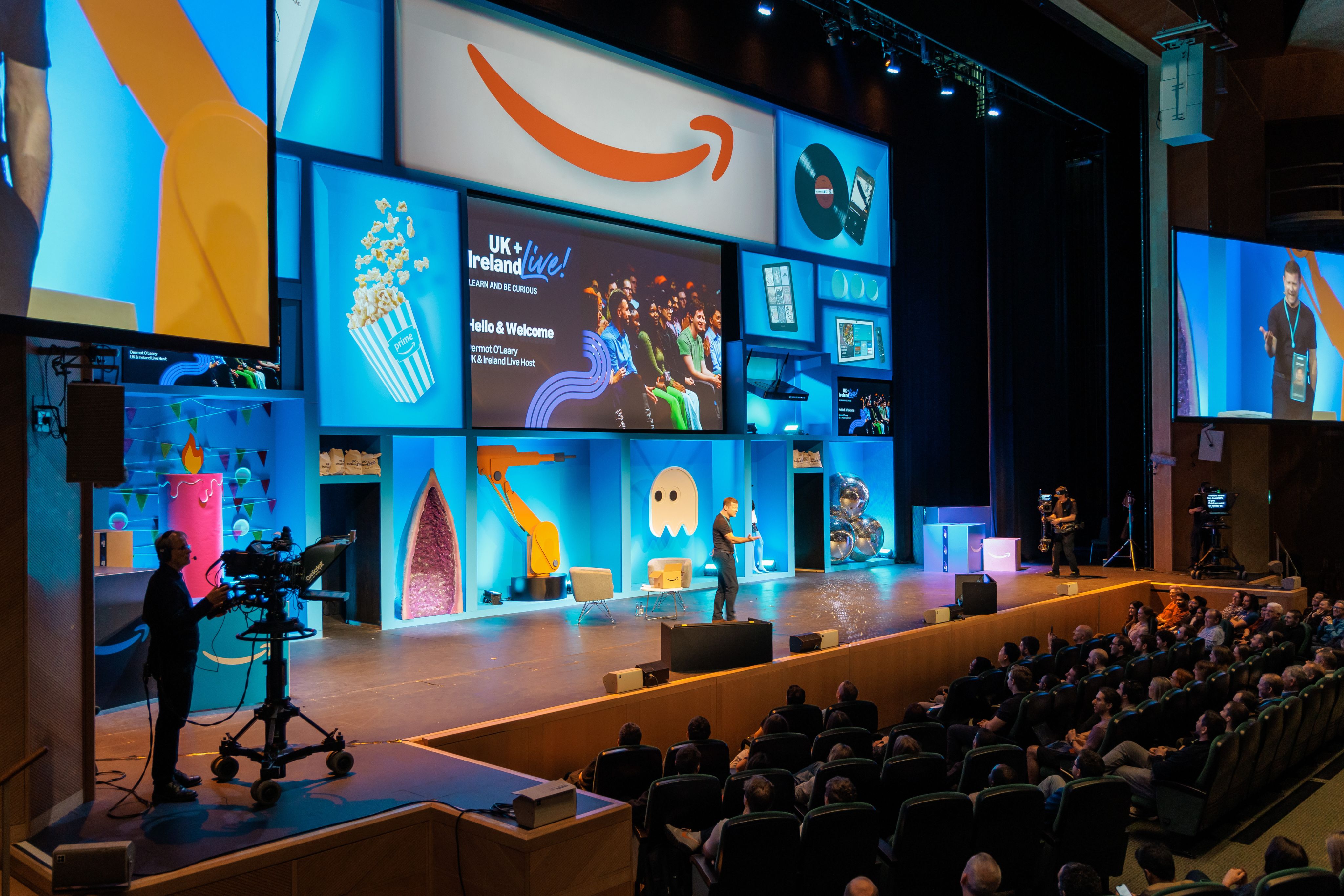

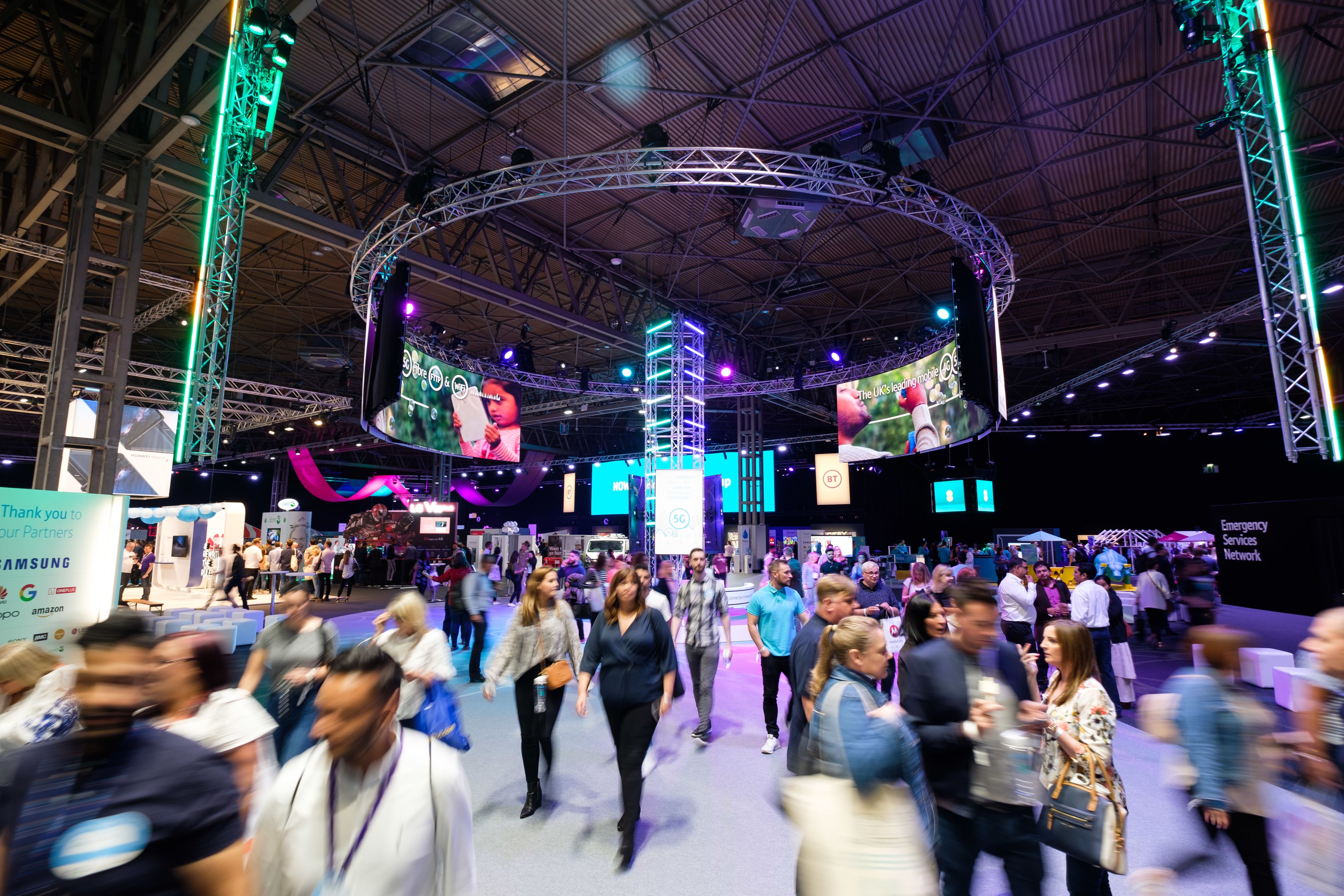

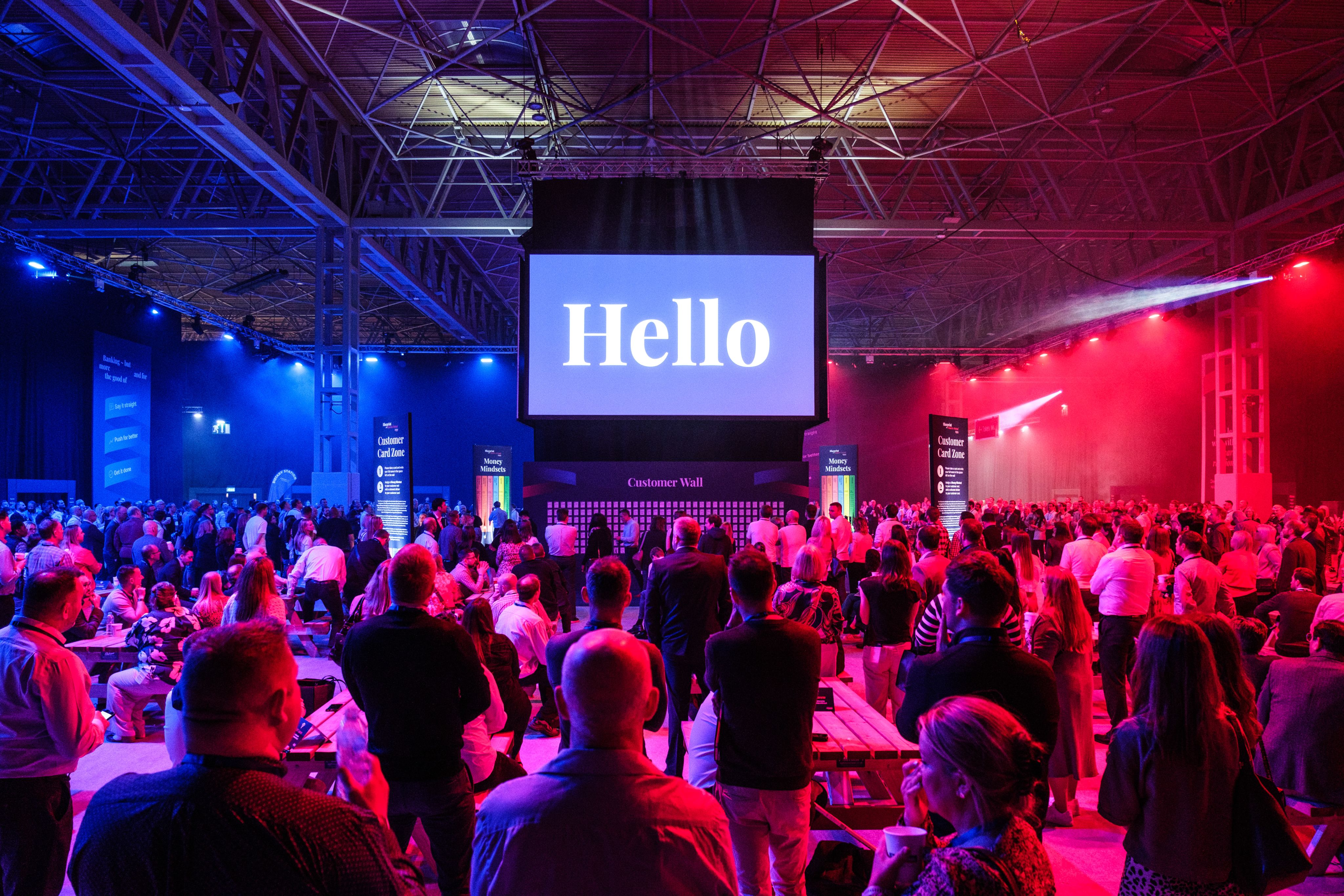
For many event professionals, the process is familiar. A brief comes in and the conversation quickly turns to logistics: the venue, the speakers, the format, the catering. It’s an operational mindset the industry has been built on - and one it executes extremely well.
But maybe, says Parmenter, that’s exactly where the problem lies.
“All too often, we go straight to the inputs,” he says. “We talk about what we need to put the event on, rather than asking why we’re doing it in the first place, and what we want to achieve.”
That distinction between inputs and outcomes is more than semantics - it shapes how events are perceived by clients and stakeholders. When the conversation starts with logistics, events are positioned as a cost. When it starts with outcomes, they become an investment.
Credibility gap
The irony, Parmenter argues, is that the industry has never had a stronger case to make.
Citing recent research, he points out that face-to-face experiences are now among the most trusted forms of communication, significantly outperforming digital channels.
“People believe what they hear when they’re in a room,” he says. “It’s real. It’s human. It’s not open to the same misinterpretation as digital channels.”
And yet, despite this advantage, the industry continues to undersell itself.
“We’ve got one of the most powerful communication channels available,” he says. “But we don’t shout about it in the right way, and we don’t always position it in the right way either.”
Part of the issue is structural. Events are often brought into projects late, once key strategic decisions have already been made.
“We should be at the top of the supply chain, not halfway down it,” Parmenter argues. “We should be having conversations at C-suite level about what the organisation is trying to achieve, and how live experiences can help deliver that.”
From applause to impact
For Parmenter, success is too often judged on surface-level indicators: audience size, engagement on the day, or even something as subjective as audience reaction.
“I’ve had CEOs say to me, ‘I know it worked because we got a standing ovation,’” he says. “That’s not a measure of effectiveness.”
Instead, he advocates for a more rigorous approach; one that starts before the event is even designed. That means defining clear objectives, identifying the behaviours that need to change, and setting benchmarks against which success can be measured.
“What do you want people to do differently after the event?” he says. “If you can’t answer that, you shouldn’t be planning the event yet.”
At its core, Parmenter’s argument is not about tools or tactics; it’s about mindset.
“The industry has become too comfortable operating as a highly efficient delivery machine. But in doing so, it has limited its own perceived value”, he says.
“To change that, event professionals need to rethink how they engage with clients. That means asking different questions, pushing conversations upstream, and being more confident in challenging briefs.
“We need to start with vision, strategy and purpose. Then we can get into the detail of how the event is delivered.”
The risk of standing still
The urgency behind this shift is only increasing as new technologies, particularly AI, reshape the broader marketing and communications landscape.
“We’re in danger of becoming a commodity,” Parmenter warns. “And once that happens, you’re no longer judged on the impact you create; you’re judged on how cheaply you can deliver it.”
The alternative, says Parmenter, is to reposition events as a strategic investment, rooted in outcomes and aligned with business objectives.
Ultimately, Parmenter believes the industry’s future depends on its ability to change not just what it does, but how it talks about what it does.
That means moving beyond internal conversations and engaging more directly with the sectors events serve, from retail and finance to engineering and beyond. It also means articulating, in clear commercial terms, the role events play in driving performance, culture and change.
“We’re very good at talking to ourselves,” he says. “But we need to be talking to clients, to business leaders, to wider industry, and showing them the value we bring.”
Because until that shift happens, the industry risks continuing to make the same argument - and being met with the same response.