“Sit down and listen is dead”: asembl.group on the future of events
The old model of events is being replaced by a more dynamic, community-led approach, where attendees don’t just consume content, but shape it. M&IT editor Paul Harvey sat down with asembl.group's Gavin Farley and Mark Scales to hear why.
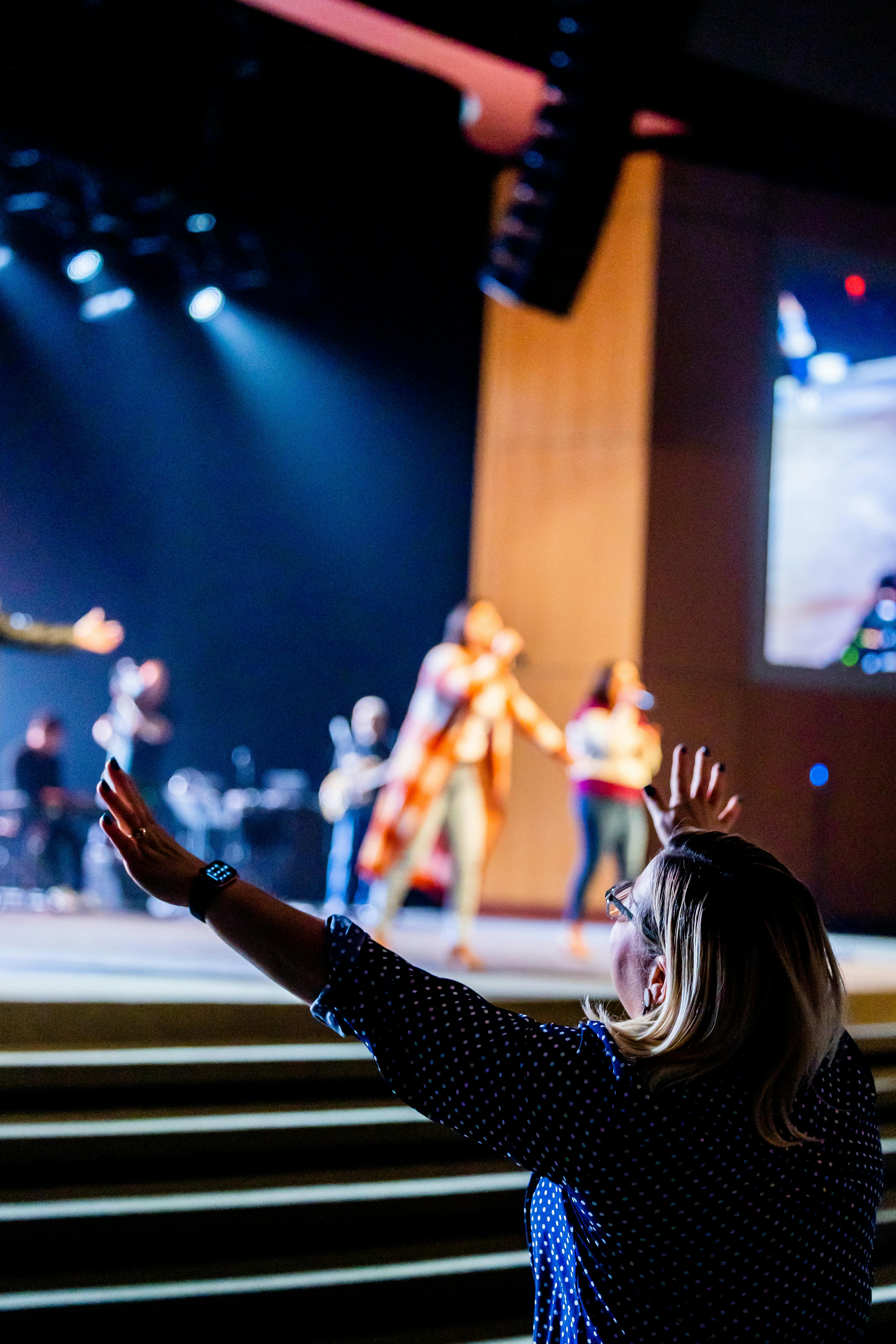

The writing's on the wall - the era of the passive event attendee is coming to an end.
At least, according to asembl group it is. I sat down with CEO Gavin Farley and head of client services Mark Scales to talk about why the traditional event model - built on stages, speakers and one-way communication - is no longer fit for purpose.
“Sit down, shut up and listen - that was the old school approach,” says Gavin Farley, CEO and founder of asembl.group. “But it doesn’t necessarily create the results people want anymore.”
Across the industry, brands are recognising a fundamental shift: audiences no longer want to be talked at. They want to be involved.
And in an era shaped by social media, influencer culture and shrinking attention spans, that expectation is only intensifying.

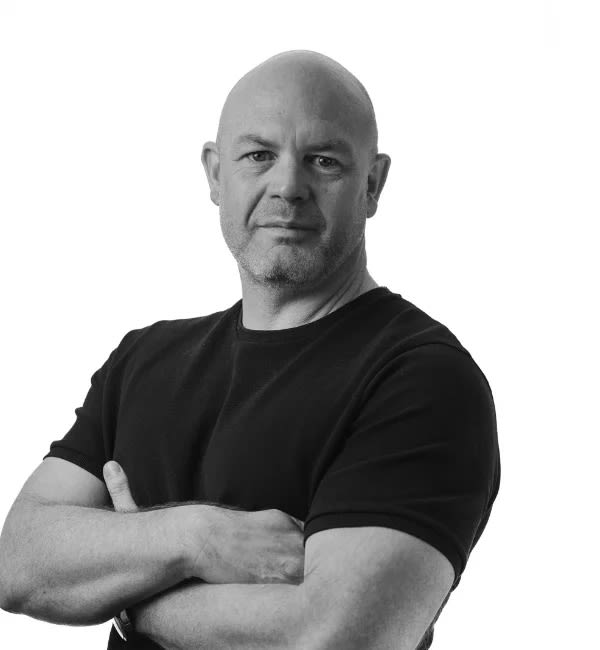
Gavin Farley
Gavin Farley



From broadcast to community
At the heart of this shift is a bigger change in how people engage with brands.
“We’re seeing a massive trend towards community-based experiences,” Farley explains. “It’s not just about putting on an event anymore, it’s about why people are there and what they take from it.”
That shift is being driven, in part, by the wider digital landscape. As audiences become more accustomed to personalised, participatory content online, expectations for live experiences are rising.

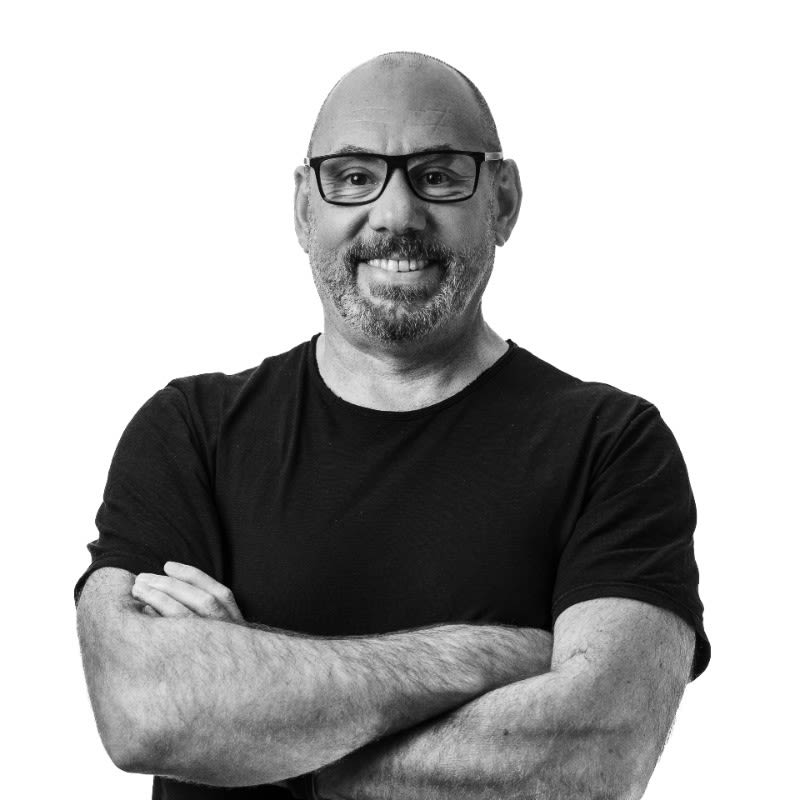
Mark Scales
Mark Scales
“You’re more likely to be influenced by someone you relate to,” adds Mark Scales, head of client services at asembl.group. “Someone who feels part of your community, rather than someone just talking at you from a stage.”
The implication is clear: influence is no longer top-down. It’s peer-driven.
To understand where events are heading, Farley argues, the industry needs to look beyond itself.
“We can be quite insular,” he says. “We spend a lot of time looking at what we’re doing, rather than where brands outside our space are winning.”
And many of those brands are already mastering community-building.
From large-scale experiential activations to digital-first platforms brought to life, the most successful examples share a common trait: they turn audiences into participants.
“It’s about taking something people engage with digitally and making it tangible,” Farley says. “Giving them a way to be part of it in real life.”
The same principles are now being applied to business events - blurring the lines between B2C and B2B.
“The crossover is huge,” he adds. “It’s no longer B2B or B2C—it’s human to human.”
Designing for participation
So what does this look like in practice? It starts with rethinking the structure of events themselves.
Rather than centring everything around a main stage, organisers are creating multiple touchpoints for engagement - workshops, discussions, peer-to-peer sessions and collaborative problem-solving.
“It’s about getting people to take ownership,” says Scales. “If they feel part of shaping something, they’re far more likely to buy into it.”
That shift also requires a deeper understanding of audience needs.
“Why am I here? What difference can I make?” Scales says, describing the questions attendees are now asking.
“If you can’t answer those, people disengage.”
Demographics are accelerating this change.
With younger generations entering, and reshaping, the workforce, expectations around communication, authenticity and experience are evolving fast.
“Fun and authenticity are massive,” Farley says. “People want to feel part of something. They want experiences that mean something to them.”
Traditional formats - long plenaries, one-way messaging, rigid agendas - are increasingly out of step with those expectations.
Instead, there is growing demand for flexibility, interaction and experiences that feel personal.
“It’s about understanding your audience properly,” Farley adds. “Not just assuming what worked before will work again.”
Beyond the moment
Perhaps the most significant shift is how events are positioned in the wider brand ecosystem. Where once they were seen as standalone moments, they are now part of a continuous engagement strategy.
“There’s so much more happening before and after the event,” Farley says. “It’s not just a moment in time anymore.”
That includes pre-event content and community-building, as well as post-event platforms that keep conversations going.
“On-demand content, online forums, ongoing discussions - it all plays a role,” Scales explains. “It’s about maintaining momentum.”
Rethinking ROI
As events evolve, so too does the way success is measured.
Traditional ROI metrics are being complemented by broader indicators of engagement and influence.
“It’s not just about return on investment,” Farley says. “It’s about impact. What’s changed as a result of this event?”
That could mean stronger internal alignment, increased brand advocacy, or extended reach through social sharing and community activity. And in some cases, the ripple effects far outweigh the event itself.
“You might have 1,000 people in the room,” Farley notes, “but the reach and influence can be much bigger than that.”
A new role for events
Taken together, these shifts point to a redefinition of what events are for. No longer just platforms for communication, they are becoming tools for connection, collaboration and culture-building.
“They need to feel valued,” Scales says of attendees. “They need to feel like they’re part of something.”
For Farley, the direction of travel is clear.
“Static isn’t a thing anymore,” he says.
For organisers and brands, that requires a different mindset; one that prioritises participation over presentation - or risk getting left behind.