Pioneering palates
How a sustainable menu took centre stage at DRPG’s BigTalk


Worcester-based creative communications agency DRPG recently received a B Corp Certification.
Group CEO of DRPG, Dale Parmenter said the whole team had embarked on “an extraordinary sustainability journey spanning more than 15 years.”
The passion and commitment for implementing sustainable practices was evident when I visited the DRPG headquarters in September for the annual DRPG BigTalk event which provided interactive and engaging insights into the themes currently shaping the industry - from the proliferation of artificial technology to sustainable practices.
And DRPG practises what it preaches when it comes to sustainability.
After a day of BigTalk educational sessions, guests enjoyed an on-site awards ceremony and gala dinner, of which 96 per cent of menu items had been sourced within the UK.
Here, Dale tells me how they pulled off the ultra-local menu…

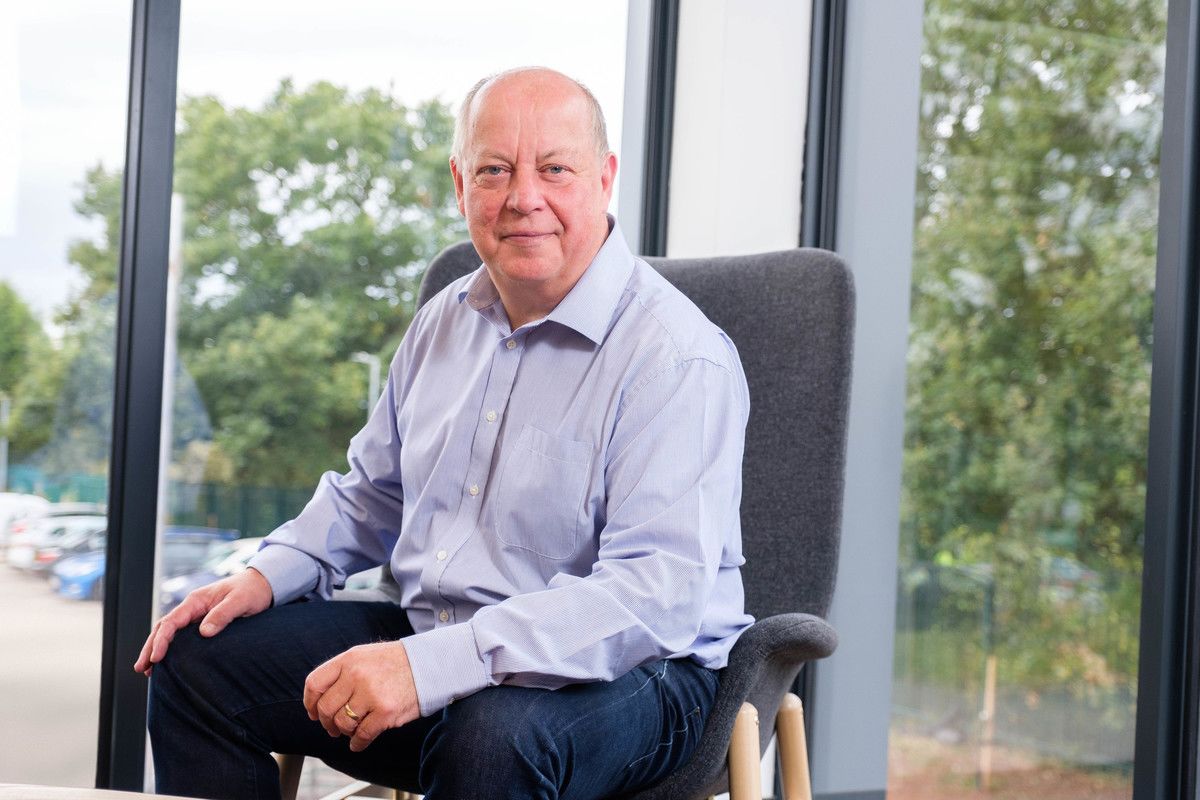
Dale Parmenter, group CEO, DRPG
Dale Parmenter, group CEO, DRPG


How can other event planners source chefs who are enthusiastic about local, seasonal menus?
Firstly, speak to the venue or the caterer to assess if the local area could support the challenge, they should have the best insight to help.
Then decide on how far you would travel to source the ingredients. Draw a circle with the venue in the middle, research which providers you’d like to use, and keep it fun by looking at how the suppliers and ingredients will become part of the storytelling experience.
When they find the right catering partner, what questions should event planners be asking?
The key is analysing the supply chain and understanding that ‘local’ really must mean local.
This means looking for short chains of supply and how produce or ingredients are stored or the conditions in which they are grown. It’s no good sourcing local tomatoes when they have been grown in greenhouses heated by oil.
Consider what the story is behind the produce and think about the images you can gather to make an engaging dining experience.
Allow plenty of time to research and plan, as it will take longer to create the menu but with a greater reward.


Was the DRPG BigTalk menu more expensive than a menu with an increased carbon footprint?
Yes, unfortunately. In many cases, we sourced from smaller suppliers such as farm shops and smaller businesses aren't always geared up for volume, therefore costs can be higher, although not all the time.
Some produce can be lower in cost if sourced straight from the growers.
Drinks are particularly more expensive; a bottle of English wine can be three times the cost of a bottle of New Zealand, so we also must consider the ‘three Ps: People, Planet, Profit.’ Hence, we look at everything in a balanced approach using the 3 Ps policy and our decision tree as our guide.
It comes down to how committed you are to your sustainability objectives, and what type of experience you want to provide your guests.

Did you measure the carbon footprint of the menu?
To a degree, but not just in transport miles.
Take the potatoes, for example. We may have driven just a couple of miles to go and dig them for the meal, so they were a very low-carbon menu item. But we also considered where the potato seeds came from, how the potato fields were prepared for planting, and what pesticides were used.
Looking at the English wine, it may have been produced within a few miles of the venue, but the glass bottles could have been made in China.
You have to decide how far you want to go and how much detail to go into.
Ask yourself ‘To what end do we want to measure this menu?’


 Built with Shorthand