
Sustainability: why incremental change has the biggest impact
Sustainability isn't about perfection but rather incremental progress, says Peter Trapnell, sustainability champion and creative services director, TRO. Here he explains why small, meaningful, changes help ensure that sustainability becomes more than just a theoretical concept.
By Peter Trapnell, sustainability champion and creative services director, TRO



The landscape of client expectations around sustainability has shifted dramatically over the past few decades.
When TRO began its journey in 1982, sustainability was more of a practical necessity than a global imperative. We designed, built, and stored our clients’ kits in our Norwich warehouse, reusing desks, spec stands, and furniture multiple times a year. This 'retain and re-use' philosophy, initially driven by cost-efficiency, has evolved into a cornerstone of sustainable practice. Today, it's clear that agencies must not simply follow this trend; they must lead it.






The 2012 Olympics acted as a defining moment, bringing sustainability to the forefront of event planning. This event urged eventprofs to embed sustainable best practices across the board. While it’s no longer ‘new news’, that sustainability has become non-negotiable for clients, the increasing demand now is for partners capable of delivering eco-friendly solutions – without compromising on creativity or impact. Clients expect experiences that are good for people and the planet.
At TRO, our sustainability journey began to take a structured form in 2014 when we started measuring our carbon footprint. This provided a benchmark for our progress and helped in making informed, strategic decisions. Initially guided by ISO 14001, we understood that adhering to a framework for environmental responsibility was crucial. But client expectations continued to evolve, pushing us further and today, we collaborate with sustainability experts like The Bulb to craft robust, actionable sustainability strategies.
Clients often stress the need for sustainable or reusable materials right from the briefing stage. However, as projects evolve, tensions often arise between crafting the ultimate sustainable event and meeting other marketing KPIs. This juxtaposition of ‘doing the right thing’ environmentally while fulfilling the client's brief is prevalent. The key lies in collective problem-solving: from aligning with like-minded suppliers to considering long-term impacts for every element we design.



Agencies play a crucial role here, acting as mediators who can expertly balance these competing priorities. Contracts that span multiple years present opportunities to reuse resources, therefore minimising waste and enhancing sustainability. Gathering data post-event becomes pivotal, as it enables us to measure impact and implement improvements for future projects. Sustainability isn't about perfection but rather incremental progress. If you can implement one sustainable measure at your next event, aim for two at the next. Each small step contributes significantly to the greater goal.
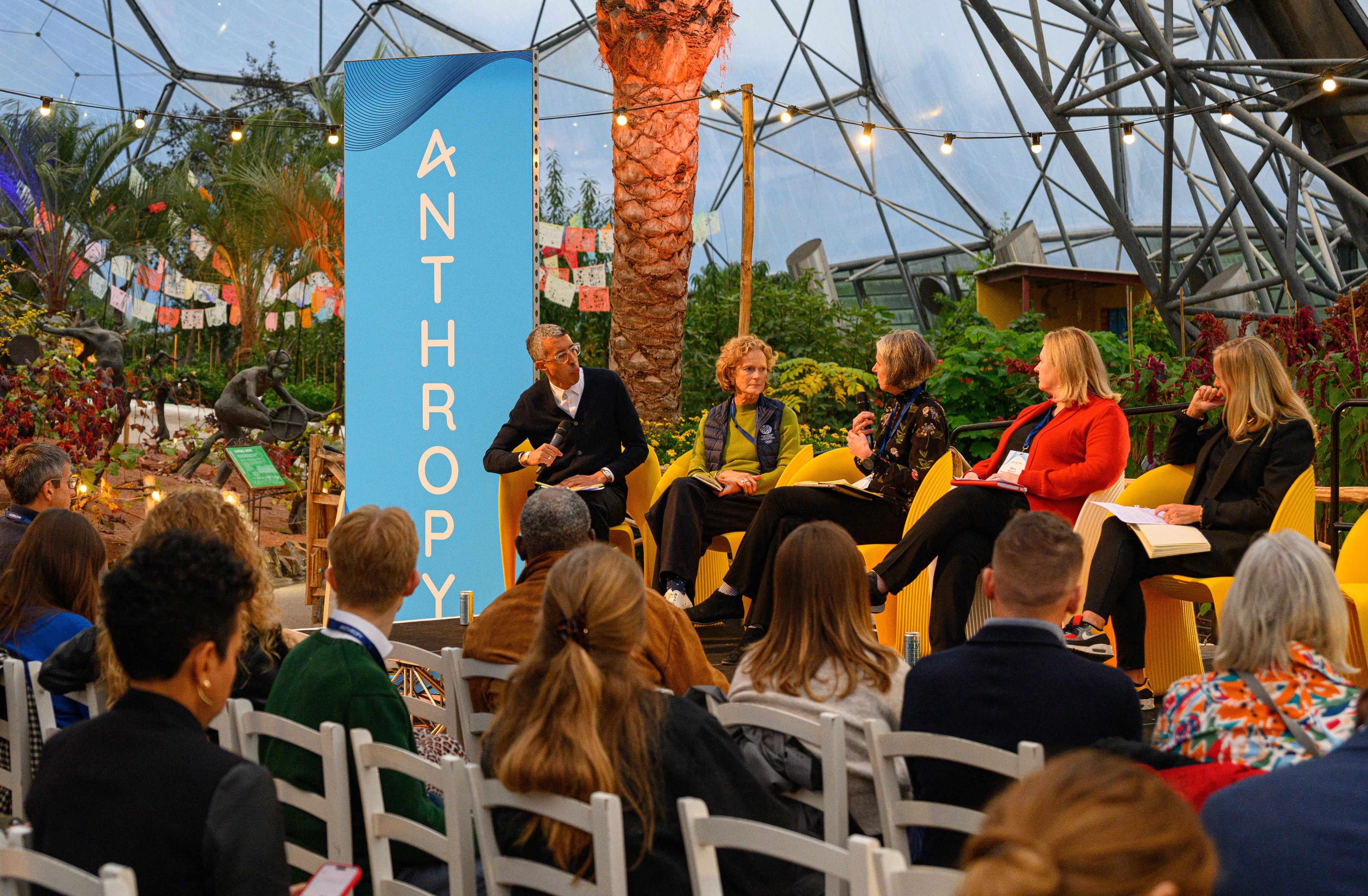
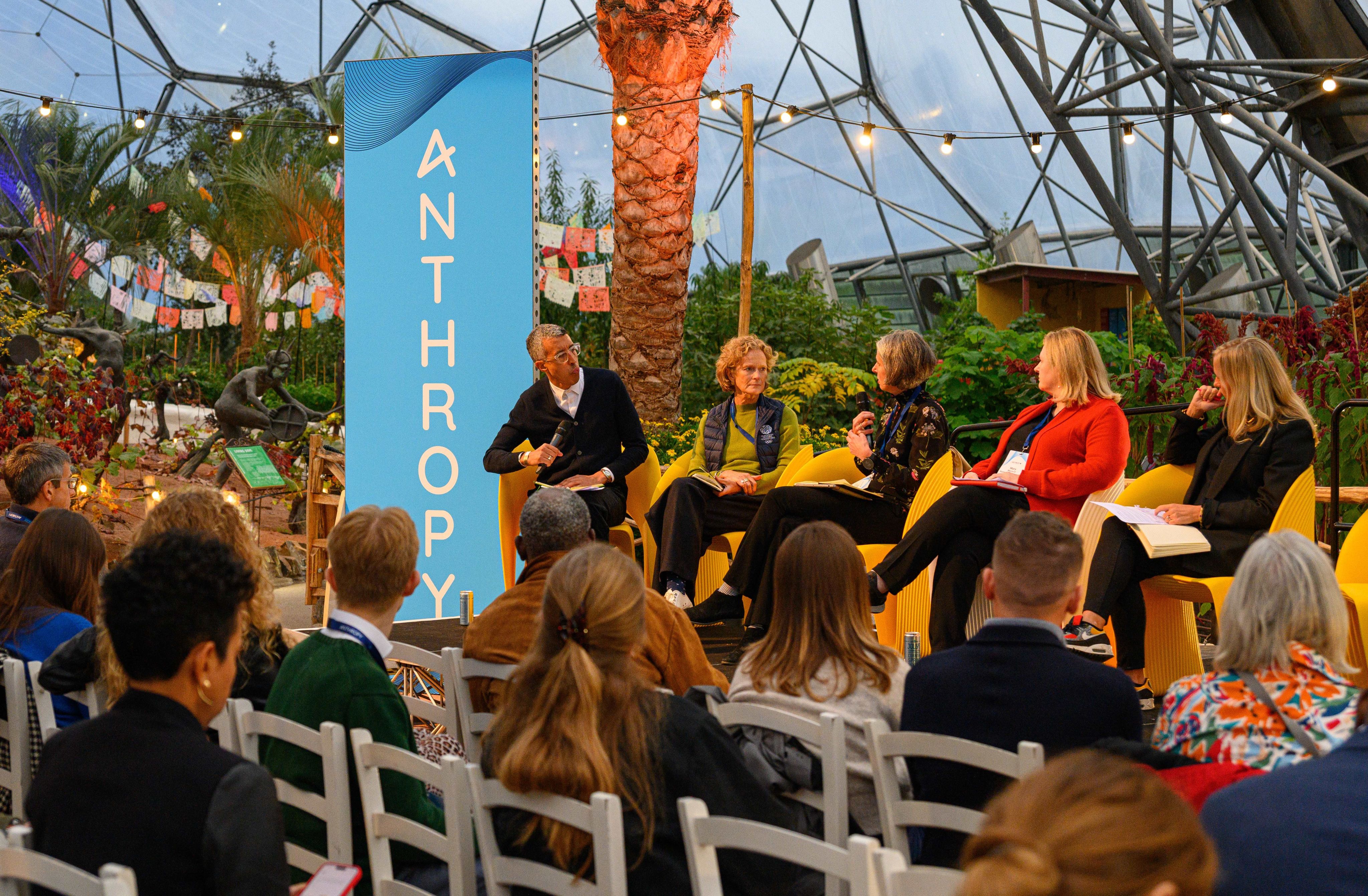
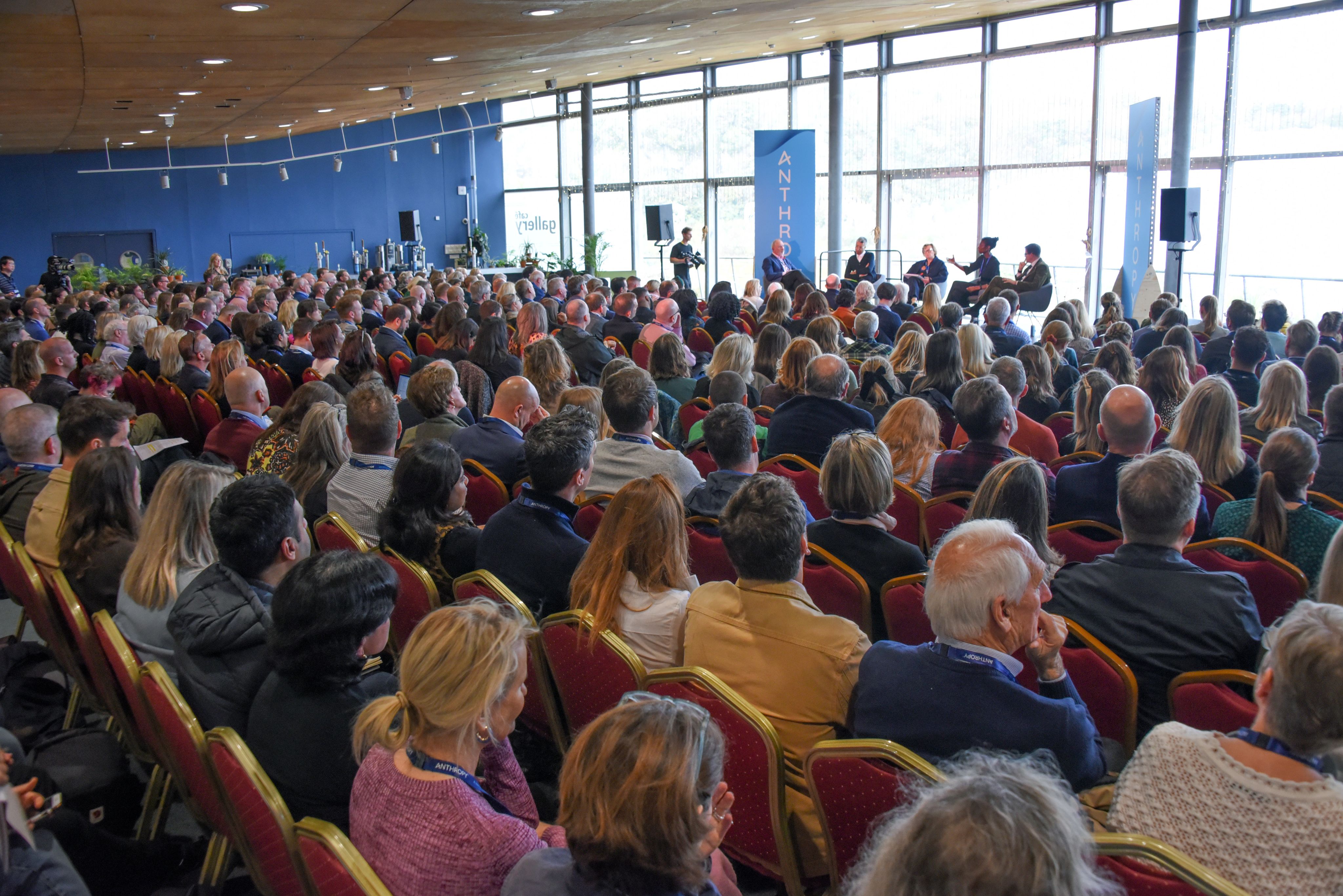
One of the most compelling examples of our commitment to measuring our sustainable impact is Anthropy. Launched in 2022, this event set a benchmark for sustainable impact, underscoring what's achievable when sustainability is ingrained from the outset. Beyond just using recycled coffee cups, it involved comprehensive measures like recycled wood for structures, thoughtfully printed graphics, car sharing initiatives, and more. Visitors are informed and involved, buying into the sustainability ethos and even facilitating the execution of environmentally-friendly practices.
At TRO, our goal is to continually evolve and adapt to meet our clients’ growing expectations for responsible practices. As we forge ahead, our focus remains on making small, yet meaningful, changes that collectively have a large impact. By measuring our progress, learning from past experiences, and transparently sharing our journey, we ensure that sustainability becomes more than just a theoretical concept. It is a practice deeply woven into the fabric of who we are and what we deliver.
 Built with Shorthand