
The heartbeat of KERB: why purpose sits at the centre of its events business
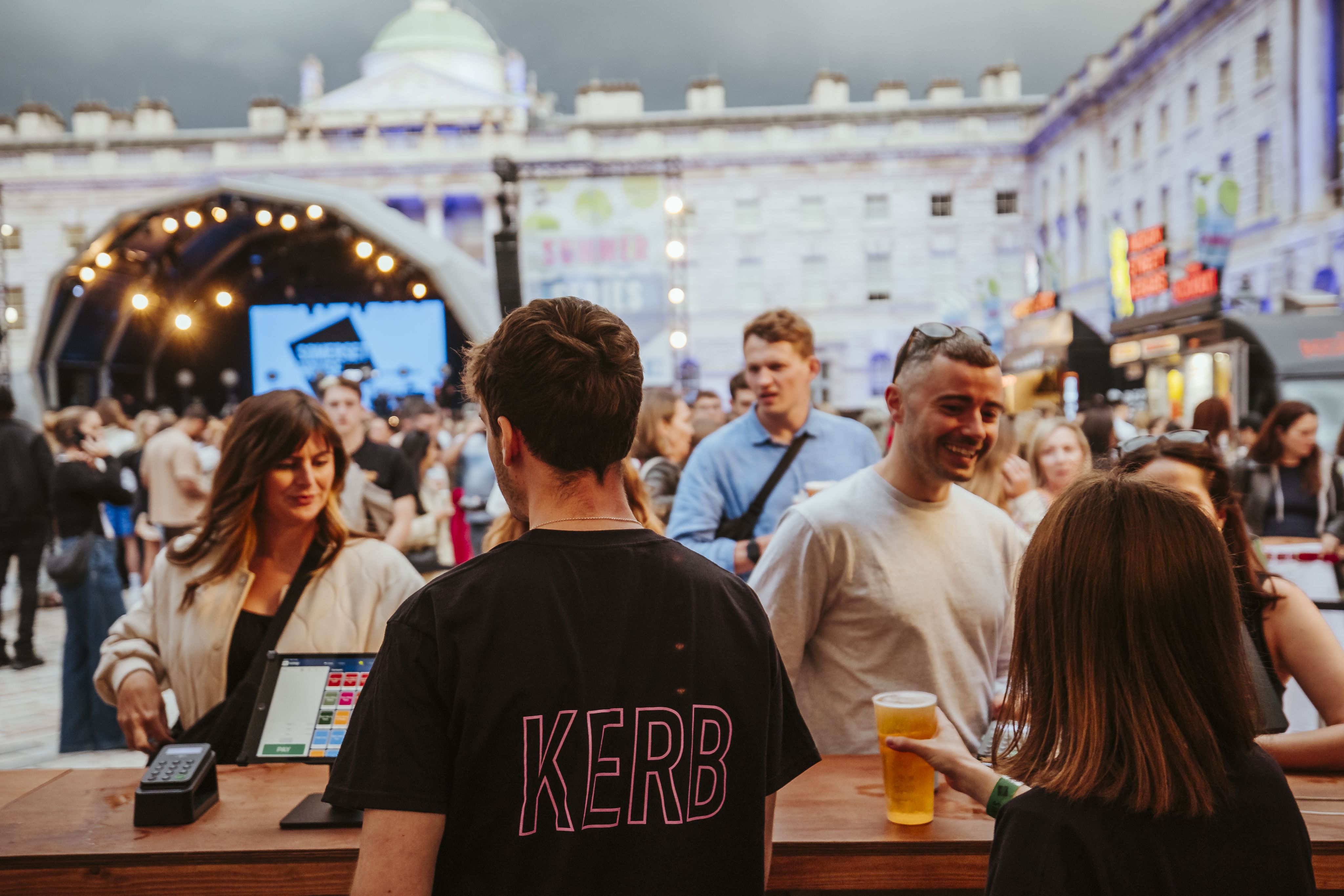

When you book KERB Events to deliver street food for a meeting or event, you may be predominantly thinking about flavour, flair and footfall.
What you may not realise is that KERB is also helping to fund prison leavers into work, backing refugee entrepreneurs, and supporting people experiencing homelessness to build confidence and employment skills.
But, as Priya Narain puts it, KERB’s social enterprise arm is “the heartbeat of everything that we do”.

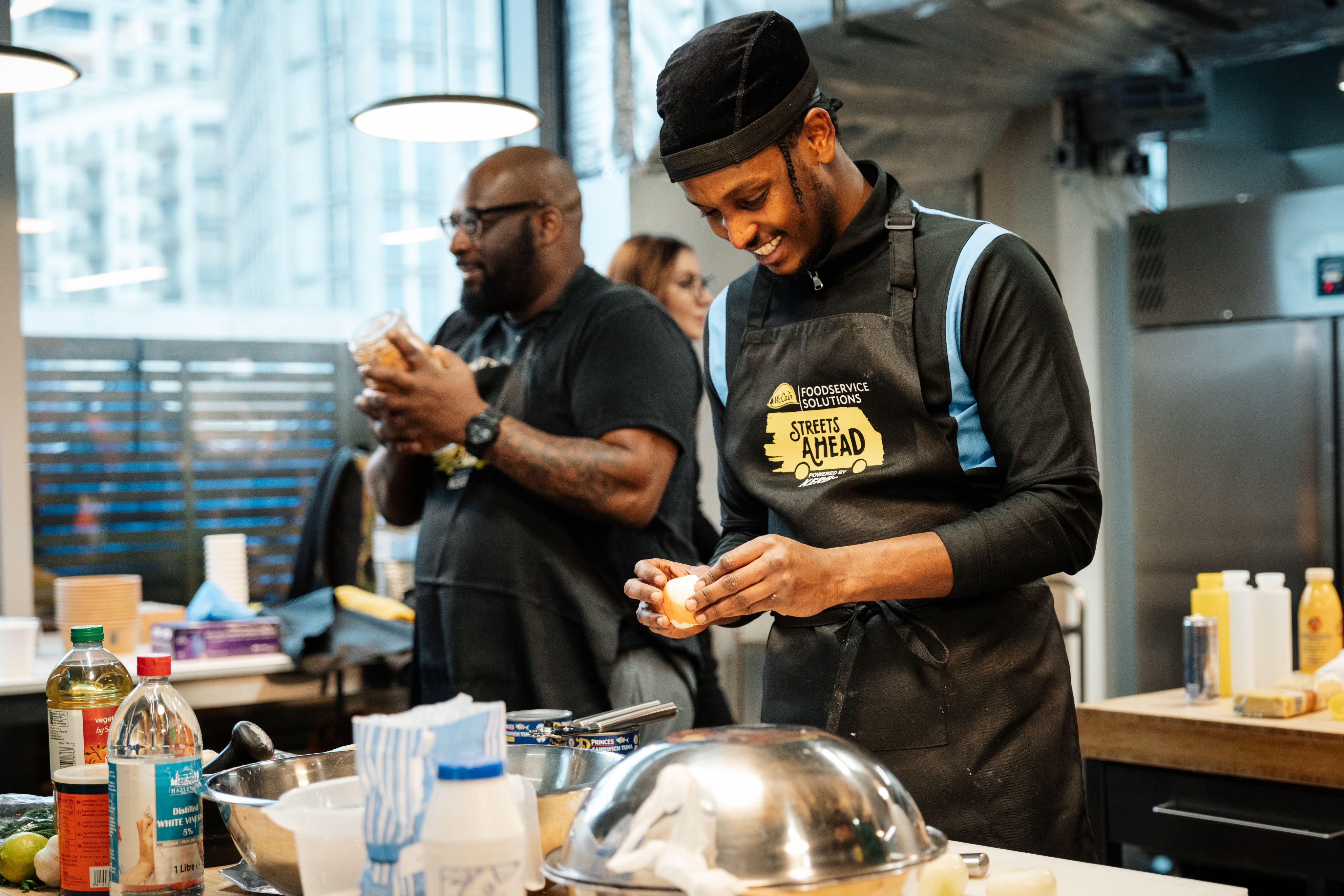


Narain is head of purpose and programmes at KERB, the London-born street food business that since 2012 has built a reputation for championing independent traders. While the commercial arm operates venues such as Seven Dials Market, Corner Corner in Canada Water and lunchtime markets across the capital, KERB+, the formalised social enterprise launched in 2022, drives the company’s impact work.
“KERB in its simplest form is a food business - it drives independent food businesses and helps find opportunities,” Narain explains. She points to work at venues such as the Natural History Museum, where bringing small traders into famous spaces has generated significant revenue for them. “It’s providing those different opportunities that some of these traders would not have found on their own accord.”
But for Narain, the commercial success is only half the story.
“The social enterprise part of the business is, in my opinion, the heartbeat of everything that we do. It’s looking at how we can support people who may have faced barriers to getting work in the industry or having any barriers from an entrepreneurial side.”
KERB+ focuses on five areas of need: people experiencing homelessness, people living with disabilities, refugees, prison leavers, and youth and long-term unemployment. These are groups, Narain says, “that need more support in getting into work or getting into the working world in general.”
The work falls into two main programmes.
The first, Coaching for Work, is a paid placement scheme delivered in partnership with venues including Seven Dials Market and the National Theatre. Participants complete two days per week over four weeks, paid at London Living Wage - something Narain describes as “very, very important to us”.
“There are many programmes out there doing amazing stuff, but many are unpaid,” she says. “For us, it was a massive factor to be able to install that these placement programmes were paid.”
Beyond operational training - bar work, customer service, logistics, barista skills - the defining feature is wraparound support. Each participant has access to a dedicated coach throughout.
“The coach’s role is to ensure that that person is being supported whilst they are on site… helping to build confidence, helping to build routine.”
The results are tangible. “Approximately 70 per cent of the people that have come from the programme have gone on to employment,” Narain says. Others move into further training or support. “It is proving to be very successful in terms of the impact on how we’re supporting people getting into work and ultimately just supporting the industry.”
The second strand, Coaching for Business, supports aspiring food entrepreneurs from the same areas of need. Through a six-month learning programme, in-person development sessions and a final pitch panel, participants build business plans and refine their “hero dish”. Corporate partner McCain can award up to £10,000 in start-up funding.
“That’s pretty amazing in terms of getting your business off the ground,” Narain says.
So far, multiple entrepreneurs have received funding to launch new street food businesses as a result of the programme. One example is Hind, a Syrian refugee who founded Utopia and now runs a unit at Mercato Metropolitano.
“It might have taken her a little longer to get going without the support of the work that we do,” Narain reflects.
“It is proving to be very successful in terms of the impact on how we’re supporting people getting into work and ultimately just supporting the industry.”
For Narain, however, the impact is best understood not in numbers but in stories.
At a recent team away day, a former participant named Gavin - a prison leaver who had completed both programmes - spoke to the team.
“Hearing his story about the effect of being on these programmes has had on his life… it was emotional,” she says. “There was this level of proud - proud to have played a part in that.”
She recounts how, while in prison, he had been made promises that never materialised. “Lisa, who’s the MD of KERB+, went into the prison to talk about our programmes but ultimately made no promises, however when he was released he was given the best opportunities to turn his life around.”
Narain pauses when asked how that makes her feel.
“It makes me feel very emotional knowing that the work we are doing is having a profound affect on people's lives. I can't even begin to describe how impactful that is and how proud that makes me feel.”
KERB’s wider mission is to be “the most impactful hospitality company in the world”. Formalising the social enterprise has brought structure to a purpose that has existed since the company’s founding, when community and connection were central to its growth.
“KERB+ is primarily funded by KERB's commercial entities and corporate partnerships, so by working with KERB Events you are ultimately contributing to success of our programmes, and also ticking your CSR boxes at the same time as enjoying outstanding food at your events.”
In an industry increasingly focused on legacy and impact, your choice of supplier forms part of how events are judged by clients, delegates and stakeholders alike.
Choosing partners with genuine social impact isn’t just about optics; it strengthens your brand, builds trust, supports talent pipelines and creates stories that resonate far beyond the event itself. In a competitive marketplace, purpose isn’t a distraction from performance - it’s part of it.