The best possible waste
The sector has a massive misunderstanding of waste and recycling, according to Don’t Waste UK MD Michael Foreman. Paul Harvey caught up with him to talk trash.

“Waste is a massive opportunity for the events sector”, says Michael Foreman, MD of Don’t Waste UK.
“But first we have to acknowledge where we are, that there's work to be done and to stop greenwashing. We need to stop saying that our recycling rates are 70, 80, 90 per cent, because that's virtually impossible.”
Foreman has a long history in the meeting sector, having started in the association meeting world almost 30 years ago. He’s held senior executive positions at PCOs and on numerous industry advisory boards, before joining Don’t Waste in 2017, whose mission is to protect the environment by helping commercial organisations manage their waste.
“We track waste from source all the way through to where it’s treated and along the way, we identify savings opportunities for our clients,” says Foreman. “These efficiencies enable them to report effectively and accurately and put them in a position to actually take action on their sustainability and SG journeys.”
When Foreman first joined Don’t Waste, his first port of call, naturally, was the events sector – and the response surprised him.
“The reaction was pretty disappointing, because in 2017 there was no interest,” he says. “Everyone was talking about being greener and more sustainable meetings, but it came at a cost - and no one was looking at doing things proactively.”
Foreman turned his attention to the commercial property world, where there was interest, but always hoped to return to business events.

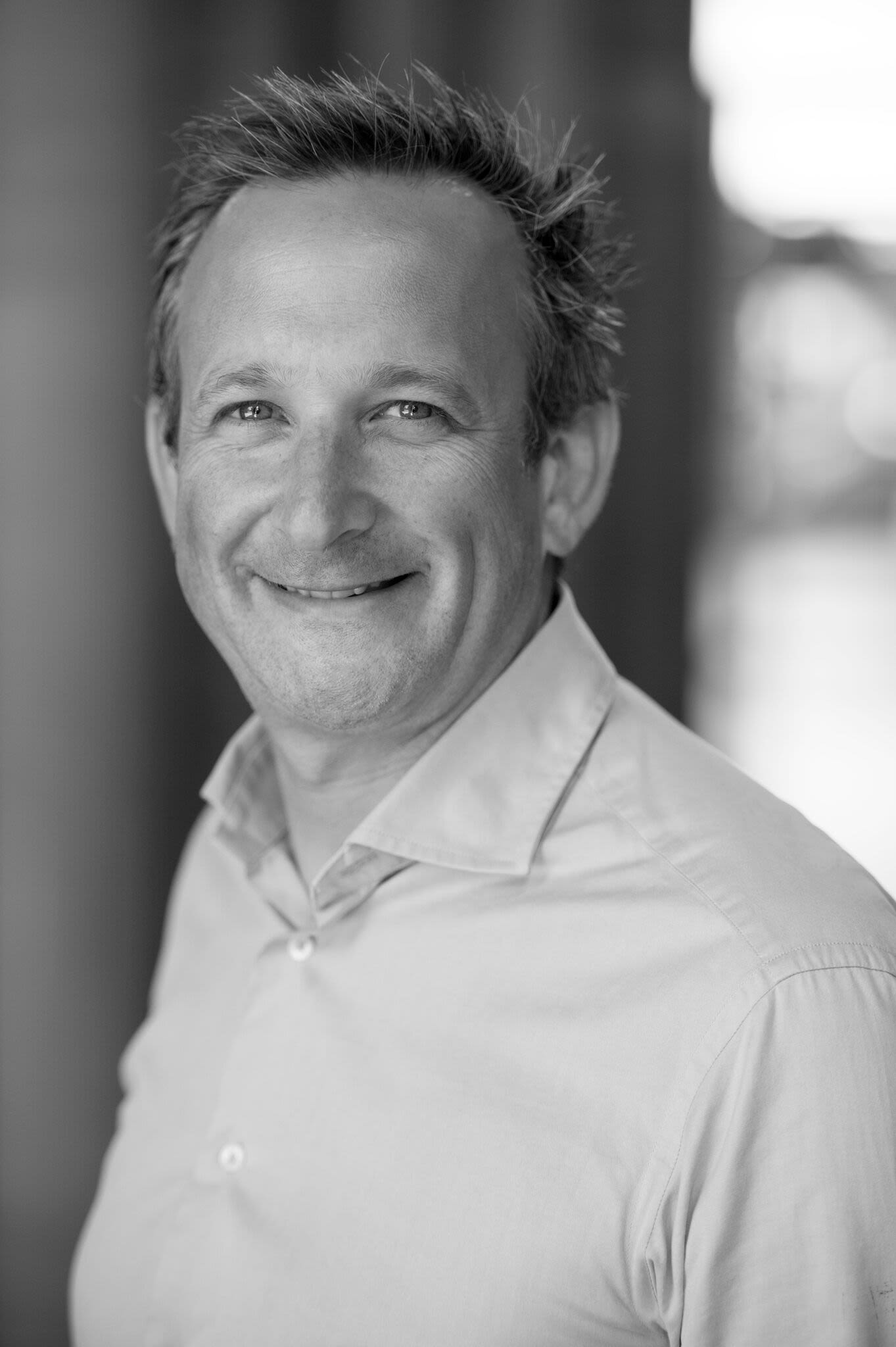
Michael Foreman
Michael Foreman
Resurgence
“During Covid I saw a resurgence on my feeds, and then around COP26, suddenly it seemed that the industry was waking up,” he says. And once again, Foreman was disappointed by the sector’s response.
“The reaction now is ‘We're dealing with it, we've employed somebody’,” he says. “I didn't get the impression that waste was really being tackled.”
Foreman looks at the issue from two sides - client and venue.
“Clients, whether associations or corporates, have started to look at their supply chains and what they're doing”, he says. “If they're building an exhibition or having a conference they'll try to do things in a sustainable way.
“But the people who have to deal with that waste are the venues. That's where the waste is being left, unless clients take it away. I imagine in most cases that they don't.
“There should be questions asked by the clients of the venues. But to a large extent, it's the venue’s responsibility to proactively manage waste and understand how waste is managed. And I don't get the impression that the majority are.”
This is where Foreman says there needs to be change.
“The first thing that needs to happen is acknowledgement,” he says. “Before Christmas, I attended the Meetings Industry Association annual conference where most people were from venues and we asked, do you know where your waste is going? Do you know how it's being treated? Do you know what recycling is? Do you know what recovery is? What disposal is?
“The answer to most of these questions were either “I don't know” or were grossly exaggerated. I think 20 per cent said their recycling rates are over 70 per cent. The majority of shopping centres in the UK can't get over 50 per cent recycling. So how have you done that?”


Lack of understanding
The reason for this, says Foreman, is a lack of understanding.
“People don't understand what recycling means,” he says. “Diversion from landfill doesn't mean recycling. I think that's fundamental. When waste is sent to incineration plant in Europe and converted to energy, that's a recovery process, not a recycling process.
“If you put your waste in a recycling bin, it doesn't necessarily mean it's being recycled. If that coffee cup is contaminated in some way, or if you've eaten a pizza and there's oil in that cardboard box, that cardboard can't be recycled.”
And if you’re under the impression that dropping a cardboard cup into a recycling bin is the end of the story, think again.
“The majority of stuff that is put into recycling bins will end up in an incineration plant,” says Foreman. “So let's hope that a venue is sending their waste to a mixed recycling facility, where the waste is put on a conveyor belt and separated. About 50 per cent of that waste may be recycled in some way. The rest gets put into an incinerator and converted to energy.
“If 50 per cent of your waste is going into your recycling bin and only 50 per cent of that is being recycled, you've already reduced your recycling rate quite significantly.”
Foreman is not looking to shame the industry – rather, he’s looking to persuade eventprofs to embrace the opportunity that waste provides.

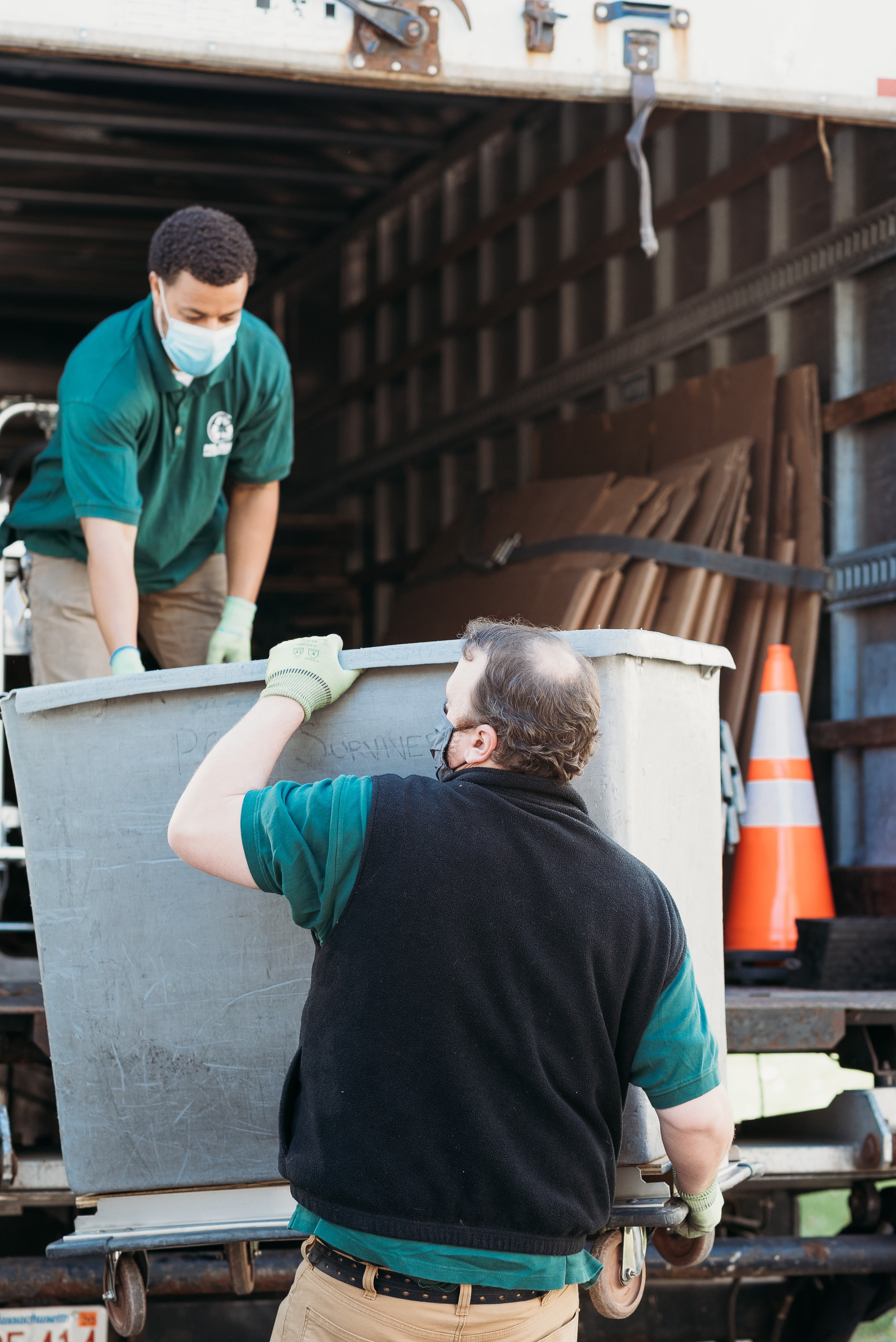
Photo by Elly Filho on Unsplash
Photo by Elly Filho on Unsplash

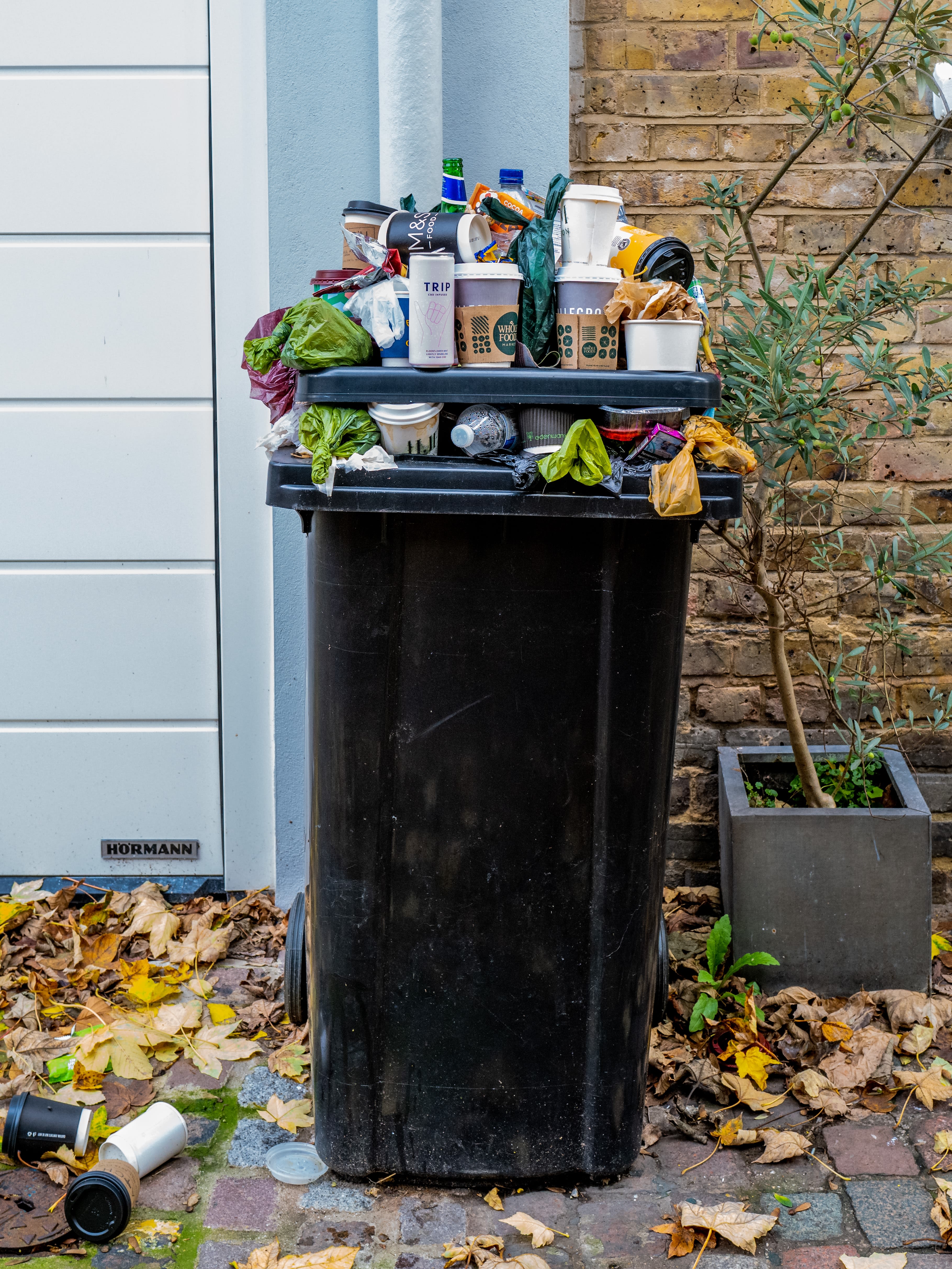
Photo by the blowup on Unsplash
Photo by the blowup on Unsplash
Acknowledge the facts
“Before you can make a change, you have to know where you stand. You can't manage what you can't measure. First get the data, understand where you are. Say, “Hand on heart, we have a recycling rate of 40 per cent”. Then let's go from there. Acknowledge the facts and and be truthful about it.
“Everyone is talking about net zero targets, sustainability strategies, ESG strategies. But waste is something that we can tackle right now. You can be more efficient and you can save the environment by tackling your waste - and you can do that today. They're massive, massive savings.
“Before the waste provider picks it up and burns it, actually do something. Make sure that you’re doing the right things, separate it, find out what your options are. Then take action and measure it properly. Make sure that the information is correct, acknowledge where you stand - and move forward.”




 Built with Shorthand