
Is B2B dead?
Louisa O’Connor, MD at brand experience agency Seen Presents, says B2B planners need to use the principles of designing a B2C experience.

B2B and B2C used to be two very distinct categories, even warranting brand experience agencies that specialised in one or the other. Two distinct audiences, two different ways to communicate with them, two different ways to put on experiences that attract them.
At the time of writing, there are 938,000 Google search results for the term ‘B2B marketing is boring’ and Small Business Trends declared that ‘48 per cent of B2B buyers say that they’re bored by the marketing they’re seeing’.
Those are significant figures which clearly demonstrate a need for B2B marketing and brand experiences to reinvent themselves. We need to start seeing B2B attendees as human-centric consumers, not business robots.
B2B isn’t dead per se; there remains a vital demand for business-to-business focused events. However, the field must adapt and evolve to ensure attendees are not only wanting to come but also remain deeply engaged throughout the experience.


Louisa O'Connor, MD of Seen Presents
Louisa O'Connor, MD of Seen Presents
What needs to change?
In a Statista 2023 global survey, ‘in-person events are identified as the most popular marketing channel, with 60 per cent of B2B marketers aiming to utilise this channel this year’.
Events are about bringing people together through shared interests or values, fostering engagement and strengthening authentic connections. Done well, they can enhance the all-important sense of belonging and, ultimately, cultivate a dedicated community of brand advocates.
However, designing and producing B2B experiences used to be quite rigid – “Here’s a load of information, how can we get that across in the most educational and efficient manner, and how can we ensure conversion at the end?” – often making B2B events feel boring, stale, repetitive, lacking inspiration and stimulation.
Using the theory that B2B attendees are also just B2C consumers at the end of the day, we need to use the principles of designing a B2C experience and apply them to the business world. In fact, in a survey of B2B buyers, ‘73 per cent stated that they expect a personalised, B2C-like experience when interacting with B2B brands’ (Source: Salesforce B2B Marketing Trends Report).
This is why smart B2B brands are increasingly building communities through experiences, to forge meaningful relationships with their audiences. Research supports this shift, with Campaign Magazine referencing a ‘whopping 86 per cent of customers say they are more likely to remain loyal to a company with a strong community’.
So how do we create this loyal community fan base in a B2B setting?




Authenticity
According to a recent study, ‘85 per cent of B2B buyers are more likely to make a purchase if they trust the brand’, emphasising the importance of building trust through authentic interactions (Source: Edelman Trust Barometer).
Authenticity comes from a deep understanding of the cultural landscape, enabling the design of B2B experiences that resonate with attendees through shared values.
Brands that select speakers who authentically align with their values and address topics that genuinely reflect their proposition are better positioned to create positive connections with attendees.
Your B2B audience are as savvy as a B2C audience, and they will spot if you are merely jumping on a bandwagon or trend-chasing concepts that don’t reflect your core values.
Participation
Traditional B2B formats created very passive environment for attendees, with information been given in a “talk at” manner.
Events that embrace more immersive and interactive environments, whether that’s through activations, workshops or games, are more likely to create a more memorable connection for your attendees.
Allowing guests to participate in their experience helps carve out more personalised take outs and helps solidify education – learning through doing sticks.
In fact, ‘interactive elements such as live polling and Q&A sessions experience a 33 per cent increase in attendee satisfaction compared to traditional formats’, according to the Bizzabo Event Experience Report.
Gamification
Playful, explorable, immersive experiences can create a more subtle information exchange.
Edutainment is a way to make your experiences more memorable by stimulating the joy emotion, known to be the feeling that sticks with you the longest. It takes away the boredom factor and allows B2B audiences to obtain information in a largely tailored format.
Within the gamification sphere, using innovation and exploring tech advancements can help facilitate personalised experiences for attendees whilst creating unique experiences to set you apart. There is also the added benefit of being able to incorporate data capture to help give you the authentic information needed to better craft experiences the next time.

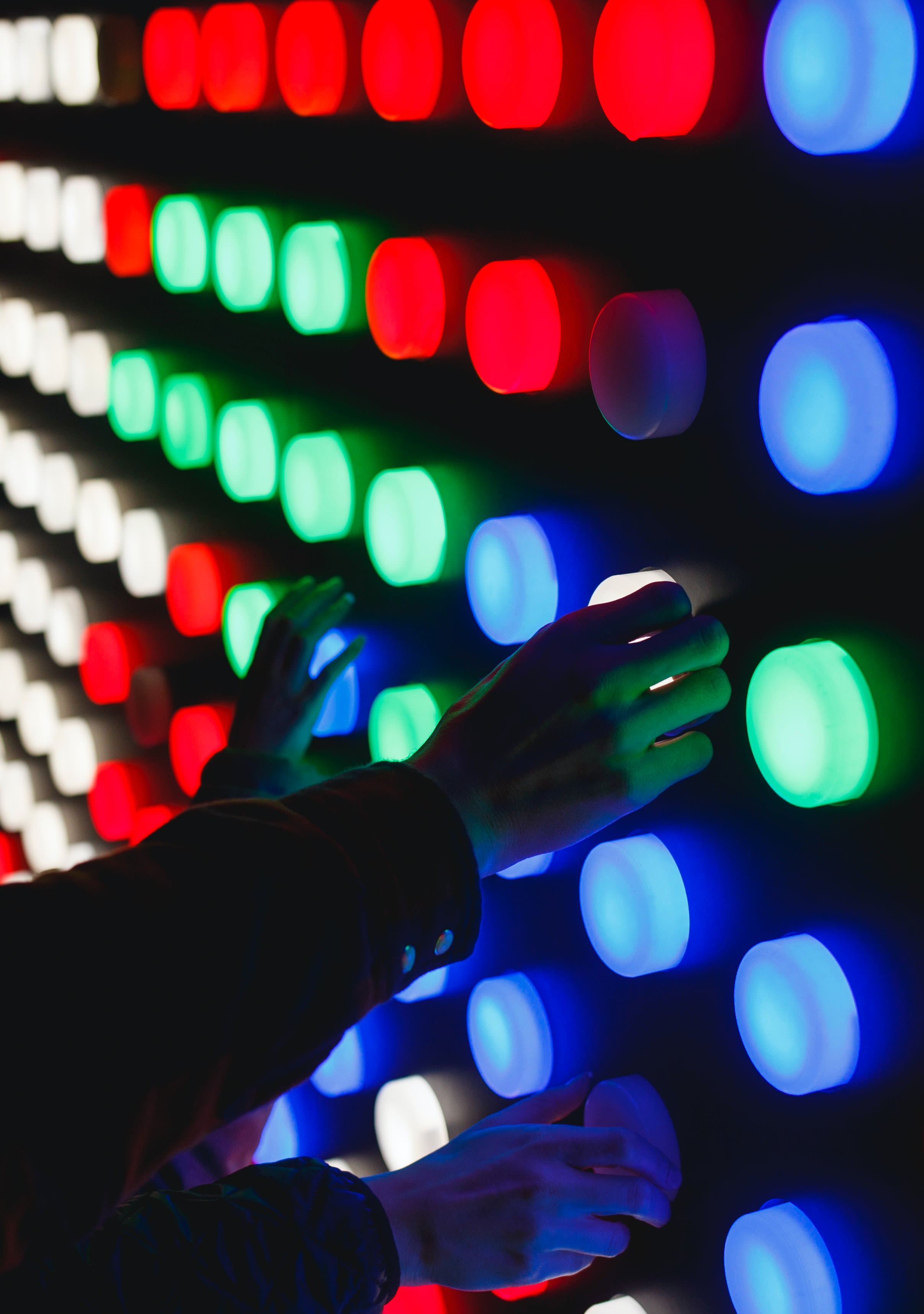
Photo by Katya Ross on Unsplash
Photo by Katya Ross on Unsplash
What are we left with?
Live events create unparalleled impact. No other format can provide such authentic, personalised, fun and emotionally driven experiences that leave attendees with long lasting memories. In fact, Bizzabo states, ‘80.4 per cent of event organizers believe that events are the most critical marketing channel for achieving business goals’.
So don’t waste B2B experiences on traditional tropes of passive content, generic food and lacklustre engagement. By implementing the same guiding principles used for effective B2C campaigns, you can facilitate more authentic and long-lasting connections.
B2B isn’t dead, it’s just had a glow up.

 Built with Shorthand