
Playing with purpose: how gamification can make your events more impactful
Amy Weir, marketing executive at Broadsword, explores how play holds your audience’s attention, encourages participation and networking, and improves learning.
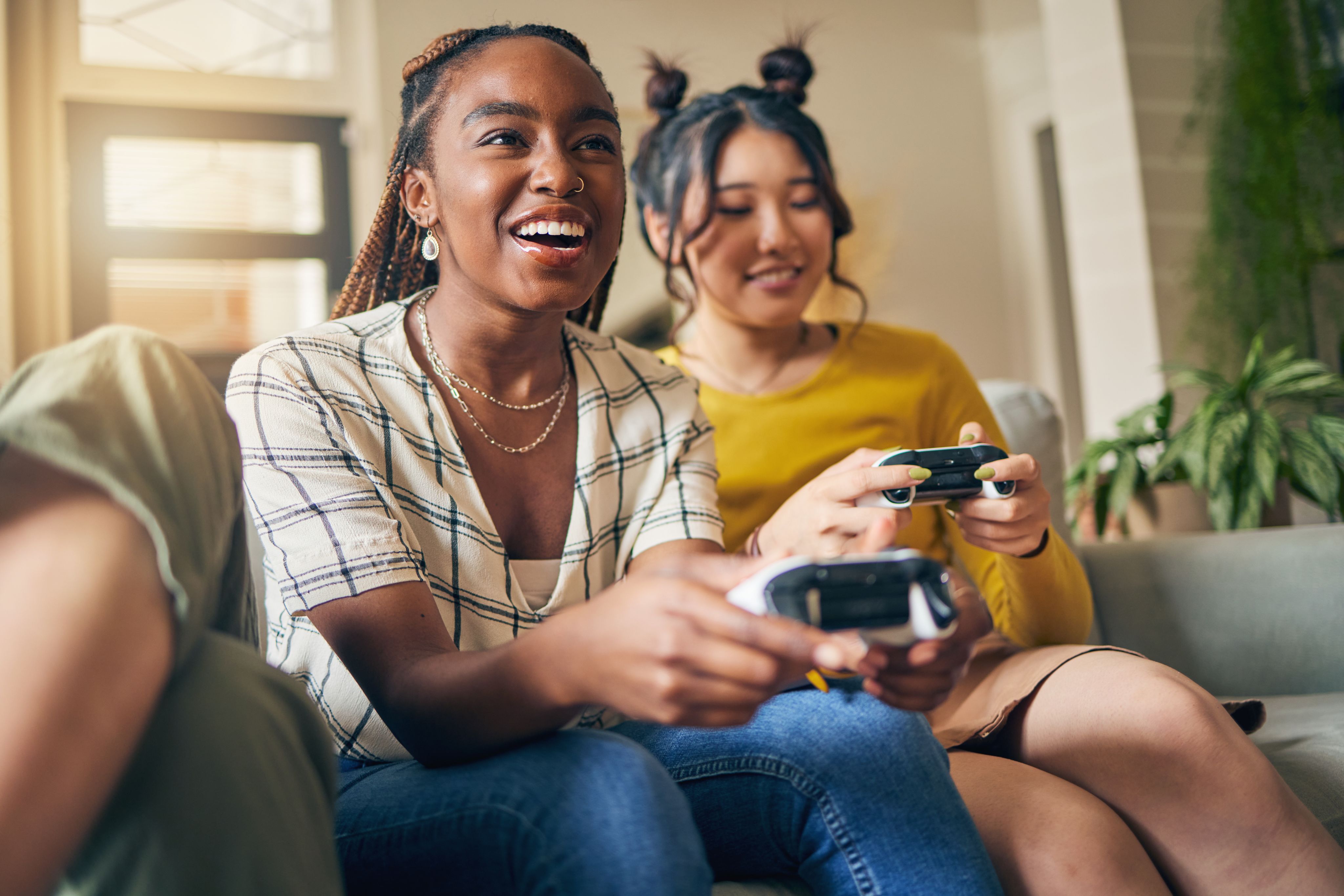

As we grow up, playtime becomes less and less a part of our day to day lives.
When we were kids, all of our learning - whether it was learning to be creative or to solve problems - was done through puzzles and toys. But when we enter the world of work, play doesn’t fit in with our idea of the corporate world.
It’s a rare reward when some playtime is fitted into our workdays. Besides bringing joy, play is also vital in learning. It’s a powerful tool when you need to be creative, collaborative, or see things in a different way.

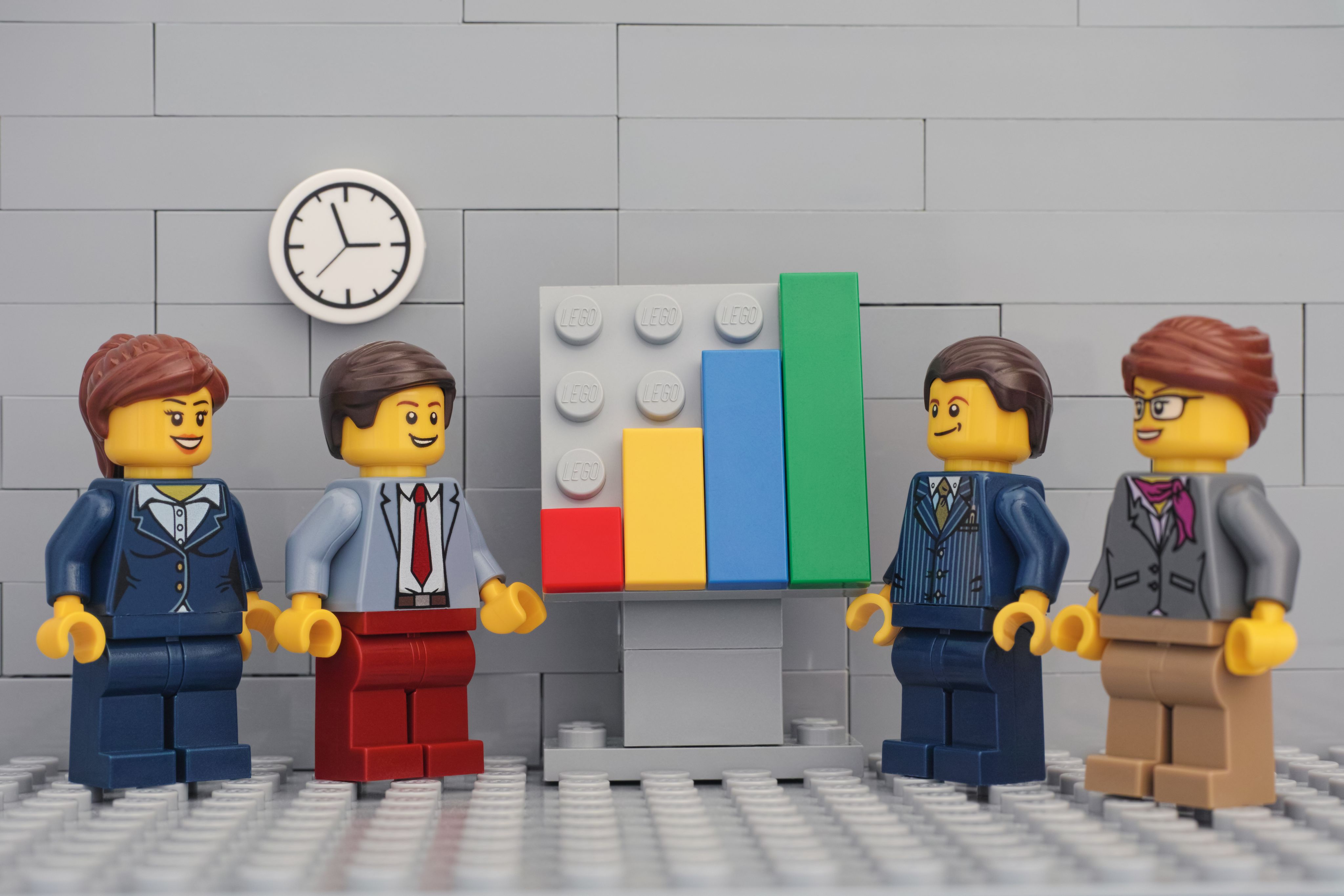




Take LEGO Serious Play for example. The LEGO Group came up with the facilitated thinking and problem-solving tool while looking for a way to unlock innovation within the company as the digital world emerged. Just as they had been inspiring children to ‘build their dreams’ for decades, they thought that adults could be asked to build their visions for future strategy.
Now organisations use it as a team building tool, backed by plenty of research showing that a hands-on approach activates part of the brain connected to new thinking. In fact, your hands are connected to 70-80 per cent of your brain cells. Play allows you to model complex issues and abstract ideas and visualise them in 3D, tangible models.
Broadsword often works closely with companies to create graduate development and team building programmes, and more and more of our clients are using play-based strategies to engage their teams and improve understanding of complex topics in a corporate setting. Recently we elevated a virtual event by creating digital avatars that guided participants through challenges in a gamified setting.
While our clients have found play-based strategies can be aligned strongly to core event objectives, it also allows participants to develop soft skills such as collaboration and communication throughout.
Just as LEGO found new ways to innovate, many disruptors have emerged proving the need for innovation such as Uber, who became the world’s biggest taxi company without any physical cars. Getting ahead of disruptors, means doing business differently. Innovation can’t happen without playing around with what’s possible; it happens when you set aside your beliefs, or your consumer’s perception of what your brand or activation offers and push boundaries. Many successful brand experiences have happened from someone asking, ‘what’s the worst that can happen?’.
Playful brands have become a powerful thing, with a new wave of marketing by the likes of Duolingo on TikTok, where their success comes from their unserious and out of the box approach. Even in the B2B world, brands seem to be having more fun with their campaigns and activations. M&G Investments have recently launched their own padel club, a unique initiative designed to build stronger connections with their clients through the racket sport, with a competition offering a free training session for a lucky winner who books a session and snaps a selfie at the M&G Investments Court.



Event design and branding is more than just creating visuals, it’s about creating a human connection. When we feel a brand is playful and approachable, we are more likely to engage with it. When you create an event or activation, it’s an opportunity to craft an experience that taps into your customer psychology; their need for belonging and, let’s face it, fun.
Many brands not only create playful visuals but elevate this through bespoke touchpoints such as stickers, tote bags, and light-hearted messaging that make customers part of the experience. If you’re looking for inspiration, just head to the retail space, where high-street shops are creating spaces that invite engagement and discovery to reignite the magic of in-person shopping, or the café space, where brand narratives are being created to create an experience worth queuing for, even when there is a coffee shop on every corner.
Brand pop ups do it best. They are interactive spaces that invite customers into an immersive journey where joy can take the lead. But how can this translate to other types of events?
Matt Green, strategy director at Broadsword, says “Gamification can make events more impactful - play holds your audience’s attention, encourages participation and networking, and improves learning - all of these things are key for achieving event objectives.”
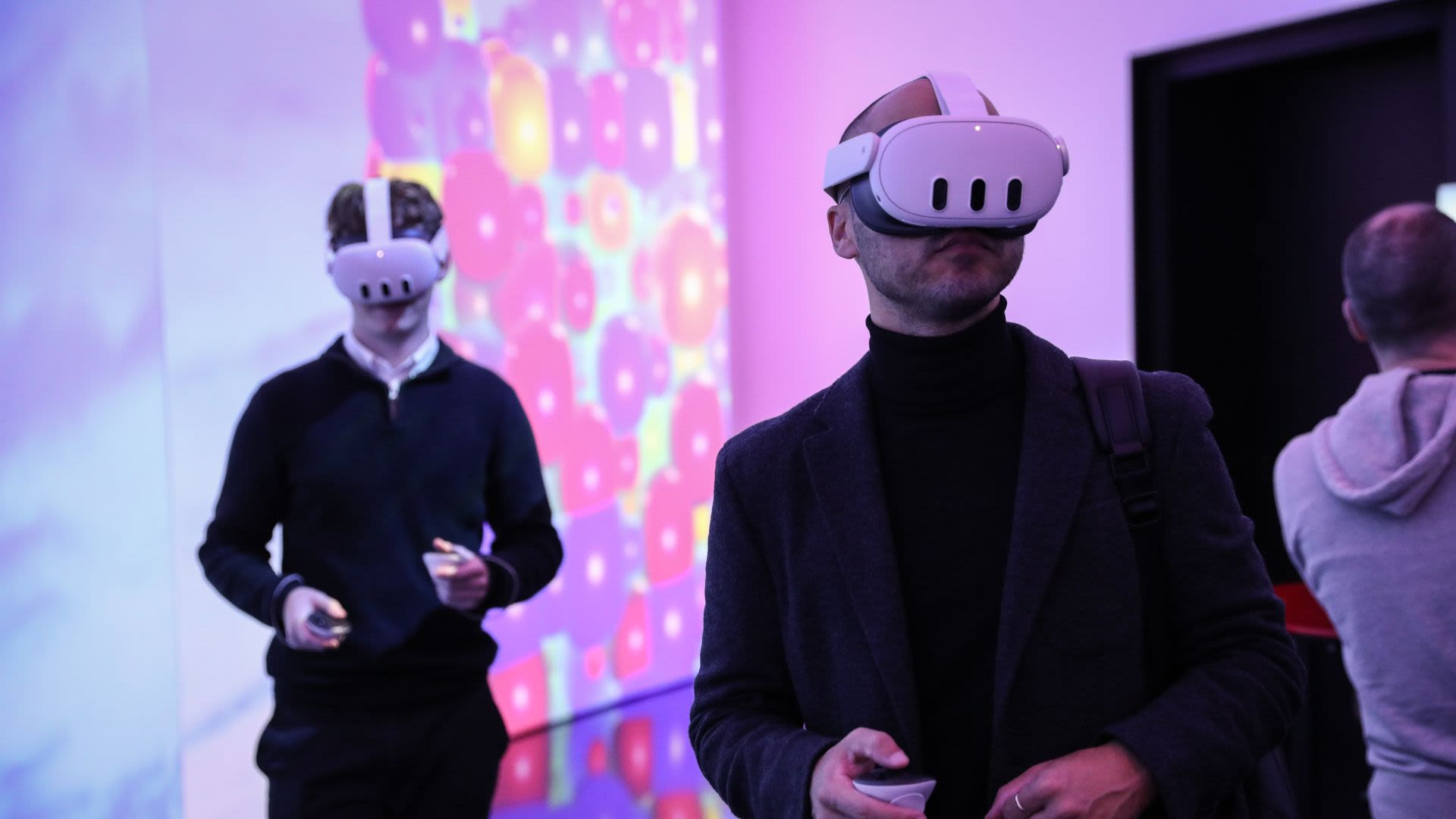
At Broadsword’s B. Inspired event, we emphasised the discussion on play, by creating activities after the session for attendees to engage in including a mixed reality experience with Meta Quest headsets where attendees could compete in a game or explore our brand.
Whether it’s a leaderboard or a quiz, or something more spectacular, event professionals should be using gamification to captivate their audiences and enhance experiences.
 Built with Shorthand