
England’s secret weapon for winning global events? Its brainpower
The launch of the MeetEngland Impact Network at Sheffield's Cutlers’ Hall revealed why intellectual capital is one of England’s biggest advantages on the international business events stage.

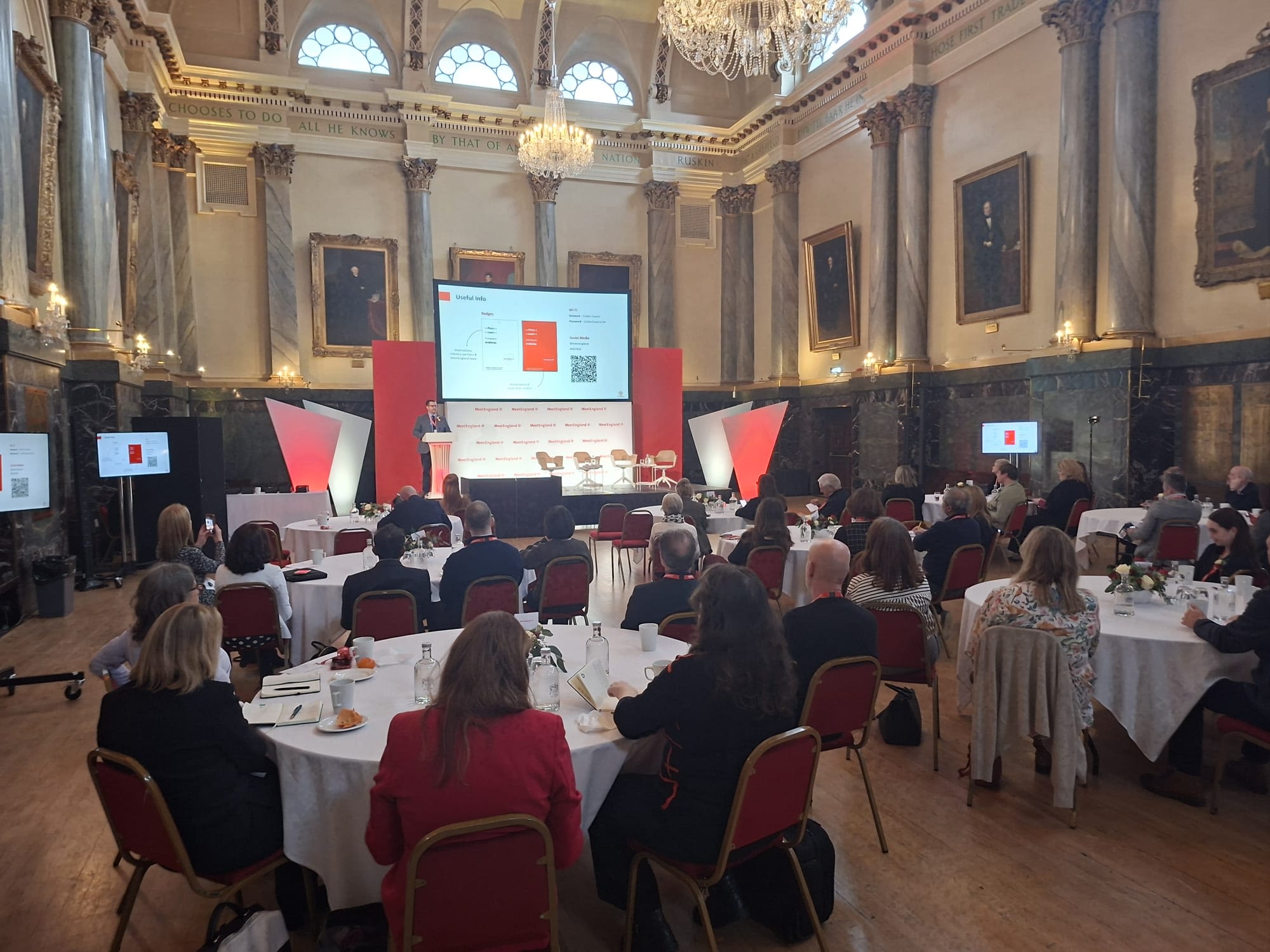
Attending the launch of the MeetEngland Impact Network at Cutlers’ Hall in Sheffield last week was one of those industry moments that feels genuinely significant - not just another announcement, but the start of something that could reshape how England competes on the global business events stage.
There was a palpable sense of purpose, as representatives from cities across the country, ambassadors, academics and industry leaders had gathered not simply to celebrate success, but to recognise that destinations today are chosen as much for their intellectual capital as for their venues and hotels.
Years in the making, MeetEngland’s new initiative aims to connect and elevate the academic and sector experts who help secure high-value international conferences.
The statistics are impressive - more than 280 international events won since 2022 through ambassador programmes involving more than 2,500 leaders - but what struck me most was the emphasis on collaboration over competition.

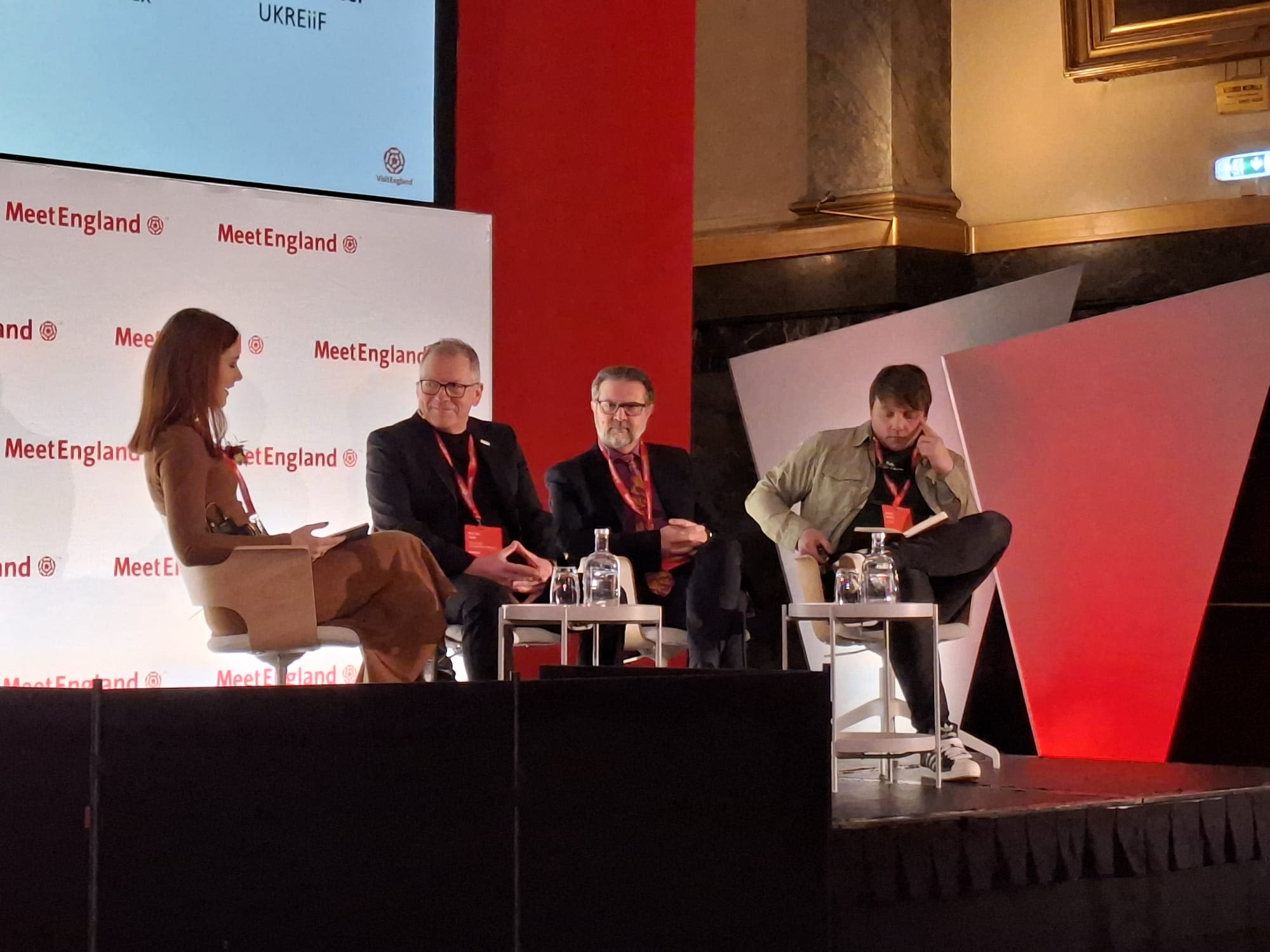
I had the pleasure of moderating the “Collaboration in Action” panel, bringing together representatives from Sheffield, Birmingham and Nottingham - three destinations at very different stages of ambassador programme maturity. What emerged from the discussion was clear: successful bids don’t happen because of a single organisation. They happen when convention bureaux, universities, researchers and industry partners align behind a shared vision.
Throughout the event, there were compelling examples of how academic expertise strengthens proposals, lends credibility with international associations and creates legacy beyond the event itself - from new research partnerships to inward investment and skills development. It reinforced the idea that conferences are not just economic drivers for a few days; they can catalyse long-term change for a city or region.
Another key takeaway was the "same only different" approach each destination has to ambassador engagement, shaped by local strengths and priorities - always with the same goal, always with a local flavour.
The unveiling of the first MeetEngland Roll of Honour added a celebratory dimension, recognising individuals whose behind-the-scenes work often goes unnoticed but is absolutely vital to securing major international events.
Above all, the day underscored that England’s real competitive advantage lies in its people - researchers, doctors, engineers, scientists, creatives and entrepreneurs whose expertise attracts global communities of practice.
As conversations continued over the networking reception, there was a shared sense that the MeetEngland Impact Network could unlock something bigger: stronger national coordination, greater visibility for England’s knowledge strengths, and new opportunities for cities to collaborate rather than compete. Kudos must go to MeetEngland's head of business events Paul Black and the rest of the team for pulling this together.
I left Sheffield energised and optimistic. If this initiative delivers on its ambitions - connecting expertise, championing impact and amplifying England’s collective voice - it could play a pivotal role in keeping the country at the forefront of international knowledge exchange.
And that feels like exactly the right direction of travel.
"The day underscored that England’s real competitive advantage lies in its people - researchers, doctors, engineers, scientists, creatives and entrepreneurs whose expertise attracts global communities of practice. "