'We want to create the ultimate human experience' - inside the Identity/Smyle deal
Paul Harvey caught up with Identity CEO Michael Gietzen and Smyle founder Rick Stainton to find out how the two companies are going to come together as part of The Human Network.
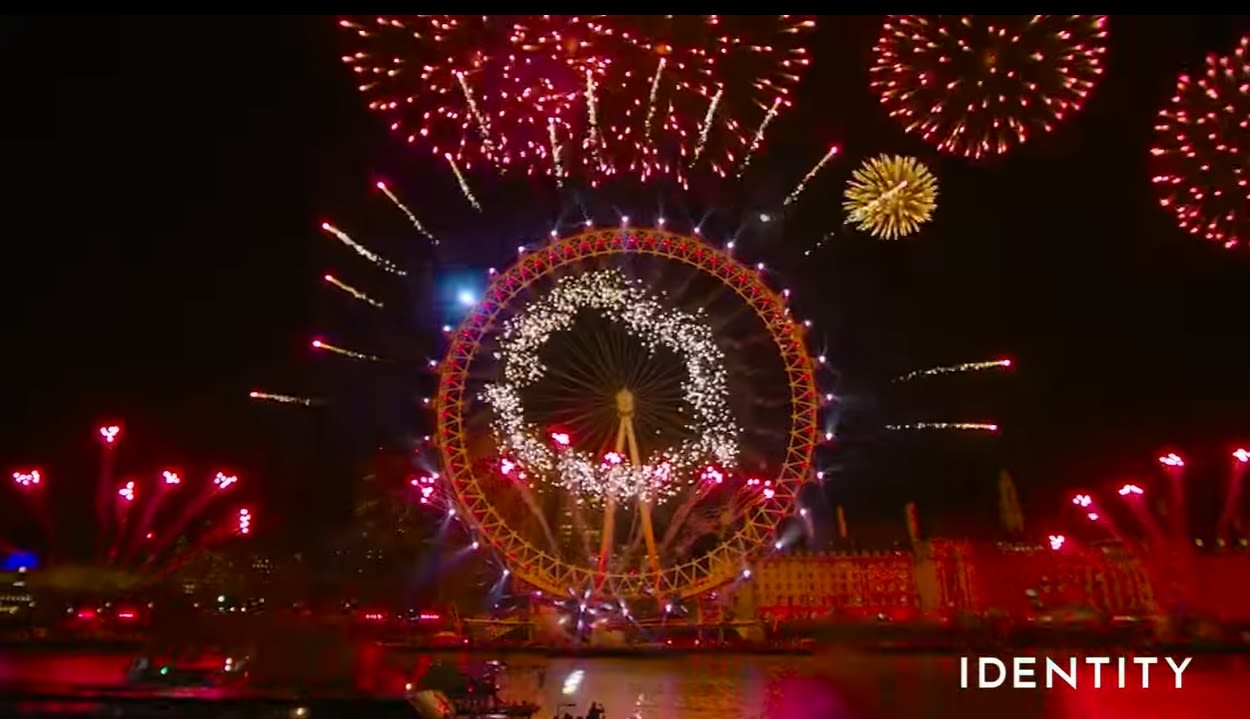

Smyle Group's acquisition by Identity’s new agency collective The Human Network is a major milestone for both companies.
The new network will see Identity and Smyle operate as independent partner agencies, along with Identity Sports, NJ Live, Powered By Humans, Dreamlike State and The Sports Presentation Co, with the ambition to become a leading international network in delivering exceptional experiences and content.
The acquisition will also see Smyle Group co-founder and group executive director Rick Stainton step down from his role at Smyle at the end of the year after more than two decades, marking the start of a new chapter for one of the most prominent figures in the UK event sector.
I caught up with Stainton and Michael Gietzen, CEO of Identity, to discover how the deal came about and what it means for them on both a personal and professional level...
Paul Harvey: This is a huge move for both of you. What was the thinking behind the deal?
Michael Gietzen: There's definitely a feeling that the sum of the parts is greater than the individual element.
Identity has a very strong reputation in successfully delivering major government projects and from my perspective Smyle is one of the best in the world now in corporate brand experience work. Put those two together and it’s a really strong proposition, a coming together of agencies that are ready for this new era, and a new type of events.

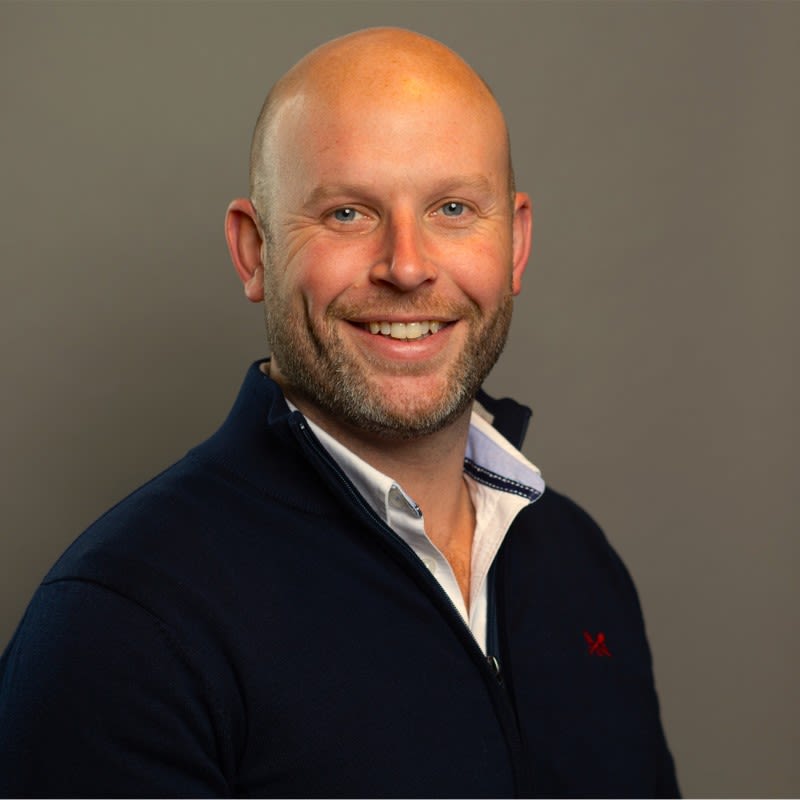
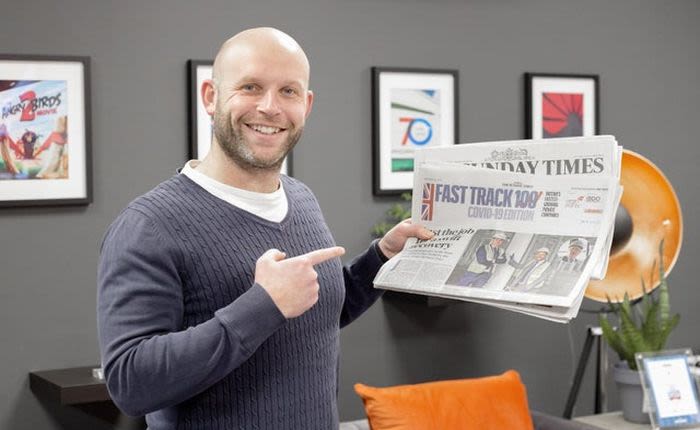
Michael Gietzen, CEO of Identity
Michael Gietzen, CEO of Identity
PH: How did the deal come about?
Rick Stainton: We'll leave out the bit when we went to the casino and had a few drinks… because that's off the record!
Michael and I meet up quite regularly, and we have a mutual respect for what we've achieved in our careers. We went for a lunch catch up and it was pretty obvious that we were starting to discuss the same subject of a closer relationship. After a few conversations, which were initially informal, we went to the board and suggested it as an acceleration of perhaps a slightly longer term plan.
Knowing what we had to offer Identity, what Identity's plans were with The Human Network and what their vision was, it quickly became obvious that strategies were aligned. Conversations developed at pace into the New Year at a serious level and now the rest is history.
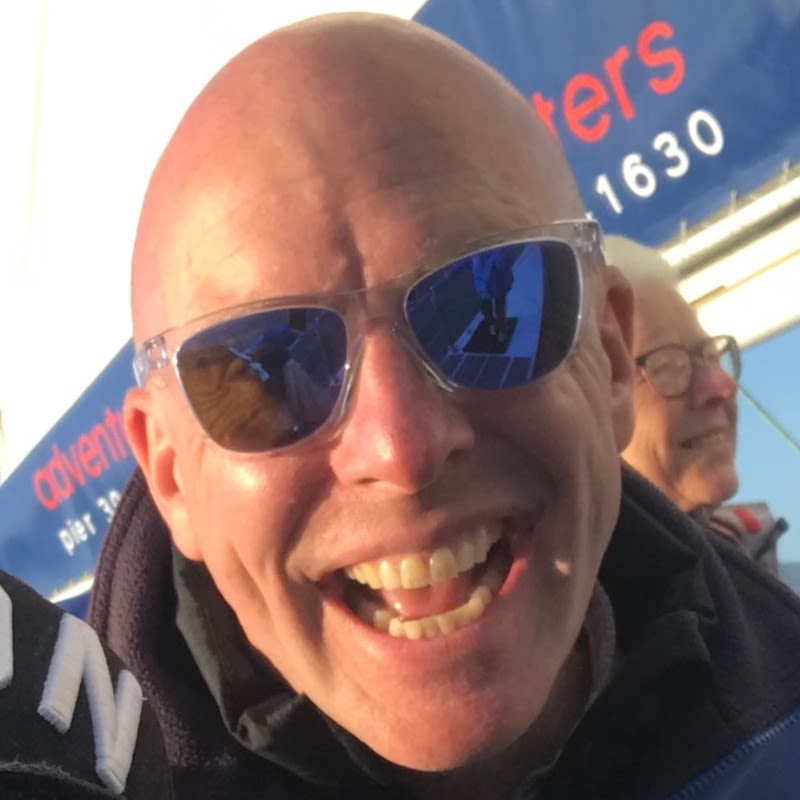
Rick Stainton, founder of Smyle Group
Rick Stainton, founder of Smyle Group










MG: Once our conversation had led to the senior management teams coming together, there was very quickly a realisation of a natural cultural fit within the businesses. The sheer positivity around this from an employee perspective has been amazing. Everyone's saying that this is a perfect synergy.
From a DEI perspective, Smyle do some amazing things, and Identity from a social value perspective and with these two businesses coming together we are probably the most socially conscious agency in the world now in our space. We are obviously incredibly creative and very capable of doing some amazing projects, but at the same time we can do that by having a positive impact and that's what separates us from our competitors.
RS: It's a balanced, mutual understanding of each other's strategies. We don't really overlap. 1 + 1 equals more than two, if not three or four, because we now offer a pretty much a rounded live and experiential and content and digital offering across all the main sectors of audiences that are available out there in the live experience space. That's unique.
Michael has cornered the market on public sector and government work second to none and Smyle has been event agency of the year more times than any other agency in the history of the industry. We range from sport to esports to cultural music and festival activations through to a strong B2C, B2B element. Put them together and it creates a unique and exciting model of the best in class. That's the rationale behind it.
I’m not under any illusion, there's a lot of hard work to go. There's the integration process and getting to know people and so on. But whether it’s creativity, respect, awards, innovation, cultural approach or social values, there's a credibility behind it and that actually is probably the strongest essence of a good deal.
PH: Rick, having led Smyle for more than 20 years, was this a difficult decision to make?
RS: From before Covid, I've been making myself increasingly less operationally involved and strategically handing the reins over to other directors. Post-Covid, The Power of Events concept presented itself and that's been more and more my focus over time. This is a perfect opportunity for me to leave Smyle in the best hands possible, with Michael and his team and Dom, my first employee, running the Smyle team and my legacy is intact.
However, like the renowned poet and lyricist Natalie Imbruglia once said, I was torn. It is an emotional 20-odd years of my life, you know? My daughters, my wife, my friends all know me as Rick from Smyle. It is going to be weird.
I think my career warrants giving myself another big challenge. Getting Smyle to where it is was a great journey, but when you're a leader of any business if you're being distracted by another burning desire and an ambition to do something, it's not fair to try and equally balance the two. It doesn't work, well not for me anyway. I've got to be purely focused on one major mission, with secondary projects being just that. The Power of Events has increasingly been a passion of mine and I saw a really easy succession plan with Dom and the team.
I am going to feel very strange for a very long time. I'm staying on until the end of the year to support Dom and Michael, if they need me. I'm sure we'll have a very quiet shindig towards the end of the year when I officially leave.
PH: Michael, can you tell us a bit more about The Human Network, the collective that is now home to both Identity and Smyle?
MG: The Human Network was created in June 2023, it’s something that we have been working on for a while. It's boutique at scale. Each of the brands that sit underneath The Human Network are independent of one another and there's no appetite to merge businesses together. We want the independence of each of the agencies. When you put these brands together side by side, the sum of the parts is greater than the individuals.
The market is telling us that large brands want to be shopping at a boutique level. They don't want that large agency where they're diluted and they don't get that service. This is what The Human Network is there to deliver. Everyone stays niche and within their areas.
If we get an opportunity from Meta or Facebook or Microsoft or so on they’re getting the same valued service. And when they say, ‘Do something in the Middle East’, then yes, we can. We've got three offices there and we can leverage the contacts. And yes, we've got someone that speaks Arabic, we've got someone that speaks Portuguese, everyone benefits from the wider group. But actually all brands are independent.
RS: It goes back to the old edict - big enough to deliver small enough to care. Clients want to feel special. Whether you're dealing with a million turnover or a couple of 100 million turnover, they still want the same level of care and if you're able to deliver that on an individual basis, they'll stay loyal.
MG: The human element is a pull as well. We pioneered The Human Experience back in 2019, and this goes a long way to carry on a very human-centric approach to The Human Network and our brands, which is why Smyle was such a good fit as well.
It's a human-centric group of brands using data and behavioural science to influence the way that we deliver our projects. That's what we want to be proud and known for in the marketplace, which we don't think anyone else does at the moment.


PH: Rick, how has the event agency world changed since you started Smyle? Is it still recognisable?
RS: 20 years ago event management companies were quite tactical and asking the questions who, where and what. Now we're not an event management company anymore. We're an experience company. We work with global brands at the top level, sitting alongside strategy and marketing discussions. It's all about the content and understanding the audience. It's about being commercially astute and aware of the bigger picture that an event or content-driven experience would fit into. You need a broader range of skill sets to deliver those larger, multifunctional activities.
What you really want now is not to pitch. Back then, pretty much every gig, you pitched. Now, there's a handful, maybe less than five agencies across the UK or Europe that are trusted to be sitting there at the beginning of a strategy planning meeting for the next year or two with a big brand. And you're sitting at that table saying let's devise the briefs together, let's work in conjunction with marketing and sales on what we really want to achieve.
That position of partnership means that you are respected to say no. You can push back without any threat to the relationship, whereas 10 years ago, if you even just went slightly contradictory or questioned briefs, you were threatening a potential relationship because you weren't just following in line.
We’ve progressed to being a more strategic partner with a more global reach with a more content and strategy driven understanding, and it's all about audience behavioural change and purpose driven legacy. We can ask, ‘What's the point of doing this whole thing? What's the return on it? What's the actual change going to be?’ Start the brief from the back end of the actual output and work backwards and that creates a strategic relationship with trust on both sides.
Some agencies have developed into that and they'll get the multi million pound briefs, they'll get 15-20 briefs from one brand of covering, covering internal comms to external comms, B2B, B2C activations at music, sport festivals, as well as Davos or Cannes and as well as the internal comms sales conference, because they're the trusted go to content delivery in a live arena. But you need to work on that. That takes quite a few years of demonstrating to clients that you've got that credibility to be a strategic partner, not a technical tactical supplier. That's been the big shift that I've seen Smyle develop into, and I've seen a handful of agencies do it with us.
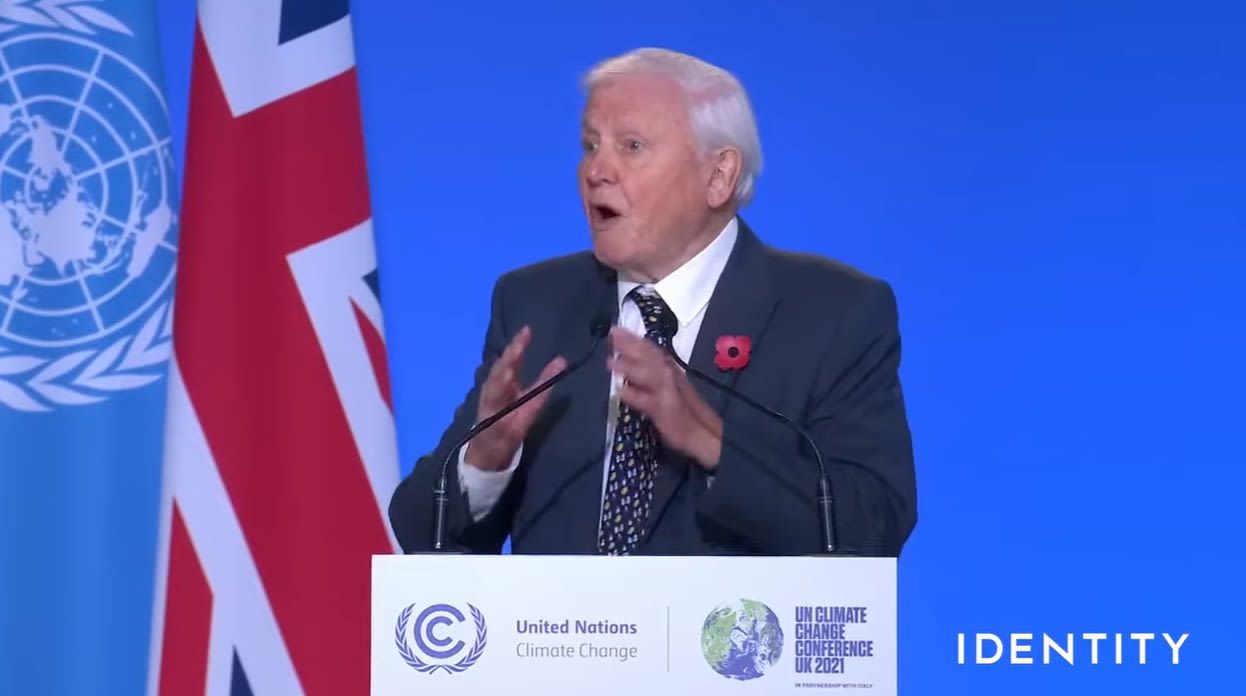
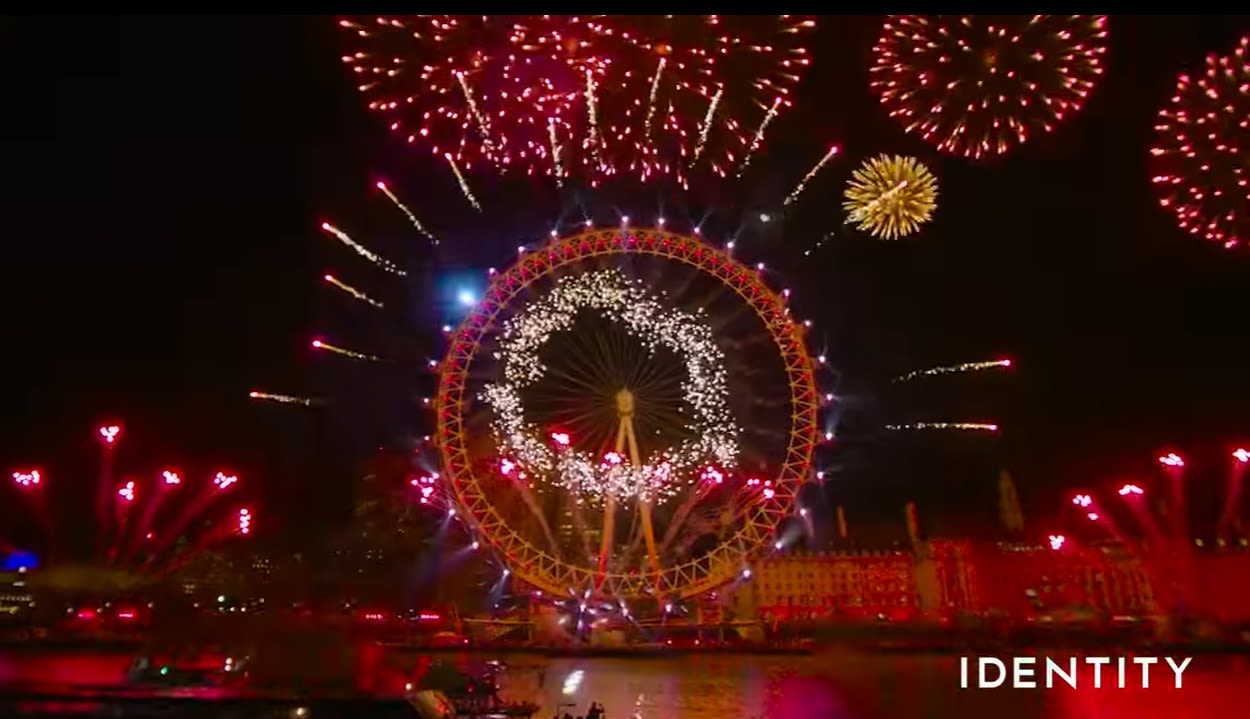
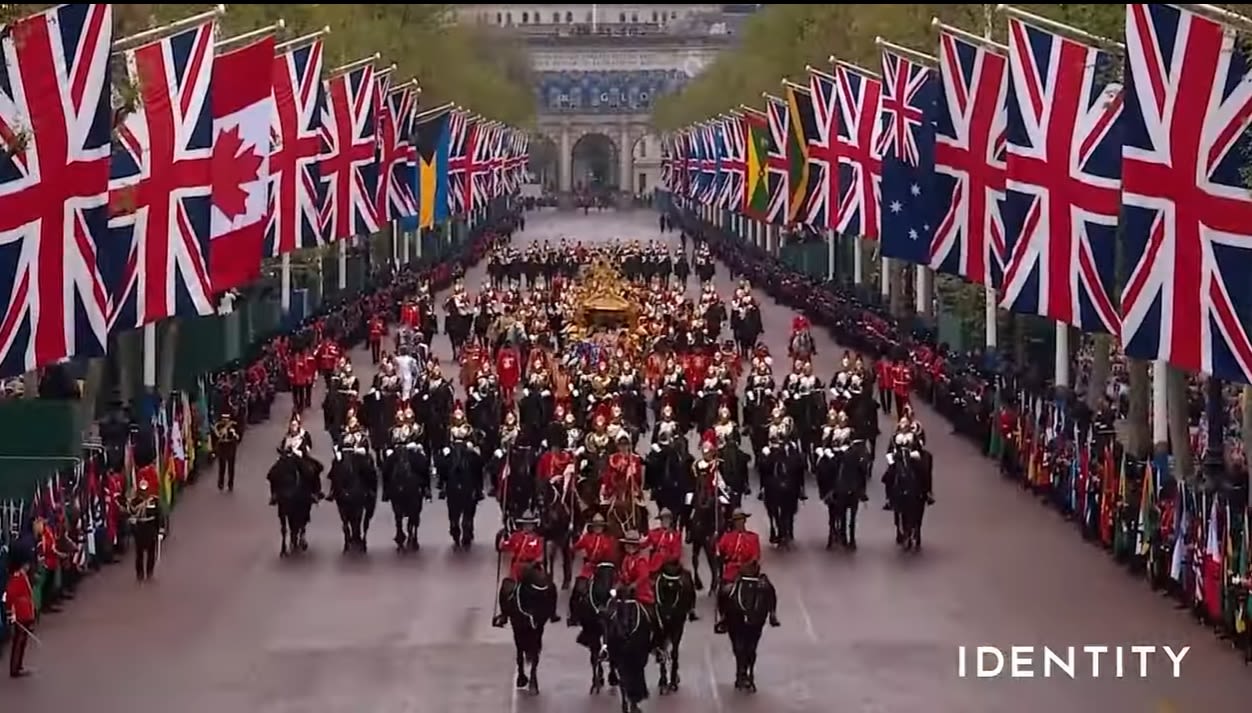
Identity didn’t just go into the Coronation brief or the COP brief and go ‘Where do you want it?’ He goes, ‘What's the whole purpose of this? What do you want the press to say afterwards? What do you want the the big stories to be? What do you want the actual presenters to deliver? And what's the audience?’
A live experience is just meat in the sandwich. There's a huge amount of engagement beforehand that gets the audience engaged and there's a huge amount of amplification requirement afterwards. If you treat a live event as just a one off you're missing a huge strategic trick to make the whole investment worthwhile.

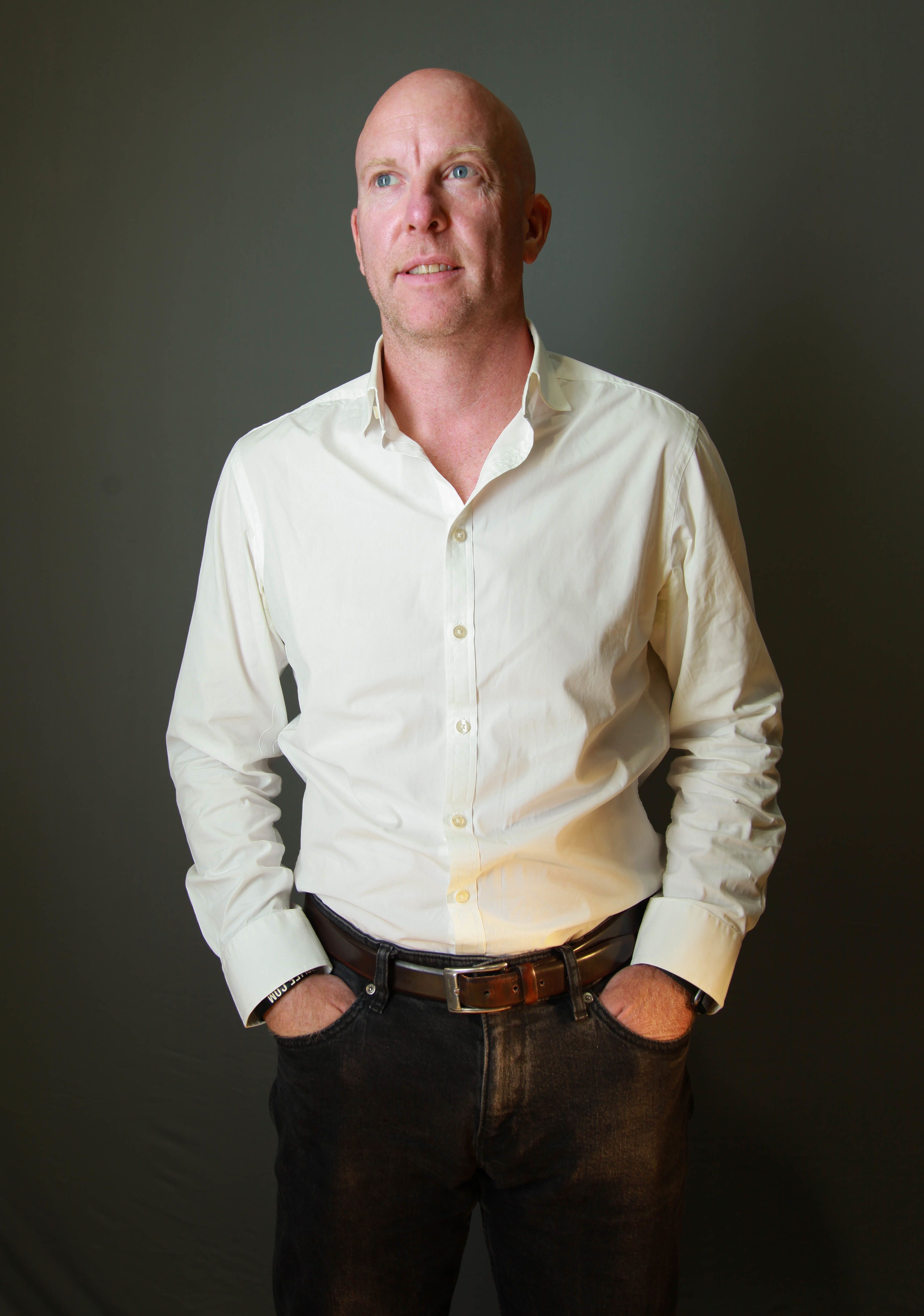
Rick Stainton
Rick Stainton

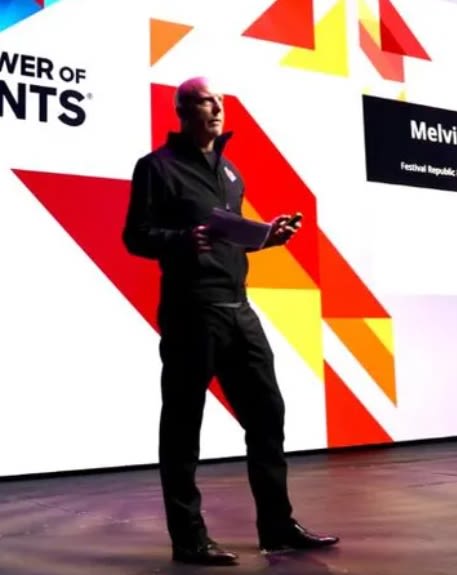
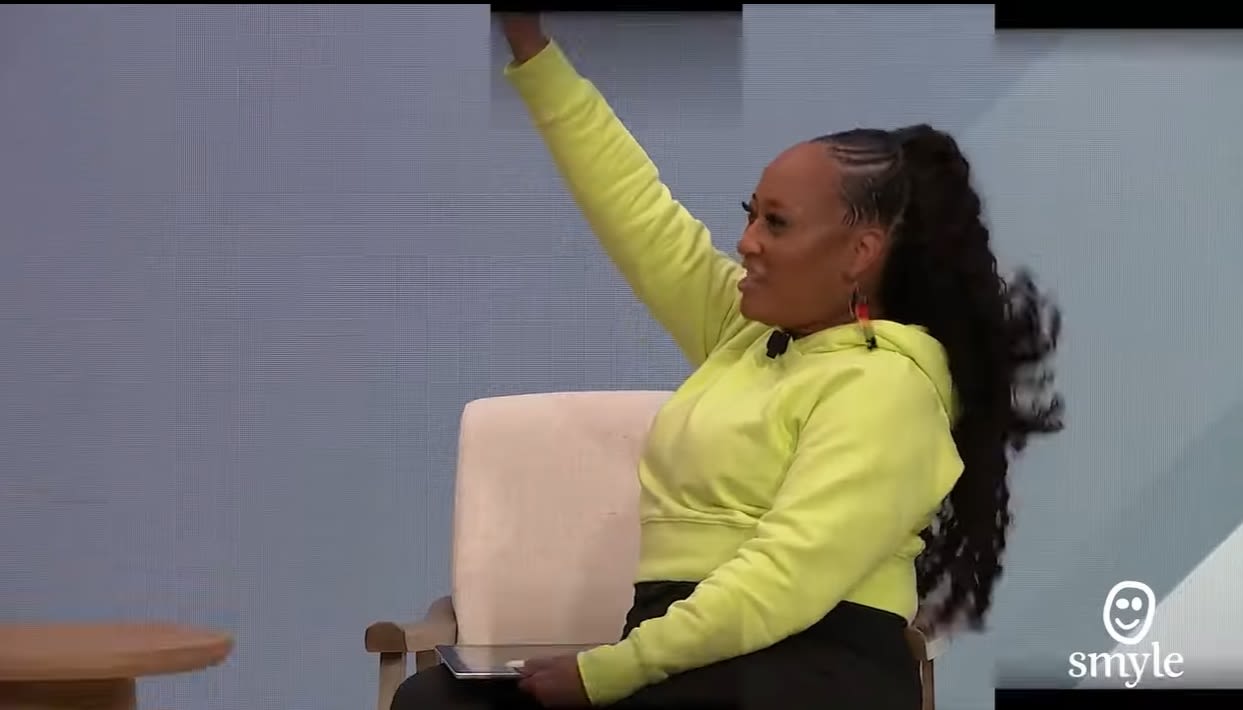
Stainton on stage with The Power of Events
Stainton on stage with The Power of Events
PH: Finally, Michael, what does the future of events look like? Is it experiences?
MG: : The demand for fantastic, remarkable experiences has never been higher. Just look at the music festivals that have been happening, things like Taylor Swift and Coldplay - the expectation now is so high and that is carrying into the world of B2B events.
We pioneered The Human Experience and we believe that through data and behavioural science, the expectation is that agencies can use these insights to create the ultimate event for our customers. The Human Network will be unique in doing that.
In a world of nutrients and gut biomes and personal training, why are we still serving beige food at conferences with sausage rolls and egg sandwiches? You're committing significant investment to have your salesforce come together, and yet you're not giving them the brain fuel and the ultimate superfoods to have the best event. Why do we still have one hour keynote sessions when TED talks, the most industry-renowned speaking session, last 10 minutes?
We've done so much research and data and we have doctors and scientists contributing to the way that we're interpreting things that The Human Network is miles ahead of its competition. When it comes to understanding what the future of events truly looks like, we are challenging and disrupting the future of events to create the ultimate human experience.


 Built with Shorthand