Daring to be bold in the new world of events
With Millennials and Gen Z now making up 55 per cent of the UK workforce and up to 20 per cent identifying as neurodiverse, event planners are rethinking traditional formats to meet evolving expectations, explains Elena Gurgul, director of sales and marketing at The QEII Centre.

New expectations
We’ve witnessed a shift in the type of events that resonate with delegates. This change began over a decade ago and has accelerated in the last five years. Much has changed in this time. Millennials and Gen Z now comprise over half (55%) of the UK workforce, compared to only a third a decade ago. This generation grew up in a digital world and is drawn to events that mirror the fast-paced, visually rich digital environment they inhabit.
We’ve seen broader cultural and social changes, too. Over the last five to ten years, with the rise of remote work and the increasing ubiquity of technology and social media, the lines between leisure and work, as well as work and home, have become increasingly blurred. Today’s delegate expects workplaces (and by extension, events) to feel more like home, with all the comfort and personalisation that entails.
In this time, we’ve also seen workspaces become more experiential and intentional – places to visit for clearly defined outcomes. This mix of changes has fed into the world of business events, leading to innovative new formats and opening up opportunities to engage on a deeper and more impactful level with delegates.

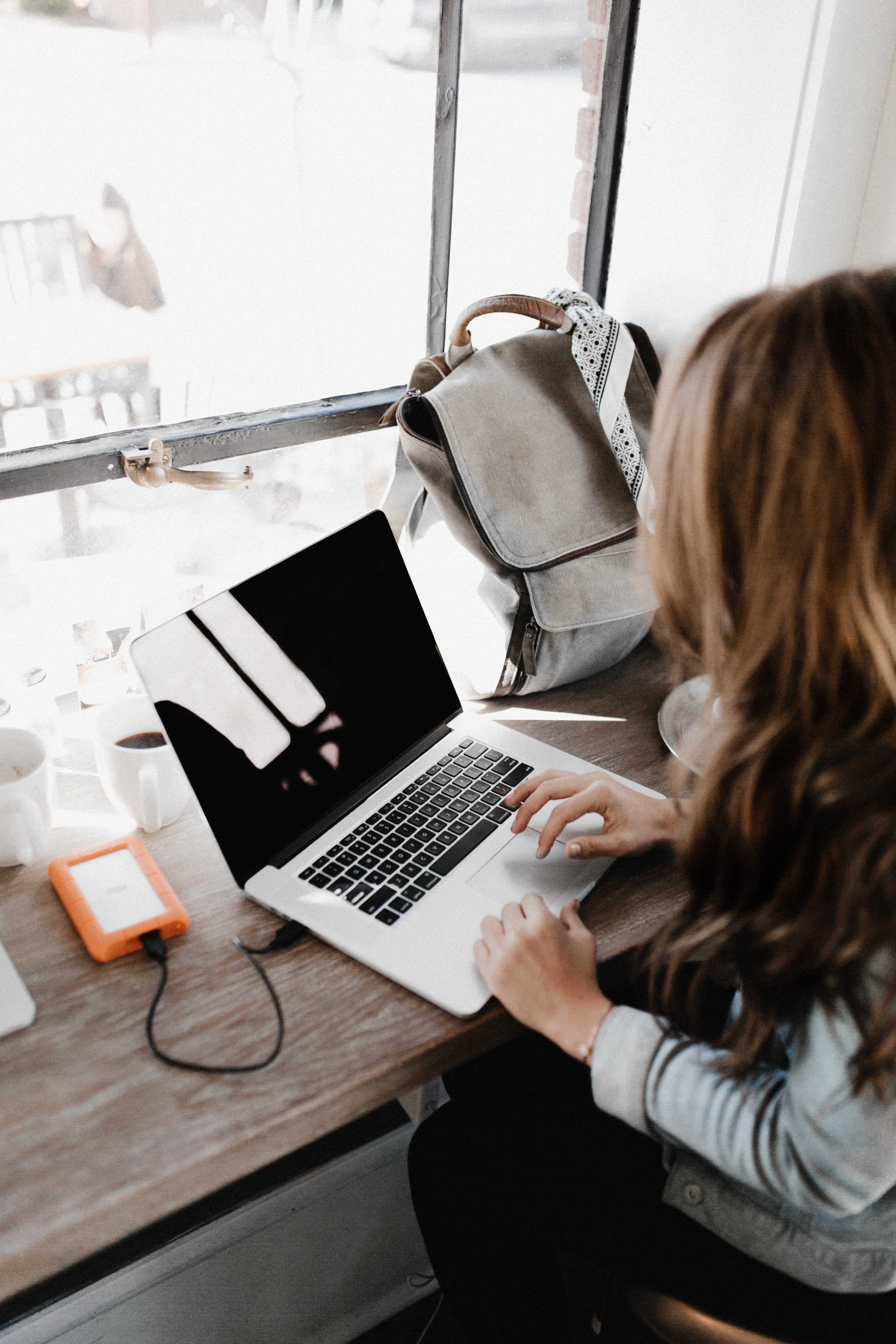
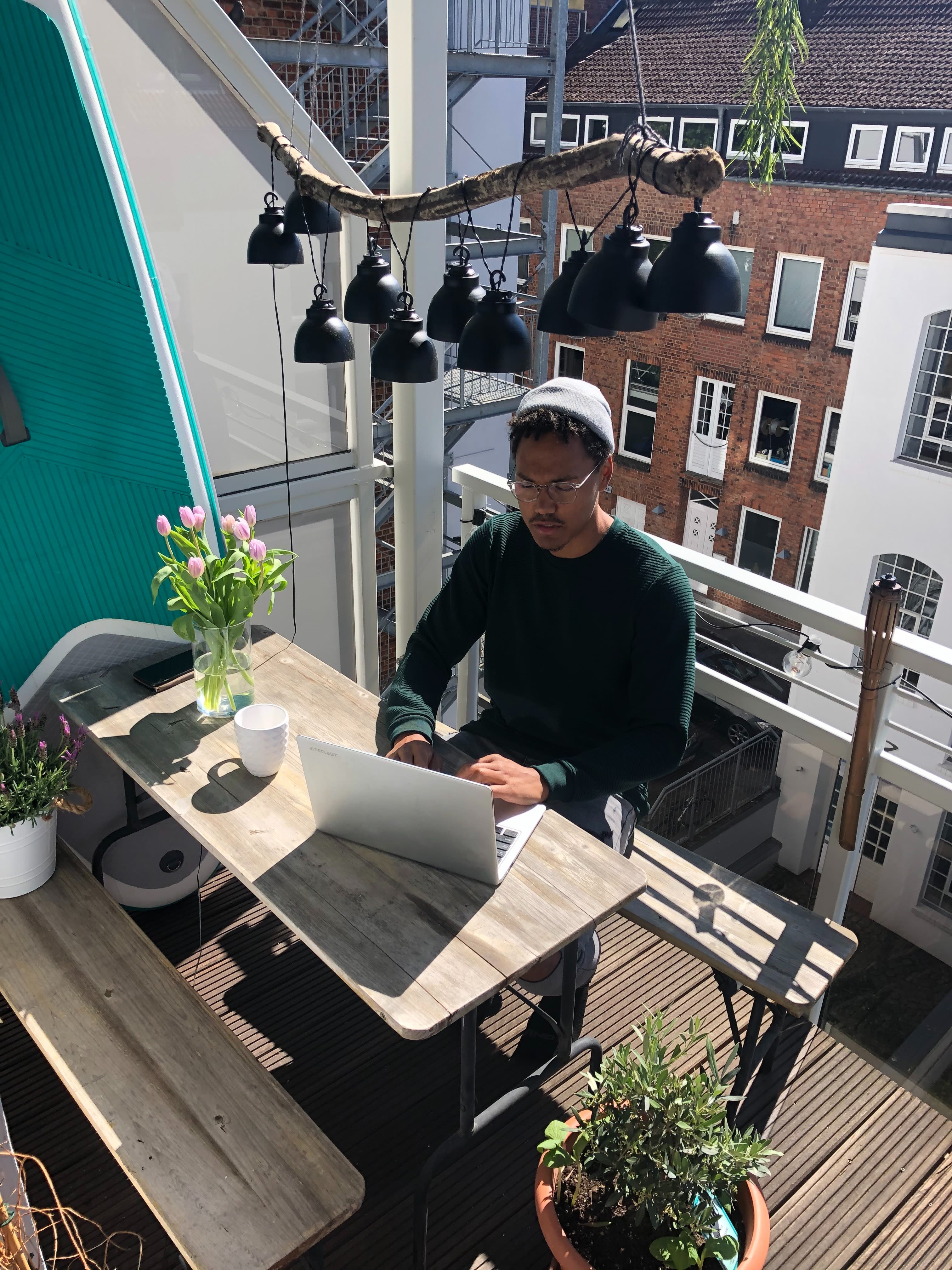
Photo by Andrew Neel on Unsplash
Photo by Andrew Neel on Unsplash

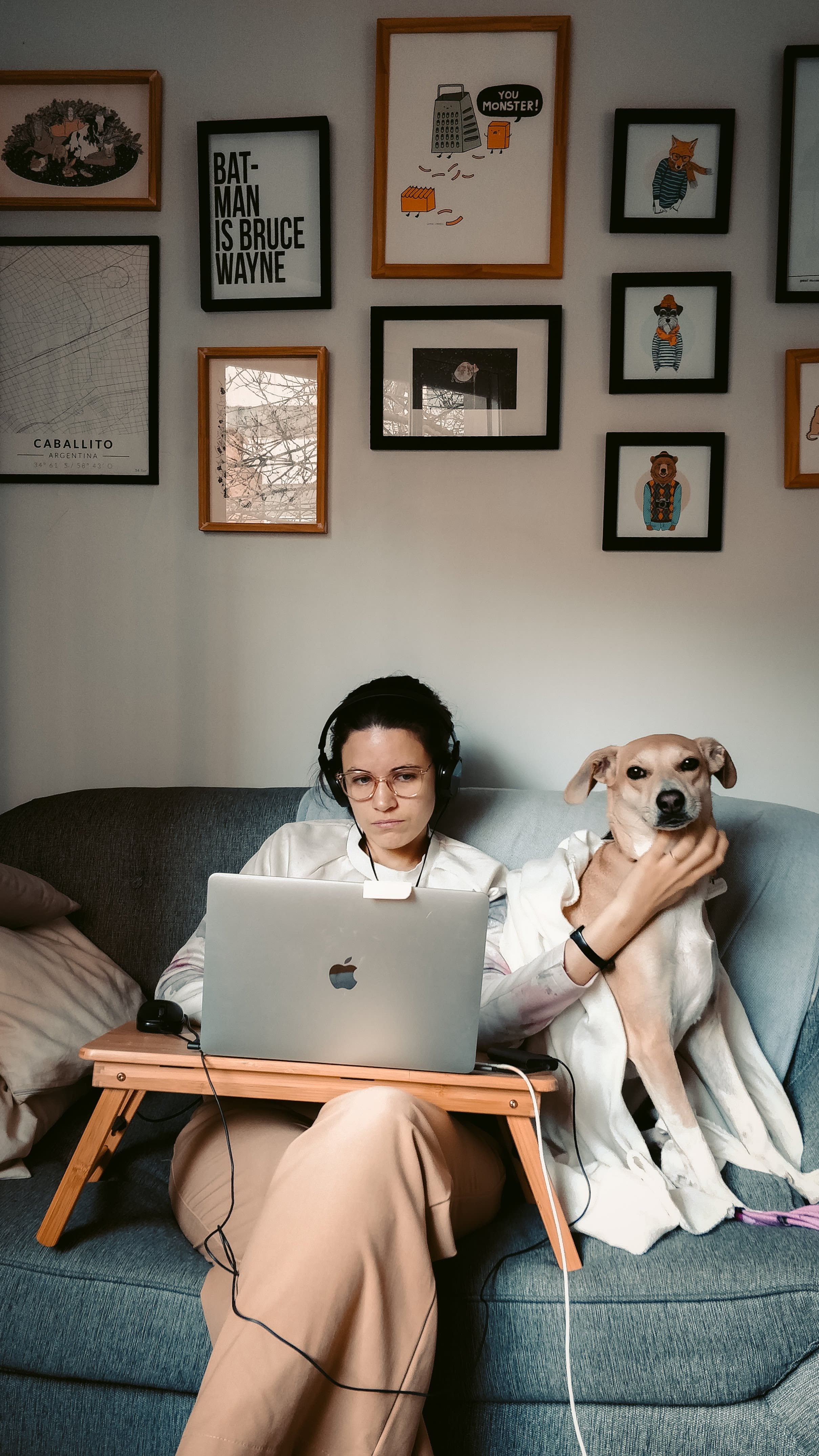
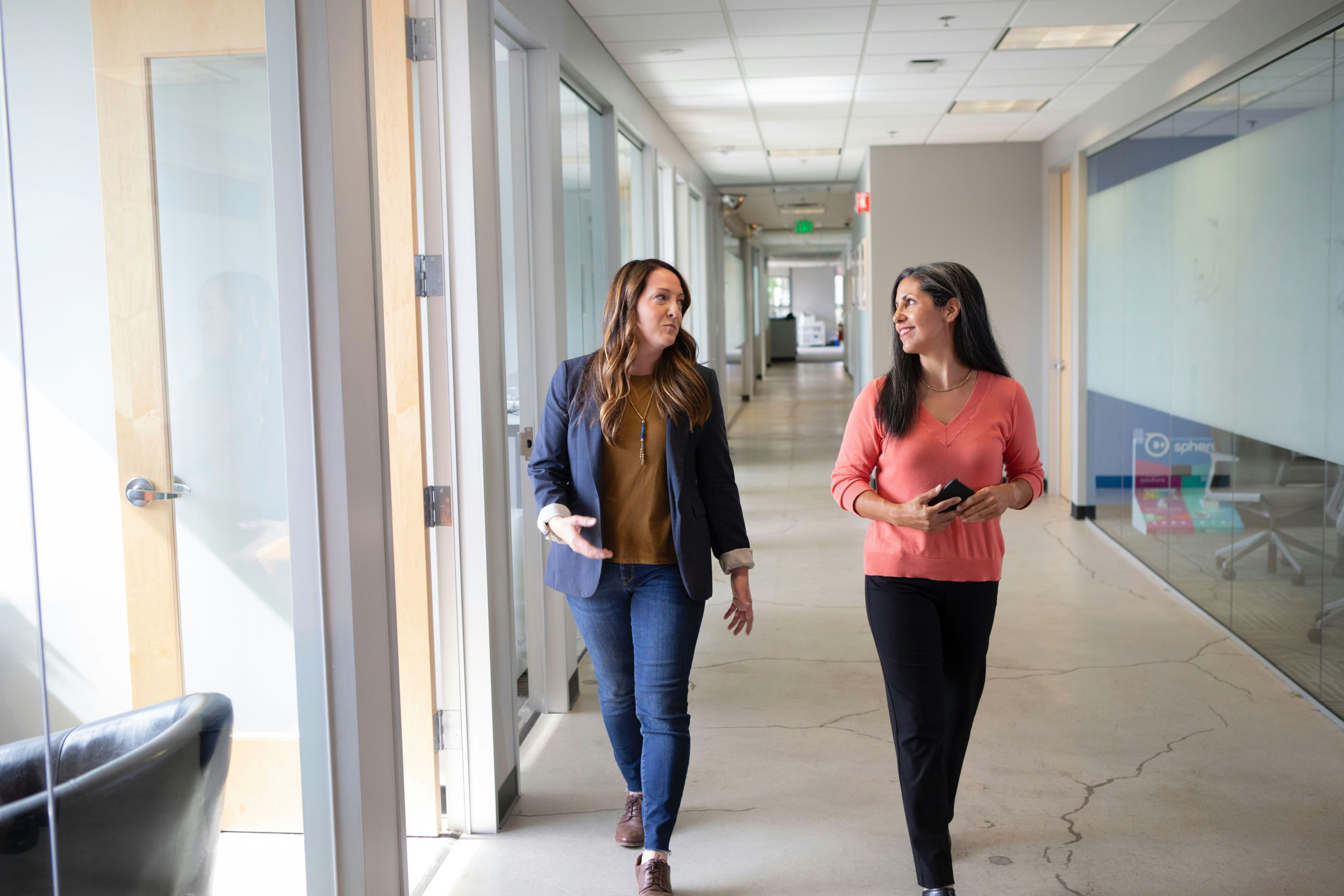
Photo by Cristian Tarzi on Unsplash
Photo by Cristian Tarzi on Unsplash

Make it personal
In addition to these cultural, technological, and social changes, an estimated 15–20 per cent of today’s UK workforce identifies as neurodiverse, which includes variations in brain function such as autism, ADHD, dyslexia, and dyspraxia. As traditional event formats can be draining and intense for those with diverse needs, it’s encouraging to see so many event planners adapting event formats and designing events with differing needs in mind.
From walking meetings and quiet zones to curated networking experiences - adapting an event format for diverse needs is an excellent way to ensure that everyone feels welcome and valued. In our experience, these carefully considered events result in a better experience and higher engagement for everybody.

Reimagine events
Reimagining how events could be run doesn’t mean tearing everything up, but it can pay to make bold choices.
Experimenting with immersive technology, playing with design, formats, and introducing fresh new voices and ideas to your speaker line-up can effectively engage with the differing needs and expectations of today’s delegates.
Today’s delegates attend events for great content, connection, and idea sharing, but they’re also seeking meaningful experiences that they can’t find elsewhere.