
Learn from my mistakes!
When ACA Live's Paul Farris founded a family festival called GoFest, it was a real labour of love.
The event took huge energy to get together, but with thousands attending and a roster of brilliant ambassadors, it was (eventually) a success.
It was no easy ride, but the learnings were plentiful.
Farris got an inside look at everything from sponsorship, ticketing and promotion to audience, marketing and dealing with media partners . Here he shares his main learning - and the things he’d have done differently....


When you attend a festival it all looks relatively straightforward.
Entertainment? Check. Food and drink? Check. Stalls and stands? Check.
But it’s only when you’re on the other side of the organisational fence that you see the sheer extent of the logistical decision making, planning, strategy and insight that is required to make an event on such a scale a success.
As well as all the things you can control - and there’s a lot - there is plenty you can’t which only serves to add a layer of anxiety on top of everything else. The British weather being the biggest one, of course.
I don’t profess to know all the secrets to running the ultimate festival, but I have been around the block enough times to be able to share some pearls of my wisdom for any budding events organisers out there.
I only wish someone had offered me the below to read a decade ago...

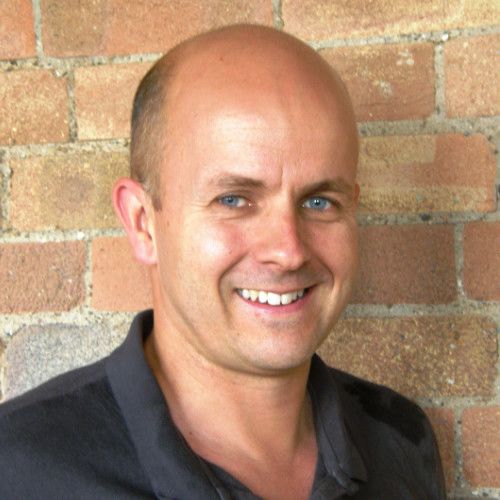
Paul Farris
Paul Farris

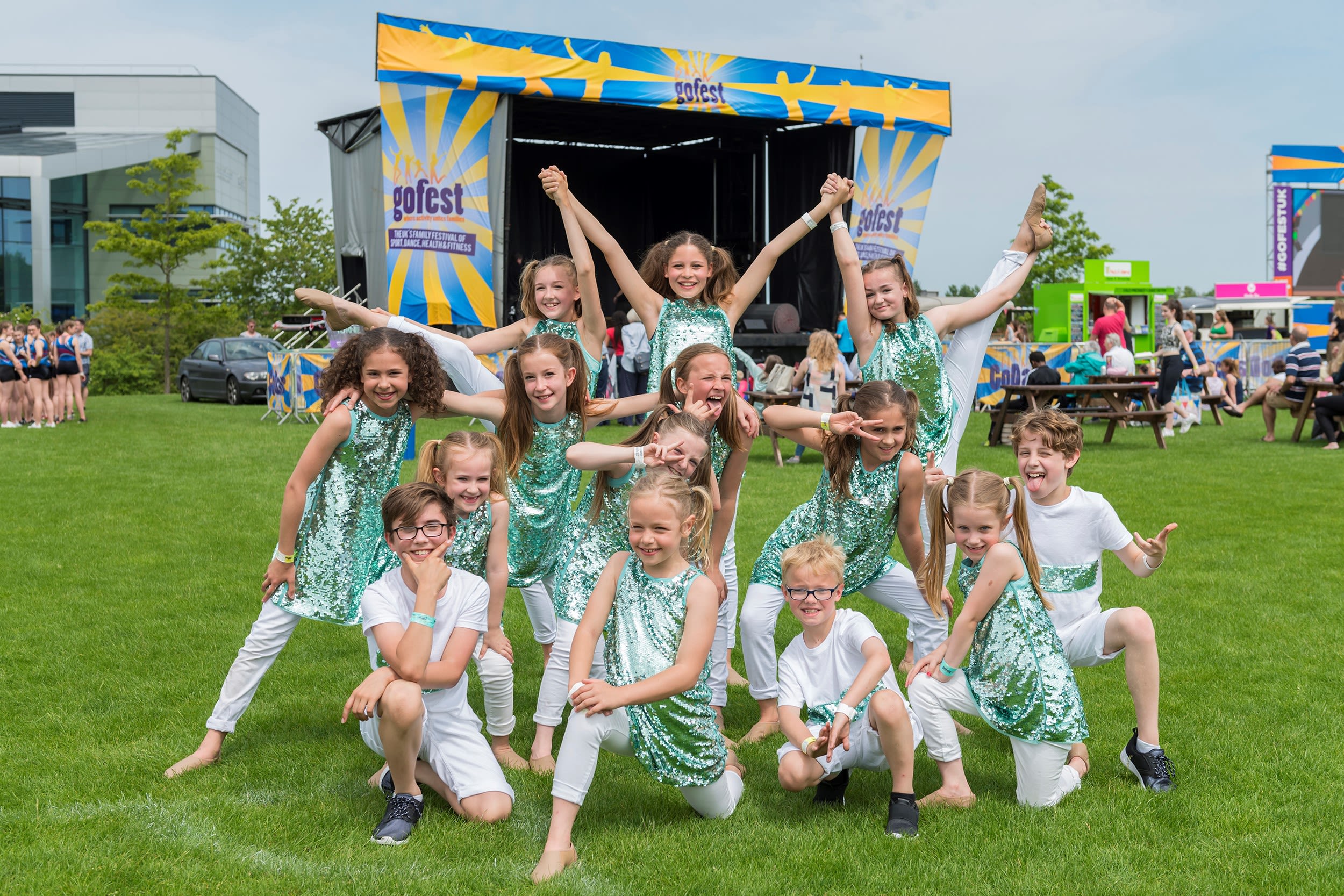

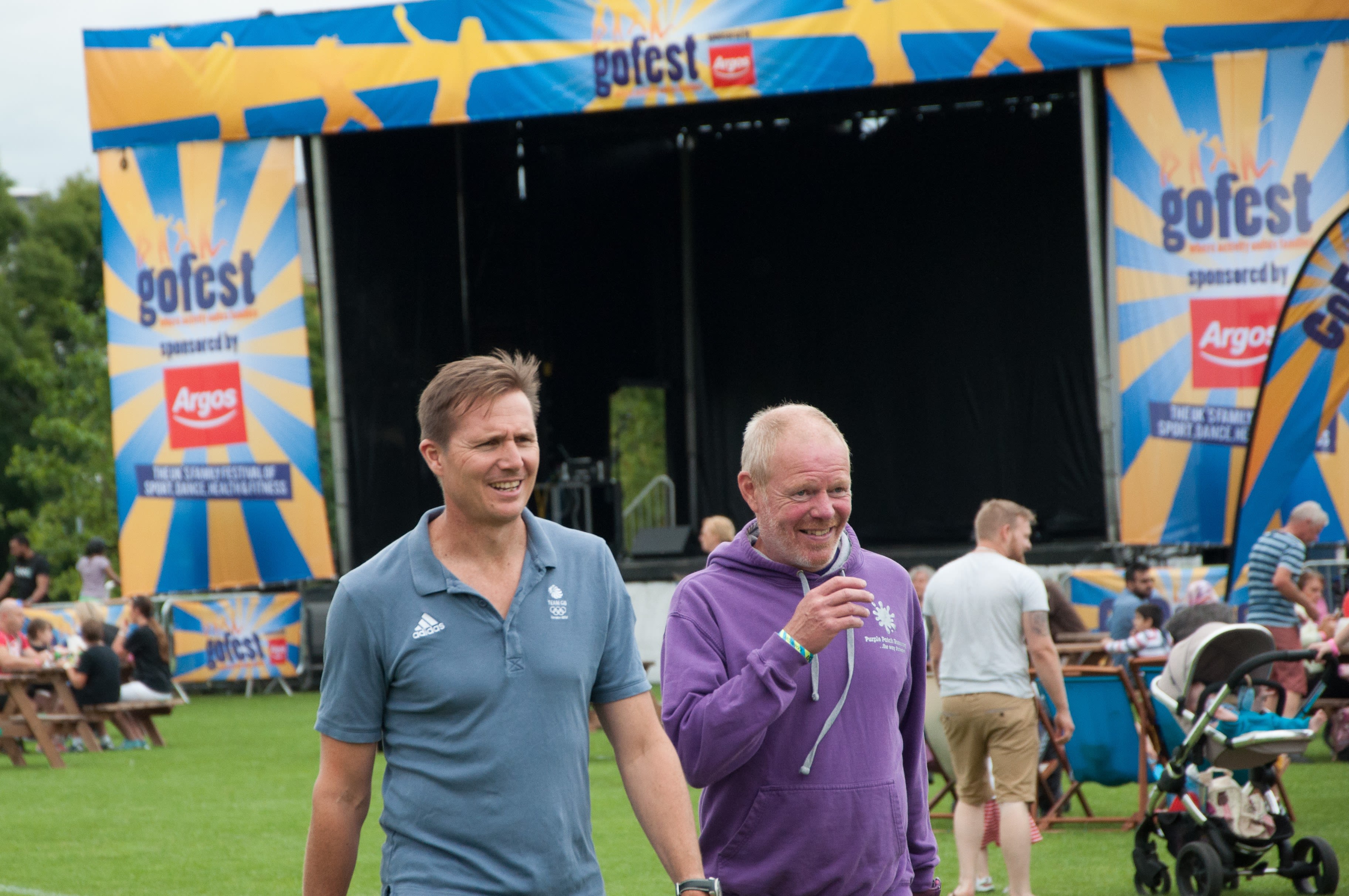

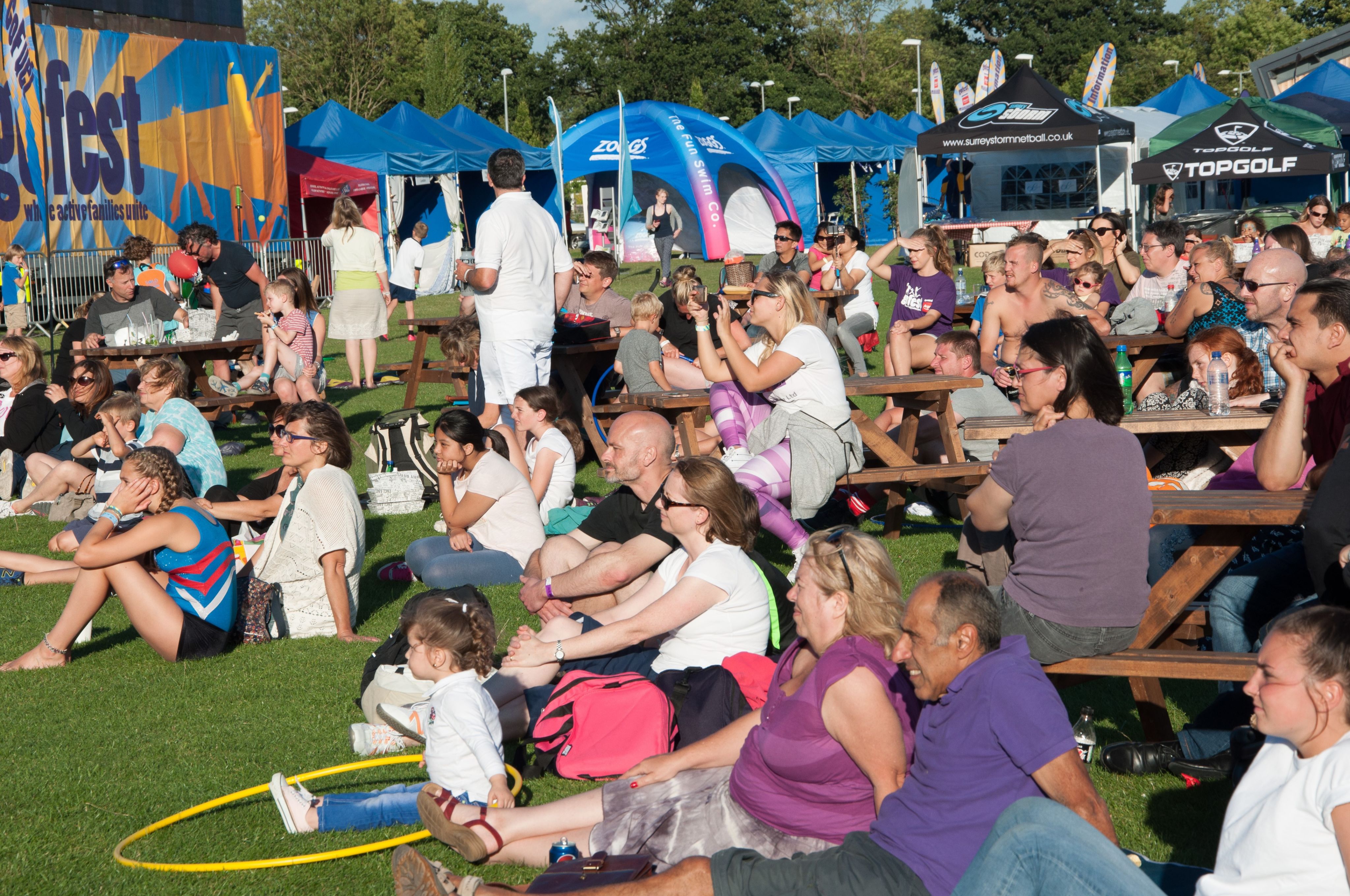


GoFest
GoFest
Start small and build up
I spent far too much time and money on a big venue and a large infrastructure, aiming to get 50 activities in place over three full days, with stage and screens, well known names and so on. I took too much financial risk, borrowing from my other business and from family members, and re-mortgaging the house to get the first event over the line.
In hindsight, a small, tighter footprint, with less activities and less space to fill would have improved the atmosphere and saved a lot more budget for essentials such as marketing promotions.


Seek targeted, big name sponsors
After getting the first Guildford festival over the line, my plan had been to gradually spread GoFest to as many as eight regional centres around the country. However, trying to secure a big enough sponsor was the biggest stumbling block.
Securing any sponsorship, whatever its size, takes a lot of time so try and avoid spending a lot of time on relatively small agreements. It’s also advisable to get one big ticket sponsor over the line before you commit to venues and the large costs that involves. Ensure that the sponsor covers your costs so that you know ticket sales are all profit.


Bolster promotion with media partnerships
As well as sponsors, it’s advisable to have a solid media partnership to help spread the word. In my second year I secured a big partnership with regional publisher Reach plc, who were great at giving us lots of low cost advertising and advertorials, including a guide to the activities on the weekend itself. Local BBC radio were also very helpful, interviewing me many times, attending the press launches, and so on.


Build a strong team in the background
When you’re trying to get a hugely ambitious event off the ground it can be easy to overlook the skills required down the line, or to think it’s something you can handle yourself. But knowledge of ticketing strategy, promotions, operations, health and safety and so on are all absolutely critical to the success of any festival, however low key.
A regional sports festival may not rival Glastonbury on volume and profile but it requires exactly the same set of skills at every turn. Have your team lined up well in advance of the point at which you need them.

Introduce sales incentives
Rewarding attendees heavily for early purchasing will encourage early adoption and sharing, and will create an element of FOMO. Generating some ‘don’t miss out!’ vibes through early bird deadlines has a very definite psychology behind it, which I wish I’d realised sooner.


Be true to your ethos
In GoFest I tried to be a bit of something to everyone: sport plus dance plus fitness, with entertainment in the evenings.
In reality, we found it extremely hard to cater for all three excellently. Plus, people were often too tired or disinclined to stick around in the evening - particularly those with young families - and so budget was wasted on live bands and stage hire.
I wish now that I’d been true to myself and trusted my instincts. Keep your focus on what you want to stand for, stick to your guns and make that part work brilliantly rather than spreading yourself too thin.
Leave enough time
With 50 sports on offer being facilitated by providers who are not being paid to be there I should have anticipated that life would be very stressful in the last few days as people dropped out or left their preparations to the last minute.
In all it took nine months and a lot of brain space and energy, particularly given that in the first two years I was also still working in my corporate job, producing conferences and team building events.


Despite this list of apparent catastrophes, we did achieve something brilliant - if by the skin of our teeth. We brought together 30,000 people, inspired thousands of kids with sport, and brought something different to two areas - multiple times.
Our post-event research shows more than half of adults and 60 per cent of children took up a new sport or activity after ‘having a Go’ at GoFest, while more than 40 per cent of children increased their average exercise time each week after attending the event.
I also know, anecdotally, that at least two people who first sampled a sport at GoFest have gone on to represent their county or country in that discipline. So as far as net wins go, I’ll take it!

Photo by Serge Kutuzov on Unsplash
Photo by Serge Kutuzov on Unsplash
 Built with Shorthand