
‘Niceties don’t get you anywhere’: why beam is turning up the volume
The UK events industry contributes billions to the economy - yet still struggles to be understood in Westminster. Now, beam chair David Tremmil says the sector needs to change tack: less polite, more powerful, and ready to demand recognition.


Ask beam chair David Tremmil what the sector needs most from government and he doesn’t hesitate. “Recognition”.
Not funding, intervention, or policy change, but recognition - because without it, everything else falters.
“There’s still a lack of understanding about what we are,” he says. “When government talks about our space, it talks about hospitality. But that’s not the full picture. Not even close.”
Now, that mischaracterisation - and the policy decisions that flow from it - is reaching a tipping point.
“That gap in understanding has real-world consequences”, says Tremmil, pointing to national insurance changes, accommodation levies and rising operational costs. He laments the fact that policy is made without a clear grasp of how the events ecosystem actually functions - or how quickly it reacts.
“You can see it straight away,” Tremmil explains. “Costs go up, margins shrink, and businesses feel it instantly. There isn’t that recognition of how connected everything is.”
The frustration isn’t just that the industry is affected - it’s that it is affected without being properly heard.

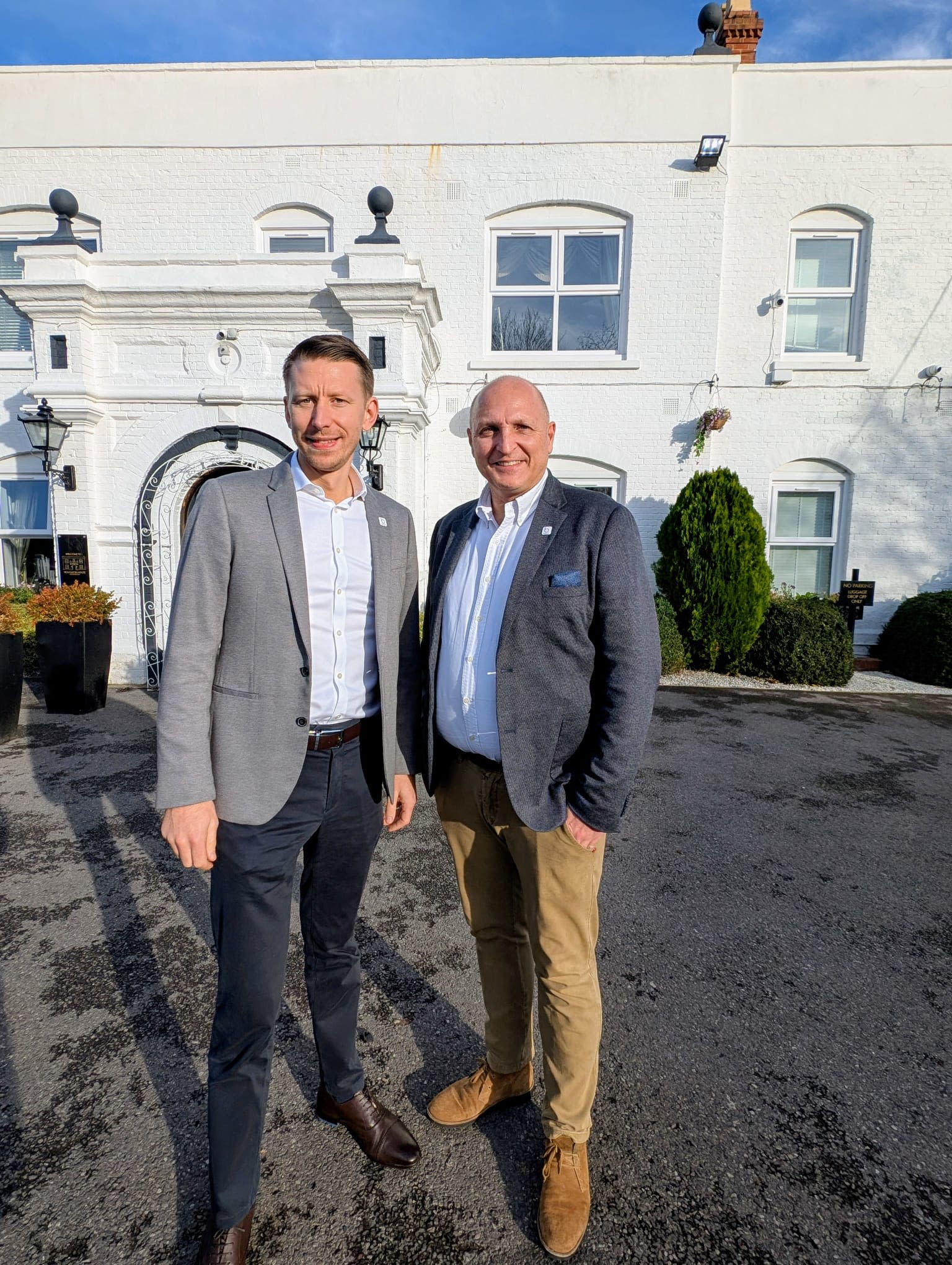
Linden Beattie and David Tremmil, vice chair and chair of beam
Linden Beattie and David Tremmil, vice chair and chair of beam



Too many voices, not enough volume
If recognition is the problem, fragmentation has been part of the cause.
For years, the business events sector has spoken through multiple associations, each representing different parts of the ecosystem. Valuable work has been done, but often in parallel rather than in unison, resulting in a diluted message.
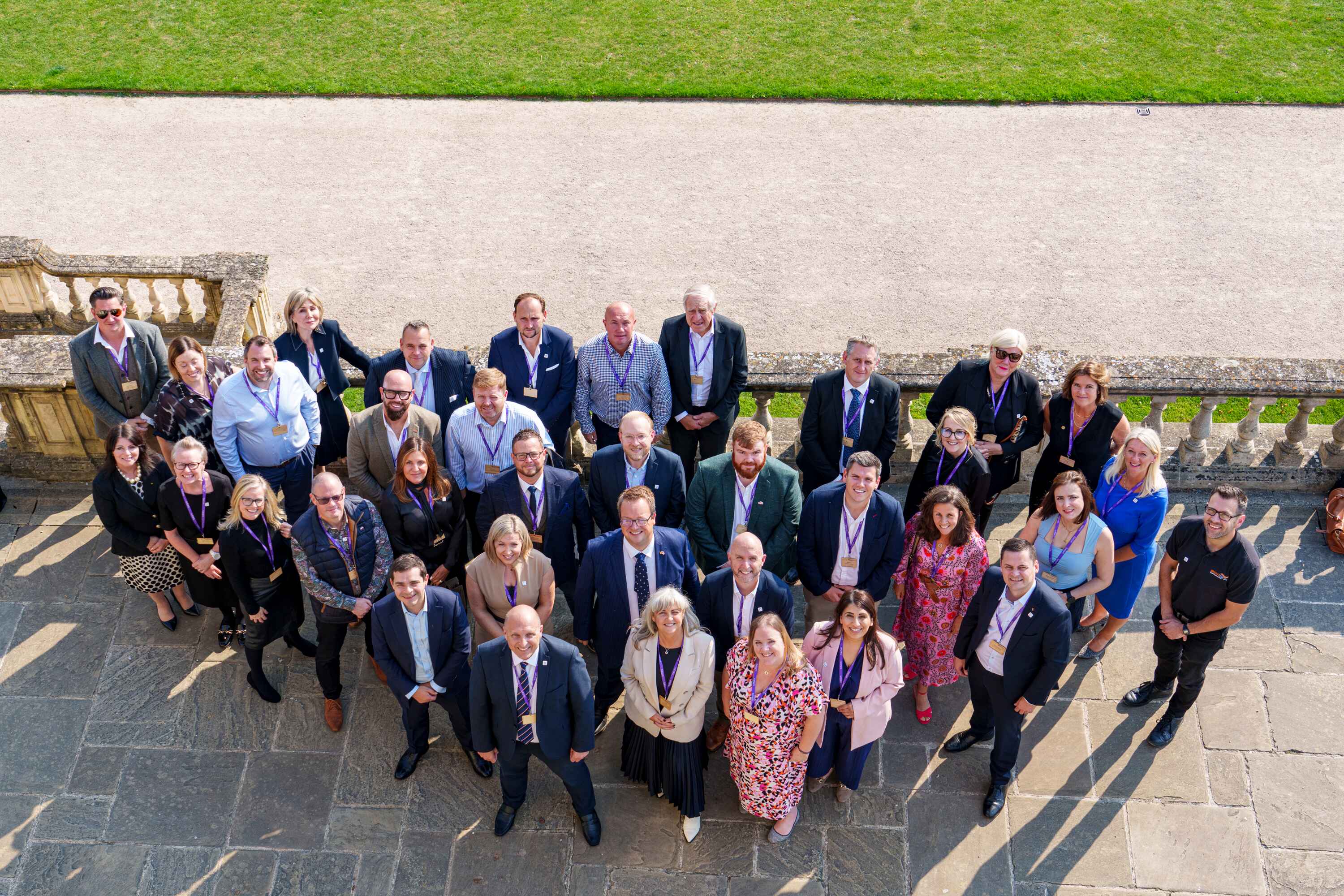
“MPs will say to you, ‘We get 20 emails a day from 20 different associations,’” Tremmil notes. “All asking for slightly different things.”
In that environment, even valid arguments risk being lost in the noise, so beam’s response is to lean hard into collaboration. Under Tremmil’s leadership, alignment with organisations such as the Business Travel Association (BTA), mia, ABPCO and others is no longer a ‘nice to have’ - it’s central to strategy.
Recent joint submissions on issues like the accommodation levy demonstrate that shift. While each organisation retains its focus, the messaging is increasingly consistent.
“When you’re all saying the same thing, it becomes harder to ignore,” he says. “That’s where the real influence is.”
From polite to powerful
But collaboration is only part of the story. For Tremmil, the industry’s traditional approach - measured, diplomatic, often cautious - has reached its limits.
“Niceties don’t get you anywhere,” he says plainly.
That doesn’t mean becoming confrontational for the sake of it. But it does mean being more visible, more vocal and more willing to challenge.
“It’s not about going against government,” he explains. “It’s about making sure we are heard. Properly heard.”
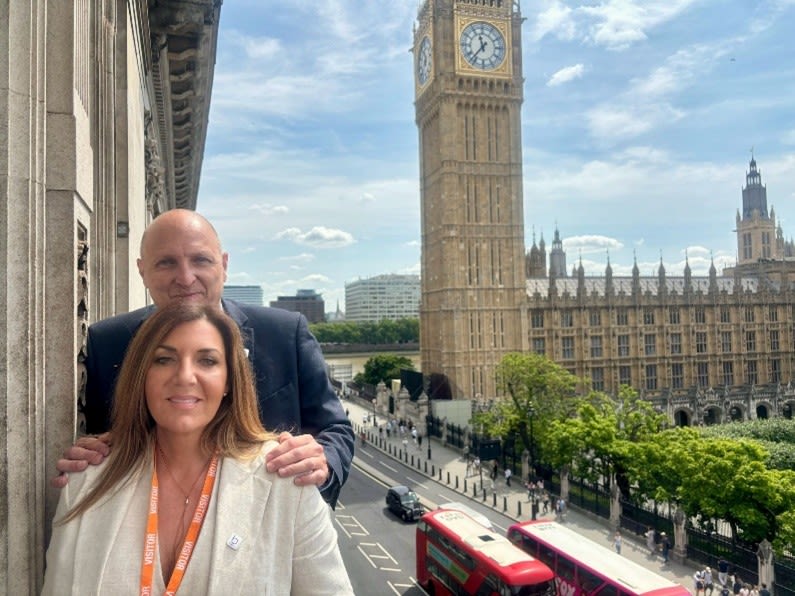
That includes engaging more directly with policymakers, increasing media presence, and creating moments that are difficult to ignore - whether through Westminster events, industry campaigns or coordinated advocacy.
The goal is simple: to become a force that cannot be sidelined.
“You have to make enough noise that they can’t see past you,” he says.
A more complex, more united industry
Part of that confidence comes from the evolution of beam itself.
Once seen primarily as an agent-and-venue body, the association has broadened its membership to reflect the full diversity of the events supply chain - from creative agencies to AV specialists and beyond.
“Everybody should be part of the conversation,” Tremmil says. “Whether you’re a two-person agency or a large organisation, you’re still part of the same ecosystem.”
Far from creating tension, he argues, that diversity has improved understanding within the sector - surfacing issues that might otherwise have been missed and reinforcing the idea that success depends on collaboration.
“Without one part, you don’t have the other,” he adds. “People get that now.”
The association has also just released an enhanced governance framework, including an updated Code of Practice, to reinforce clear industry standards. It follows one of the most comprehensive governance reviews undertaken by beam in recent years.
The push for recognition comes at a time when the industry faces mounting external pressures.
Geopolitical instability is already affecting international delegate behaviour. Rising costs, from flights to energy, are affecting competitiveness. Other destinations are investing heavily to attract global events, often with incentives the UK struggles to match.
“There are countries out there actively saying, ‘Come here, we’ll support you,’” Tremmil says. “We don’t really have that message in the UK.
“We’re good at what we do - some of the best in the world,” he adds. “But being good isn’t enough if you’re not supported.”
What success looks like
So what would progress actually look like?
“In the short term, it’s about being part of the conversation - consistently, visibly and credibly,” says Tremmil. “In the longer term, it’s about influence.”
Whether it’s a seat at the table when policies are shaped, a voice in how levies are spent, or a clearer strategy for attracting international events, it all comes back to that starting point: recognition.
“If there’s an understanding of what we are and what we contribute, everything else follows,” Tremmil says.

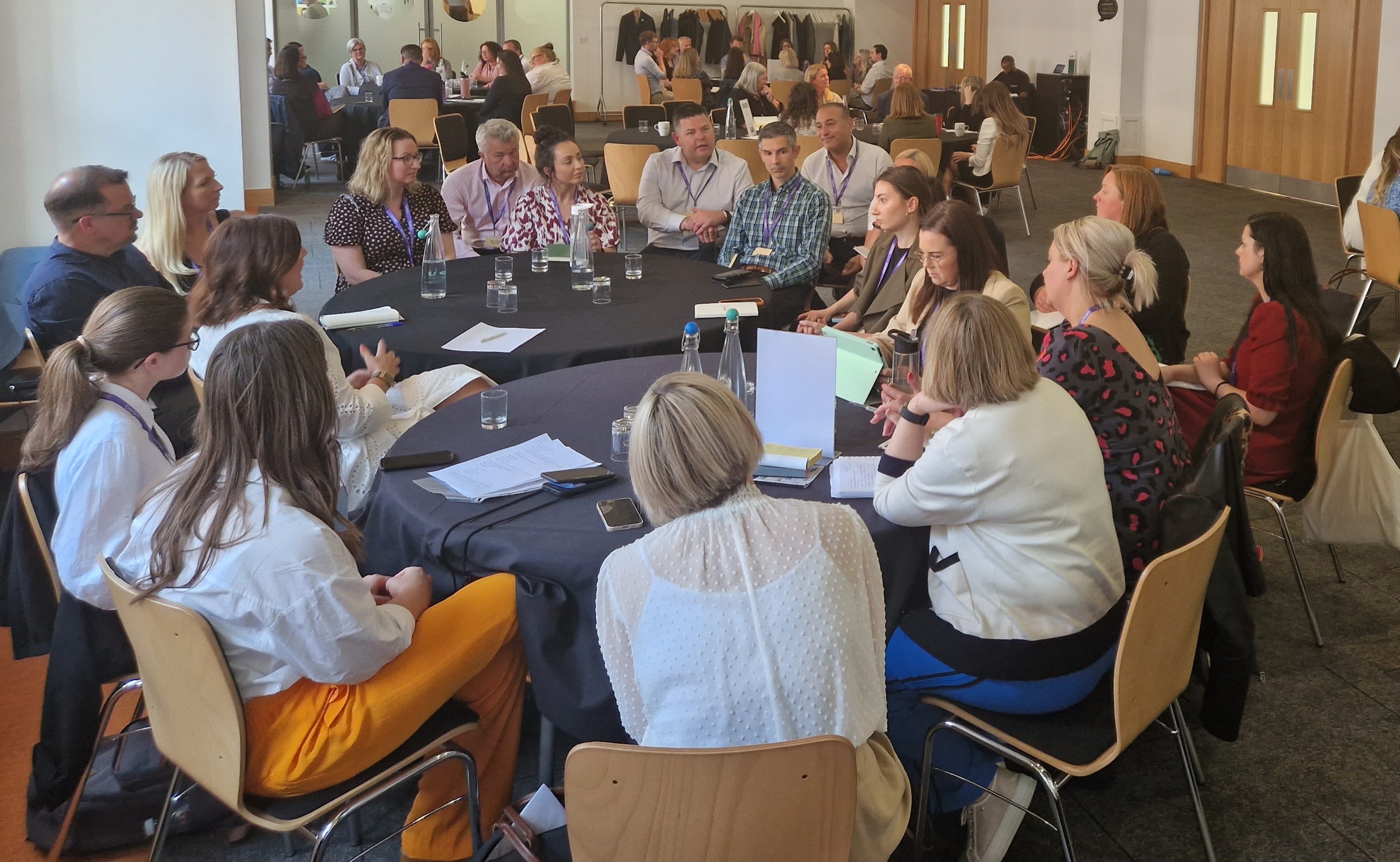
There’s a sense, speaking to Tremmil, that this is a moment of inflection.
The industry has been here before - through crises, recovery, and periods of reinvention.
“It’s not just about bouncing back”, says Tremmil. “It’s about being counted.”
And perhaps, finally, about being impossible to ignore.