
"Everyone deserves to feel safe"
Tim Mousseau's research highlights that above all else, people crave safety. So how can we create safe events that welcome all voices and identities?

As the founder of Create Safe, Tim Mousseau’s work centres on one idea: Everyone deserves to feel safe.
I caught up with him to find out more about his mission to make events feel safer and more welcoming to all, the necessity of offering data-backed and measurable solutions, and how the right frameworks can help prevent neurologically-based disconnect and combat isolation and exhaustion...

PH: You took part in the first IMEX AVoiceForAll in Las Vegas last year. It’s launching in Frankfurt this year – why is safety at events so important?
TM: When I first started talking in the event industry everyone would focus on physical safety and harm reduction. I think that's the bare minimum.
The big piece though, is these two main points:
- How are we creating a space where people can show up as themselves?
- How are we also creating a space where people can speak up and use their voice?
Think about the potential moments at an event that might cause someone to feel isolated or feel some level of disrespect. Was there a lack of information that then derailed their experience? Maybe something occurred that caused them to feel uncomfortable?
How are we capturing that voice to make sure that if issues are occurring, they're not slipping through the cracks? Do people know that if they bring something to you, their feedback is going to be acted upon?

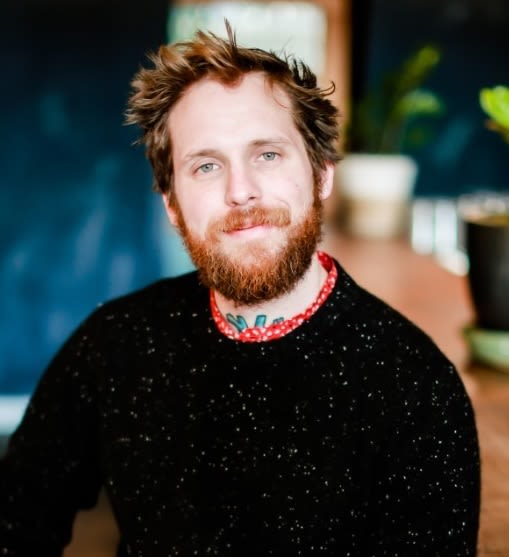
Tim Mousseau
Tim Mousseau
How much change have you seen in the attitudes and the responses in this space in the last 10 years?
There is a greater understanding of why this topic matters, and I think also people are starting to realize it's not as simple as passing a blanket policy. People realised, “Hey, we have to do more to build and curate trust, if we're going to ask people to share or invest or buy in and work with us around us.”
We've moved away from just the “We don't tolerate this here at our event” or the “If you see something, say something” type of language and literature. That's what safety was, especially when we were talking about behaviours like discrimination or sexual harassment
There's been a shift towards recognising that the culture we're building is also going to impact whether people feel comfortable. We've started to have some more honest and open conversations about things like power dynamics.
We can pass a policy around harassment prevention, but we also have to account for the reality of the situation of if we have a young first time attendee who has never been to an event before and doesn't have an established social network or doesn't know anyone, versus a VIP, speaker, partner or vendor who's very well known and is contributing a lot to the event. It might not be as easy as just saying, well, speak up and we'll deal with it.
We’re trying to be more open and honest about that reality and the nuanced factors that go into this as opposed to just saying, “Well, we have an anonymous form and a place to report - and that's it.”


To get to that point, it involves a lot of work on the part of the event planner, the event owner. They've got to put the time in to make sure that their events are safe places to be, haven’t they?
It has to be really proactive. When we look at preventing any kind of violation of safety, a lot of times it's easy to be reactive. If we hear about something, we'll respond and we will take action around it.
The issue is, there's a large chance that a lot of them are going unnoticed. In my research I found that a lot of times when people feel unsafe, especially if it's something that's current or it's a really severe violation, they're more likely to not speak up about it. They're going to leave and they're not going to come back. They're not going to partner with you again. So we have to be very proactive around it.
It's not just enough to say, “we'll handle it when we get there”. We have to start to put in place tools, policies and procedures to try to combat and circumvent these things. We have to look at also some of the setup and the logistical side of the event to make sure that we're not necessarily creating spaces or opportunities where this can happen. We have to think about the education that we might be providing to our participants as well around why we're making some of these shifts or why we're doing some of these things.
With physical safety we recognise this and we prepare for it more proactively. Covid is the prime example. When Covid happened all of a sudden we put into place all these policies around masks and social distancing and we would share all this literature about maybe air filtration systems. And here's why this venue was picked for this versus this venue. We have to do the same thing with so many other aspects of safety.



How did you get involved with this side of event planning?
My background was in sexual violence prevention, primarily from the perspective of a survivor of sexual harassment and sexual assault. As a survivor of sexual harassment, I know how isolating and exhausting it is to dread entering specific professional spaces.
In 2020 I started to think a little broader from just looking at that one type of harm and started to focus on workplaces in general and then eventually that research translated to events. I was really focused on, well, what's causing people to feel unsafe?
In my sexual violence and harassment prevention work, I found that was a hard conversation to have because a lot of organisations were only doing stuff after the fact or had this mentality of “that doesn't happen here”. A lot of times, people didn't feel equipped to have the conversations they needed to have. If we can't train our people to deal with the minor stuff, how can we expect them to deal with major stuff? I focused on that high level question of what's causing us to feel unsafe.
That's where I started to find the examples of what people considered harm or a behaviour that would cause them to feel unsafe were much less severe than even I anticipated. I was expecting them to be toxic worst-case behaviours and a lot of people were talking about stuff that feels almost routine.
That was really surprising to me. That's where I started to shift some of my focus, to try and help people understand, yes, we have to absolutely stop the worst-case behaviours from happening, but we also have to realise the small stuff builds and it's still causing that same negative sensations and negative behavioural reactions as the really extreme behaviours.
It’s surprising that the small behaviours were having just as much an effect as more major violations. How can eventprofs work to combat this?
Within the event space specifically, I've seen and worked with some partners in changing feedback capture, so whether it's looking at the post event survey or the tools and methods that they're deploying during the event to try and improve their survey response rates.
Let's not just ask questions that we're used to, or that we're just pulling from last year's survey. Instead talk about what was helping you in this experience, what was allowing you to engage, be present, feel connected to your community, be able to show up as yourself, speak up comfortably, as well as what are the things that might have been derailing that?
One of the things they did as well is they started to put out some pre-event education for their participants, knowing that they needed to train everyone in why they were doing this.
They deployed new tools and technologies and built in some policies and practice around how their team would capture feedback in those informal one-on-one conversations, they really tried to highlight that to ensure that people knew all the different ways they could share information and to try and build trust within their participant base to ensure that their participants were aware of all the action that was coming out as a result of it.
They saw an increase in response rates in their post evaluation. But they also were starting to hear a little bit more about some of the things that they were concerned about during the event itself, because people were much more willing to come forward and share about some of the disruptions or fears or frustrations that were going on once that education happened, and those technologies were in place.


Do you think the events sector has a particular problem?
I've done surveys and studies and a few recurring themes came up.
Sexual harassment is one of the main issues I've heard a few times, and then the role of alcohol is one thing that people have shared about quite a bit. People have talked about whether it's anything from I don't drink and there's really no social or networking opportunity that doesn't involve alcohol. Or maybe it's, you know, even as simple as there's no non alcoholic beverages when we go to these social functions. But then it was also on the much more larger level, around how people behave when they're drinking and the permissibility of the culture around that. And the willingness for people to make excuses or pass off behaviours that we wouldn't normally pass off because of the use of alcohol.
Another one specific to the events industry is isolation. This was something that I heard about time and time again especially from first time attendees, it was brought up quite a bit when people were new to an event space. It was very hard for individuals who didn't have established social networks or professional networks to feel like they could show up and build a community. And if they knew no one, it was really hard to have that same positive experience that their peers were having, because it was isolating for them. There was this large degree of, “Well, if I'm not provided facilitated opportunities to connect with others, it's easier for me to just disengage than it is for me to try and build those networks, especially if it feels like the community is really insular”.
It didn't necessarily correlate to age, it really was just the amount of time someone had belonged to that community. If there's these large scale events and there's a lot of things going on and it might be hard to know which social and function to go to or which ones invite only versus you know you hear people talking about some of these things and not knowing, am I allowed to go to that? Am I allowed to attend? Is that for me? Is that for someone else? There really needs to be that pre-emptive side to build the right culture before we ever actually get to the event itself.

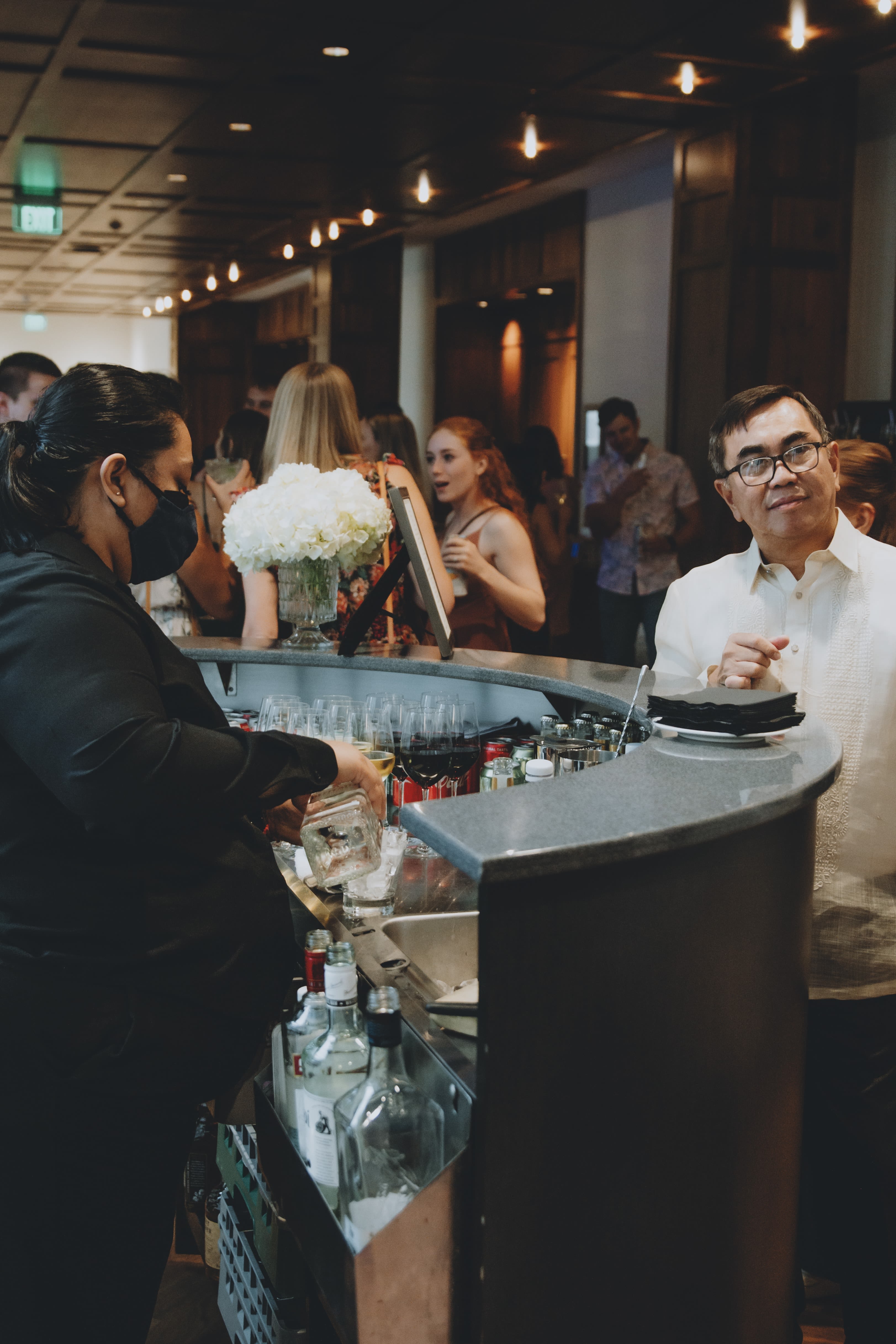
Photo by Noelle Rebekah on Unsplash
Photo by Noelle Rebekah on Unsplash

Photo by Ahmed Nishaath on Unsplash
Photo by Ahmed Nishaath on Unsplash
Focusing on the I (inclusivity) in EDI (equity, diversity and inclusion), the IMEX AVoice4All programme - thought leadership - in association with Destination Toronto, is opening up discussion on inclusivity in events and in business.
You can also read Tim Mousseau's essay, Creating safe events doesn’t happen by chance, where he discusses why creating safe events that welcome people of different identities and voices, must be designed in.
 Built with Shorthand