
Stop measuring footfall! 5 metrics that prove live events drive real revenue
Turnover, not turnstiles: why total attendance is no longer a valid KPI for a B2B conference or a high-end brand activation in 2026.
by Rob O'Siochain, head of growth, TRO


Footfall can look really impressive, but does it really tell you anything about the true ROI of an event or conference?
I argue that we need to stop counting bodies and start counting real business impact. In 2026, if your event report leads with “footfall”, you’re telling the C-suite you optimised for busy and not for buying. What is key is replacing vanity metrics with commercial ones that actually move the revenue dial and in turn drive business growth.
The footfall fallacy
A packed hall can be commercially useless if the right buyers weren’t in the room, or if they left without progressing a single opportunity.
At B2B conferences and premium brand experiences, the cost-per-attendee is simply too high to justify “total attendance” as a meaningful KPI. What we really need to ask is, "did this room move deals forward faster than our other channels could have done alone?”.



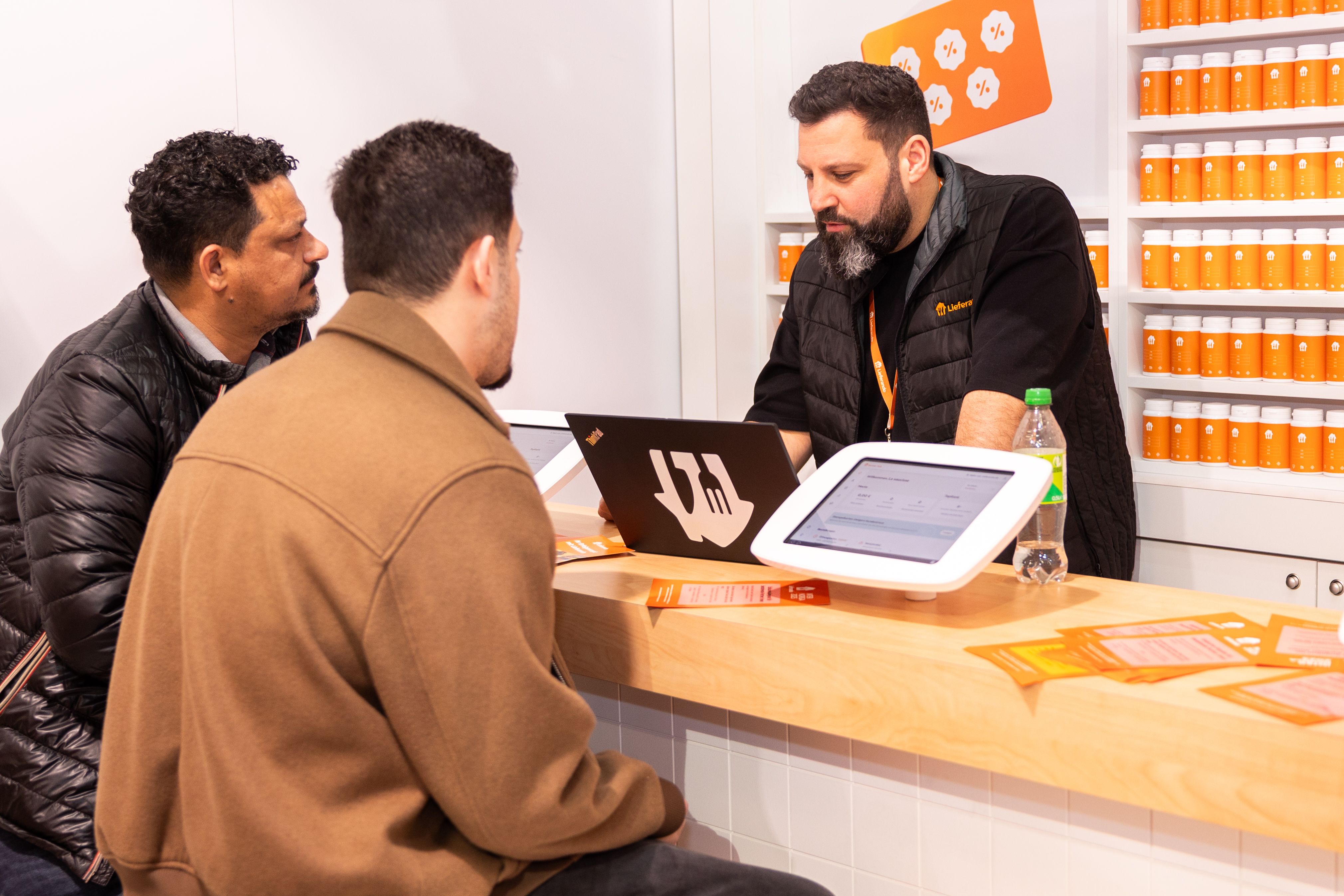
The three key ROI questions
When you report on footfall, scans and sessions attended, you’re describing activity rather than revenue. The commercial-first mindset needs to start with mapping every metric back to one of three questions:
- did we create a pipeline?
- did we accelerate the pipeline?
- did we protect and grow revenue from existing customers?
You need to understand the exact information you want to gather beforehand, like pain points, loyalty triggers, and business challenges, then build touchpoints that capture it all in real time.
This cuts through digital noise with quick human support, creates touchpoints that retain customers, turns them into brand advocates sharing the wins, and locks in trust and loyalty via feedback loops straight to the C-suite. Measurable CLV (Customer lifetime value) lift and a commercial moat wider than any app notification, proximity like this owns relationships for life, proving events drive retention ROI when planned properly with deep consideration.
Why conferences lock in existing clients
Margin is often made through the quiet and continued work of keeping and growing the clients you already have.
Concretely, you can track:
- Renewal rate for attending vs non-attending clients
- Expansion revenue generated from account-based sessions or executive roundtables
- “Share of wallet” movement in the 6-12 months post-event for your top accounts
The value of a live event is not in adding another touchpoint but distilling 10 digital moments into one decisive human interaction.
To prove it you need disciplined attribution. Track three things for each: conversion rate to opportunity, win rate and sales cycle length.
The value of proximity
To measure the commercial quality of a conversation, you need to be able to attach a clear value.
- Classify every meaningful conversation by its commercial outcome
- Capture estimated value or potential impact for each
- Track follow-through rate on those commitments at 30, 60 and 90 days
When you can say, ‘Across 40 proximity-led conversations we created 18 new opportunities, accelerated 12 existing ones and protected £X in renewal revenue,’ proximity stops being a fluffy concept and becomes a measurable growth lever.


Photo by Jakub Żerdzicki on Unsplash
Photo by Jakub Żerdzicki on Unsplash
How to stop data dying in a spreadsheet
Every qualified conversation and commitment captured on-site should live inside the same system sales uses every day.
Design the CRM first, the badge scanner second. Before the event, agree with sales which fields matter, then configure your capture tools to write directly into those fields.
After the event, run a single “Event Impact” dashboard: opportunities created, pipeline value, velocity vs baseline, and closed won.


The 5 growth metrics CFOs actually care about
Pipeline velocity
Pipeline velocity tells you how fast revenue moves through your funnel and not just how much sits in it
Sales cycle shortening
Live events earn their keep when they rip weeks out of the sales cycle
CLV lift on attendees
Customer Lifetime Value (CLV) lift compares the projected lifetime revenue of clients who attended your conference against a similar cohort who did not
Revenue from “meaningful connections”
A “meaningful connection” is any interaction that results in a defined commercial next step
Retention and expansion rate of attending accounts
Retention is the strongest ROI lever. The metric here is the percentage of event-attending customers who renew, upgrade or expand within a defined window versus those who don’t attend.


Photo by Bingqian Li on Pexels
Photo by Bingqian Li on Pexels
In conclusion: turnover, not turnstiles. Live events should be about the creation of commercial value. The opportunity lies in planning with intent, integrating the right measurement infrastructure upfront, and treating events as a strategic sales and retention engine rather than a brand moment alone.