
The importance of storytelling in event design
Chris Rhodes, owner and creative director of Experience Events, on how to use storytelling to get your audience to interact with your event.


In the events profession, we’re at an impasse between technology-based and tactile event design. This means the way we tell stories through our event design has to adapt. There’s an art in traditional scenic design as it relies upon the audience using their imagination to complete the picture, which is an investment in each audience member. It makes the experience more memorable as they’re filling in the blanks for themselves.
The tech solution looks fantastic, ticks sustainability boxes and makes a huge impact if done well, but it is more passive. The possibilities with storytelling through digital event design are infinite but the reality is often finite, with event professionals running the risk of audiences just staring at another screen.


Chris Rhodes, owner and creative director, Experience
Chris Rhodes, owner and creative director, Experience
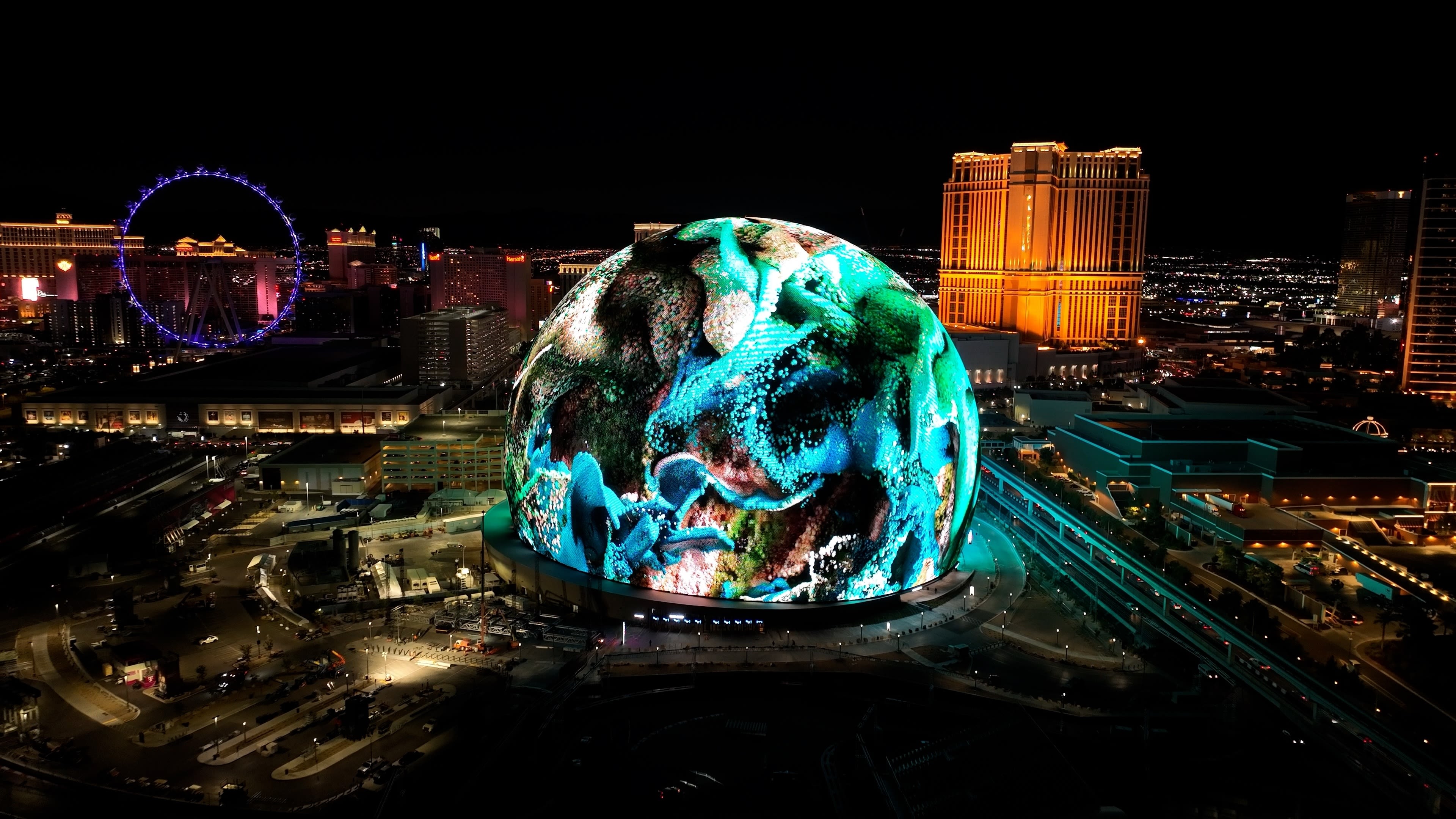
Think of the Las Vegas Sphere. The audience may be blown away with the initial content but as soon as one event happens, the next follows and the novelty and messaging gets lost pretty quickly.
It’s vital then for event professionals to properly weigh up the pros and cons when choosing between technology-based and tactile event design. One thing is non-negotiable; however, the solution must help tell your event’s story.

The benefits and challenges of tactile event design
We love the tactile elements of an event. We like building experiences where your audience can get lost in them as it is the sensory experience that will make your event and message sticky.
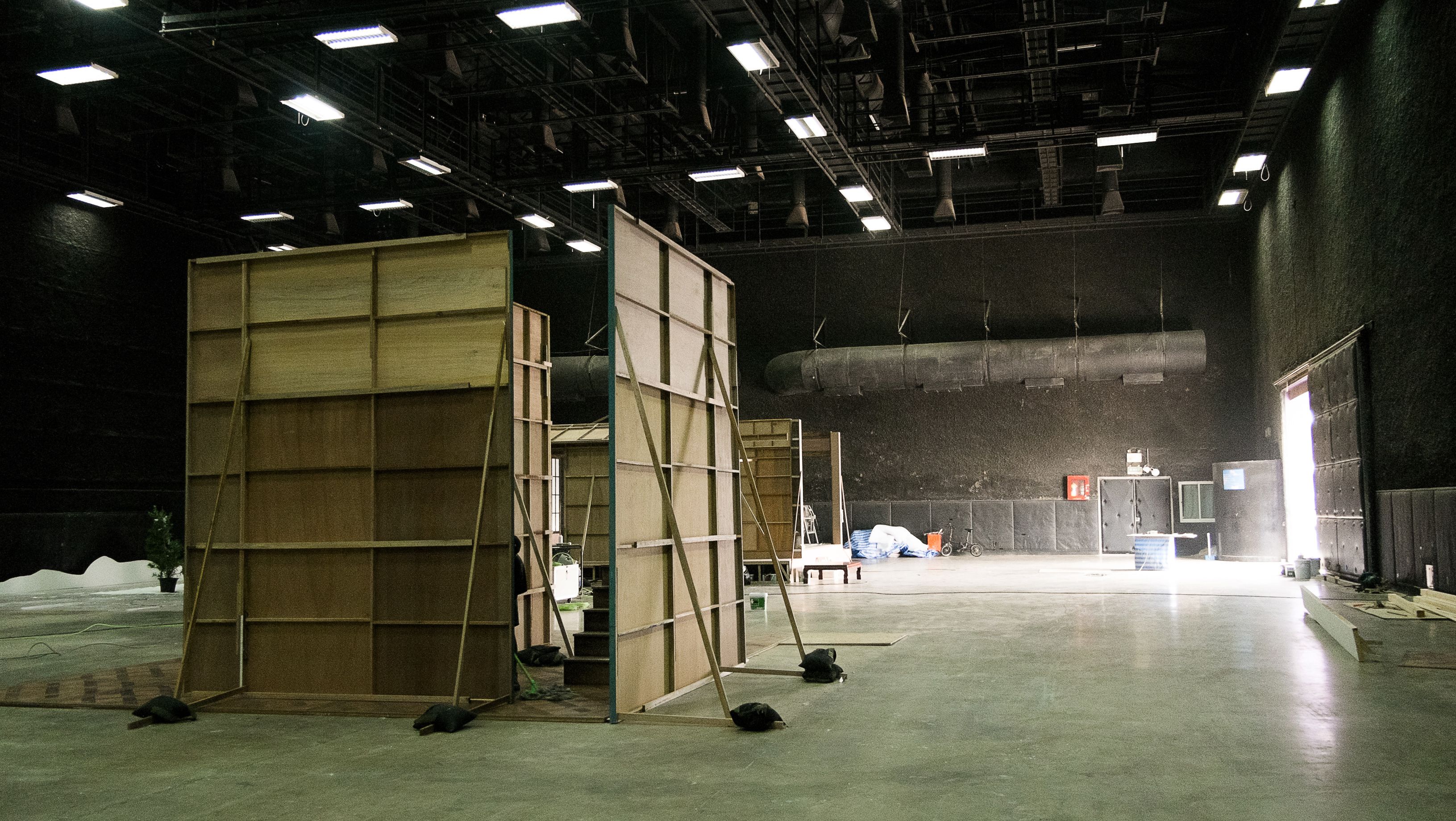
It wasn’t long ago that we were building stage sets and brand experiences from scenic flats and canvas wraps. The workshop would be busy with carpenters and metal workers, shaping and crafting temporary worlds within which an audience would explore and learn or sit and marvel about how the stage would adapt from session to session, just as it would between acts of a play in the theatre.
Building tactile environments from a scenic perspective is an art form that frequently relies upon the audience’s imagination to complete the full picture and reimagine your world. This can come at a cost however, with tactile elements often taking time to build aligned with labour, materials and shipping. Not to forget the impact on the environment too, with lots of disposable items and prints in use. Also, the cost of tactile designed events largely hinges on the venue itself.





Great set, more memories
And while the venue may be expensive, the right one can help tell your story. Some naturally lend themselves to exploration and come with an inherent visual language embedded within them, don’t throw your 1920’s art deco party in a brutalist venue when you can source a space that has that aesthetic running through it.
Get your venue in order and a tactile set design can be an extremely powerful way to tell your story by involving your audience and their imaginations. Get it wrong and you’re left with an expensive set design that leaves your audience confused at a negative cost to the environment.
The strengths and limitations of digital event design
With technology becoming more available and accessible, we’re now creating fully digital environments from LED walls. Which look amazing and can be incredibly impactful, but only if you get the content right.
New technology means that audiences aren’t necessarily engaging with your content simultaneously, complicating the ability to effectively translate your message. How often do you sit at home watching the TV whilst simultaneously doom scrolling.
If you’re hosting a digital event you need to ensure it isn’t passive and the audience can interact. The last thing you want is to stare at a giant PowerPoint show for an hour and then leave. The content needs to be interesting and of high value for digital solutions work best.
Visual elements need more prep time to shine
If using films remember they need rendering and encoding to work on big screens which takes time and means that last minute changes are difficult to make. Don’t roll out a boring slide deck, you need to be clever and put the time into design so you can dazzle your audience and keep their attention.
Compared to tactile design, where we are reinventing a playbook that’s already been written, the digital world has no rulebook, giving us scope to create new magic and memories. Especially as technology advances and we see the rapid development of real time AI. This doesn’t come without risk, however. And while the price is coming down fast, for the most part, digital is still more expensive than a tactile event.
Similarly, while both events can go wrong, if a digital event runs into issues, then all your eggs are in one basket. Speaking from personal experience, there are thousands of cables and connections backstage, so if someone goes backstage when they aren’t supposed to and breaks a wire, then it’s high stakes to get everything sorted. If it goes wrong, it goes seriously wrong, and you’ll want to be sure you’re in the safest and most professional hands to get the show back on track.
Moments like these are extremely rare however…


The best of both worlds
Storytelling is the key regardless of which event design you ultimately choose (or a mix of both) your design must get your audience to interact with your event. They have to transition through different scenes to properly understand your story and trigger different senses. By using a mix of solutions, you can avoid your audience staring passively at a screen, giving your message a greater chance of being remembered.
Ultimately, both forms of event design can be very impactful. Both have some easy wins and some potentially expensive downsides but if you properly invest into what you’re doing to effectively tell your story, you can win the hearts, minds and memories of your audience.



 Built with Shorthand