
The show must go on
How to turn an event disaster into a minor hiccup


By Jenna Ancill, account director at Experience
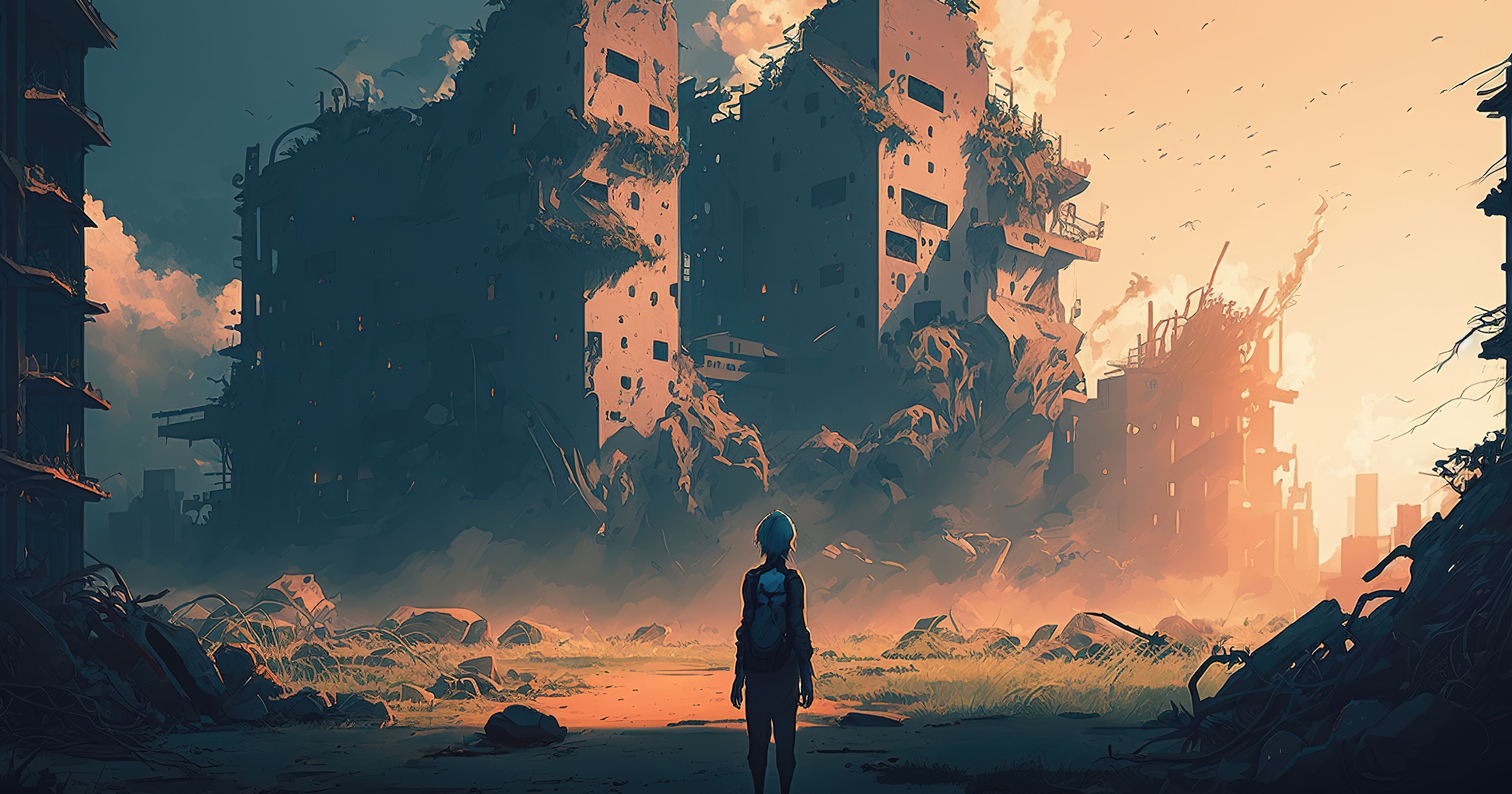

When a fire destroyed Tomorrowland's main stage just 48 hours before 70,000 people were meant to arrive, we all thought the world's biggest electronic dance music festival was finished for 2025.
But by Friday evening, the performers (and attendees) were shouting "thank you to the organisers!" as they took to a brand-new replacement stage.
What happened between the fire and opening night shows exactly how great events can turn disasters into victories. This wasn't about having a backup plan – it was about staying calm, thinking fast and knowing the right people to call or the right thing to do.


Solve the big issues first
When everything goes wrong at once, you can't fix it all. The trick is working out what matters most and tackling that first. Focus on what will have the biggest impact on your event – fix that first so your show can still happen.
I learned this at a big awards ceremony. Right before we went live, all our screens, sound and lighting died as VIP guests walked in. Instead of panicking, we quickly got music playing through the speakers. The guests thought the upbeat music was part of the welcome experience while we frantically fixed everything behind the scenes. By the time everyone was seated, we had it all working again.
The Tomorrowland team did exactly this but on a huge scale. They built their replacement stage in just 12 hours after nearly two days of non-stop work. They knew getting a working stage up mattered more than recreating their original design. The show had to go on.
The power of networking and industry connections
Here's something no one teaches you in event planning courses: the people you know can save your event. When Tomorrowland's team faced disaster, they didn't just call their usual suppliers. They reached out to Metallica's touring crew and got major parts from their stage setup to rebuild in time.
I can't stress enough how important industry connections are. That's why building relationships is such a big part of my job – you never know who you'll need help from or when. These friendships aren't built overnight, but when a crisis hits, they become your lifeline.
Keep calm and carry on, even when things fall apart
Events never go perfectly to plan. Weather changes, equipment breaks, suppliers let you down – it's just part of the job. That's why staying calm under pressure isn't optional, it's essential.
I always tell my team: "You've done all the planning, now we're live we just need to find solutions for whatever doesn't go as expected." Getting stressed won't change anything once you're at the event. The best event professionals know that panic is a luxury they can't afford.
When I'm hiring, I look for people who stay cool under pressure just as much as technical skills. You can teach someone to operate equipment, but you can't easily teach them to think clearly when everything's going wrong. This industry needs people who stay flexible and focus on solutions when the unexpected happens.




Managing clients during difficult moments
One of the hardest parts of managing disasters is knowing what to tell clients and when. Do you call them immediately, or do you fix things quietly in the background first?
My rule is simple: try to solve the problem before worrying the client. If the issue will seriously affect their event, I call them straight away and explain exactly how we're fixing it.
The key is always having a solution when you explain the problem. Don't just call to say something's broken – call with your plan to fix it. Clients want confidence that their event is in safe hands, especially when things go sideways.
Event success has a new standard
The events industry has always been about creating amazing experiences, but recent years have taught us that being able to bounce back is just as important as being creative. Modern event teams need to think beyond beautiful designs – they need to plan for when things go catastrophically wrong.
Tomorrowland went ahead as planned that weekend, which wasn't just a win for them – it set a new standard for what's possible when event teams combine planning, connections and determination.
The difference between events that survive disasters and those that don't comes down to three things: preparation, knowing the right people and making fast decisions under pressure.
A lesson for event teams
"The show must go on" isn't just an old saying – it's what separates real professionals from everyone else. When everything's going smoothly, anyone can deliver a good event. But when disaster strikes, that's when you find out who the real experts are. Great event partners don't just avoid problems – they solve them fast when they inevitably happen.
The best teams understand that every event is a chance to prove they can handle whatever gets thrown at them. Whether it's a screen dying five minutes before showtime or an entire stage burning down, the response is the same: stay calm, think fast and make it work.
That's what turns potential disasters into just another story about the day you saved the show.