
How far is too far? Rethinking train travel for events
Anna Peters from Evolve Events takes the train all the way from London to Copenhagen as she investigates where the balance tips from responsible travel to unrealistic...
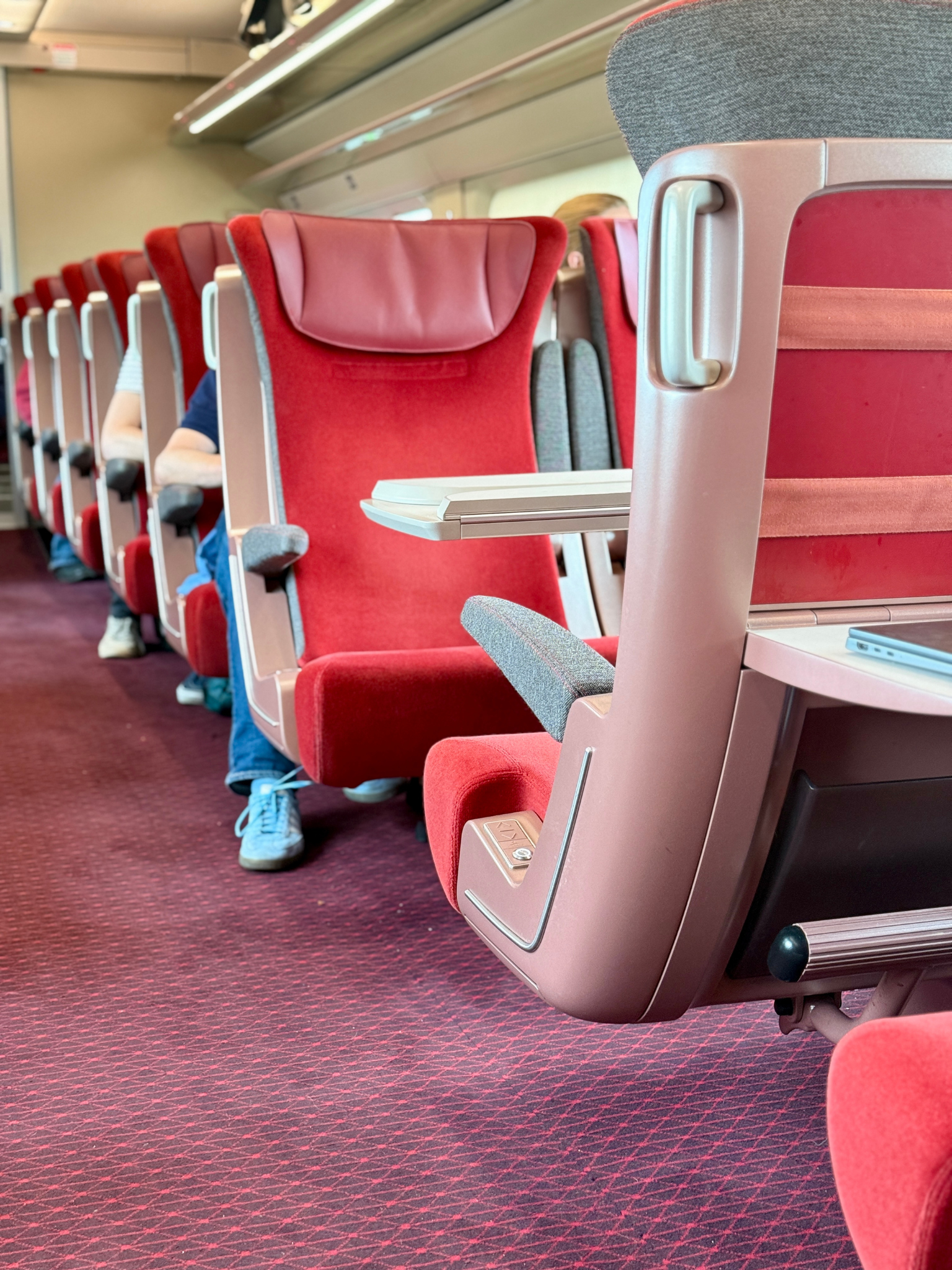

How far is it reasonable to expect people to travel by train to an event? It’s a question more of us are asking as the events industry takes meaningful steps towards sustainability.
Choosing trains over planes is often cited as a win but what does that really look like in practice? How long is too long? When does the balance tip from responsible to unrealistic?
Earlier this summer, I decided to find out, taking the train all the way from London to Copenhagen to attend How To Copenhagen, a sustainability-focused study trip hosted by the Copenhagen Convention Bureau.

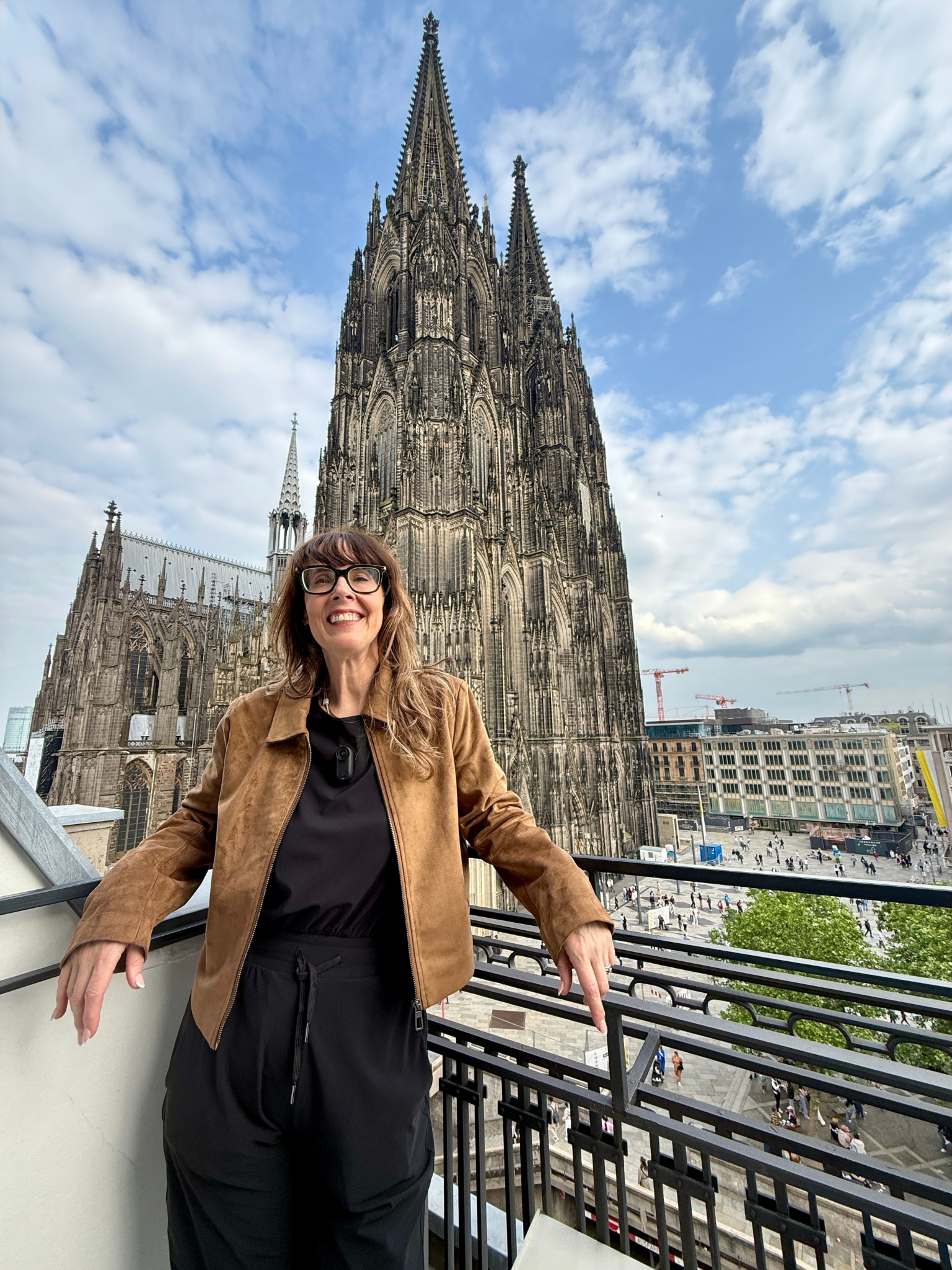
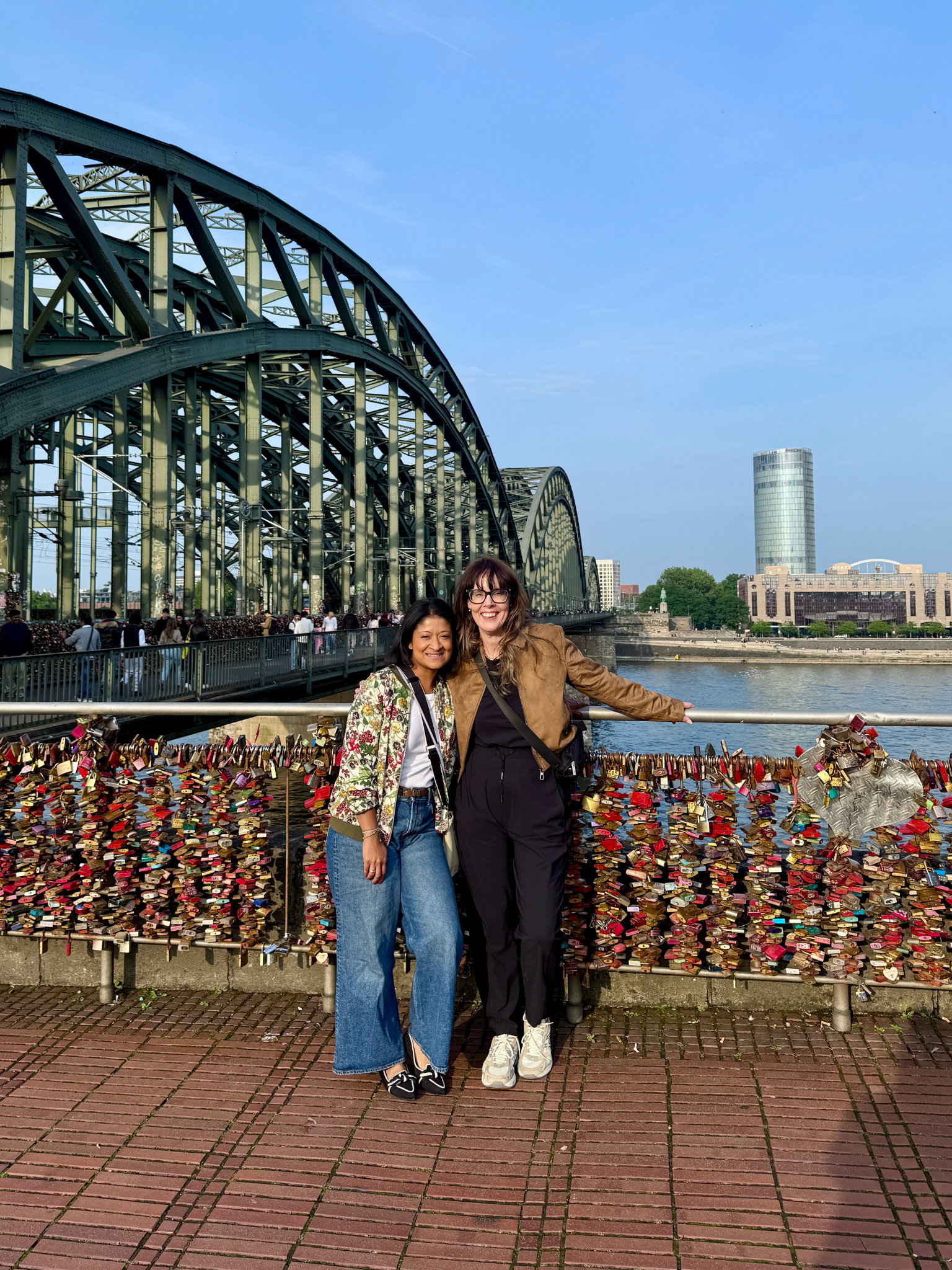
Anna Peters in Cologne, en route to Copenhagen
Anna Peters in Cologne, en route to Copenhagen

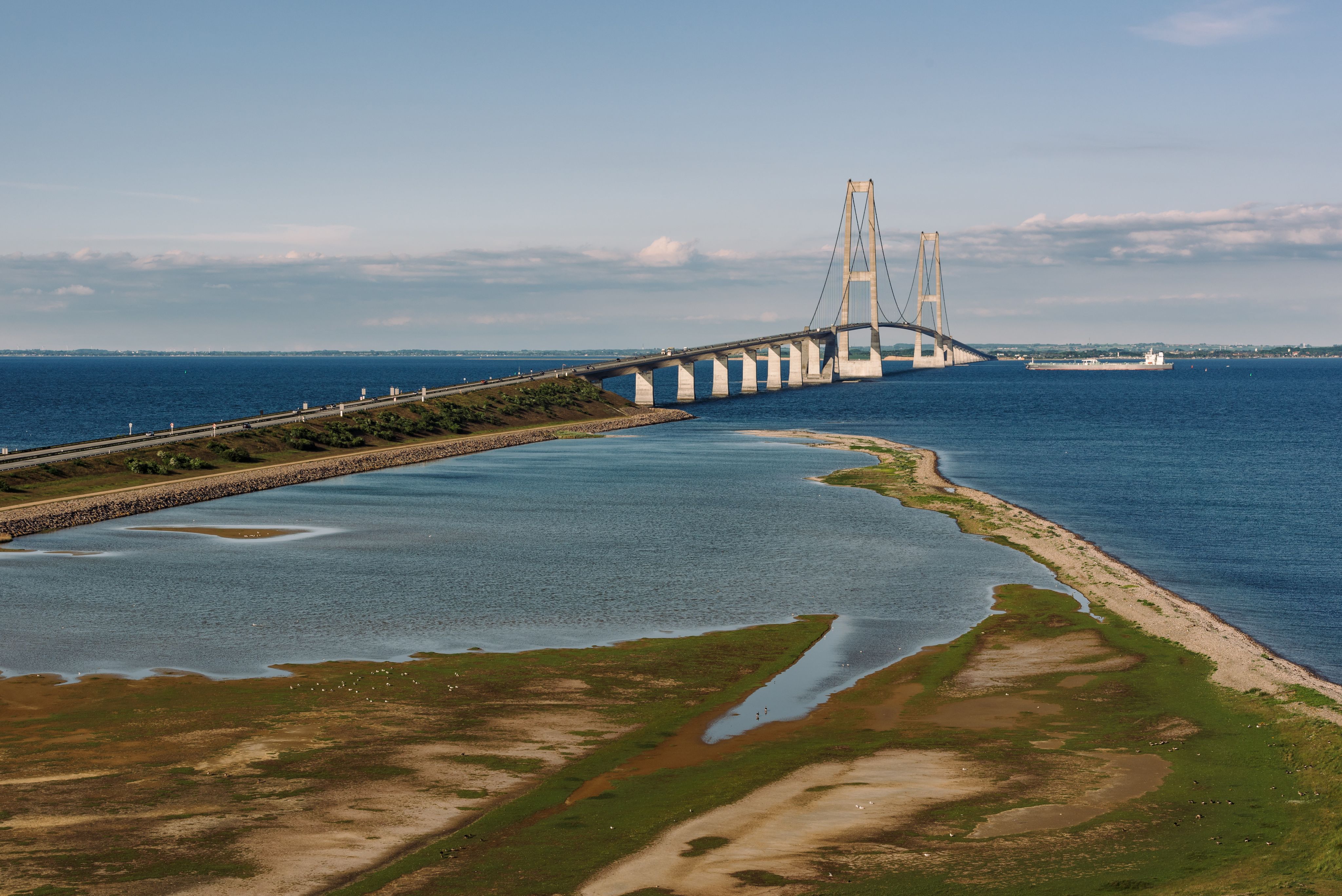

It’s late afternoon and I’ve been travelling by train for two days. I should be tired. But instead, I feel a jolt of excitement as our conductor announces we’re about to cross the Great Belt Bridge. It’s a journey he must take regularly, but he sounds as wide-eyed in wonder as I am as he helpfully suggests which side to stand on for the best views. And what a sight it is.
This moment alone feels worth the journey.
I’m on my way to Copenhagen, travelling overland from London to attend How To Copenhagen, a sustainability-focused study trip for event professionals. I’ve chosen to take the train, inspired by the recent expansion of the city’s CopenPay scheme which now rewards those who arrive by rail. It’s a small shift in behaviour, but one that’s gently encouraged with a very Danish mix of optimism and practicality. And that idea of a gentle nudge is something we in the events industry should pay more attention to.
Why go slow?
Slow travel is often dismissed as indulgent. But from a meetings and events perspective, it offers a wealth of opportunity. Time to pause. To think. To connect. And crucially, to align with our industry’s sustainability goals in a way that feels meaningful.
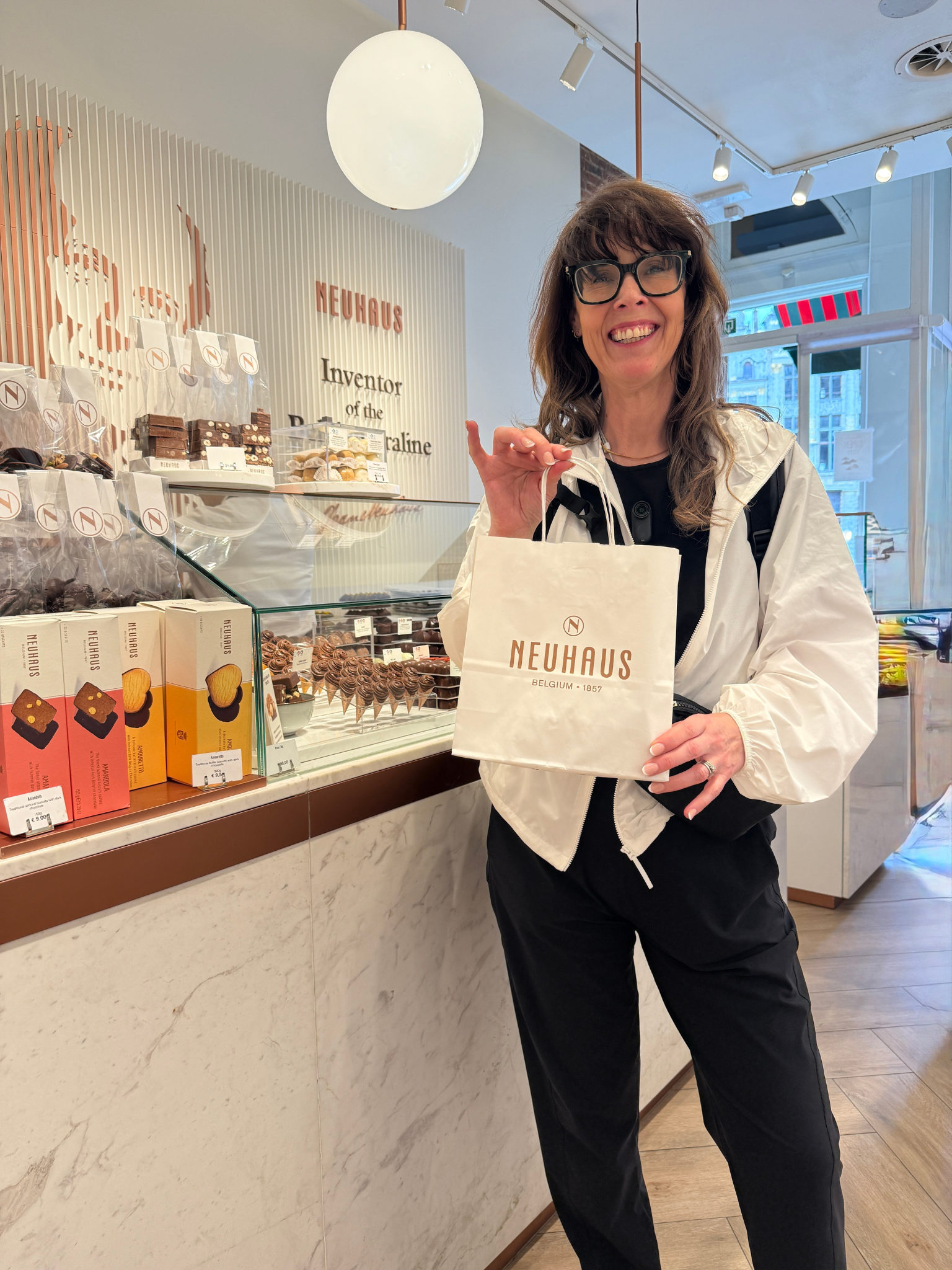
My journey began in London with a morning Eurostar to Brussels. Thanks to the recent merger between Eurostar and Thalys, I could travel with a through-ticket all the way to Germany. A big improvement. And with plenty of time before my next train, I dropped my bag in a station locker and made by way to Grand Place for a cone of frites and a bit of people watching, and stocked up on Belgian chocolate (elevated snacking for the next leg).
That afternoon, the train carried me smoothly to Cologne, where I spent the night. I stayed at the historic Excelsior Hotel Ernst, just a short stroll from the station. Their concierge met me off the train and helped with my bag, a wonderful gesture of welcome after a long day and I was able to make the most of my time with a site visit, exploring their meeting rooms and bedrooms with balcony views over the cathedral. Even better, I met up with fellow event prof Sabrina Meyers for a walking tour and a Kölsch or two. What could have been a simple stop over became a mini-experience.
The next morning, we travelled together through Hamburg and on to Copenhagen, watching the landscape unfold and playing a few rounds of train bingo en route. We swapped snacks (Katjes and Knoppers vs Neuhaus chocolates), shared stories and marvelled at the engineering feat that is the Great Belt Bridge.
“When you’re on a long train journey together, you share more than just a seat. By the time we got to Copenhagen, we felt like a team, not just colleagues on a schedule.”
The journey took around 20 hours spread over two days, but in 2029 that will drop to five hours between Hamburg and Copenhagen, making the idea of overland travel to Scandinavia much more feasible for business travellers.

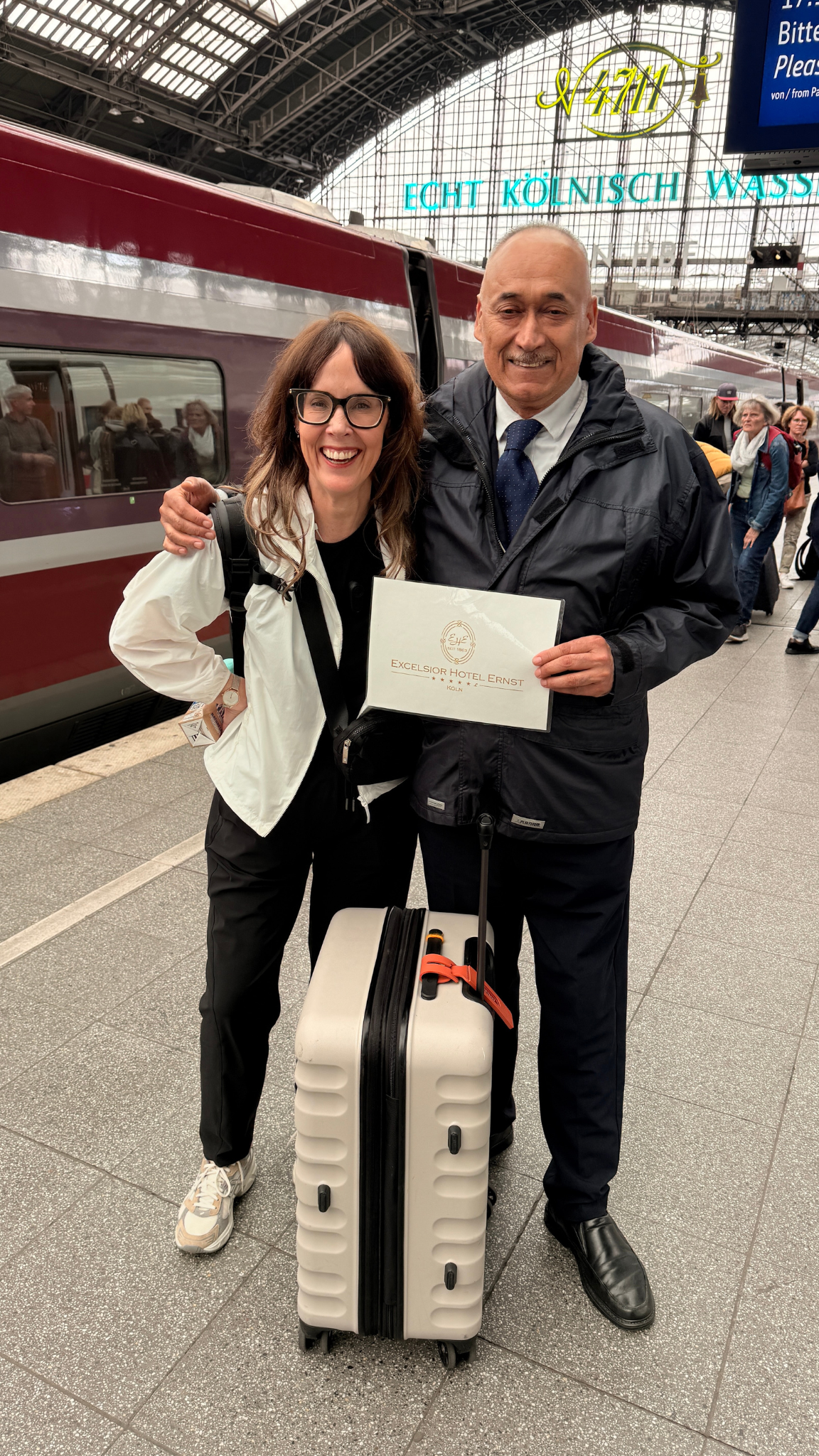
Meeting the concierge from the Excelsior Hotel Ernst
Meeting the concierge from the Excelsior Hotel Ernst
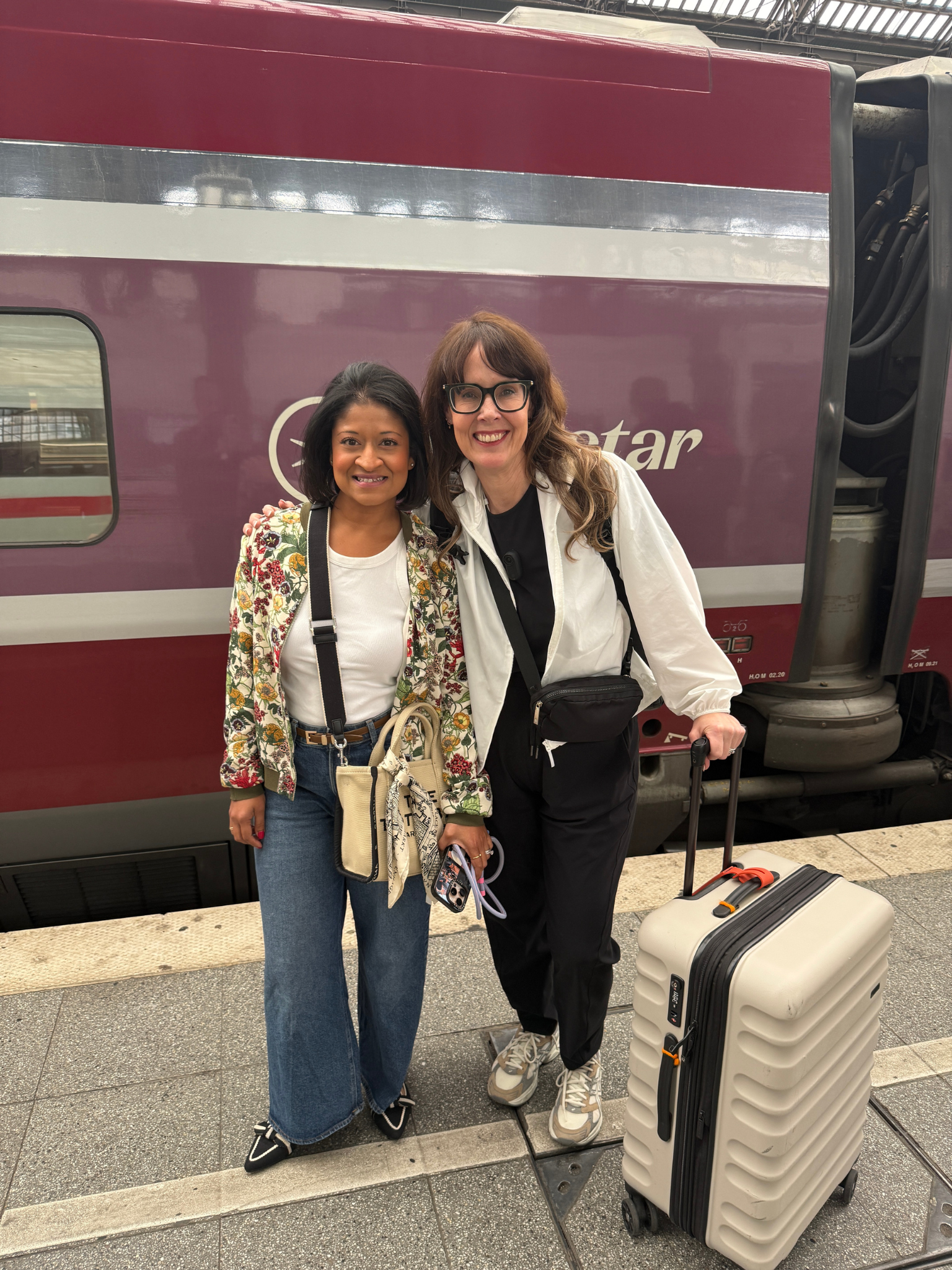
With Sabrina Meyers of Hot Hospitality Exchange
With Sabrina Meyers of Hot Hospitality Exchange
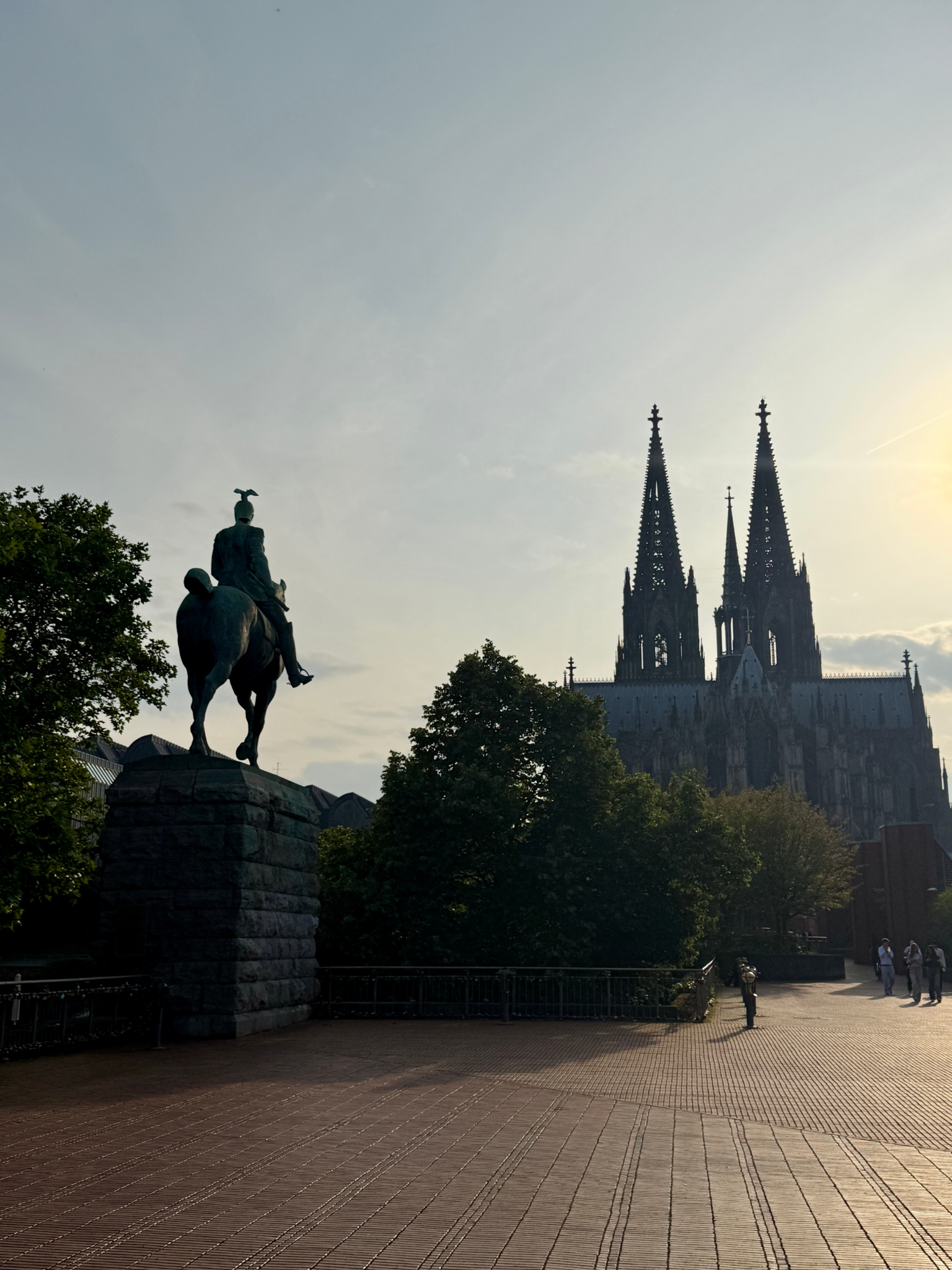
Exploring Cologne
Exploring Cologne
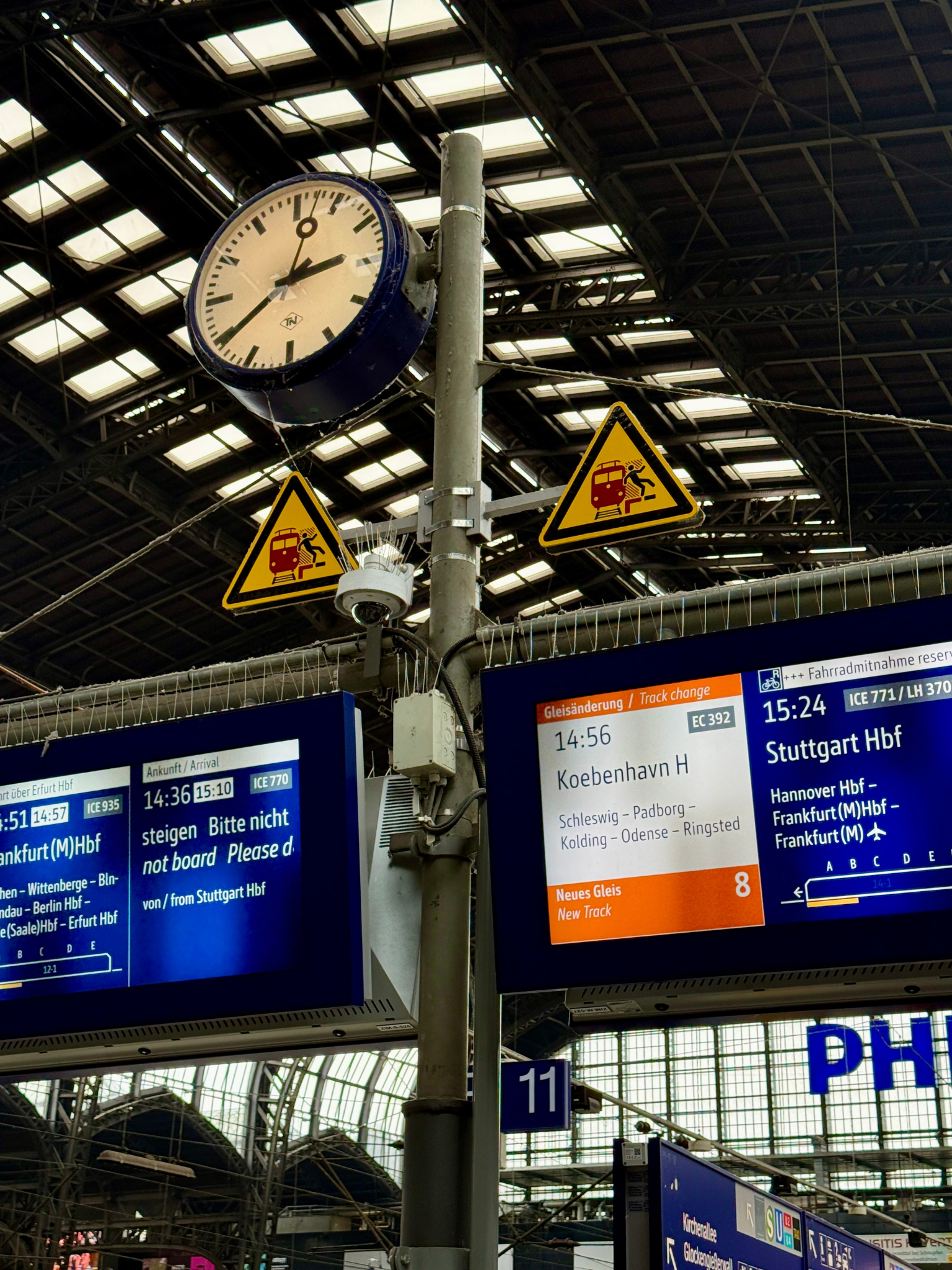
Hamburg station
Hamburg station
Honest reflections
There were lessons learned. Book first class if you’re travelling for work, the extra space and peace are worth it. Pack light. And always check the platform board (German efficiency is real, but not infallible). Still, everything ran smoothly and connections felt easy. The European rail system is more intuitive than many expect, with platform signage and even carriage placement guidance on the platform that makes transfers less daunting than feared.
What worked:
- Through-ticket booking from London to Germany via Eurostar
- Peace of mind with guaranteed connections, even with delays
- Opportunity to explore cities like Brussels and Cologne en route
- Hotel site visits integrated into stopovers
- Time for reflection, collaboration and genuine arrival readiness
What didn’t:
- Sharing a carriage with a school trip (lesson learned: book first class)
- Occasional platform changes, stay alert
- Travel light. Just because you can take as much luggage as you like doesn’t mean you should. Pack only what you can carry
Sustainability with a Danish twist
One of the most impressive parts of the trip came after arriving in Copenhagen. The city’s infrastructure is a model of modern mobility from driverless trains and seamless metro connections to more bike lanes than you can imagine. It’s all intuitive and easy to navigate. Add to that the CopenPay scheme, a local initiative that encourages more conscious choices from both visitors and residents by offering cultural and lifestyle rewards, and you begin to see what’s possible when a destination empowers people to be part of the solution. It’s not just leisure tourists who benefit, business visitors are included too, with the scheme embedded into three major congresses over the summer.
“We want to make it easier, and more appealing, for locals and visitors to choose the sustainable option in Copenhagen. With initiatives such as CopenPay, we hope to continuously inspire new behaviours that benefit everyone”
The scheme also encourages visitors to stay longer and explore more of Denmark. I opted to linger, hopping on a local train just 45 minutes north to Helsingør (Elsinore), home to Kronborg Castle, Shakespeare’s inspiration for Hamlet. With sea views and fresh air, it felt like the perfect way to unwind after a packed programme.
During the study trip I also attended a talk on behavioural psychology, which focused on the concept of nudging, the idea that we can gently shape better choices through smart design. It stuck with me. In events, we are influencers, whether we realise it or not. From travel choices to catering decisions, we have the power to shape behaviours. CopenPay shows that rewarding action, rather than shaming inaction, is how you make sustainability stick. Offering a choice of how we travel is part of that solution.

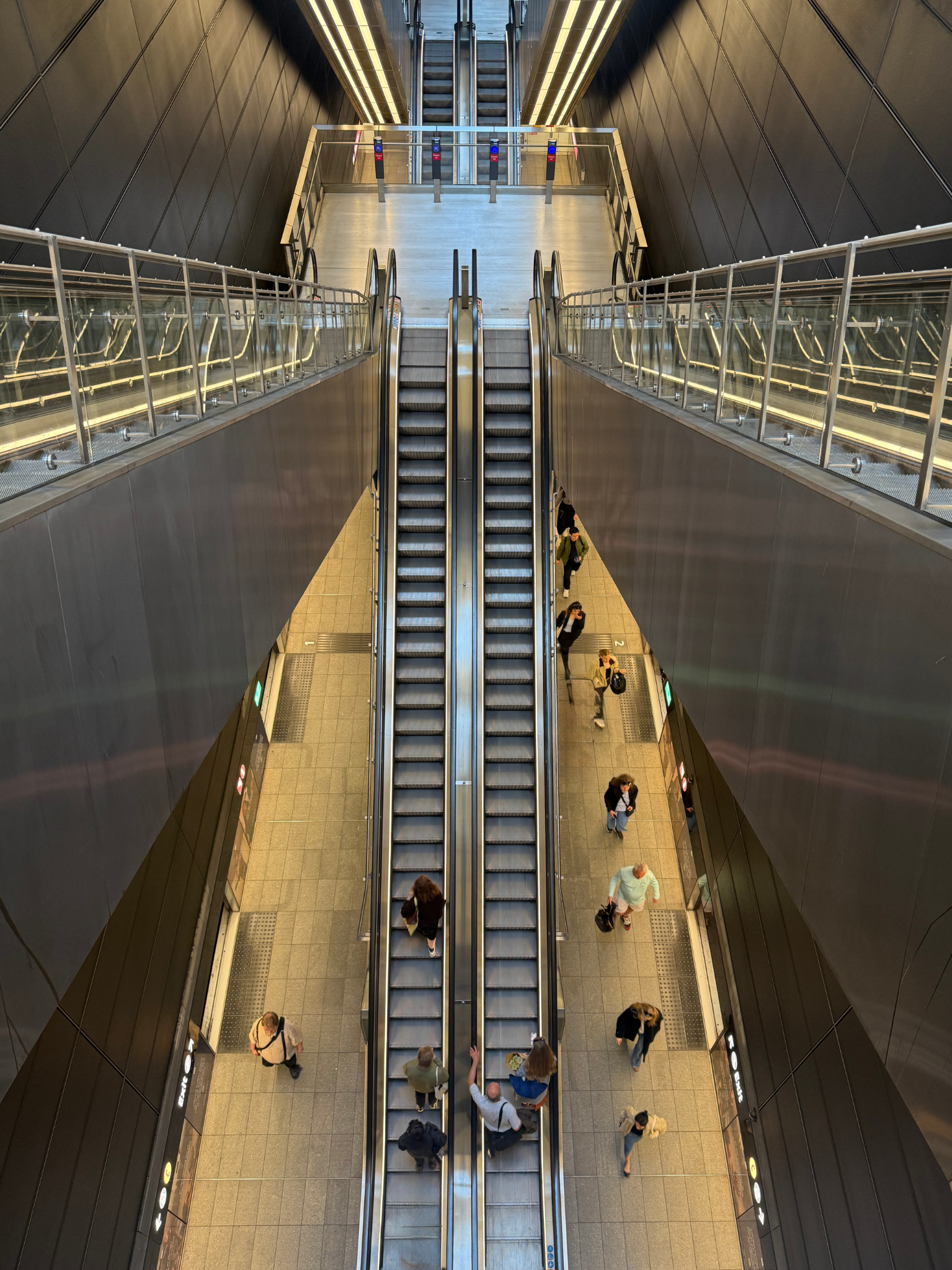
Copenhagen subway
Copenhagen subway
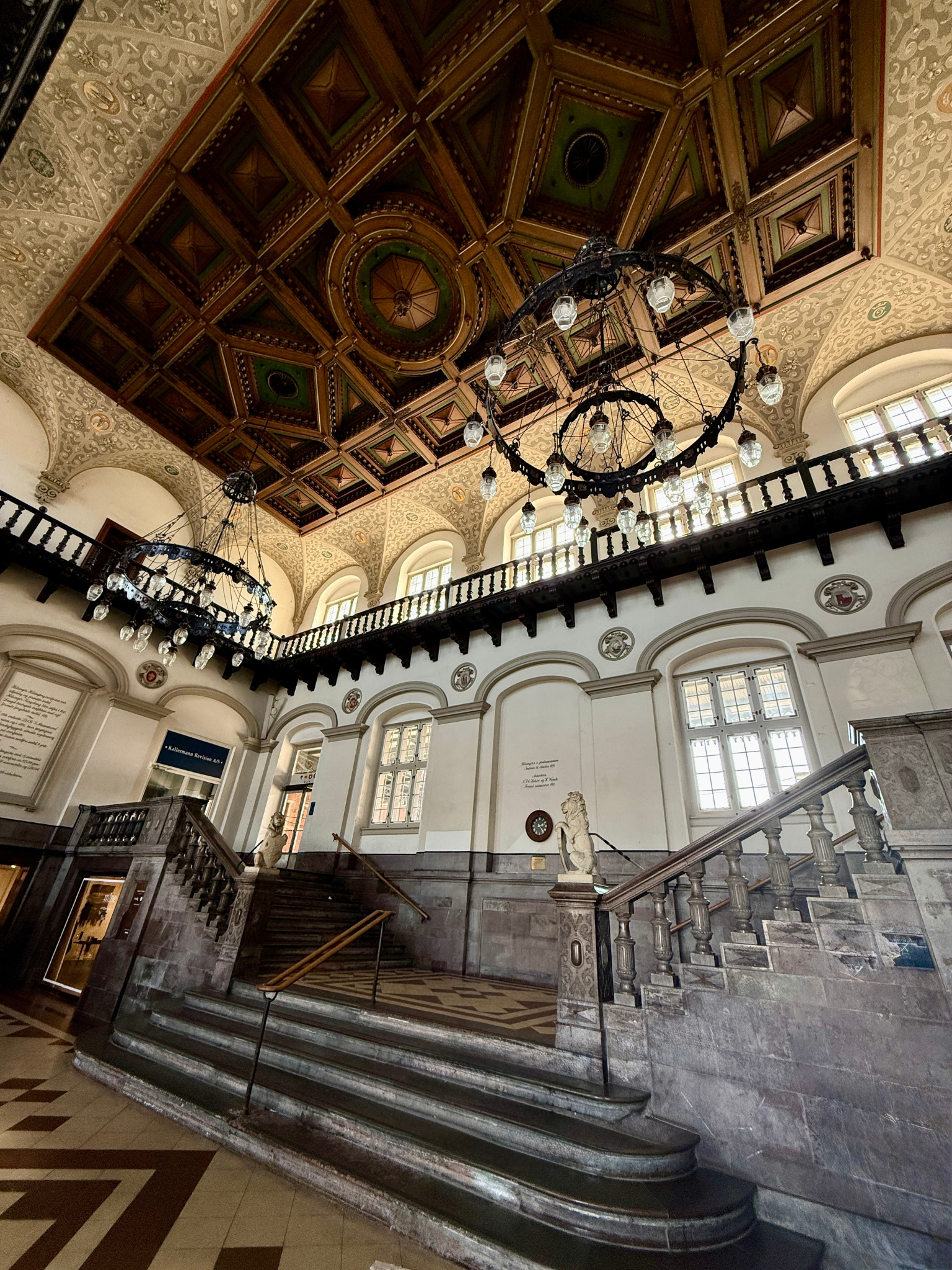
Elsinore station
Elsinore station



Time to rethink the journey
So how far is it reasonable to ask people to take the train?
That’s the big question. And the answer isn’t a fixed number, it’s a shift in mindset.
For shorter hops, like London to Paris, Brussels or Amsterdam, train travel is an obvious choice. Under four hours, city centre to city centre, with significantly lower emissions and minimal hassle.
But even longer journeys such as London to Copenhagen, can make sense. Especially when they’re built into a broader programme or incentive trip. It becomes more than just travel. It becomes part of the experience.
We don’t have to go all in. But if we, as planners, start by offering train travel for some journeys, where it fits, it stops being a compromise and starts becoming a feature. With a bit of time, space and flexibility, even one leg by rail can add real value and depth to the overall experience.
Fast facts
Route overview
- Day 1
09:01 London to Brussels
12:05 Arrival + city exploration
15:25 Brussels to Cologne
17:15 Arrival + overnight
- Day 2
10:11 Cologne to Hamburg
14:14 Arrival
14:56 Hamburg to Copenhagen
20:00 Arrival
Carbon savings
- Approximate reduction of 87 per cent in carbon emissions compared to flying