
Switzerland by train
Reflections from the 'Go-Sustainable' study trip


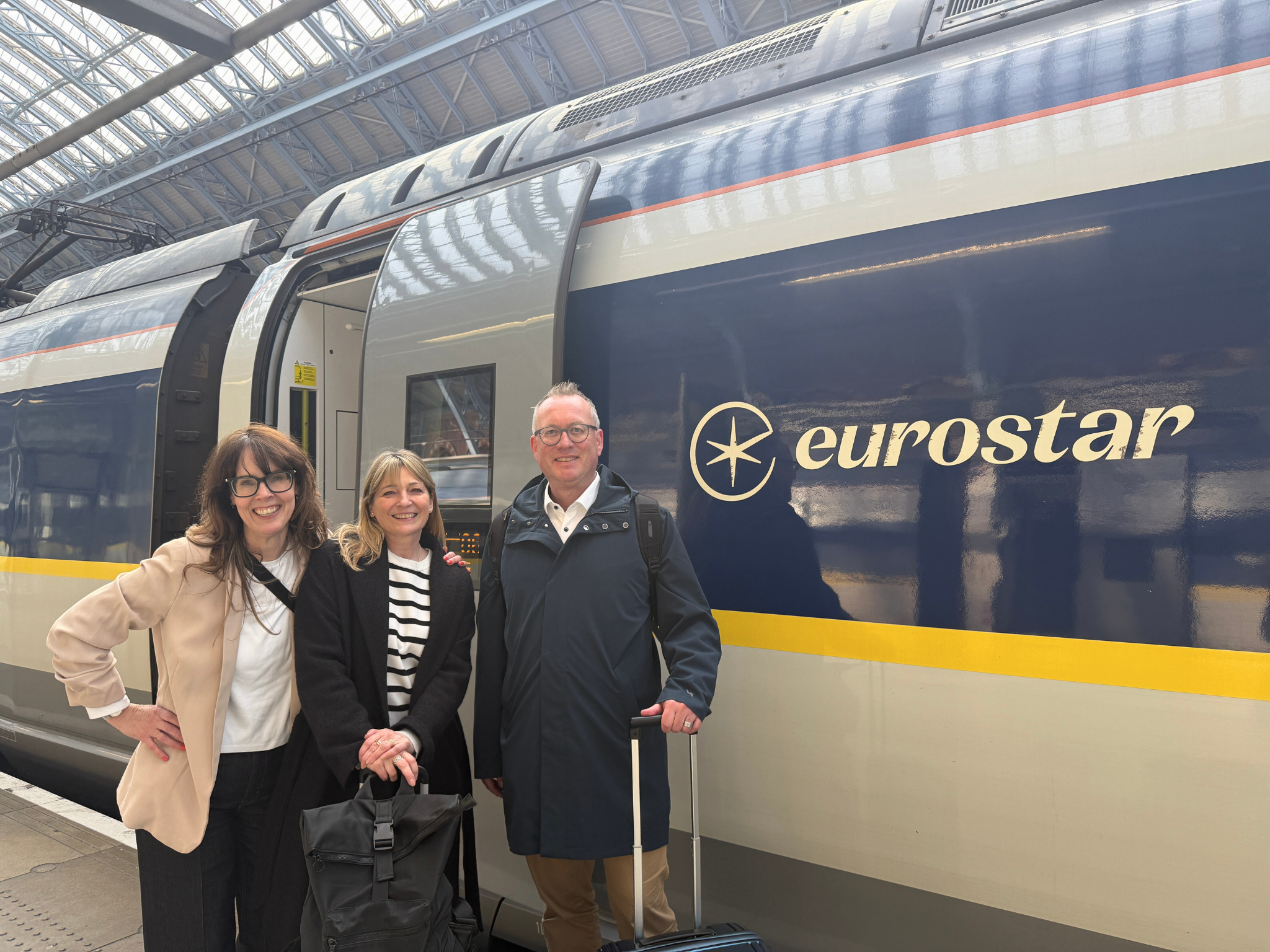
Anna Peters, Inges Bauwens and Reto Konrad
Anna Peters, Inges Bauwens and Reto Konrad

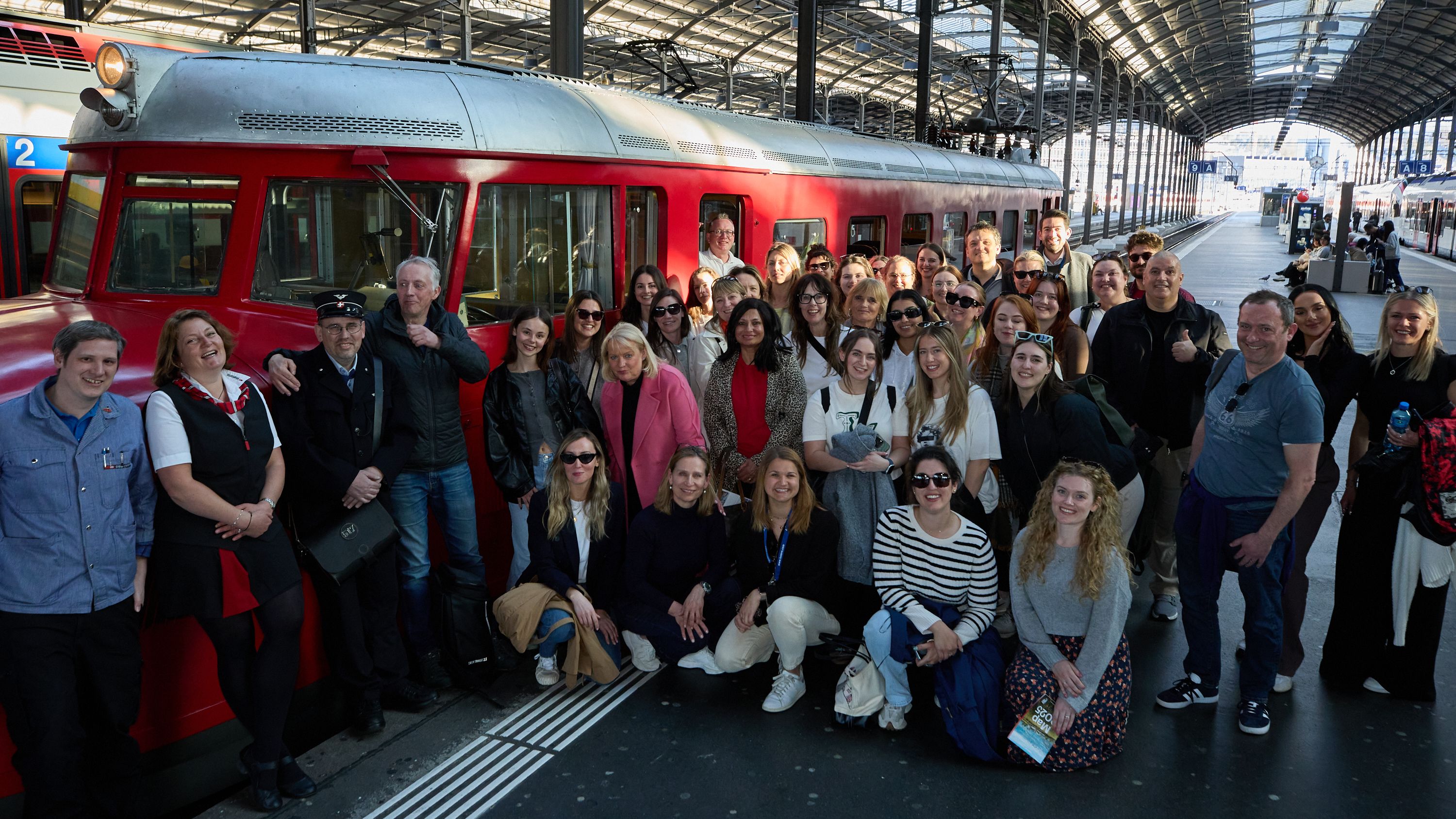
35 UK event planners on the 'Go Sustainable' trip.
35 UK event planners on the 'Go Sustainable' trip.
With travel responsible for up to 80 per cent of an event’s carbon footprint, more delegates are open to alternatives to flying...
However, for many, the logistics of group train travel across Europe still feel daunting. Could overland travel really work for business events? And could the journey itself become part of the experience?
That was the shared vision from early conversations between Inge Bauwens at Eurostar and Anna Peters from Evolve Events: to create a group trip that didn’t just talk about sustainable travel but actively demonstrated it.
The idea of connecting buyers to European destinations entirely by train aligned perfectly with Eurostar’s broader strategy for seamless international travel, extending beyond hub cities.
Switzerland, with its world-class rail network and leadership in sustainable transport, quickly emerged as the ideal destination. When the proposal reached Reto Konrad at the Switzerland Convention & Incentive Bureau (SCIB), there was no hesitation. “Let’s do it,” he said.
Gregory Baur from Zurich Convention Bureau and Tiffany Peter from Lucerne Convention Bureau took it further: “We’ll take them there - and back - by train.”
Thanks to Eurostar’s strong existing relationships, they brought key partners on board, including TGV Lyria and Metropolis DMC, helping to craft a smooth, joined-up travel experience. And that’s how the Go Sustainable Study Trip by train was born: a collaborative journey with 35 event professionals, designed to showcase Switzerland’s sustainable event credentials and prove that low-impact travel can deliver a richer, more connected experience.
The journey begins
Fast forward to April 2025. It’s 6 am at King’s Cross.
The group, some of whom had never taken the Eurostar and none who’d done a multi-train trip across Europe, gather with coffee and curiosity. We had a private Eurostar carriage, an engaging quiz master (turns out a sustainability-themed pub quiz before 9am is a thing), and strangers quickly became travel buddies, showing how the journey can become part of the event, with travel time repurposed for team building, work or simply connecting.
“It could be seat configurations, interacting with the passing landmarks, or the comparative silence of trains,” said Mathew Brown, CMO at Jagged Horizons. “But the train passengers were totally animated - laughing, conversing, mingling. Days later, I took a flight, and the contrast was stark. Flights remain a necessity for some routes, but the train beats air travel for many point-to-points.”
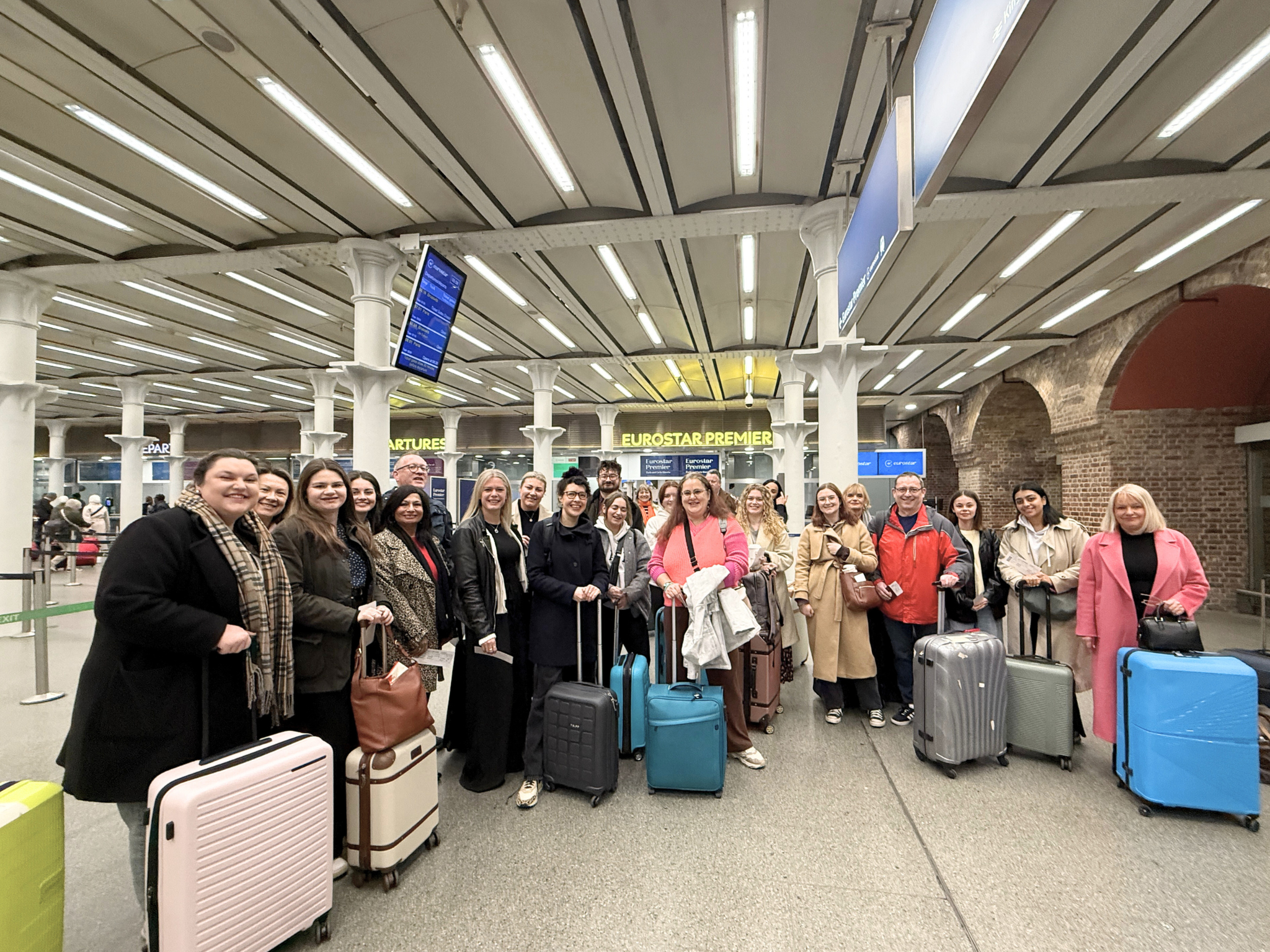

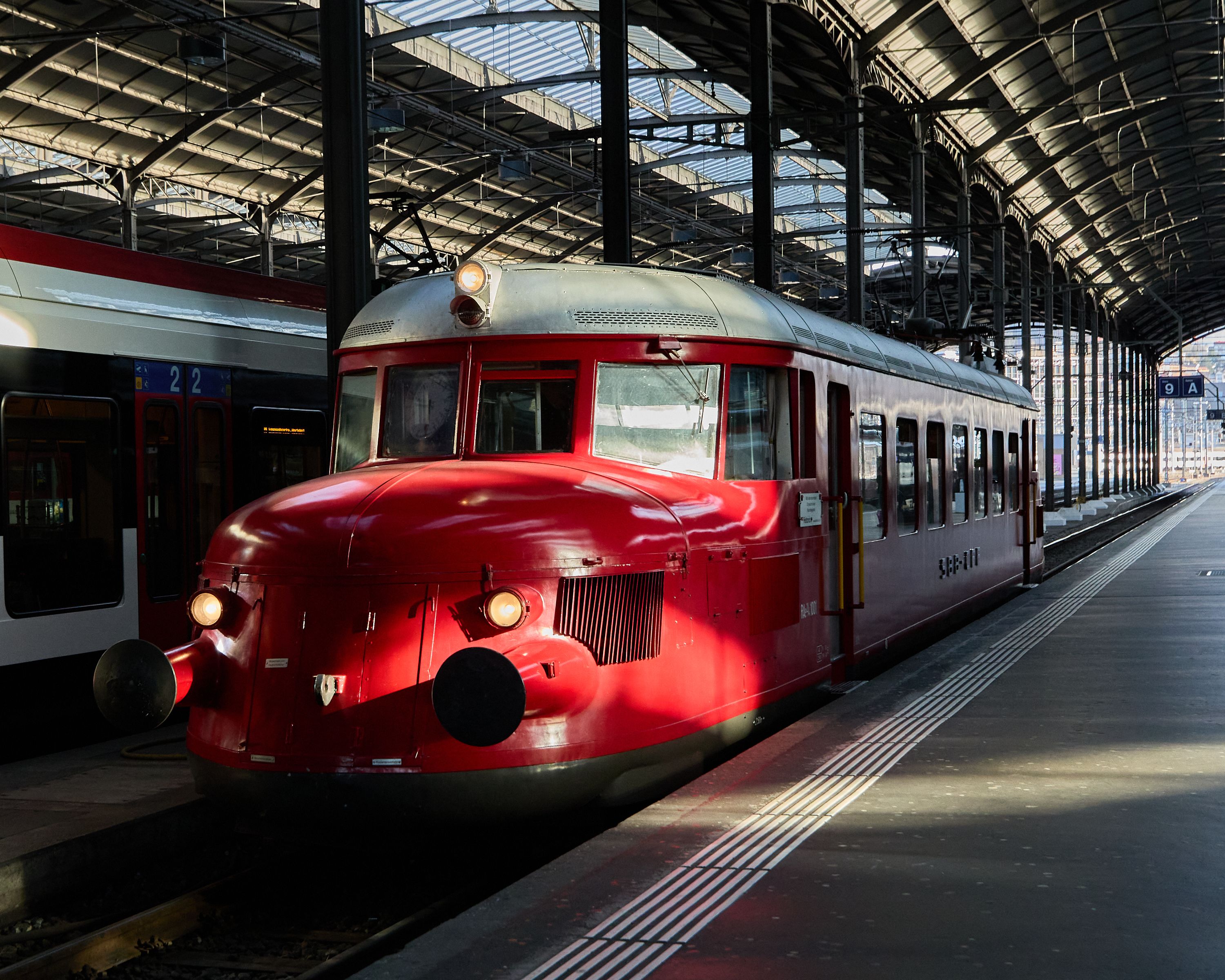
The Red Arrow
The Red Arrow
The Paris transfer, often the planner's biggest worry, was smooth and sustainable, thanks to our private, rapeseed-powered coach from METROPOLIS DMC. Then came the TGV Lyria: a double-decker dreamboat with big windows, reclining seats and - true story - a view of actual rhinos as we passed Basel Zoo. Cue mindful colouring sessions with Caran d’Ache pencils and a specially curated playlist. Turns out “gazing out the window while snacking and low-key bonding” might just be the new team-building model.
And then, magic.
In Basel, we boarded the Red Arrow, a 1930s vintage train with just one carriage. With mountain views, local food and drink and windows you could actually wind down, it felt like a film set. We even got to sit in the driver’s cabin. Childhood dreams turned into reality.
That was the moment the journey stopped being a commute and became an experience. Becky Dicks from Event Concept put it perfectly: “The 1930s carriage elevated the whole journey. This is the kind of unique, premium experience guests wouldn’t access on their own. It made train travel not just viable but desirable.”
We arrived in Lucerne lighter in carbon (11kg by train vs 195kg by plane, according to event:decision) and heavier in connection.
City, lake, mountain
Lucerne was our first stop: a postcard-perfect city nestled between lake and mountains. Our itinerary was revealed via a QR code printed in edible ink on an apple. Not only was it sustainable, it sparked immediate conversation (and more than a few photos).
After check-in at the hotel, we headed to Neubad, a former swimming pool reborn as a co-working space, gallery and event venue. A shining example of regeneration and circular thinking. At Continental Park Hotel, sustainability was subtle but ever-present: milk from an alpine farm they helped rebuild, bottled water charges donated to clean water projects via Wasser für Wasser. Even the grand Mandarin Oriental, recently opened after restoration, serves water drawn fresh from the lake. Yes, it’s that clean.
"We’d not only experienced something exceptional, but something replicable..."
The next morning began with a walking tour of Lucerne. Medieval architecture, clean mountain air, and lake views were just the beginning. One small detail stood out: the old town fountains provide drinkable water, free, clean and accessible. A quiet symbol of Swiss sustainability in action. Lunch (like the entire trip menu, vegetarian) was aboard the MS Cirrus, a clean-energy boat where we enjoyed networking with lake views. Then, onto the Rigi Bahn, Switzerland’s most sustainable mountain railway, powered entirely by renewable energy, for a ride to a cosy mountaintop Kirsch tasting. Hosted by a charismatic local whose family has been making cherry spirit for generations, we sampled seven types paired with chocolate and storytelling. Intimate, authentic, unforgettable.
Zurich: Innovation, Flavour and a Few Surprises In Zurich, we stayed at 25hours Hotel Zürich West, quirky, colourful and community-led. Dinner was at Elmira, a Michelin Green Star restaurant where the oyster dish featured… no oysters. Just brilliantly plated mushroom.
The next day, we split into walking and running tours through the regenerated Zurich West district. The walkers visited FREITAG’s recycled bag HQ; the runners followed the river. We all met at St. Jakob bakery, run by a social enterprise supporting people with disabilities. After a circular economy workshop with Zurich Convention Bureau, built around the practical ‘5 R’ framework: Refuse, Reduce, Reuse, Repair, Recycle, we rolled up our sleeves for a hands-on cooking session tackling one of sustainability’s biggest challenges: food waste. With a third of all food produced in Switzerland going uneaten, the course focused on creative, achievable ways to cut waste using surplus ingredients. Misshapen carrots, knobbly parsnips and overripe tomatoes were transformed into delicious dishes. It was equal parts education and enjoyment, as we came together over a family-style meal to share and celebrate each other’s creations.
Our final night began with a vintage apéritif tram ride through Zurich followed by dinner at Haus zum Rüden, the city’s oldest restaurant. The evening ended on the dancefloor, powered by a live traditional oompah band and a few glasses of local wine. Because sustainability is also about culture, connection - and having a really good time.

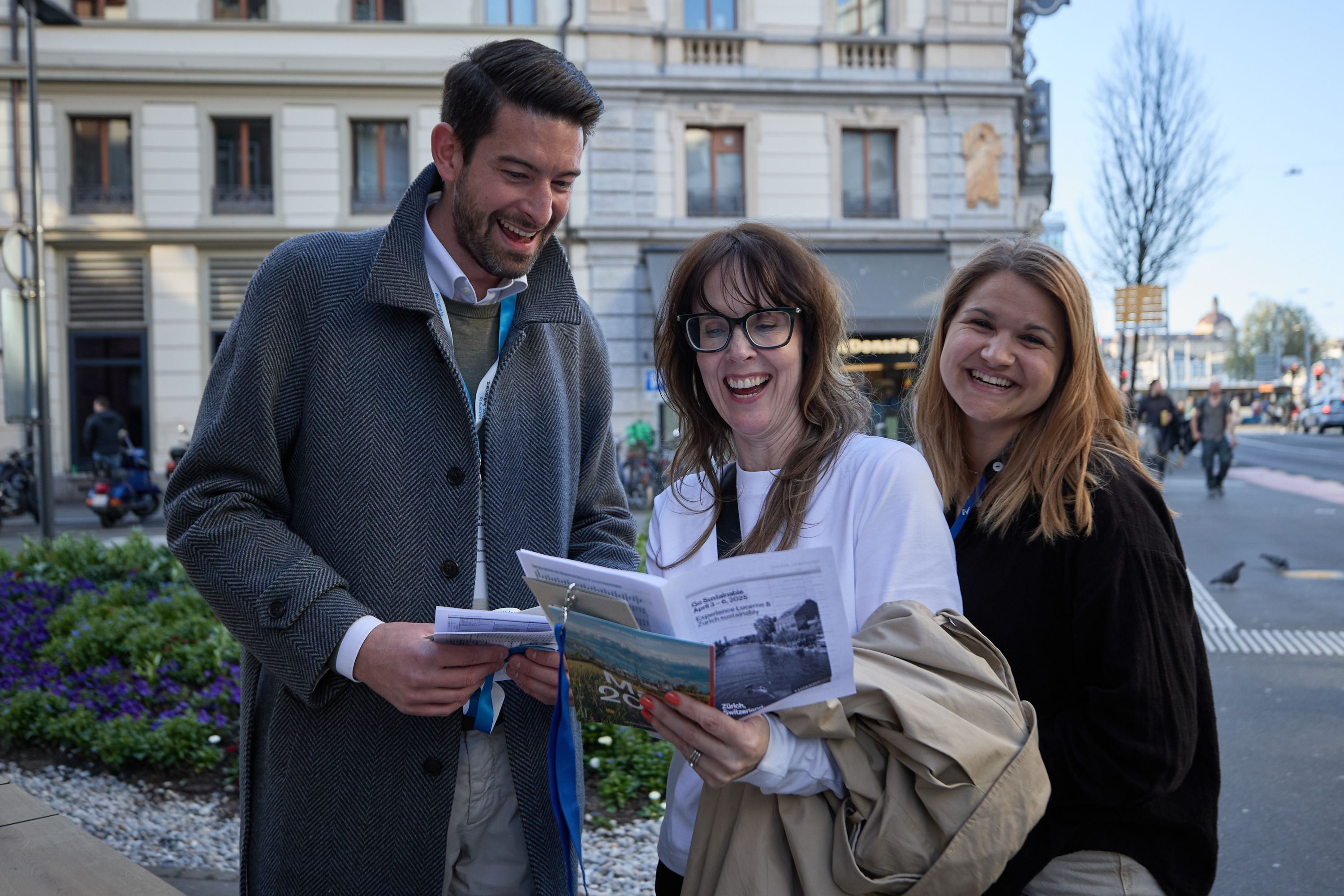
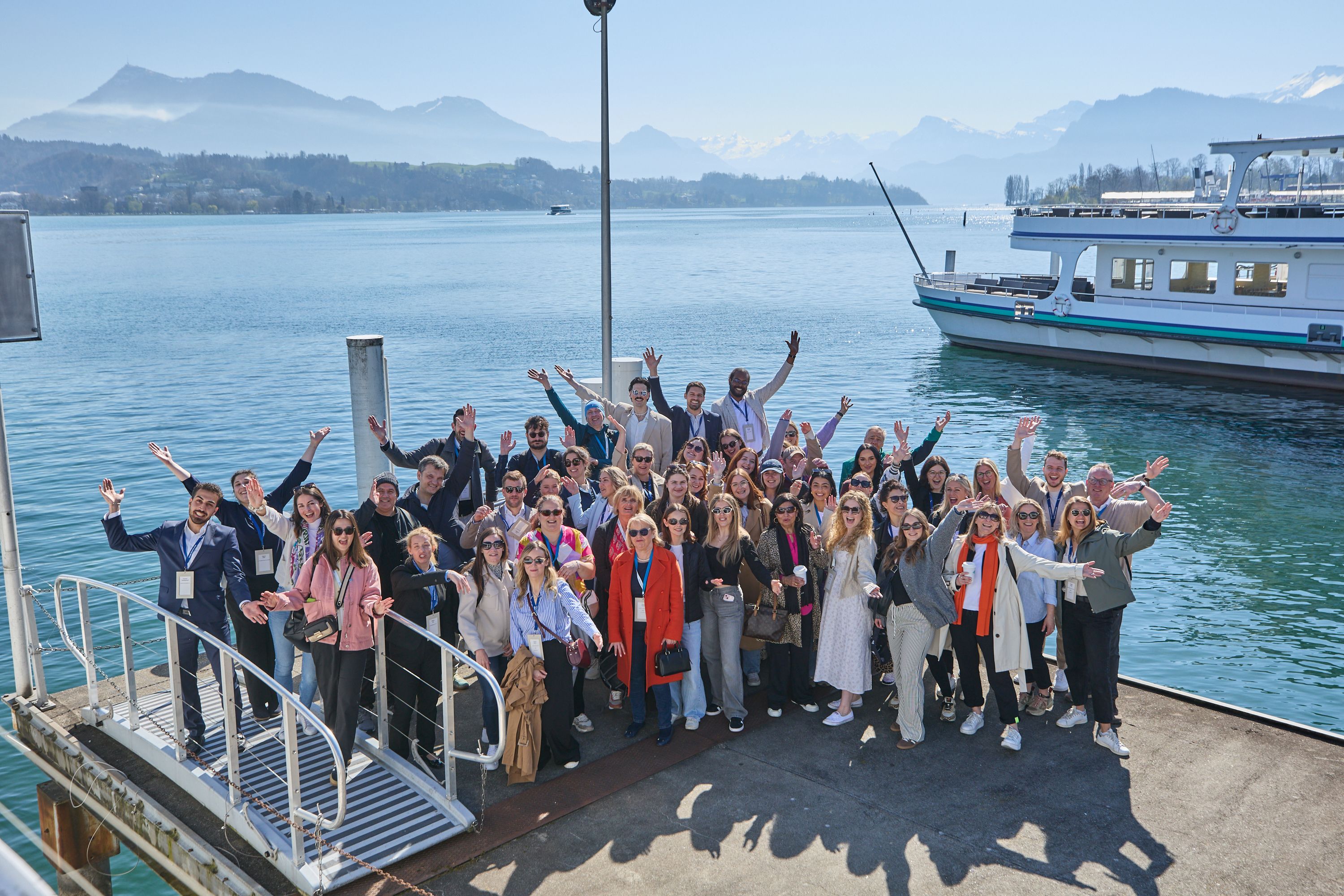
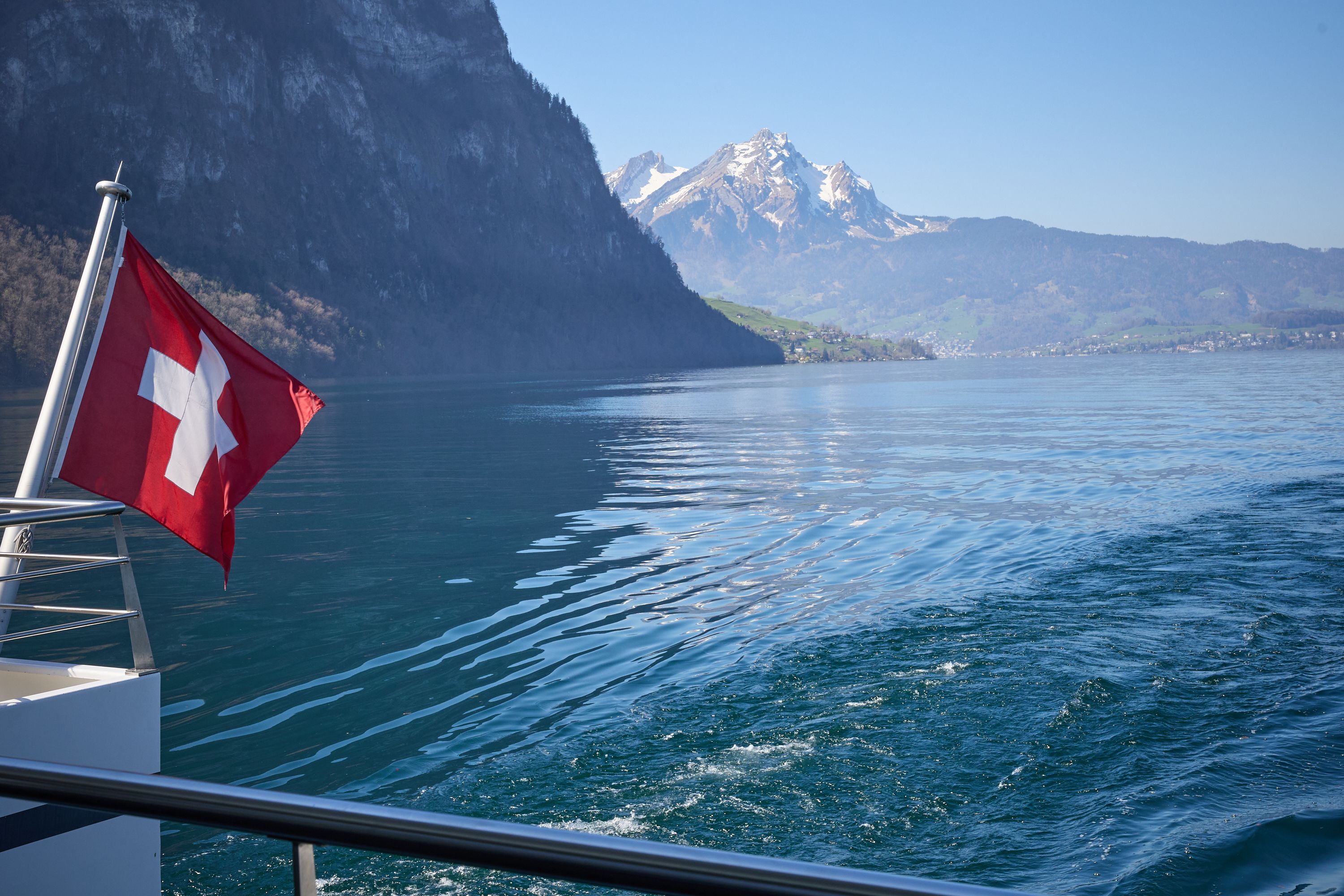
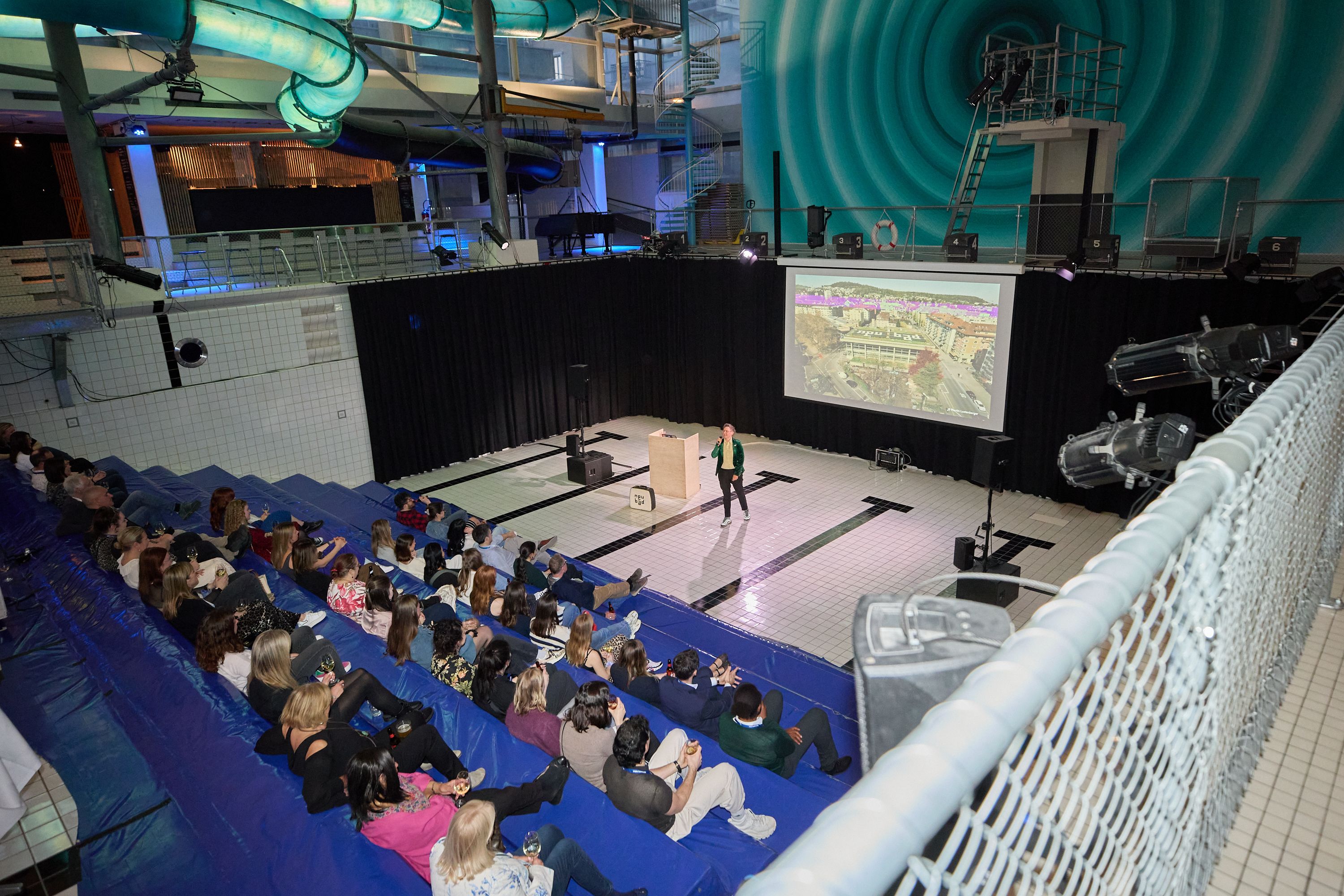
Go Sustainable Neubad Swimming Pool now Event Venue
Go Sustainable Neubad Swimming Pool now Event Venue
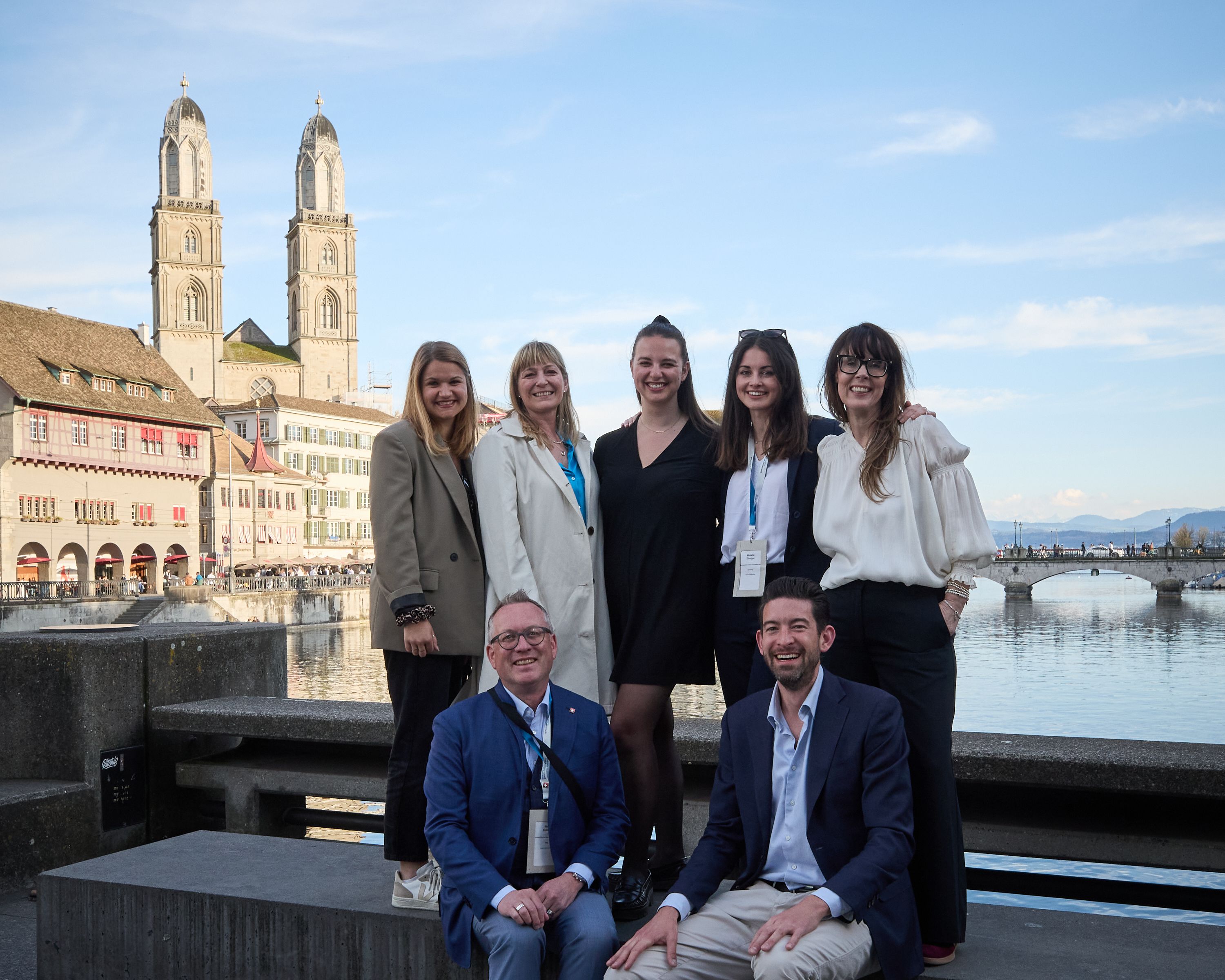
More than a trip
Go Sustainable wasn’t a passive fam trip; it was a proof of concept.
A trip where sustainability wasn’t a side note but the lens through which everything was designed. The numbers spoke volumes. By taking the train, each traveller saved 184kg of COƀ compared to flying, enough to light the Eiffel Tower for two full days vs just one hour. The trip earned an ESG Distinction from event:decision. But the real impact? The mindset shift.
Charlie Pepperell, business development manager, From Now said: “It felt incredibly thoughtful and genuinely inspiring. From taking the train across Europe to visiting venues with visible sustainability credentials and initiatives, every part of the trip was underpinned by intention. What stood out was the entirely holistic approach. Low-impact travel, responsible food choices, local engagement and honest conversations about systemic change. It felt like a working model of what the future of sustainable events could look like, and left me feeling hopeful for the future.”
As we returned to London, there was a shared feeling: that we’d not only experienced something exceptional, but something replicable. That train travel can elevate a business event. And that destinations like Switzerland can lead the charge toward regenerative, experience-led event design.
Go Sustainable by Train: Key Facts
- Date of travel: 3–6 April 2025
- Who attended? 35 UK event professionals
- Total travel time: 10 hours, including scenic transfer
- Distance covered: approx. 483 miles by public transport from London to Lucerne to Zurich to London
- Carbon footprint: London to Zurich, according to event:decision - train: 11kg COƀ per passenger vs plane: 195kg COƀ per passenger.
- Project partners: Switzerland Convention & Incentive Bureau, Zurich Convention Bureau, Lucerne Convention Bureau, Eurostar, TGV Lyria, Metropolis DMC, Evolve Events and event:decision.




 Built with Shorthand