Plan ahead, plan better: the summer of sustainability
By Laura Chalcraft, operations director & sustainability lead, Sledge
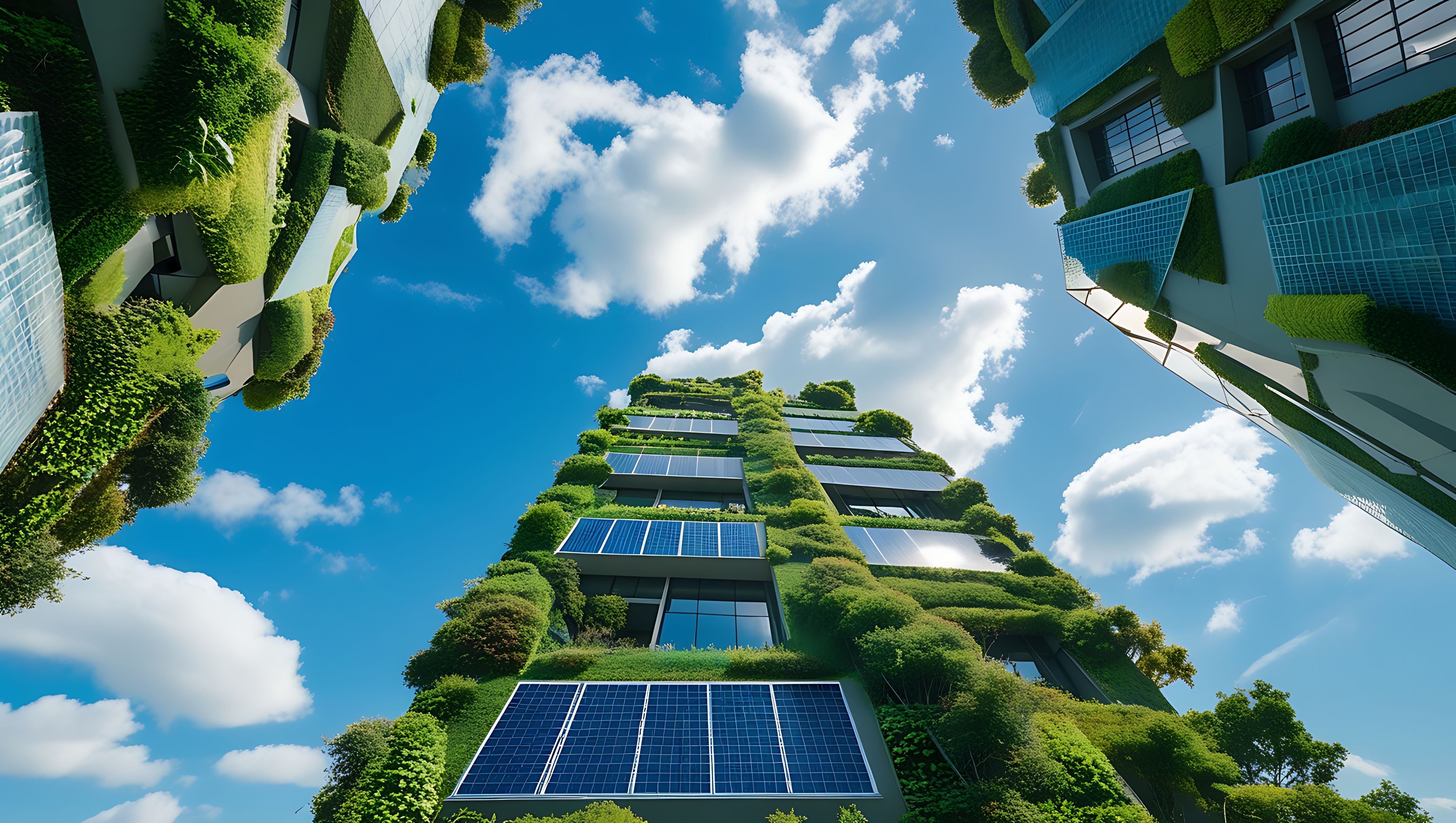

We’re in the swing of the great British summer - and what a summer it has been so far.
The thing with this time of the year, though, is that the pace of life tends to slow down a bit. People head off on holidays, key decision makers are out of the office, and planning for quarter three, four and early 2026 events can fall a bit by the wayside.
This inevitably leads to reduced lead times, and sadly, sustainability can be forgotten. There might not be time to incorporate any measures, or the increased costs due to urgent turnarounds means the budget isn’t there anymore.


Laura Chalcraft
Laura Chalcraft
So, I’m calling it. We need to embrace the notion of 'the summer of sustainability'. Work life balance and time to reset are important, but so too is our planet.
By resourcing effectively before and during major holiday periods, as well as looking to external support where needed, companies can ensure the event planning doesn’t enter a period of pause, it well and truly continues.
Embedding sustainability into the strategy


Maintaining the momentum in this way will allow for plenty of time to effectively and impactfully strategise and integrate sustainability throughout an event’s design.
To achieve this from the beginning, I recommend gathering the insights related to both an organisation’s sustainability policies and project specific objectives from the outset, as this will ensure the strategy, creative and sustainability are all aligned.
As with any strategic process, landing on the ideal combination of compelling messaging, its ability to play out in physical spaces, and sustainability might not happen overnight. It takes thought, collaboration, a genuine commitment, and openness to evolve.
At the same time, if these three core components complement one another from the outset, the event itself can be produced in a way that upholds best practices, is engaging for attendees, and enables a company to communicate its most important messages, whether they're related to sustainability or something else.


Maximising the metrics to reset and reduce




Measurement is a vital piece of this puzzle, and again, aiming for this from the beginning is key, as it means elements of an event can be changed up to mitigate potential impact way before it begins – think material usage alterations and floorplan rejigs, through to venue resets or changes.
The best way to do this is with a dedicated tool that event planning data can be plugged into, which goes on to measure relevant environmental, social and governance (ESG) areas, such as location, energy, transport, and inclusivity and access.
Having tangible data to hand is not only insightful for us event planners, I’ve found it’s key for securing that all-important client buy-in if it’s recognised changes to the experience – and in turn extra budget – might be needed to reduce impact.
I’d also stress, don’t underestimate the power of measuring during the event. It might even mean small changes can be made in real time, plus assessing how an event is tracking against its targets allows for continuous improvement.
What to do with the data?


Advice based on firsthand experiences and expertise is great, but there’s something especially powerful about being able to head into a client debrief with figures that represent how their event performed from a sustainability standpoint.
Numbers in a spreadsheet, though? Yawn. We’re in the business of creativity, so don’t only crunch the numbers, aim to display both successes and areas for improvement in visually compelling ways.
Infographics, illustrations and more are the name of the game here, and findings will be much easier for clients to digest. In turn they’ll be more likely to communicate to stakeholders, resulting in greater buy-in for future projects. Data might even be shared externally and enhance perceptions surrounding the client’s brand, resulting in an increased interest in doing and being better.
Ultimately, sustainability can’t be an afterthought or last minute add on. It needs to be considered and integrated at the beginning and throughout, and herein lies the beauty of time.
It might be peak summer, but the race to net zero, the climate emergency… It doesn’t stop or slow down because we do. So, let’s keep on keeping on, even if the sky is a beautiful hue of blue, and the sun is well and truly shining.