'With event tech, you need to know enough to be dangerous'
Get to grips with event tech - before it gets to grips with you, says Vanessa Lovatt, founder of Event Tech World



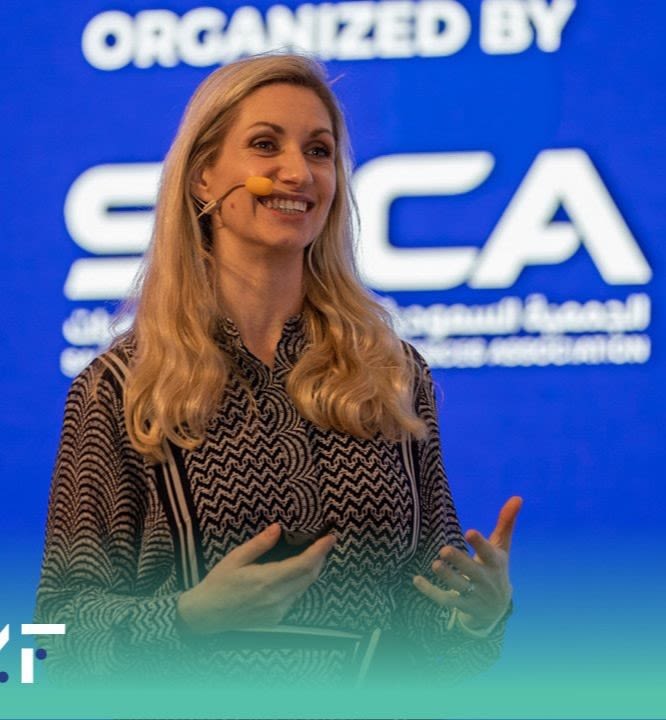
Vanessa Lovatt
Vanessa Lovatt
It’s easy to think that understanding technology isn’t part of the day job when you work in meetings and incentives.
After all, event professionals are brilliant at logistics, relationships, creativity and delivery. Tech often sits in the background. But in reality, if you’re not getting to grips with it, then you’re not future-proofing your events or even your role in shaping them.
Every industry attributes growth to three things: people, process and technology. The events world is incredibly strong on the first two. We invest in people through training and leadership. We optimise processes every time we shave a day off a delivery schedule or improve a delegate journey. But when it comes to technology, our industry has a lot of catching up to do.
It’s time we stop seeing event tech as optional or specialist. You don’t need to be a developer or data scientist. But you do need to know enough to ask the right questions, avoid expensive mistakes, and make smart, strategic choices. You need to know enough to be dangerous.






Why the heck now?
Event professionals are undoubtedly under more pressure than ever. Event budgets need to go further, despite increasing costs. Expectations around personalisation, measurement, and impact have never been higher. Tech is the lever that can help us meet those expectations.
According to a report from Gitnux, 69 per cent of event attendees now expect personalised experiences. Event professionals need tools that support this and they need to know what those tools are capable of. The same report found that 85 per cent of organisers see analytics as critical to event success, yet many are still not using their tech stack to its full potential to really get into the analytics details.
If you don’t understand what tech can and should be doing for your events, you risk falling behind. Worse, you risk choosing the wrong tools, damaging the attendee, speaker or sponsor experience, or locking your team into inefficient workflows. All of this has a cost; in money, in time, and in event reputation.
What does 'enough to be dangerous' look like?
It means understanding the basics of what’s possible. You don’t need to code or build dashboards, but you should know what data your registration platform can collect, how your engagement app integrates with your CRM (or doesn’t, and therefore what manual work will be needed instead), and what your vendors are really offering you.
You should be able to ask a platform: How do you handle integrations? What’s your API setup like? How does your reporting feed into my sales and marketing systems? You don’t need to know the answers before you ask — but you do need to know enough to ask the right things.
At Event Tech World, we’ve created a simple framework to help event teams evaluate their current event tech position. We look at four key areas:
- Competence: How confident is your team in using your existing tools?
- Knowledge gaps: What do you not know yet that you probably should?
- Tool gaps: Are there platforms or features you’re missing?
- Aspirations: What are your goals, and is your tech aligned with them?
This framework is designed to start the right conversations. And that’s where change begins.
Practical steps you can take
If this all feels overwhelming, start small. Here are three actions you can take this week.
- Set aside 30 minutes. Once a week, block out time to read up on a new tool, attend a product demo, or explore a platform you already use but don’t fully understand.
- Ask your team. Check in with them. Do they feel confident with the tech? Do they have time to get better at using it? Often the barrier isn’t willingness, but time. Competence grows with support. As does confidence.
- Treat your vendors like team members. Your tech partners should be your allies. Tell them your event goals. Share your success metrics. Ask them how they’ll support you in hitting them. A strong vendor relationship can truly make all the difference.
Also, remember to factor in the hidden costs of event tech, especially when it comes to time. Every platform you adopt will require a learning curve. Every integration you build will take development hours. None of this is insurmountable, but it needs to be recognised, resourced and budgeted for properly.
Finally, let’s talk about data. Data is the fuel that drives everything from sponsorship ROI to future event design. And data is only as good as the systems that capture and connect it. If your tech stack isn’t giving you reliable insights, you’re flying blind.
A shift in mindset
Technology isn’t coming for your job. But it might reshape your role. And that’s no bad thing. If you lean into this change - even a little - you’ll open the door to greater creativity, better insights, and more impact.
This isn’t about becoming a tech specialist. It’s about becoming tech competent. It’s about giving yourself the tools to make smarter decisions. It’s about being curious, not overwhelmed.
Start by carving out that 30 minutes a week. Build your awareness. Talk to your team. Talk to your vendors. Ask the questions that put you in control.
Because the future of events will be powered by people, process and technology. And you owe it to yourself to be part of all three.