
‘ChatGPT on steroids!’
Is agentic AI the future of event planning?
In this new AI column, Hire Space co-founder Edward Poland takes a look at the rise of agentic AI - and the huge potential for event planners.


Agentic AI: the new kid on the block when it comes to artificial intelligence, and potentially, the herald of the most seismic shift in history in how events are planned, delivered and conceptualised.
AI technologies have been developing at breakneck speed in the last six months. The results have surprised even those building the technology, with each new release opening up unexpected new avenues for developers to explore.
This technology comes with the highest of high potential for events. At maturity - give it a year or two - it can create a world with many more events in it. It can create happier event planners, less stressed and more influential in their organisations. And it can position events firmly amongst the very top marketing channels for business.
In a world of increasing digital noise, events will cut through the noise.
The learnings along the way will be significant. Like anything, it’s also not without challenges.


Ed Poland, co-founder of Hire Space
Ed Poland, co-founder of Hire Space

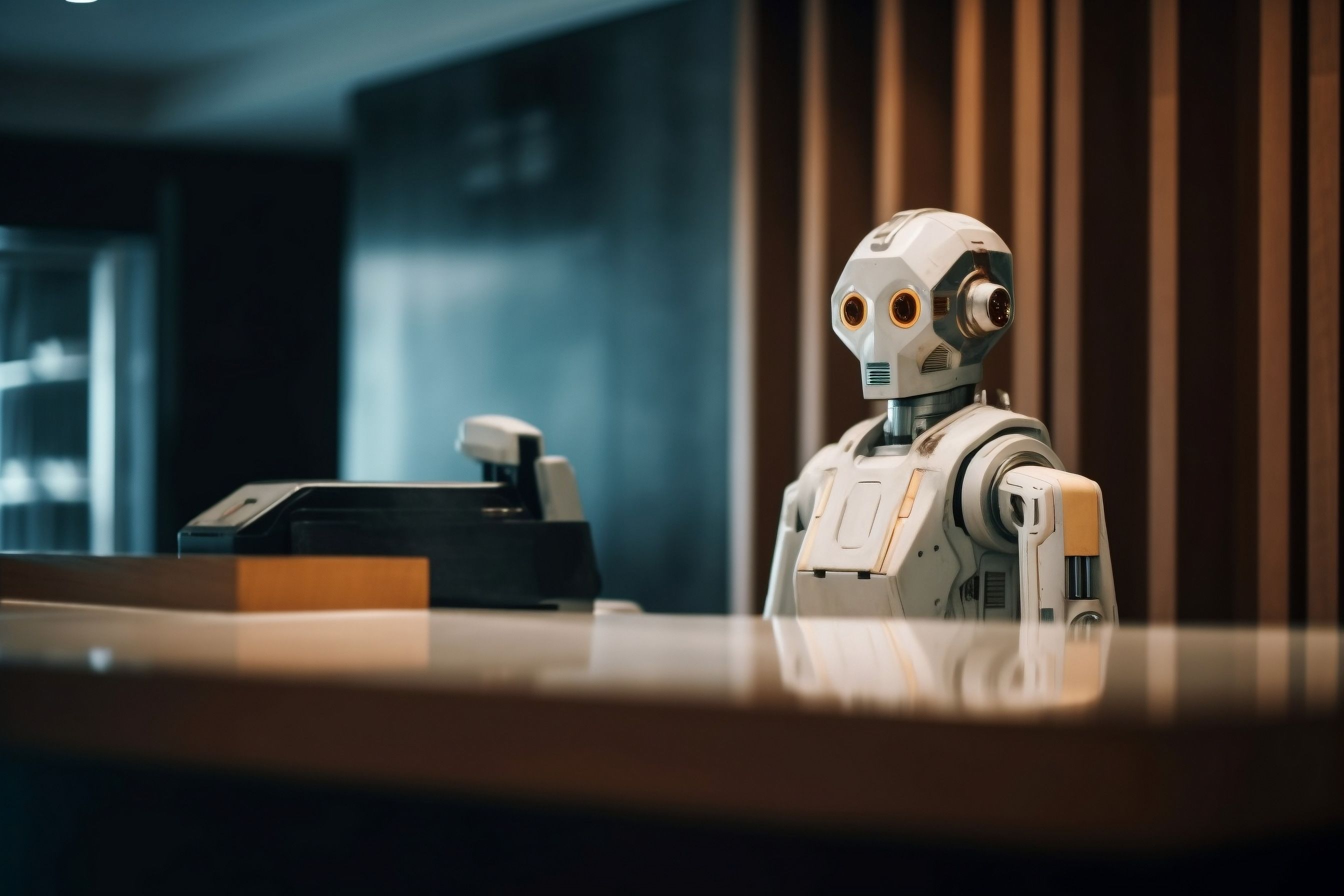



What is agentic AI?
In straight-up tech talk, agentic AI refers to intelligent systems capable of autonomous decision-making and goal-directed behaviour.
More simply put, imagine semi-autonomous ChatGPT on steroids. Able not just to answer your queries, but to perform actions on your behalf. Like a living, (not) breathing personal assistant in digital form, sweeping up your frustrating tasks before you’ve realised they exist, and simplifying your working life.
There are two key differentiators on what we’ve seen before.
Firstly, agentic AI, as opposed to traditional AI, doesn’t require instruction to perform specific tasks. It’s able to work towards your goals while taking into account your context. It will plan what actions it needs to take, make decisions, and then execute the plan, all under your supervision and control.
So, you can tell a sophisticated AI agent what you want to achieve, give it the relevant permissions, and it will go out and do it for you. Along the way, it’ll communicate with any other people, systems or programs it needs to to get the job done. You can sit back and relax, or go and do something else useful.
This recent, hotly-anticipated video from Open AI in which it launched its new Operator, paints a good picture. Pre-internet, we went to the shops. Then, we shopped online. Now, we’ll tell an agent what recipes we like, and wait for the food to arrive at our door.
Secondly, agentic AI will learn from its experiences, and become better and better at what it does - and more importantly, what you do. It will retain and apply a memory that humans will never be capable of.
Forward-thinking businesses are integrating agentic AI into their business operations, because by doing so, they are able to better document business processes, decisions, and communications. Greater scalability, less room for error, more consistency.
These two things combined - autonomy and advanced memory - are transformative, especially for organisations with myriad moving parts, which deal with uncertainty and never have quite enough time for creativity and strategic thinking.
Sound familiar, eventprofs?
"Within a couple of years, we expect agentic AI to be how most people do most things"
Edward Poland, co-founder, Hire Space


Event planners - take note
In over a decade of Hire Space, we’ve heard one thing more than any other from our clients - that they don’t have enough time to do everything they’d like to do.
Event planners, especially those working for large businesses, are often fighting against tight deadlines, high expectations and the tide of time. Especially now, post-Covid.
We consider the event planning “lifecycle” in six stages:
Brief stage - agreeing event parameters.
Discovery - finding suppliers.
Sourcing - getting availability and quotes, negotiating rates and building proposals.
Contracting - agreeing terms.
Payments - paying deposits, balances and extras.
Planning - event logistics.
For a typical corporate event of say, 150 people, this journey takes at least six weeks.
Across this journey, there are opportunities for agentic AI to automate and fast-track tasks. It can help to access information, consolidate data, generate content, facilitate communication and reduce the burden on legal and compliance.
In time, this lifecycle journey can take six days, or six hours, rather than six weeks.
With those things minimised or eliminated, the potential for planners doubles or triples. And in a world where small details make all the difference, that’s transformative.


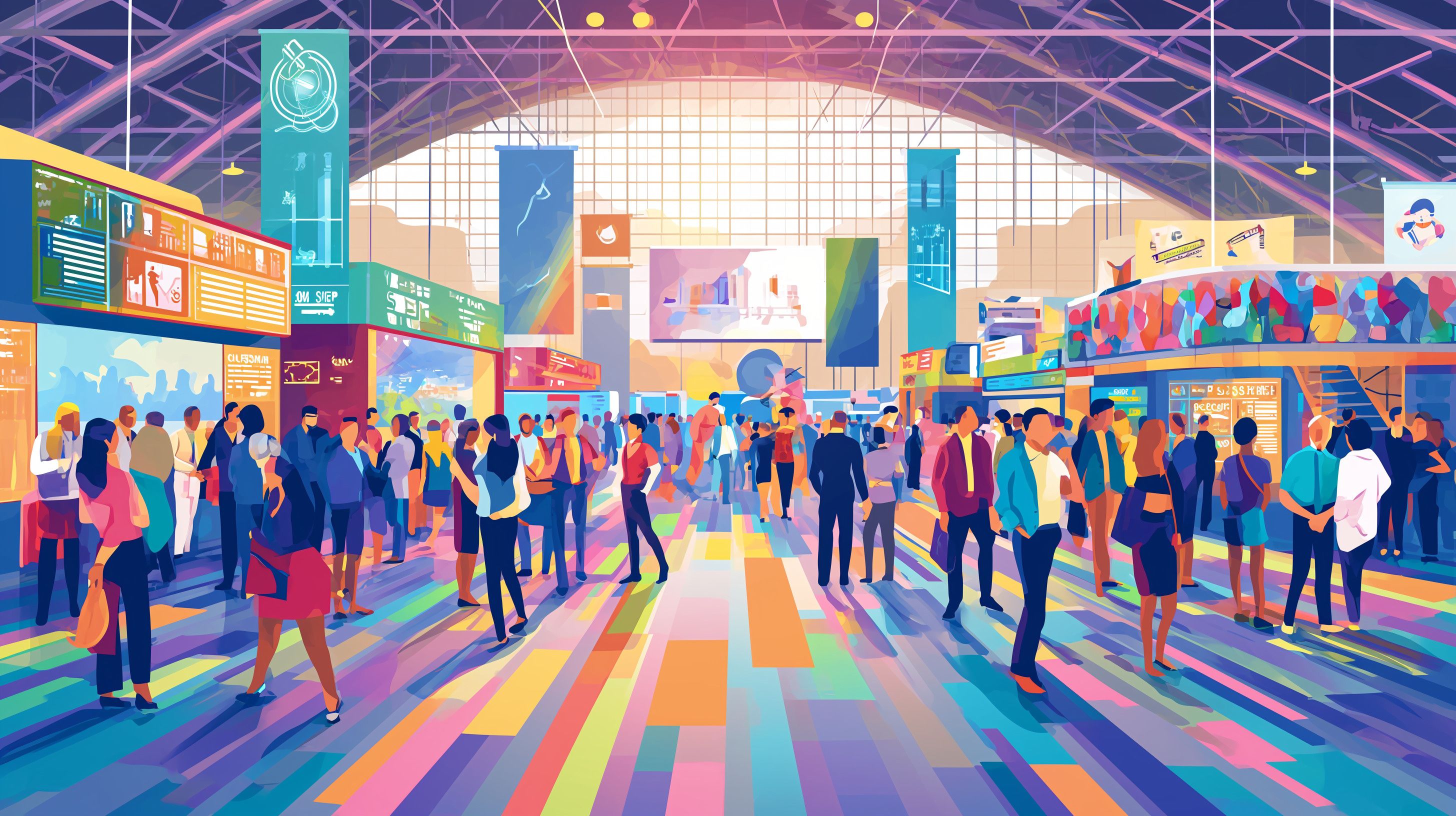



Glimpse of the near future
In practice, what are some of the things that will free planners up? Here are a few examples of what’s around the corner.
Using agentic AI, event planners will be able to do things like:
- Talk to any venue, anywhere in the world at the click of a button.
- Populate venue shortlists in seconds.
- Quickly establish availability at any venue (no APIs required).
- Optimise for carbon footprint in real-time.
- Contract, raise PO, and pay for events in hours and days, rather than weeks and months.
- Build running orders and risk assessments synchronistically.
Much of this is already possible. For instance, Hire Space was recently granted a UK patent for technology that allows planners to capture and map entire cities in their booking platform in 24 hours. Every hotel, event venue, bar, restaurant and unique space, at their fingertips, with a direct line through for a quote and proposal, all within minutes or hours.
All these things will supercharge event planners, freeing them up for more value-add tasks, or new events.
Agents can also integrate with ERP, CRM and event management systems, to support organisation-wide consistency and program excellence, and further embed events into organisational planning. This can mean more buy-in for events at the highest level.
Getting on board
As we progress through 2025, agentic AI is expected to be a focal point in technological advancement across industries, and you’ll see more and more of it in the news.
Within a couple of years, we expect it, broadly, to be how most people do most things.
Throughout 2025, event planners will see more and more third-party products and services leveraging AI to their benefit. The impact will become more tangible, and less conceptual.
And right now, planners still have the opportunity to be early adopters.
There is still plenty to navigate before this technology reaches its full potential, including important considerations around data protection,energy consumption and bias.
It’s likely, though, that those engaging with this now will be the ones that shape the future of the events sector.
Edward Poland is the co-founder of Hire Space. Alongside a Silicon Valley start-up and a group of global corporates, Hire Space is building the first sophisticated, fully integrated AI booking agent for the meeting and event sector.
 Built with Shorthand