
Why brands need to unleash the power of visual content in their events
Arminda Klier, head of content at Event Concept, reveals why brands need to go from boring to bold.
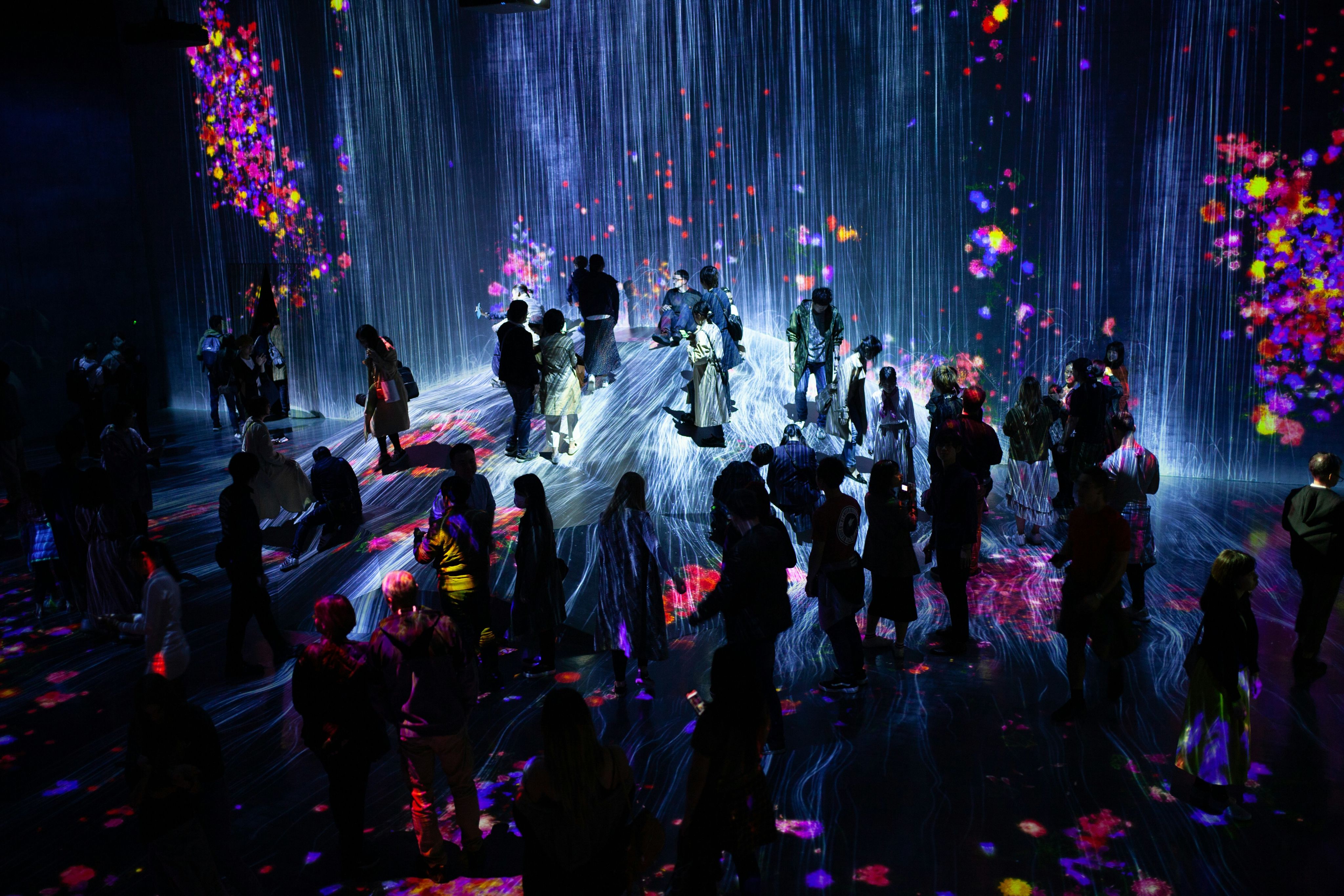

Today’s audiences are being overwhelmed with information. With digital content now flooding our daily lives, the bar for what constitutes engaging content has risen significantly, and standing out has become more challenging—and more crucial—than ever.
Visual content, especially when it’s dynamic and immersive, has proven to be the key to cutting through the noise. We’re not just talking about static images, but about videos, motion graphics, interactive displays, and immersive experiences that draw people in and keep them engaged.
As an industry, the rise of immersive experiential events—like the sellout Monet, Salvador Dali, and Van Gogh exhibitions, where traditional art meets immersive technology—just goes to show the immense appeal of visual storytelling in today’s market. The latter of those exhibitions has recently been able to extend its Liverpool run due to demand.


Arminda Klier, head of content at Event Concept
Arminda Klier, head of content at Event Concept
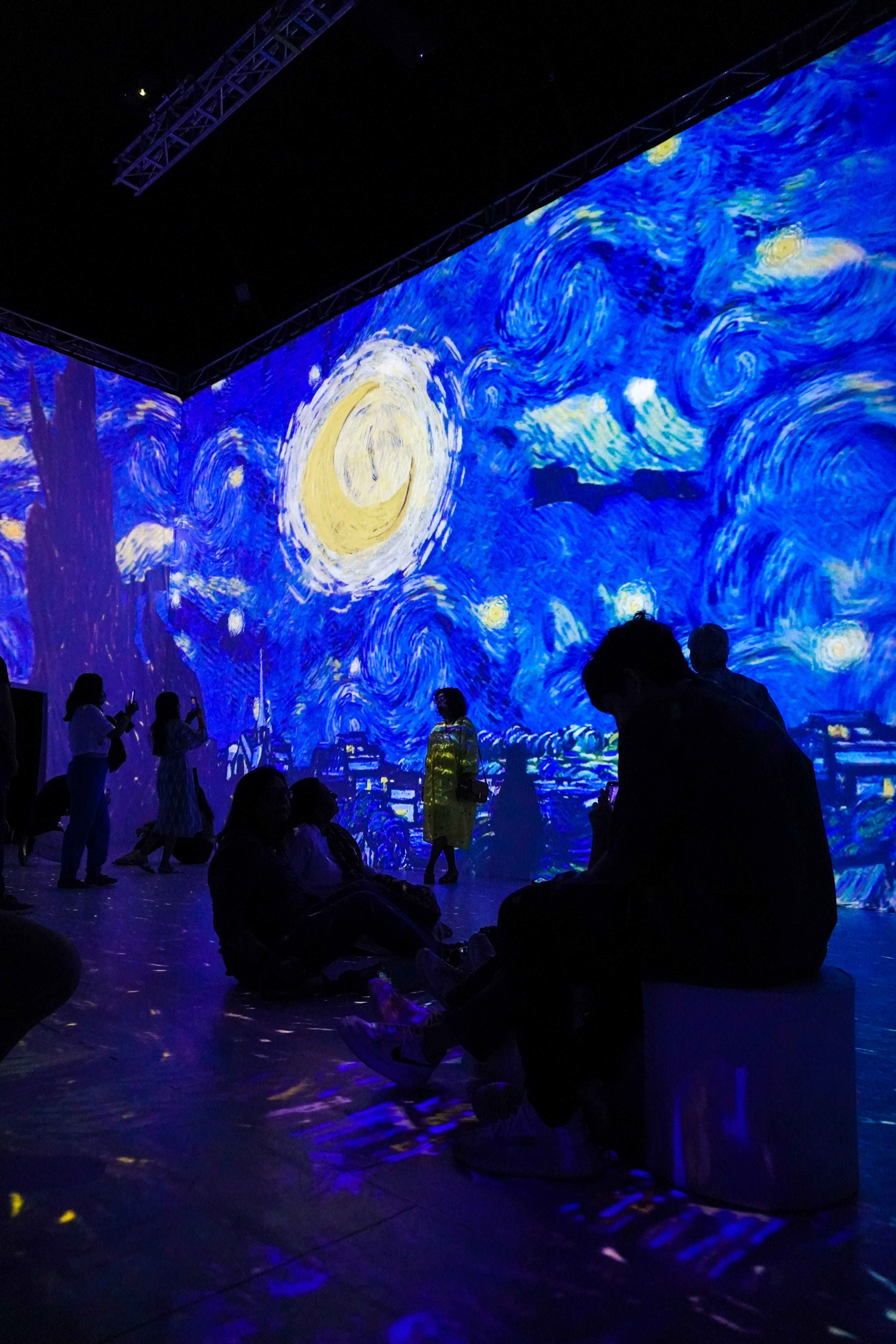
With millions of tickets sold, plus rave reviews, these events demonstrate that when done right, visual content has the power to transform ordinary experiences into extraordinary ones. Brands are increasingly recognising this potential too. The collaborations of industry giants like Coca-Cola, Netflix, and Estee Lauder with London’s first purpose-built immersive venue, Frameless, highlight a shift toward enthralling and engaging audiences using innovative visual formats.
But it’s not just about creating something visually appealing. Whether it’s capturing the essence of a corporate conference or crafting a unique brand experience, the strategic use of visual content plays a commanding role in shaping narratives and engaging audiences.
So, how can brands effectively integrate this into their events? It’s about more than just aesthetics; it’s about crafting experiences that resonate deeply and linger long after the lights dim. Let’s explore what that means in practice.
Immerse audiences in new worlds using tech
Leveraging technology is now essential to elevate any event. It has already become a basic audience expectation that certain technologies are in place to make their experience easier and more seamless, but brands have the opportunity to use technology in much more innovative ways.
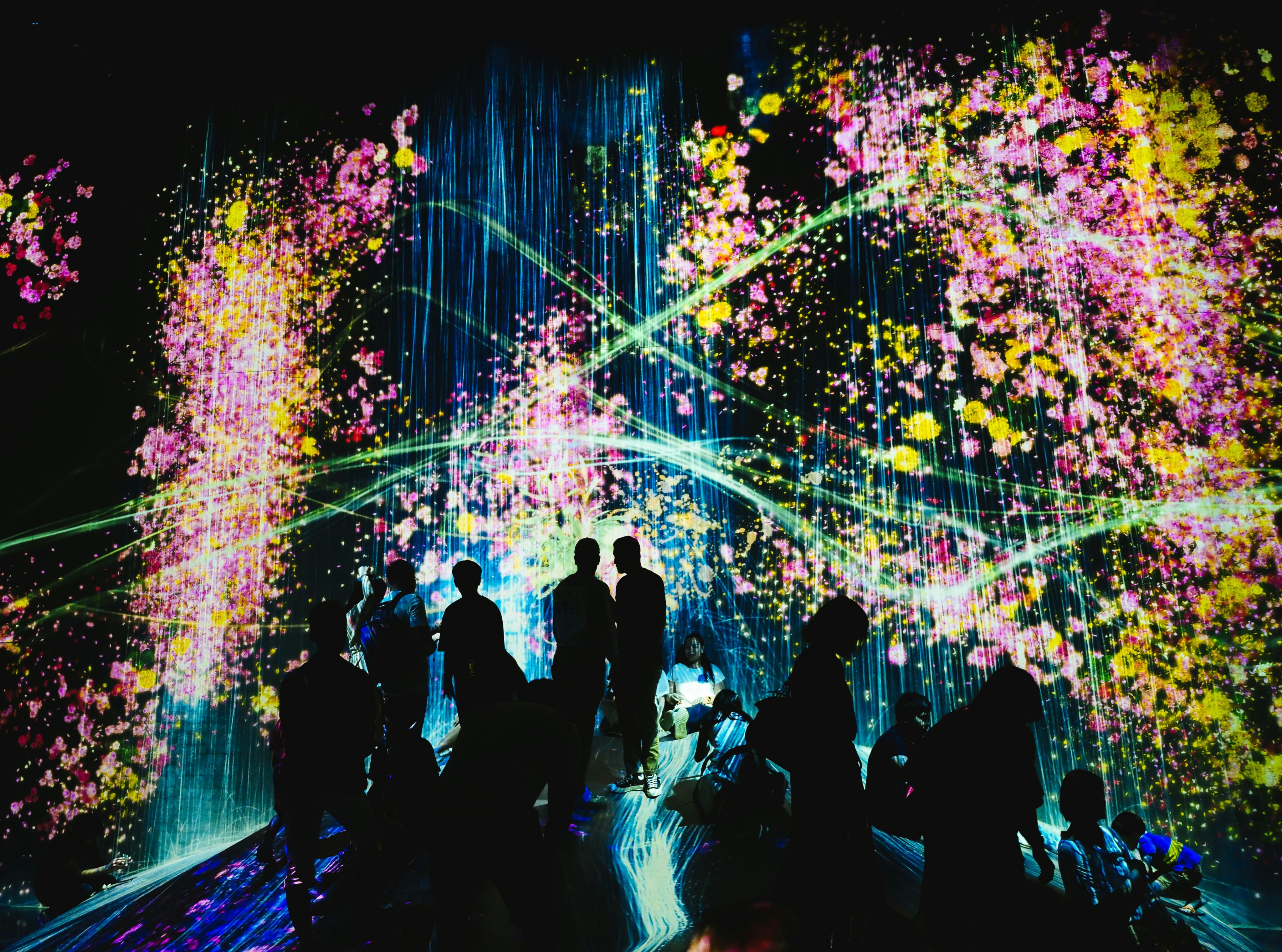
Projection mapping, for example, can transform the space people are actually in, turning it into a visual spectacle by projecting content onto objects, buildings, and walls. From ancient forests to haunted houses, scenic elements can be brought to life to immerse audiences in captivating narratives.
The best projection mapping enhances rather than effaces the architecture it’s beamed onto, fusing physical and digital elements. It doesn’t have to be large-scale either; projecting smaller details such as table decorations or place settings can be enough to transform an event from bland to brilliant.

Traditional screens aren’t the only answer
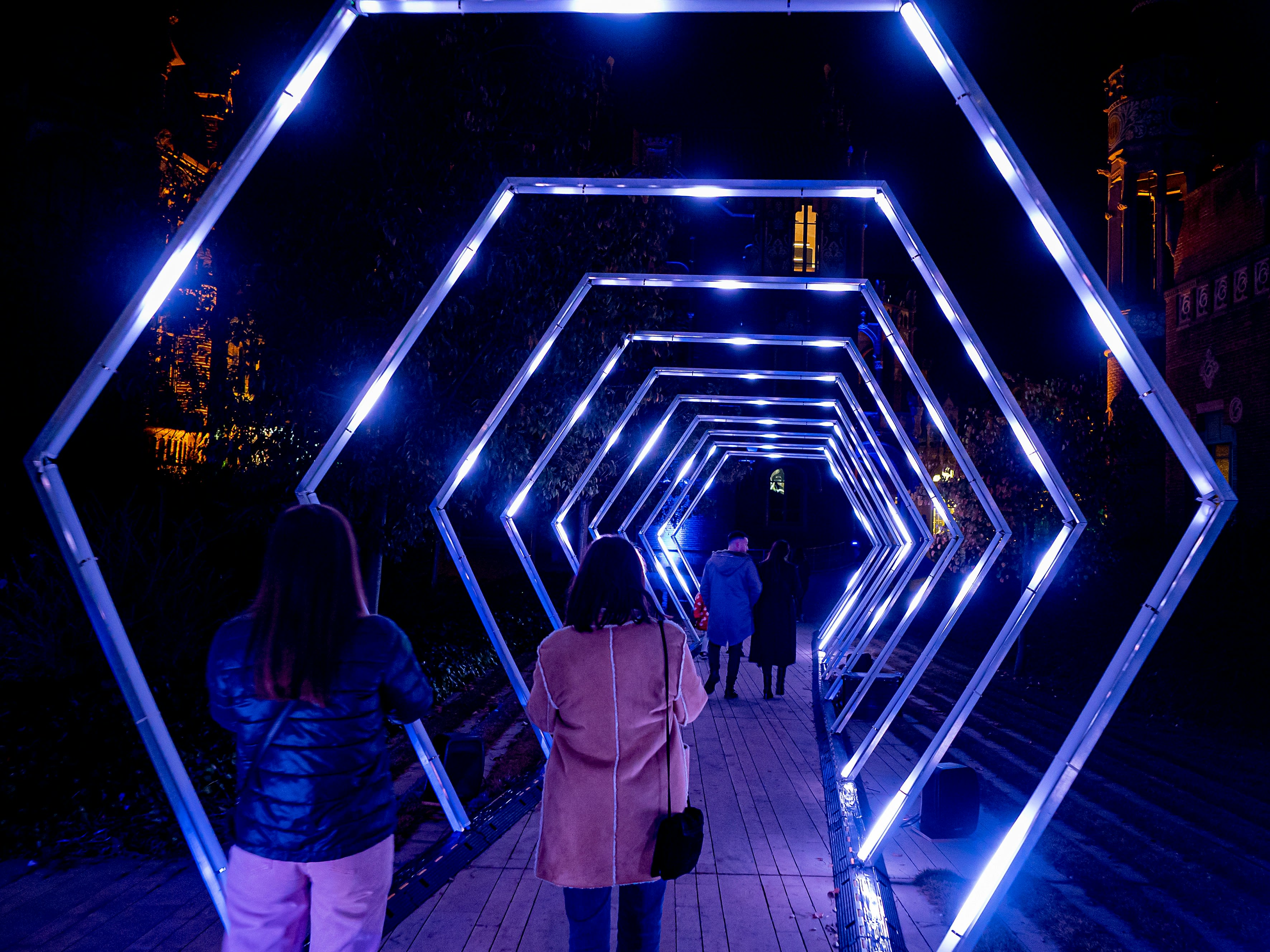
To truly captivate audiences, brands need to think beyond standard TV screens. Imagine transforming the entry point of your event into a walk-through tunnel of LED walls, immersing guests in a visual and auditory experience from the get-go and priming them for the excitement that awaits.
Within the event, interactive elements can empower guests to engage with content. From simple touch-screen totem screens to large-scale experiences using motion sensors, augmented reality, or AI prompts, interactive visual content encourages audience participation. By placing your guests in an active role, they become part of the event rather than passive onlookers.
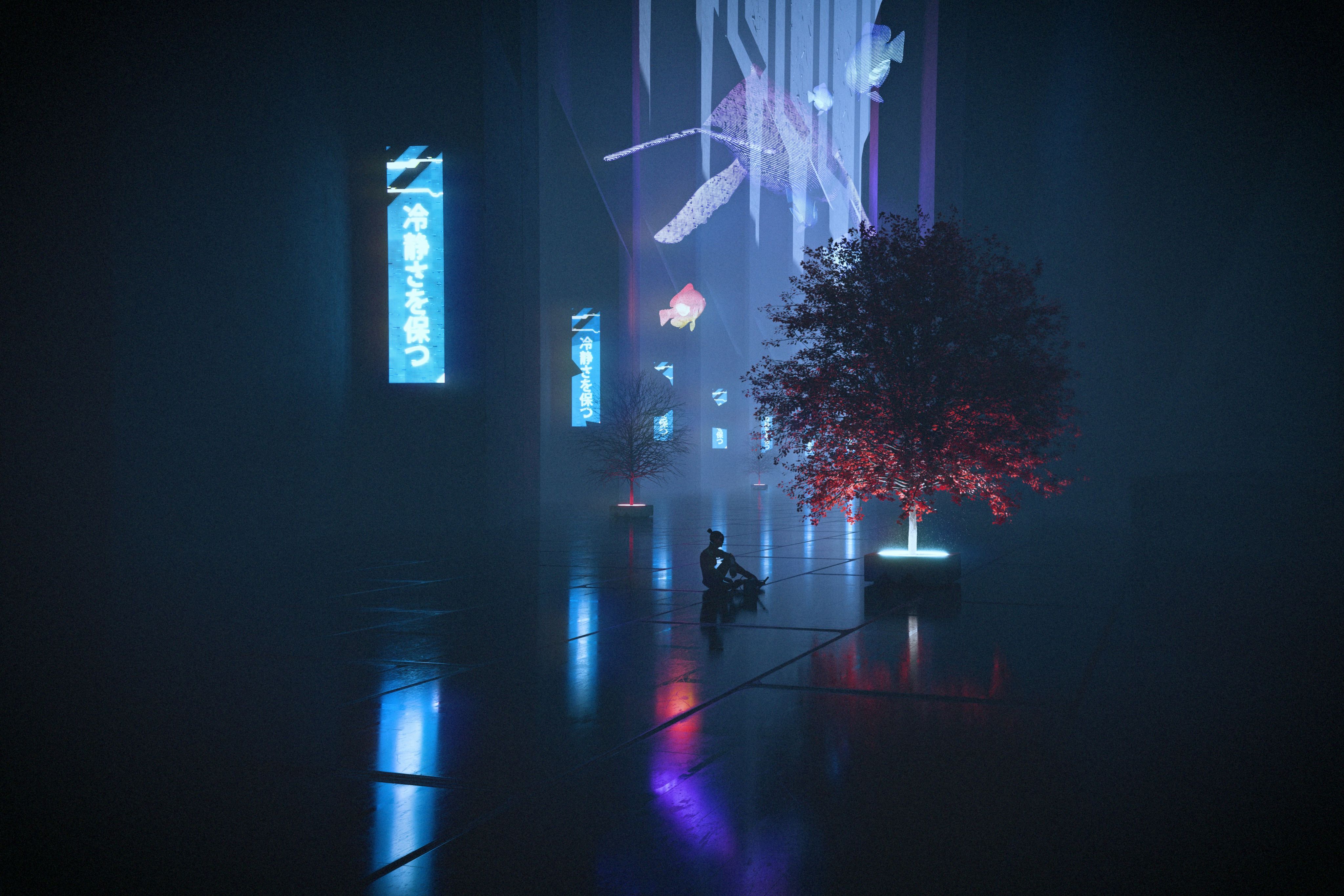
Elsewhere, could you use 3D holograms to communicate messages along your guest’s path through the venue? That’s an experience that will both stun audiences and add a futuristic appeal any event.



Don’t forget the post-event experience
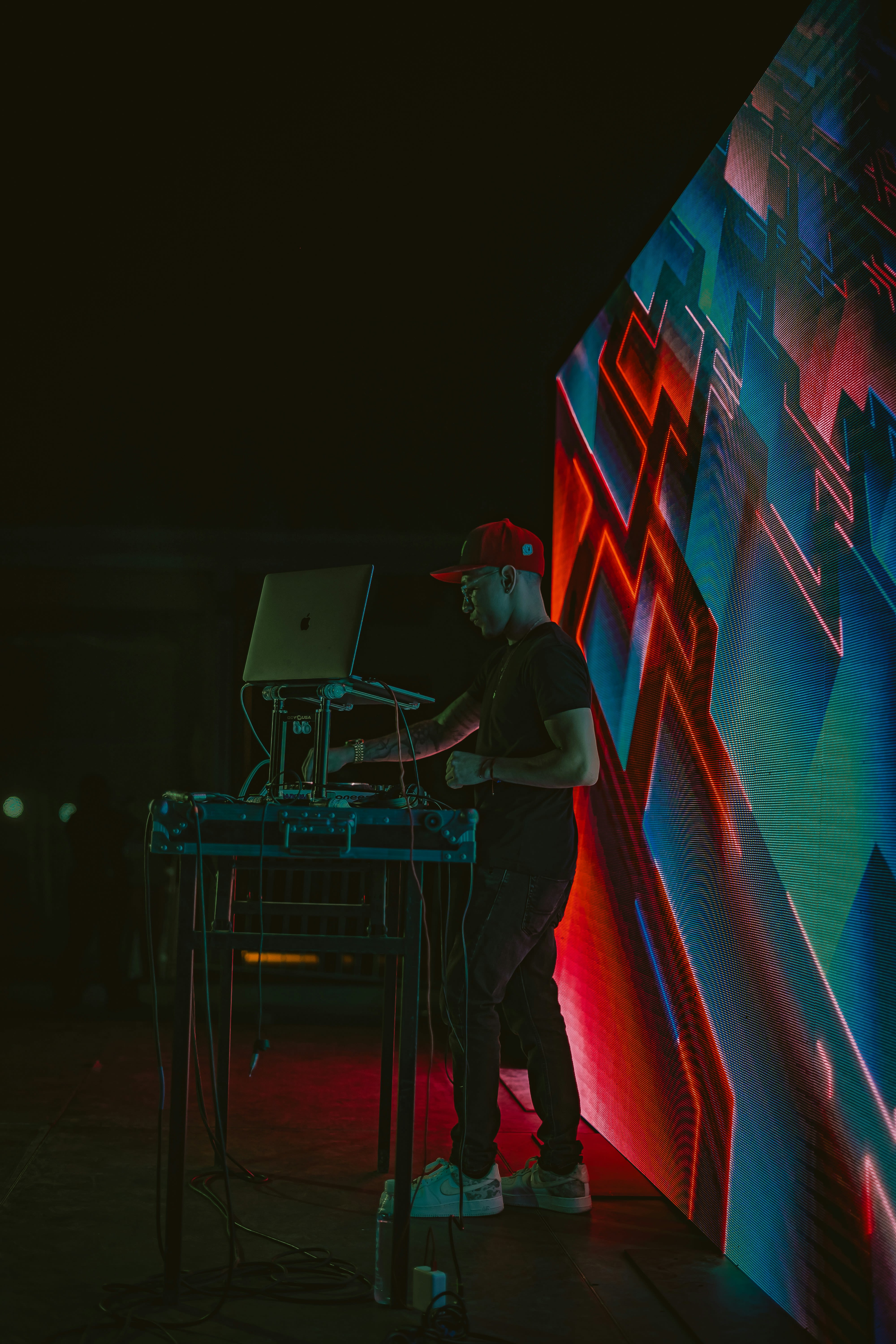
The story doesn't end when the event does. Visual content is the gift that keeps on giving.
Post-event, don't just rely on a traditional highlights reel. Curate and edit key moments and learnings into bite-sized social clips that will continue to engage your audience in the weeks following. This ongoing engagement can significantly enhance impressions and maximise ROI, offering a wealth of material for future marketing campaigns.
Ultimately, whether it’s through projection mapping, interactive content, or immersive environments, the future of events lies in the power of visual storytelling. Tap into that, and you’ll enchant your audience long after the experience ends.
About the author: Arminda Klier is head of content at Event Concept. She is passionate about enabling clients to visually communicate compelling stories, make lasting impressions, and encourage people to take action. Spanning an 18 year career that originally started in the world of digital advertising, Arminda brings customer experience to the forefront of video content creation, all to ensure the right message reaches the right audience at the right time, making a memorable impact.
 Built with Shorthand