
Budget divides sector as leaders call for clarity, investment and reform
Key figures from across the UK events, hospitality and meetings sectors give their verdict on chancellor Rachel Reeves’ autumn budget...
By Paul Harvey



Chancellor Rachel Reeves’ autumn budget has landed with a mixed reception from the events industry.
While measures such as permanent business-rates relief for smaller hospitality and leisure properties were cautiously welcomed, industry leaders say the budget falls short of delivering the clarity, investment and strategic support needed for a sector still grappling with rising costs, skills shortages and squeezed margins.
From concerns over minimum-wage pressure and unresolved rate-multiplier details to calls for long-term skills investment and support for major venues, here’s how the industry is reacting...
Louisa Watson, chair of beam
“Beam welcomes the chancellor’s announcement of permanently lower business rates for retail, hospitality and leisure properties under £500,000 rateable value. This is a meaningful step that will provide long-term stability for many small venues within our sector.
“However, at this stage the government has not yet published the new business-rates multipliers or the full transitional-relief tables. Until those technical details are released, it is not possible to calculate the exact monetary impact of the relief for individual properties. The level of benefit will vary depending on each venue’s rateable value and position within the new structure.
“Beam also notes that the mid-sized and larger hotels and major conference venues that underpin the UK’s business events industry, could face higher rates under the proposed changes. These additional costs, alongside rising staffing expenses and wider tax adjustments, will place further pressure on operators at a time when margins are already tight.”

David Tremmil, vice-chair and advocacy director of beam
“While households will see welcome cost-of-living support, yesterday’s budget did not provide a dedicated support package for the business events, meetings, hospitality or visitor-economy sectors. These industries remain essential drivers of economic growth, skills, inward investment and regional development.
“Beam will continue to engage with government to ensure that future policy recognises the strategic importance of our sector. We urge the Chancellor to work with our industry on long-term business-rates reform, skills development, transport infrastructure and sustainability to ensure the UK remains a competitive global destination for business events.”
Shonali Devereaux, chief executive, MIA
“The government’s proposed business rate reforms will provide welcome relief for over 750,000 retail, hospitality and leisure properties through lower business rates from April 2026. However, it is crucial that we receive confirmation that event venues are included within these defined industries.
“Without clarity and comprehensive measures, this reform risks placing additional strain on the large venues that host major events, potentially impacting their ability to invest, grow, and maintain the high-quality experiences that underpin the UK’s events economy.
“We fully support measures that enhance financial security for workers, but we must also recognise how our industry is uniquely exposed to the impact of minimum wage increases.
“Many event venues and agencies rely heavily on temporary and casual staff to manage natural fluctuations in events and varying service requirements. As wage rates continue to rise alongside broader inflationary and operational costs, profit margins are being squeezed further, which could lead to reductions in staffing levels and, consequently, service and experience quality. This pressure risks weakening pathways into meaningful, long-term employment while placing additional strain on the workforce.
“The MIA welcomes the announcement of fully funded under-25 apprenticeships for SMEs , providing a guaranteed pathway for young people into training, education or work. With the persistent skills shortages and high recruitment pressures our sector currently faces, this could significantly strengthen the talent pipeline to enable more venues and agencies - many of which are SMEs - to bring in and train early-career talent to support the development of practical skills our industry needs.”
“With the persistent skills shortages and high recruitment pressures our sector currently faces, the under-25 apprenticeships for SMEs could significantly strengthen the talent pipeline”


Shonali Devereaux, chief executive, MIA
Shonali Devereaux, chief executive, MIA
Julie Shorrock, managing director, Hotel and Travel Solutions (HTS)
"The measures outlined offer some potential support for the hospitality sector, but several areas require urgent clarification. The proposed Business Rates Relief is welcome in principle, but venues need clear guidance on the new multipliers and detailed qualification criteria before they can assess the real impact on their business operations and any potential knock-on for end-customer costs.
"The introduction of the £2,000 pension salary-sacrifice allowance is interesting, but with implementation not planned until 2029, it remains uncertain and difficult to factor into long-term planning.
"And further changes to the minimum wage, while understandable in the broader economic context, will put additional pressure on an already cost-strained hospitality industry. We need complementary measures to ensure that businesses can absorb these increases sustainably while continuing to invest in their people, or we risk losing further talent and our longer-term pipeline of industry leaders."


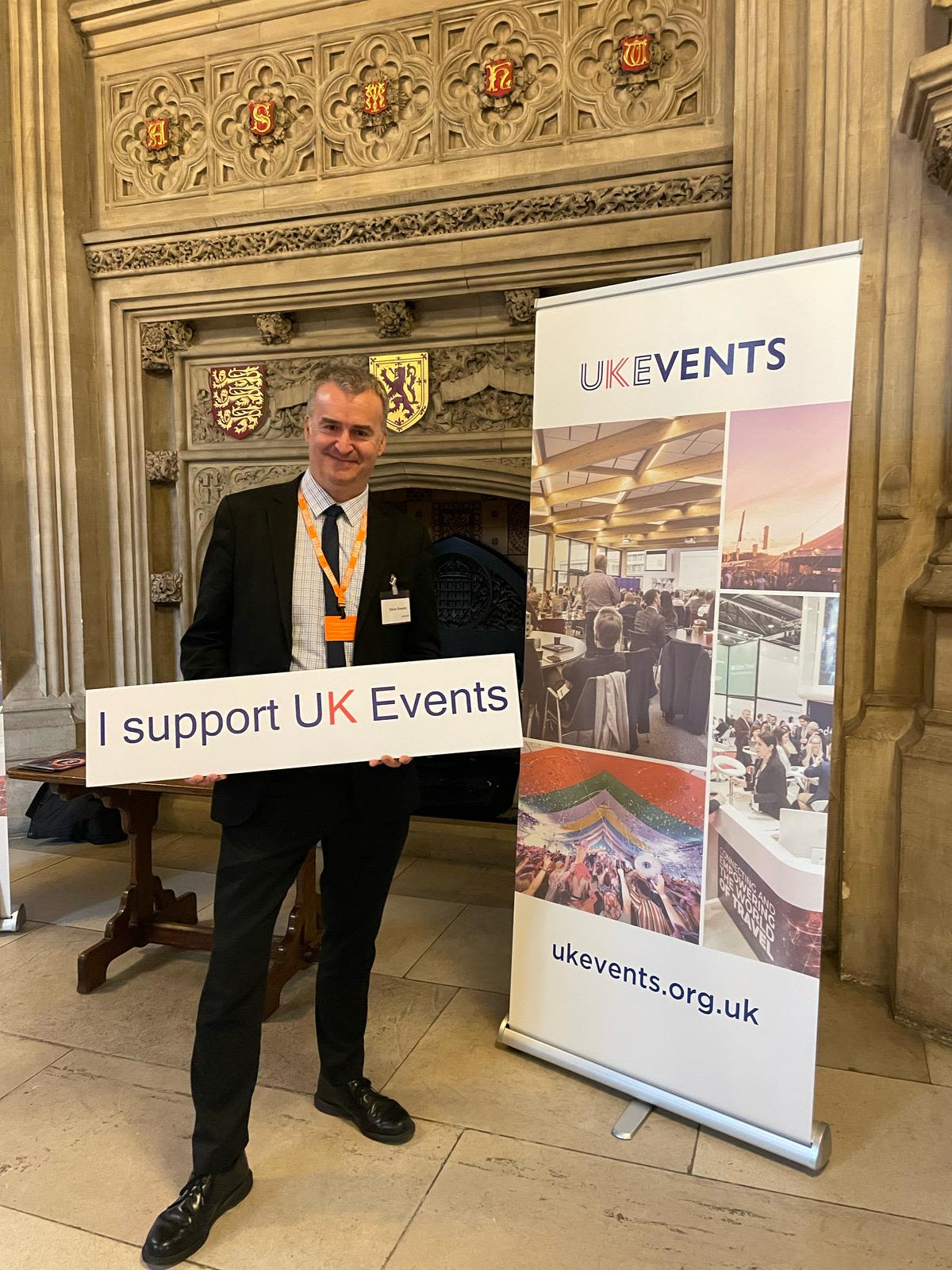
Glenn Bowdin, chair of UKEVENTS
“The Autumn budget recognises some of the priorities UKEVENTS included in our submission, with measures on business rates, regional investment and skills that will help parts of our sector. However, the events industry remains an economic powerhouse with untapped potential.
“We continue to urge government to extend tax reliefs for new and regional event productions based on the established model for film and extend the VisitBritain Business Events Growth Programme, both of which have evidence for supporting growth. We welcome the steps taken and urge continued collaboration to ensure events are at the heart of the UK’s growth agenda.”

David Watt, CEO, CI Group
This autumn budget announcement is disheartening for the events industry. While it is positive to see that the permanent business rates support are providing hope for smaller hospitality and leisure venues, it is disappointing that the government has tightened the squeeze on the major venues that host our industry’s large-scale conferences and exhibitions - which, despite being a central part of driving trade, jobs and profit for the UK's economy, have not been made eligible for this financial relief.
The newly announced ‘tax on delivery’ also poses a significant concern. Pushing up the core costs involved with running events, such as venue hire, catering, staff wages and transport, will now tighten margins at every level, and result in every event being structurally more expensive to run. Unfortunately, we can expect to see venues, service providers, and agencies and planners having less room to absorb costs - which will force acceptance of lower profitability, or smaller events. A renewed focus on smarter budgeting and will be integral to navigating the tougher trading climate ahead of us.




Jonathan Read, director of global sales & partnerships UK&I, Leonardo Hotels UK and Ireland
“My personal opinion (as a hotelier operating within Leonardo Hotels), is one of disappointment. It provides no meaningful support for businesses in our sector and shows little leadership in spurring on promised economic growth.
“For a government that pledged to be the fastest-growing G7 economy, this budget offered no bold plan for growth. Instead, has left businesses facing a complex climate rather than a simpler route to growth.
“Meanwhile, mid and large sized hospitality venues remain taxed out by the broken business rates system, and the budget’s token relief - just a quarter of last year’s promised discount - means many of us still face higher rate bills. We are also grappling with steep wage and tax hikes with no offsetting help, and the new tourist levy is effectively a direct tax on hotels; an increased burden at a time when the industry is already under pressure.”


Photo by Eduardo Soares on Unsplash
Photo by Eduardo Soares on Unsplash
Andrew Deakin, managing director, Conference Care
“This budget offers little to boost business confidence or stimulate growth. Instead, it reinforces a system where private enterprise is treated as a cash machine, with higher payroll costs, frozen tax thresholds, increased dividend and investment taxes, and reduced incentives for those who drive economic activity.
“It places further pressure on margins, erodes rewards for risk-taking, and does nothing to address the underlying issue of low workforce participation. Rather than encouraging productivity, innovation and investment, it risks accelerating the movement of capital, talent and entrepreneurial energy to more business-friendly environments such as Dubai, Singapore, and Switzerland.”