
Crumbling Parliament, spiralling costs – why the events industry could end up paying the price
After more than a decade of debate around its refurbishment, the Palace of Westminster is still unsafe, still unaffordable - and still without a plan. For the events industry, the consequences could last a generation.
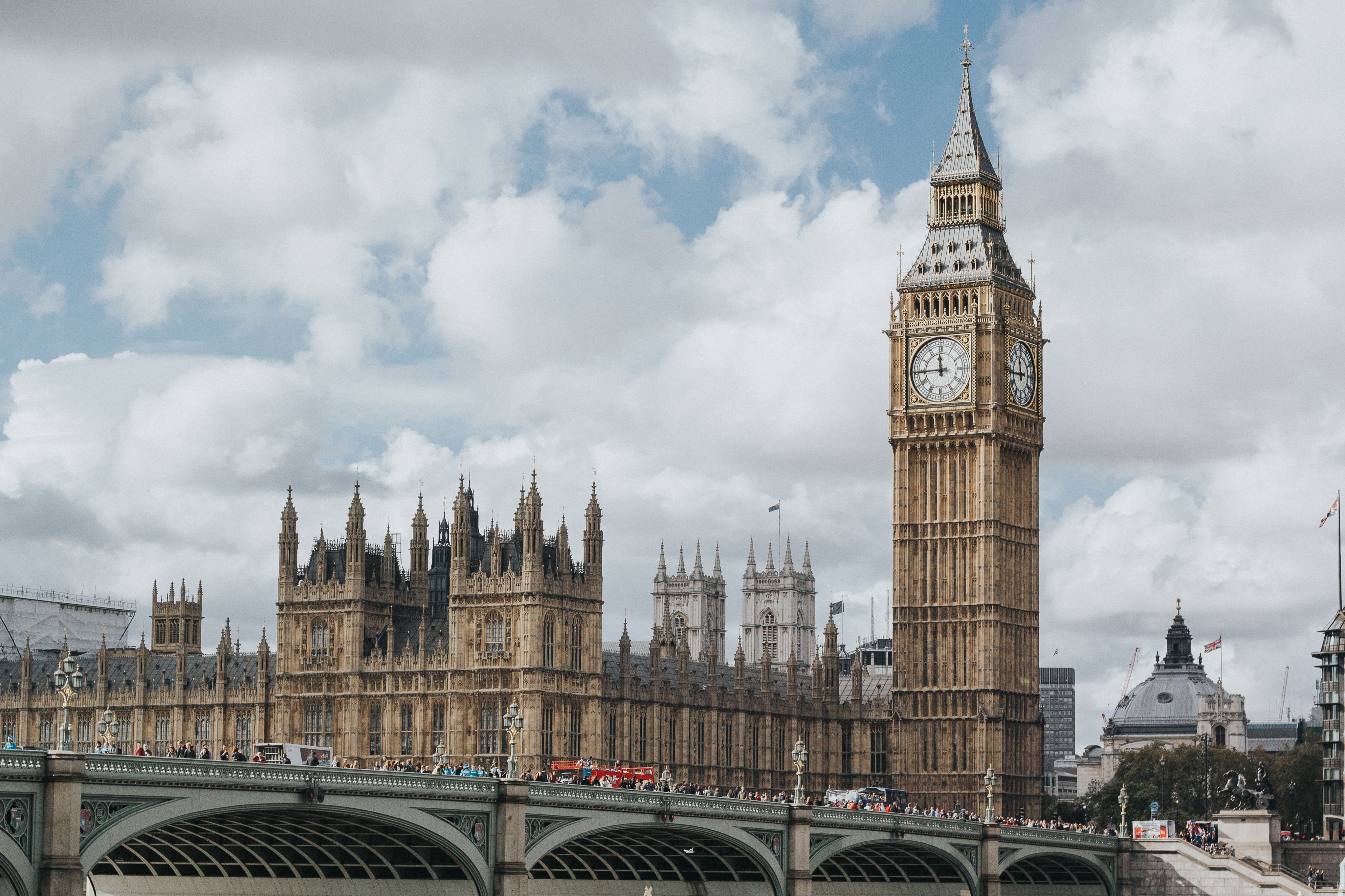

One of the first stories I wrote on joining M&IT back in 2013 was about the proposed refurbishment of the Houses of Parliament.
That story focused on the age of the building - mostly Victorian, with some parts much older - and the need for substantial repairs. Back then, we were beyond the point where putting off these major works was sustainable.
Almost 13 years later, and countless stories later, here I am again, writing about the proposed refurbishment of the Houses of Parliament - and we're absolutely no closer to a decision being made.
The latest update is that a revamp of Parliament could cost £40bn and take an astonishing 61 years to complete.
That’s just one option presented in the new report by Parliament's restoration and renewal team. There’s also another suggestion, a £15.6bn plan that would see MPs and peers moved out for up to 24 years from 2032.
It all feels depressingly familiar.
The report restates what’s been known for years: the building is unsafe, crumbling and eye-wateringly expensive to maintain. Once again, we are told that "continuing in the same way is unsustainable". And once again, the process drags on - with real consequences for the events industry, namely the QEII Centre.
Because through all of this, the QEII Centre continues to be cited as a potential temporary home for the House of Lords while the work is carried out. Even a partial occupation would remove a significant chunk of central London conference capacity from the market, for years rather than months.
Prolonged disruption to the QEII would have knock-on effects for the whole of London - fewer options, higher costs, tighter availability and reduced competitiveness for the capital as a global conference destination.
What’s most frustrating is the failure to decide.
This debate has been running for more than a decade. In that time there have been repeated warnings of fire risk, asbestos exposure, failing sewage systems and falling masonry on the Houses of Parliament estate. The building costs around £1.5m a week just to keep functioning. The estimated cost of delaying a decision is £70m a year. Yet still, politicians have debated, deferred and commissioned report after report while costs have escalated and risks increased.
And still, no agreement.
There’s a fairly straightforward answer to all of this, of course; simply build a new Parliament elsewhere.
From a cost, safety and delivery perspective, a purpose-built parliamentary complex would almost certainly be cheaper and quicker than retrofitting a Victorian maze. Locate it somewhere in the North, or the Midlands, and it also supports regional investment and modern working practices. Plus with the added benefit of being more accessible to MPs from across the entire UK.
The famous green benches of the current House of Commons are notoriously too small to hold all the elected MPs at once. Plus the design, with one side for the Government and one side for the Opposition, makes sense in a two party political system, but a quick glance at any recent opinion poll will tell you that the next general election is shaping up to be a five way death match, and who knows what results we'll get. Suffice to say, the design of Parliament does not reflect our current politics.
Building a new Parliament would allow the Palace of Westminster to then be restored properly, at a realistic pace, and function as a heritage site and visitor attraction - something it already largely is.
This would also avoid years - possibly decades - of uncertainty for the QEII, which risks becoming collateral damage in Parliament’s long-running inability to make up its mind.
Of course, this is never going to happen - hell would have to freeze over before Parliament leaves its current home. There are far too many people invested in Parliament staying exactly how it is for there to be any meaningful change any time soon.
And so, the next stage in this saga is that MPs and peers are set to debate the options, with a definitive decision not expected until at least the end of the decade.
Once again, Parliament has shown itself to be very good at delaying decisions - and very bad at delivering major projects quickly or cheaply.
How very Westminster: endless debate, spiralling costs, and a decision that - like the building itself - just keeps crumbling into the future.