
How one booking brought down a festival
The collapse of Wireless Festival following the planned appearance of Kanye West is a powerful lesson in reputational risk, stakeholder pressure - and the importance of building resilient events.
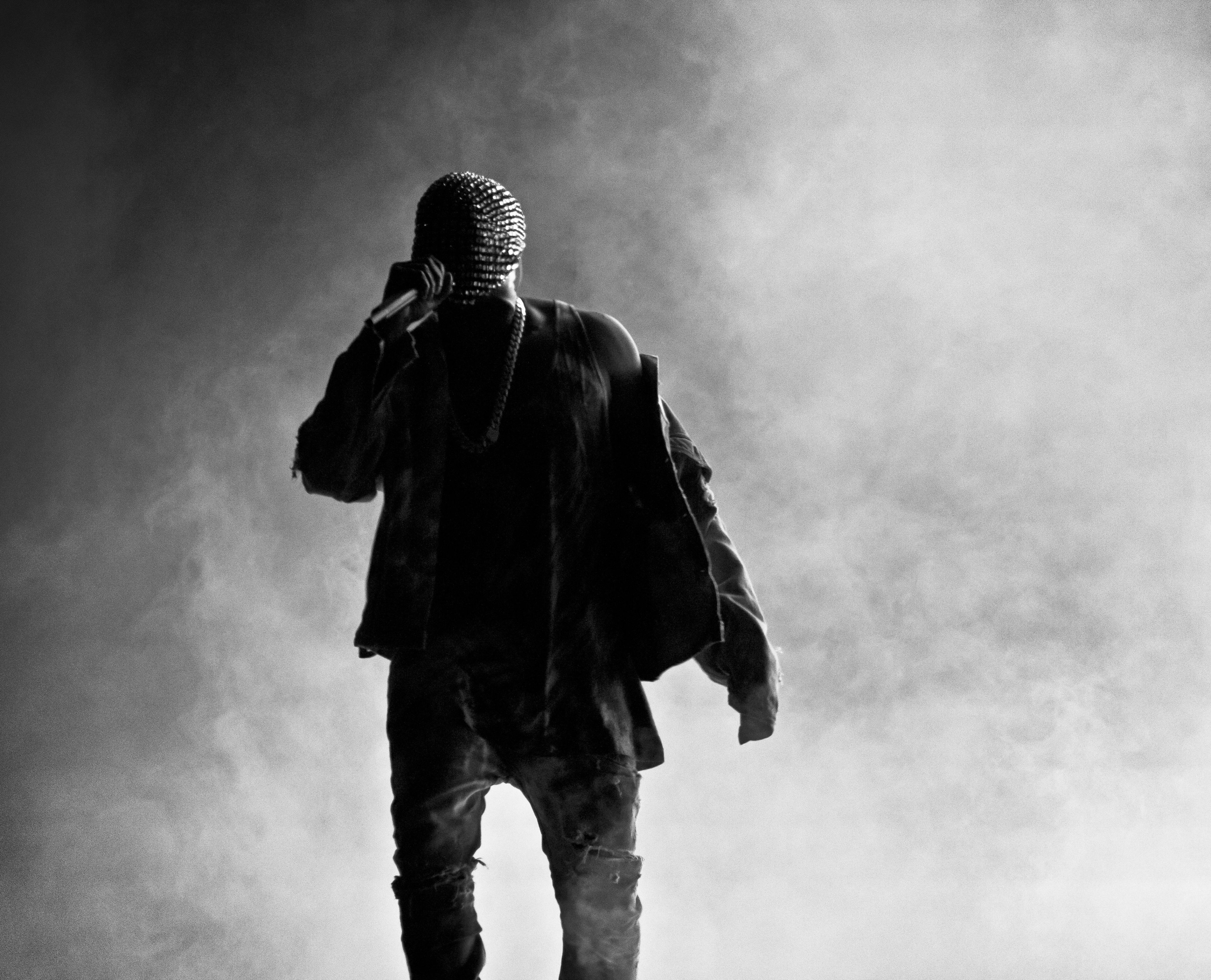

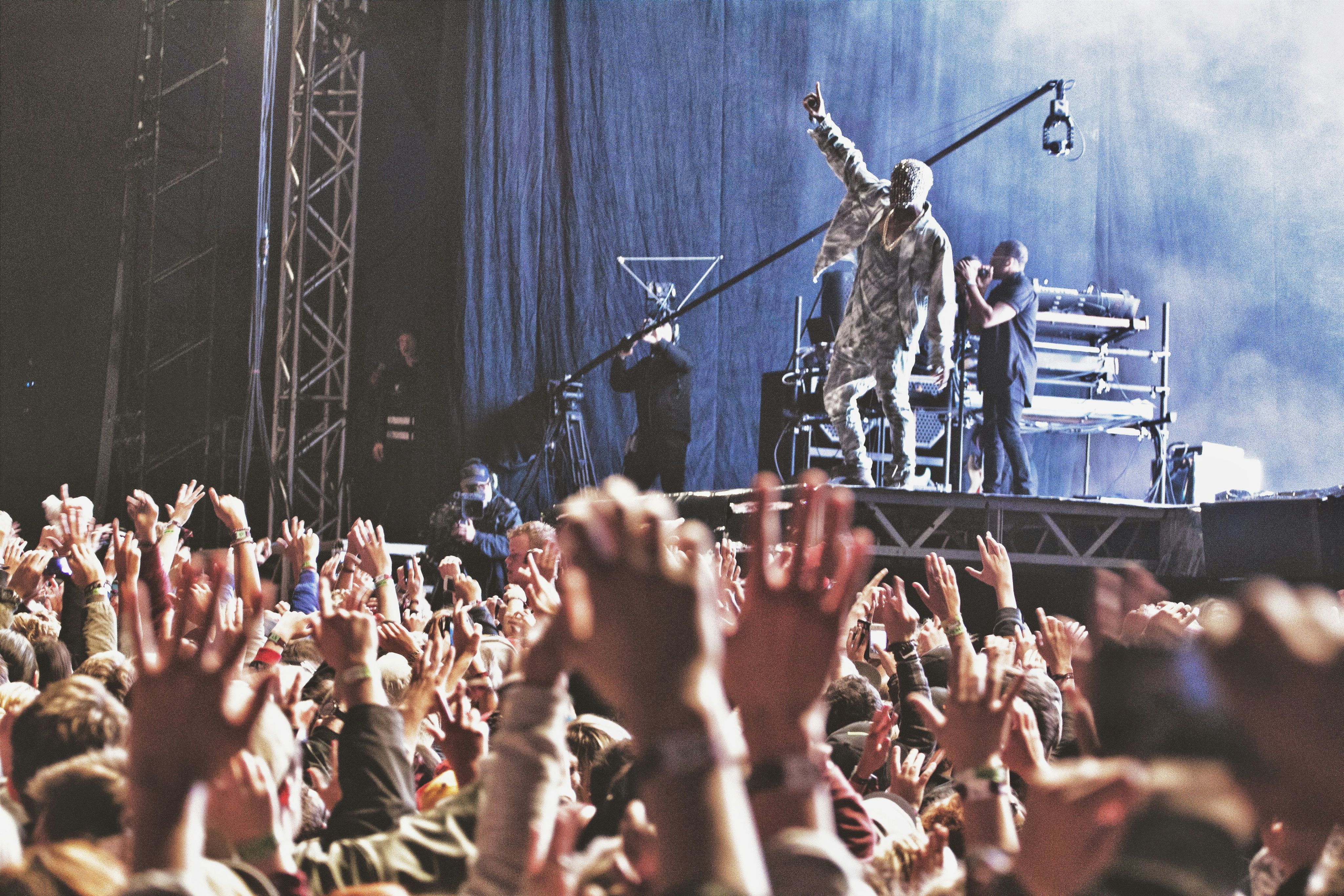
Here’s how the conversation at Wireless Festival about potential headliners for this year should have gone:
“Shall we get Kanye West to headline? For all three days?”
“No, and no.”
Let’s be clear, we’re talking about someone who in the last few years has, among many repellent actions, made countless antisemitic, racist, and pro-Nazi statements, released a song called Heil Hitler, and sold swastika t-shirts on their website.
It’s true that West - or Ye as he’s legally known – apologised for his actions in a full-page ad in the Wall Street Journal in January. But that apology wasn’t sufficient to make up for the hurt and offence caused – not by a long way.
All of which made it genuinely surprising when promoters Live Nation booked West to headline all three nights of Wireless Festival this summer.
Don’t get me wrong, there would be millions of people – myself included – who would be thrilled to see a Kanye West greatest hits set from his golden years of the 00s and early 2010s. However, that’s not what you get with Kanye West in 2026. You can’t just ignore what he’s said and done in the last few years. At least, I can’t.
The Wireless announcement immediately collided headfirst with the reality of public opinion, resulting in days of rumbling arguments and culminating in the cancellation of the festival, following the government’s decision to bar Kanye West from entering the country.
It’s more than a headline-grabbing controversy - it’s a case study in how quickly an event can unravel. Within days, reputational risk escalated into sponsor withdrawal, political pressure and, ultimately, full cancellation.
It’s a lesson for all event professionals in the perils of misjudging the environment around an event - and how quickly that can change.
When risk becomes reality
The controversy began almost immediately after West was announced as headline act. I was genuinely surprised that anyone thought that West was ready to be welcomed back into mainstream acceptability just yet.
I wasn’t the only one. Criticism quickly moved beyond social media. Political figures raised concerns. Keir Starmer was, I imagine, delighted to find that his opinion chimed with public opinion - a rare thing indeed for the embattled prime minister. Community groups called for action. Sponsors began to withdraw.
Then came the decisive moment: government intervention. The Home Office refused the rapper’s application to travel to the UK via an Electronic Travel Authorisation (ETA), on the grounds that his presence would not be conducive to the public good.
With West denied entry to the UK, the festival lost its central act and with it, its ability to proceed. The result was not just reputational damage, but operational collapse: cancelled programming, refunds and a significant commercial hit.






When sponsors say no
One of the earliest indicators of trouble came from sponsors. Following the reaction to the announcement, brands including Pepsi and Diageo withdrew their support, while PayPal stepped back from promotional activity.
In a statement, Wireless Festival said that "multiple stakeholders" had been consulted ahead of booking West, "and no concerns were highlighted at the time".
They were certainly highlighted once it became clear what people thought of the booking. Sponsorship is no longer a passive financial arrangement, it is values-led, highly responsive and quick to react.
In this case, sponsor exits were a signal that the commercial foundations of the event were beginning to shift.
The single point of failure
Wireless’s programming model amplified the risk.
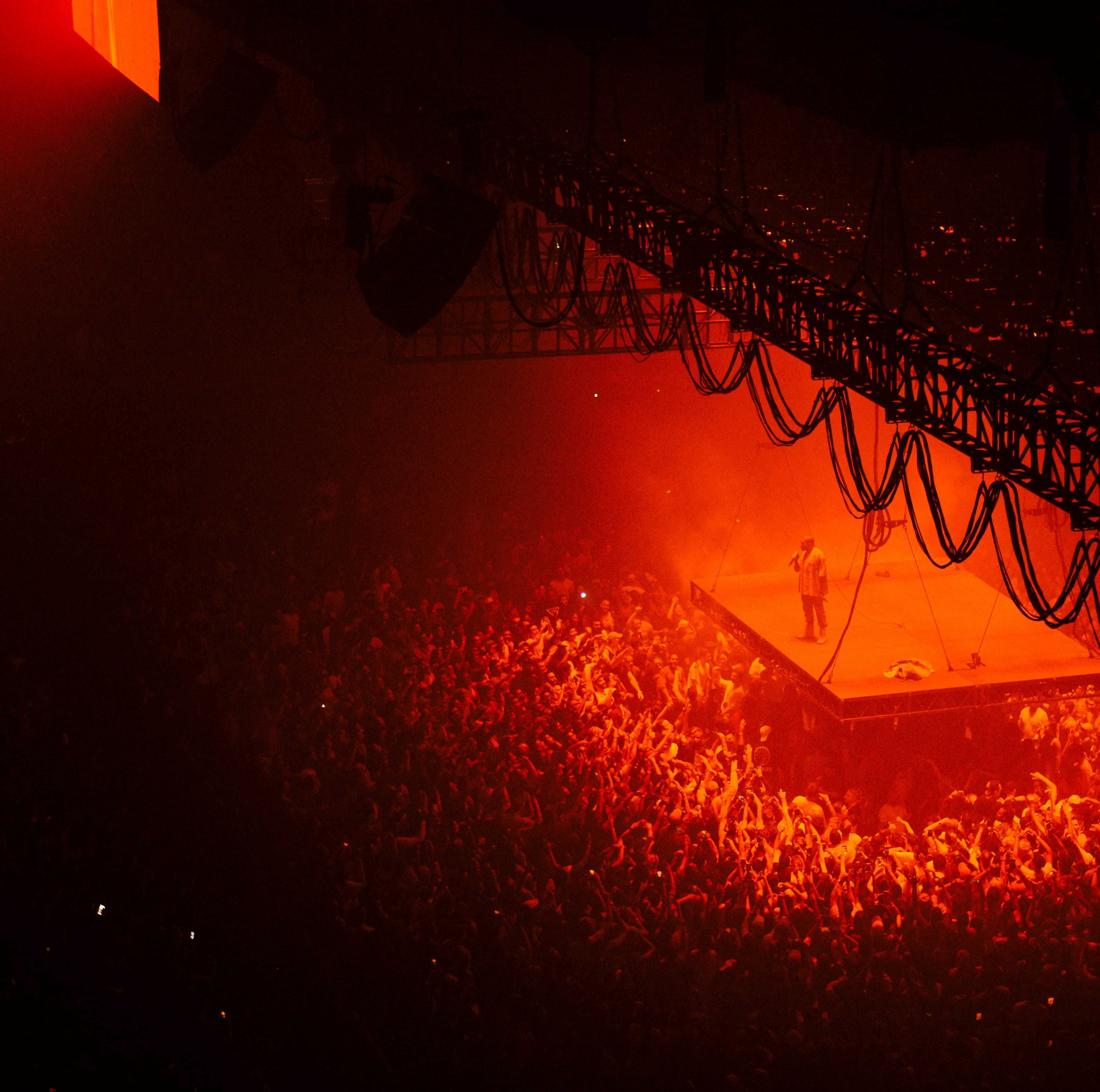
While a three day festival would traditionally have three different headliners, last year’s Wireless saw the festival built around three headline sets by one artist – Drake – for the first time. The sets met with mixed reviews, but clearly the promoters felt it was successful enough to repeat the formula for this year.
However, by building the event around a single headline act across three days, organisers created a structural dependency. When Kanye West was removed, the entire programme became unviable.
The lesson is clear: if one speaker, performer or element is critical to success, it is also a point of failure. Resilience requires flexibility.
Expanding web of stakeholders
This case also highlights how many voices now shape event outcomes.
Government, sponsors, advocacy groups, media and audiences all played a role, each with different expectations and thresholds for what is acceptable.
Events no longer operate in isolation. Programming decisions can quickly become matters of public, political and commercial scrutiny. And once that happens, control becomes shared.
While few corporate events will face scrutiny on this scale, the underlying dynamics are increasingly familiar.
The cancellation of Wireless Festival shows the dangers for organisers of exposing yourself to risks that are immediate, visible and, if unmanaged, decisive. The challenge for organisers is not just to create standout events, but resilient ones.
The lesson here is that as well as knowing what makes an event successful, organisers also have to know what could cause it to fail - and be prepared for what happens when it does.