Is working from home to blame for falling business travel? I doubt it
British Airways’ parent IAG has blamed the UK’s work-from-home culture for a slump in business travel - but is that really the reason corporate bookings are lagging? Paul Harvey doesn't think so...

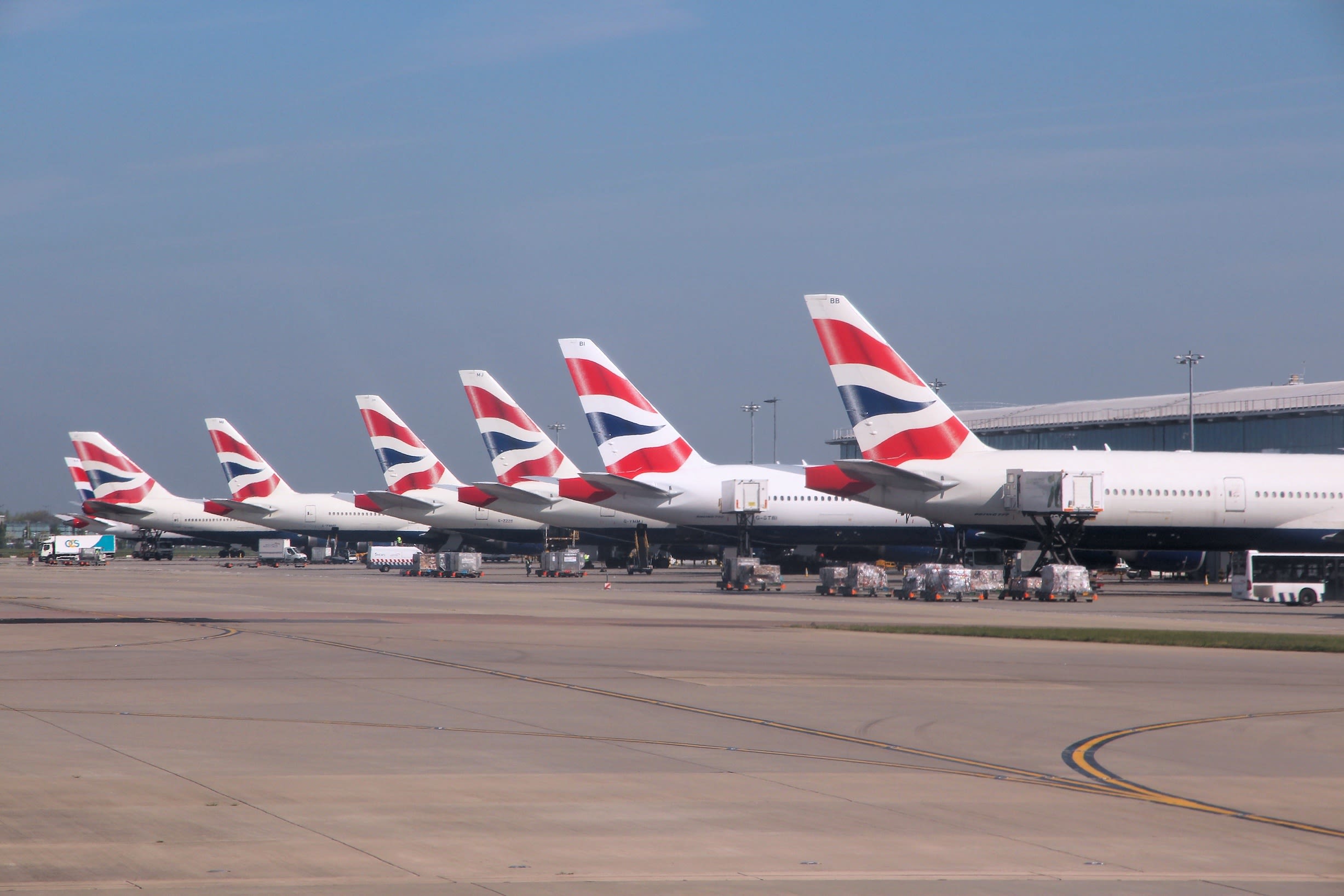
British Airways’ parent company IAG made headlines this week with the claim that the UK’s fondness for working from home is denting business travel demand.
According to its latest figures, BA’s corporate booking volumes are running at just 63 per cent of pre-Covid levels - and, apparently, we’ve got hybrid working to thank for it.
I’m not so sure.
Let’s be honest: blaming working from home for sluggish business travel feels a bit like blaming the weather for poor sales. Convenient, perhaps, but not necessarily rooted in reality.
Follow the data
If remote work were really the culprit, we’d expect to hear similar reports from airlines and hotel groups across Europe, North America, and Asia - all regions where flexible work has taken hold. Yet no such chorus has emerged. On the contrary, some travel suppliers say they’re seeing more travel from remote or hybrid organisations, as dispersed teams make a point of coming together in person for collaboration, client meetings, and company culture-building.
In many cases, the shift to hybrid working hasn’t eliminated business travel, it’s simply changed why people travel. The 12 hour round-trip for a single meeting may be (almost) gone, but the multi-day offsite or regional team get-together is very much alive. People are increasingly focused on “purposeful travel”; that's making every trip count, not cancelling them outright.
It's the economy, stupid
If there’s a real reason BA’s business travel bookings are lagging, it’s more likely to be found in economics than ergonomics. Airfares have soared over the past two years, especially in premium cabins. When even frequent corporate flyers are wincing at long-haul business class prices, you can’t pin that on someone’s home office setup.
Add to that the relentless pressure on budgets, sustainability commitments, and a changing perception of what constitutes “essential” travel, and you begin to see a more complex, and frankly more plausible, picture.
Is hybrid helping travel?
Here’s the irony: for many people, working remotely increases their need to travel. The office used to be the default meeting point; now, businesses are bringing their teams together intentionally; for quarterly strategy sessions, offsites, client summits, and incentive programmes. These gatherings require flights, hotels, venues, and all the logistical expertise that corporate event planners specialise in.
If anything, hybrid work is helping redefine business travel into something more meaningful, more people-focused, and - potentially - more valuable.
A convenient scapegoat?
So, while BA’s numbers might be down, it feels too simplistic to point the finger at flexible work. The reality is a blend of factors: higher fares, altered travel patterns, sustainability pressures, and perhaps some brand and loyalty issues closer to home.
Working from home isn’t the villain of the piece; it might even be part of the solution. After all, when teams no longer see each other daily, those in-person connections we do make - at conferences, meetings, and company events - matter more than ever.
If anything, hybrid work is helping redefine business travel into something more meaningful, more people-focused, and - potentially - more valuable.