
The Traitors lesson: why small format tweaks make a big impact
As The Traitors returns with a subtle but effective format change, it highlights a familiar challenge for event planners: how to keep proven events feeling fresh, engaging and relevant without losing what made them work in the first place.
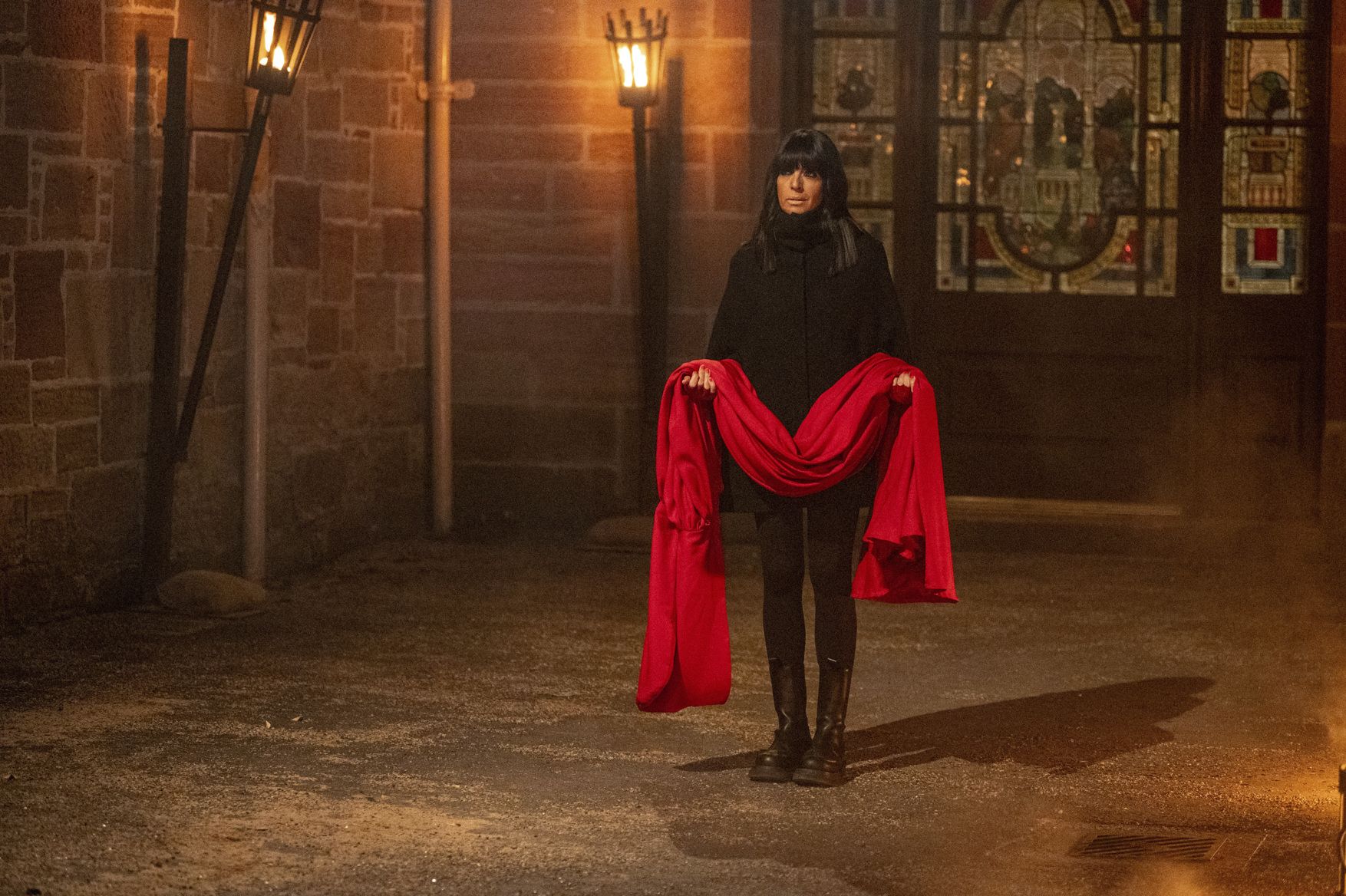

Happy New Year – and more importantly – happy new Traitors.
2025 was the year Claudia Winkleman’s murderous game show truly gripped the nation, thanks in no small part to its all-conquering celebrity edition, where a flustered, sweating Alan Carr bumbled his way to victory (and, somehow, national treasure status).
Now the “normal” version is back for a fourth series, ready to dominate the national conversation once again as 22 strangers head to the Scottish Highlands to engage in the ultimate game of deception, paranoia and revenge.
I’ll level with you: I consider myself something of a Traitors superfan. I’ve watched every version I can legally get my hands on, with the US, Australian and New Zealand editions all putting their own spin on what is, quite simply, one of the best TV formats of recent years. The mechanics are elegant, the psychology is fascinating, and it makes utterly compulsive television.
So when I sat down to watch the new UK series on New Year’s Day, I’ll admit I was slightly nervous. The producers had decided to play with the format by introducing a Secret Traitor - someone even the viewers don’t know about. That’s a risky move. One of the great pleasures of The Traitors is being omniscient: knowing who’s lying, who’s panicking, and who’s spectacularly wrong. Mess with that, and you risk breaking the spell.
Three episodes in, though, my concerns have proved unfounded. We’re on the brink of discovering who the Secret Traitor is (for the record, my money’s on Harriet), which should restore the familiar balance. More importantly, this wasn’t a gimmick - it was a smart piece of format engineering.
After watching a frankly unhealthy number of series, one structural issue becomes clear: the early stages can drag. There are lots of players, very little evidence, and banishing a Traitor rarely feels like progress because another simply takes their place. For everyone involved, those first few episodes are often about reducing numbers rather than revealing character. The real drama usually comes later, once the group thins and personalities start to clash.
The Secret Traitor neatly solves that problem. It’s made the opening episodes genuinely gripping, injecting tension and uncertainty from the very start and giving viewers something to lean into straight away. The result? Edge-of-the-seat telly from day one.

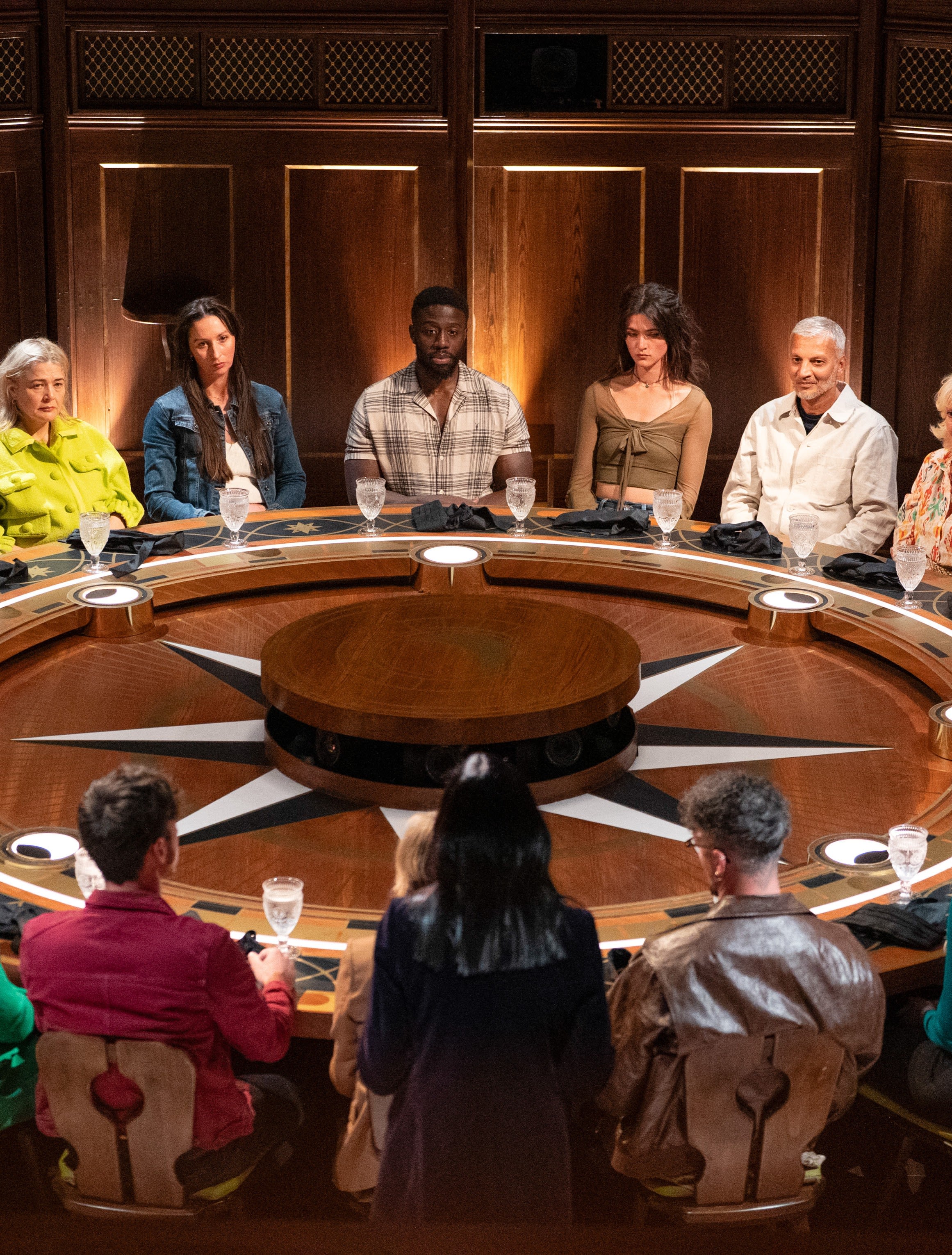
Image: BBC
Image: BBC

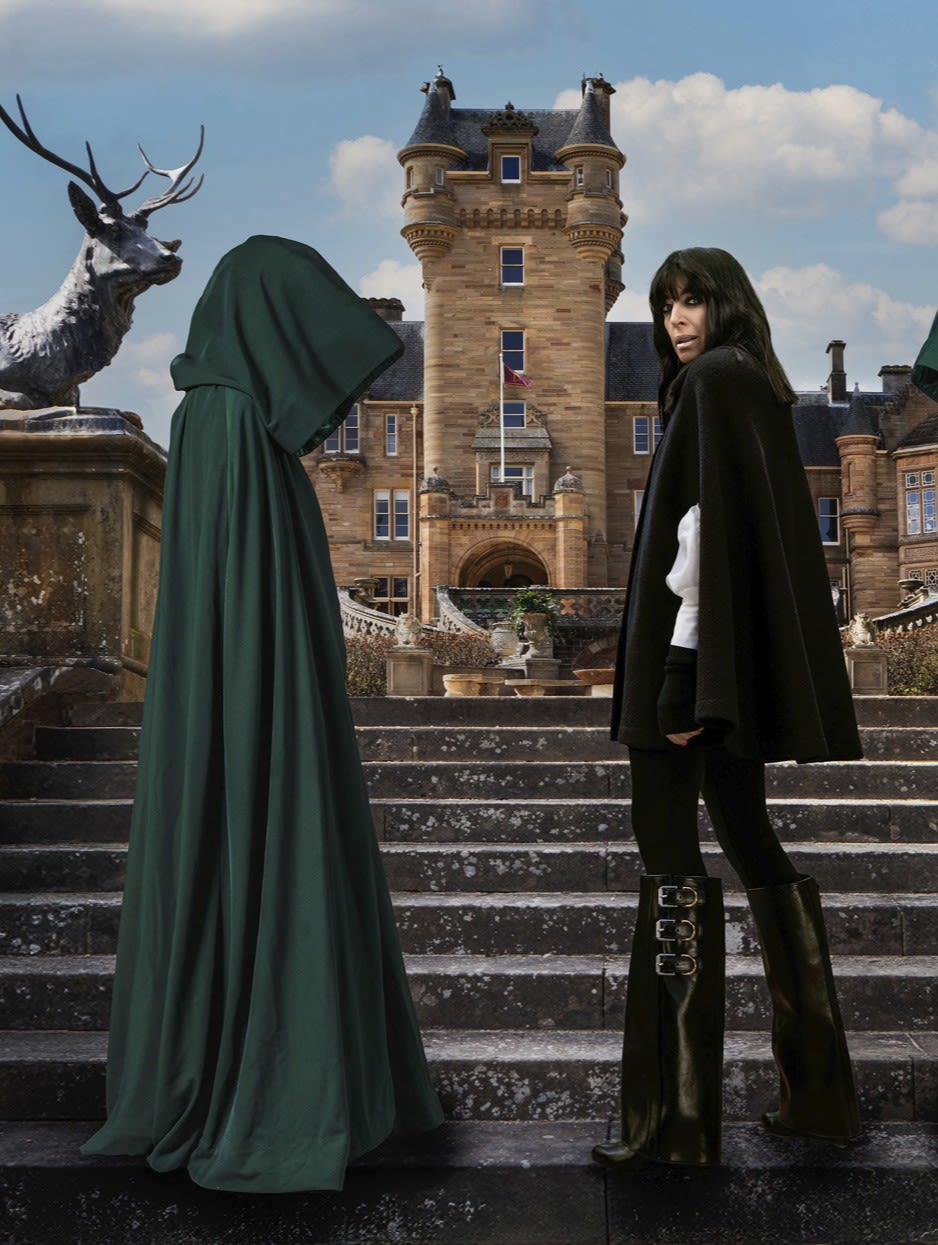
Image: BBC
Image: BBC
So what does any of this have to do with event professionals?
Well, The Traitors is a proven format – just like many of the conferences, trade shows, awards and annual gatherings we all work on year after year. There’s comfort (and safety) in repetition, and often that’s absolutely fine. But when something starts to feel flat, or when the early part of an event doesn’t quite land, the answer isn’t always a wholesale reinvention.
Sometimes, it’s a small, deliberate tweak.
A change to the running order. A new way of opening. A different lens on familiar content.
That little piece of “secret sauce” that breathes new life into the experience and gets people engaged sooner, harder and more emotionally.
The Traitors didn’t need fixing - but one smart adjustment made it better. It’s a useful reminder that even the strongest formats benefit from occasional, thoughtful experimentation.
Now, if you’ll excuse me, I’ve got some theories to test before the next murder...