THE BLEISURE BOOM
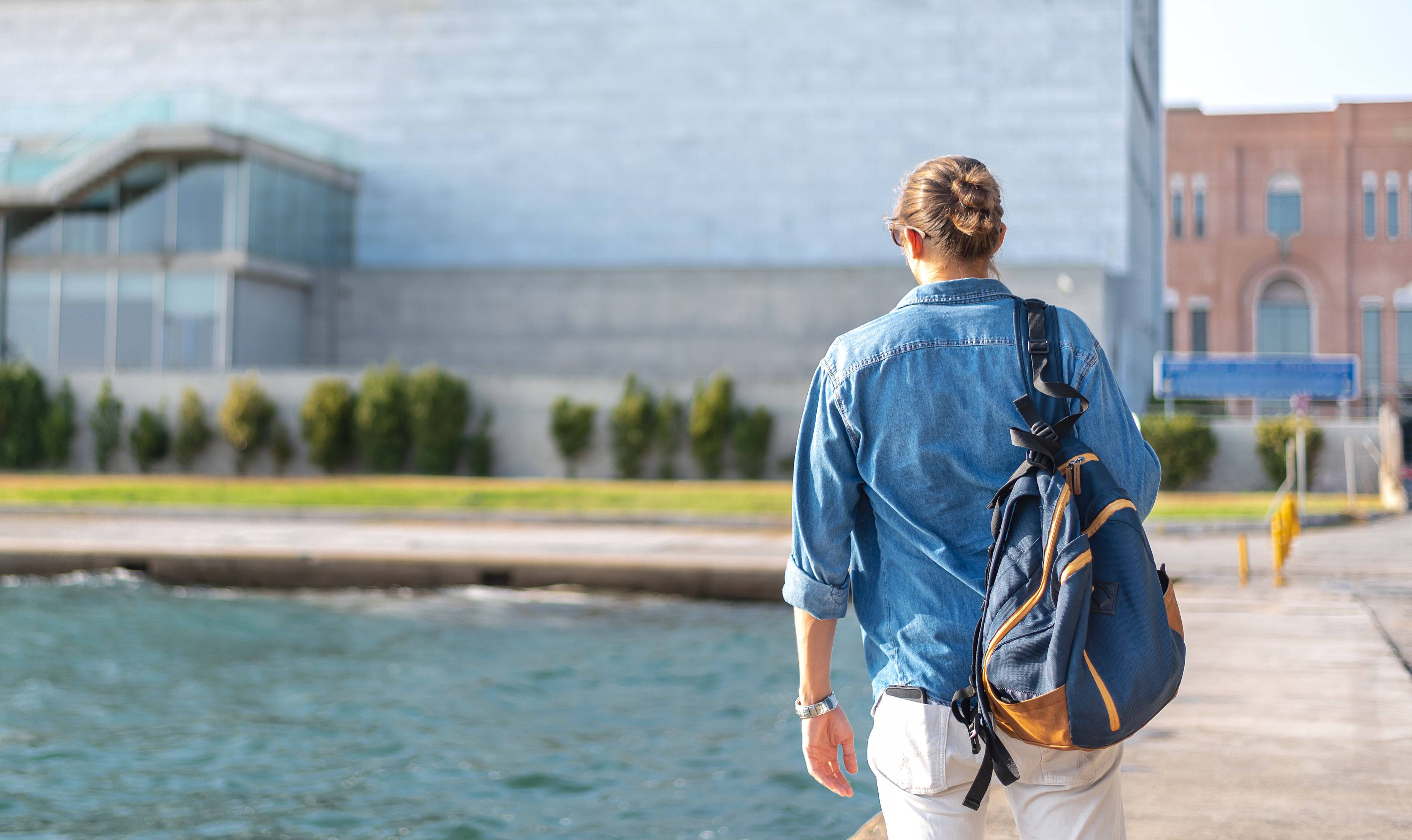
With three in four UK SMEs now extending business trips for leisure, we're undoubtedly in the era of bleisure. And as work and wellbeing increasingly go hand in hand, what could this cultural shift mean for event organisers, destinations and delegates alike?
Story: Paul Harvey

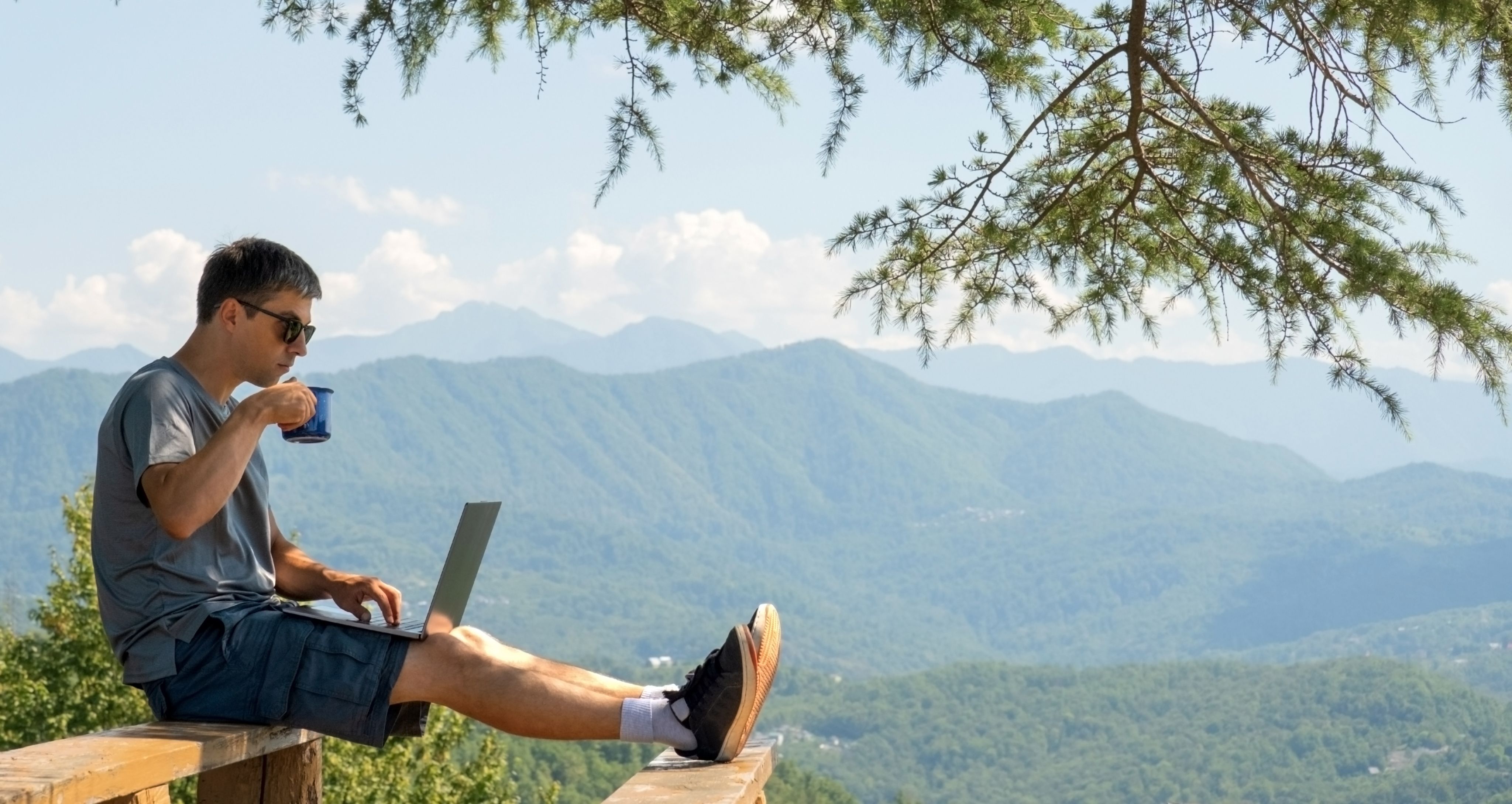
It's official: the lines between business and leisure are blurring faster than ever.
New research from Travel Counsellors for Business reveals that a remarkable three in four UK SMEs (76 per cent) now extend business trips for leisure time - up from less than half just a year ago. It’s a sharp rise that tells us something significant: the mindset around corporate travel, and by extension business events, is changing.

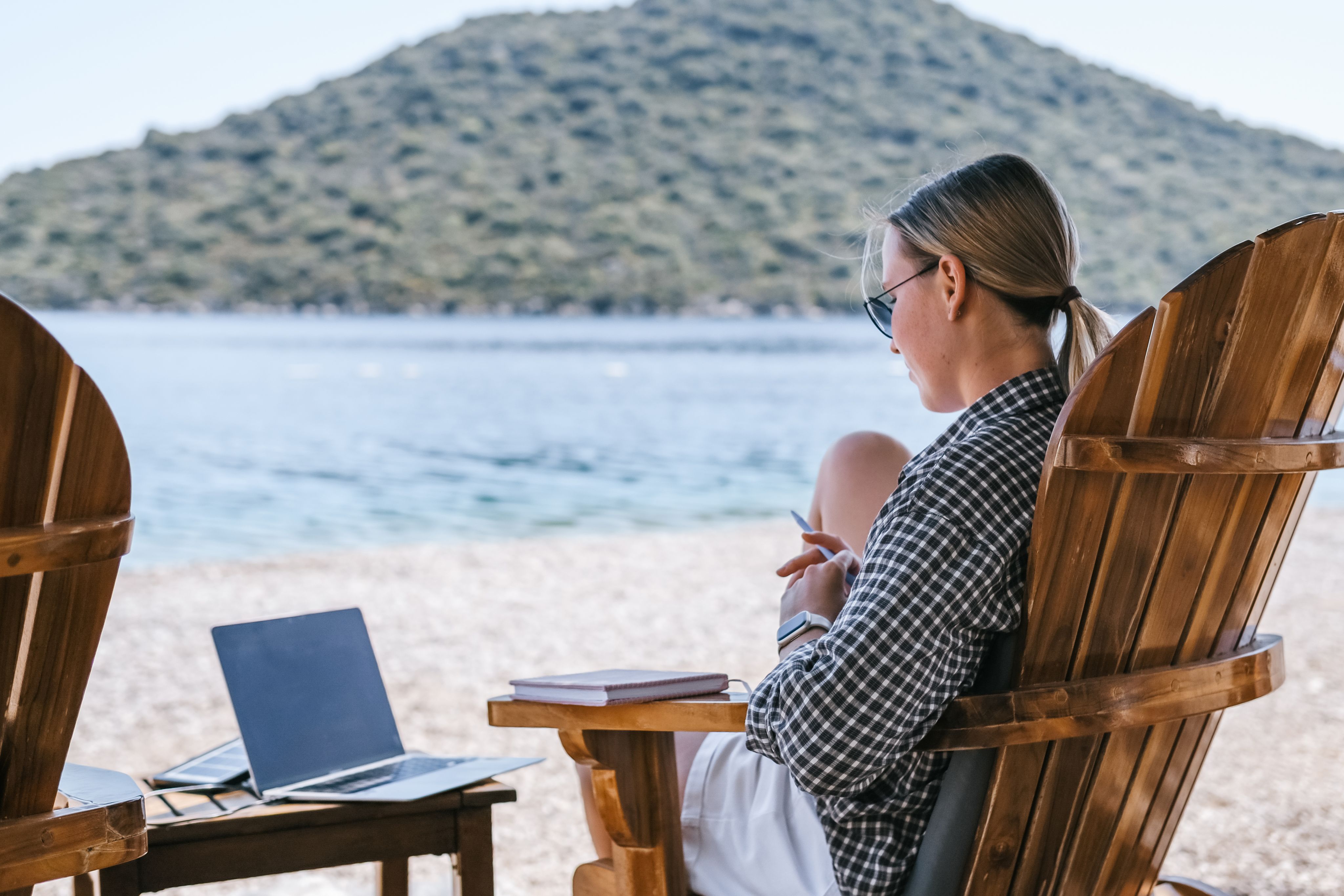
The numbers are striking. More than half of SME travellers (57 per cent) now extend by a day or two, while nearly a third take up to four extra days. Even more telling is that 58 per cent would bring a partner or family member along, a big jump from 42 per cent in 2024.
This isn’t just about tagging on a quick city break. It’s about people reclaiming balance and businesses recognising that wellbeing and productivity are two sides of the same coin.
Travel Counsellors’ director Melanie Quinn sums it up neatly: “Travelling for work is no longer just about productivity and profit - it’s also about people.”
For event organisers, this evolving attitude potentially has big implications.

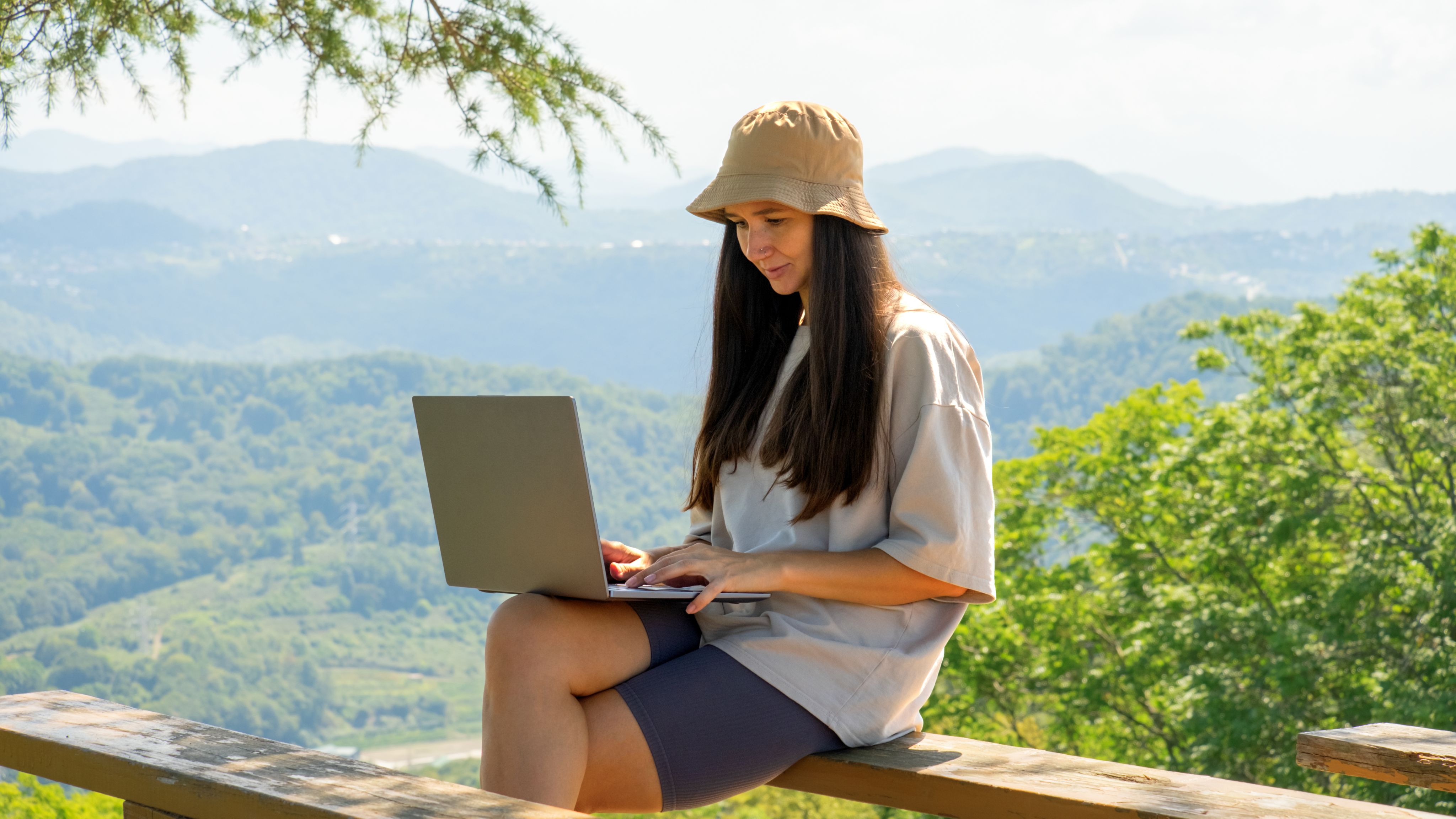
1. Destination appeal matters
If delegates are now thinking about how to make a work trip worth extending, the destination itself becomes part of the value proposition.
It’s not just about convenient transport links or hotel capacity - it’s about what else is on offer once the meetings wrap up. Can attendees easily explore the city, access cultural experiences, or bring family along for a few extra days?
For hotels, this opens the door to marketing themselves as both event-friendly and leisure-worthy. We're already seeing properties offering curated itineraries, local partnerships, and post-event packages that make extending a stay feel like a natural choice – expect more of this.
2. Wellbeing and sustainability are front and centre
The research also highlights that SMEs are reducing indirect flights (20 per cent) and minimising travel outside working hours (18 per cent), reinforcing the broader trend toward more sustainable and humane business travel.
This is where the event industry can lead. By embedding wellbeing and sustainability into the delegate experience - from slow travel options to restorative programming - organisers can align with what delegates increasingly want.
3. Opportunity for experiential
With 96 per cent of SME travellers saying they enjoy business travel, it’s pretty clear there’s an appetite for more experiential, people-focused events. This is great news for organisers who specialise in crafting experiences that blend learning, networking, and lifestyle.
Bleisure doesn’t dilute the business purpose - it enhances it. Delegates who feel their personal needs are recognised are likely to be more engaged, more loyal, and more positive brand advocates.

The bottom line
It’s increasingly clear that the bleisure boom isn’t a passing phase, it’s part of a broader cultural shift in how we view work and wellbeing. For event organisers, it’s both a challenge and an opportunity.
Those who can reimagine delegate experiences to embrace this balance will see real results, whether it be with clients or internal teams. Because in the ever-changing world of travel, right now it’s not just about where we go - it’s about how we feel when we get there.