The end of X? What the platform’s unravelling means for event professionals
From AI abuse scandals to collapsing trust, Elon Musk’s X is no longer just “controversial” - it may be fundamentally broken. And that matters for meetings, events and destination marketers, says Paul Harvey.

Now, it really does feel like the end.
With the outcry over the use of the Grok AI tool to manipulate images of women and children by removing their clothes, the demise of Elon Musk’s X as a credible social media platform feels complete.
As Gleanin CEO Tamar Beck put it on LinkedIn: “If turning real kids' photos into child sexual abuse imagery isn't the final death knell, what the hell is?”
X still boasts plenty of users, of course - but it is an utterly changed place now. And that matters more than many in our industry might realise.

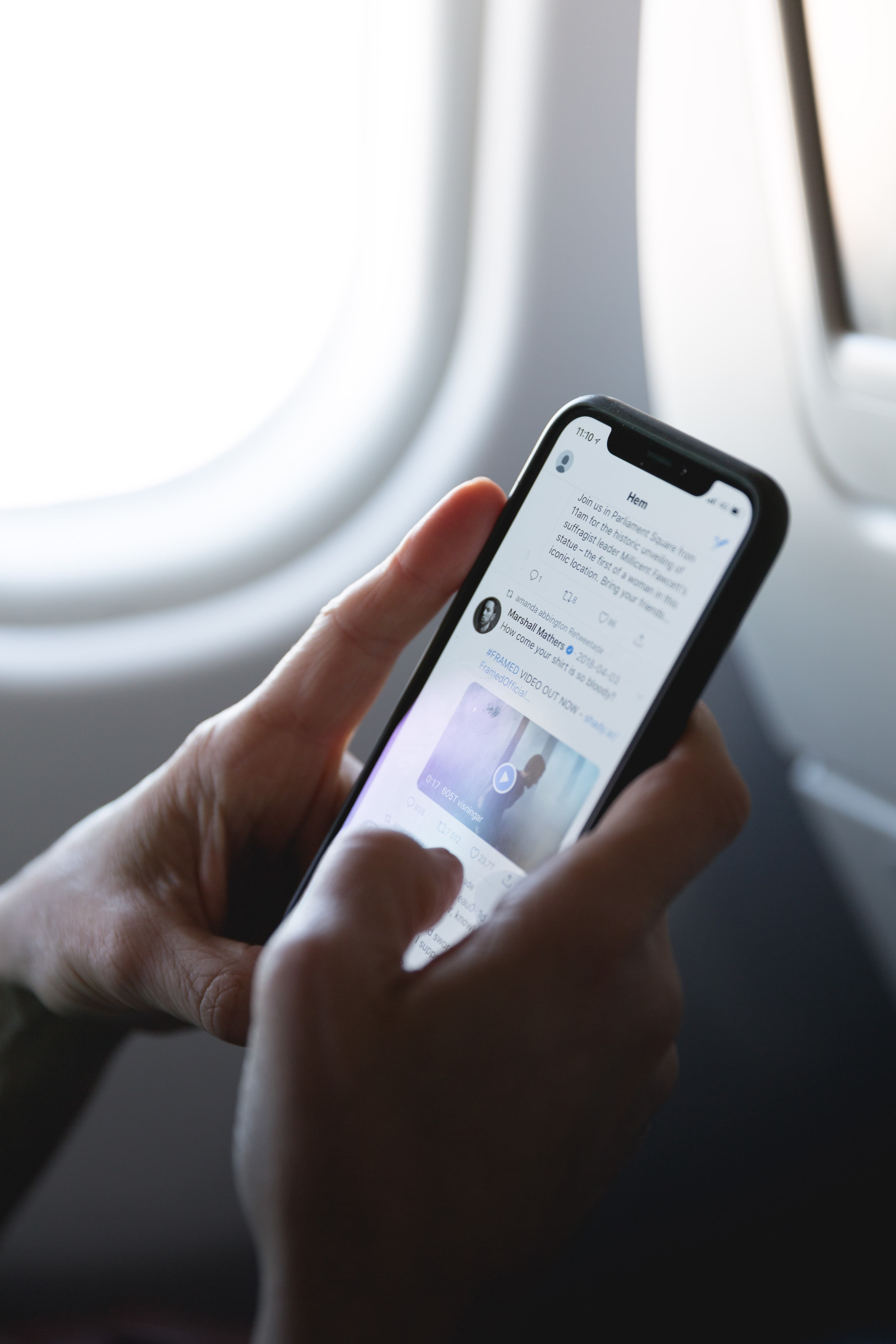
Photo by Marten Bjork on Unsplash
Photo by Marten Bjork on Unsplash
Long before Elon Musk’s takeover, when it was still simply Twitter, the platform felt essential. It was where conversations happened in real time. It was where you went to be seen, heard, and - crucially - informed.
As a journalist, Twitter was unmatched. If a story was breaking, Twitter would surface it first. Not only was it a place for news gathering, it was a place for news creation.
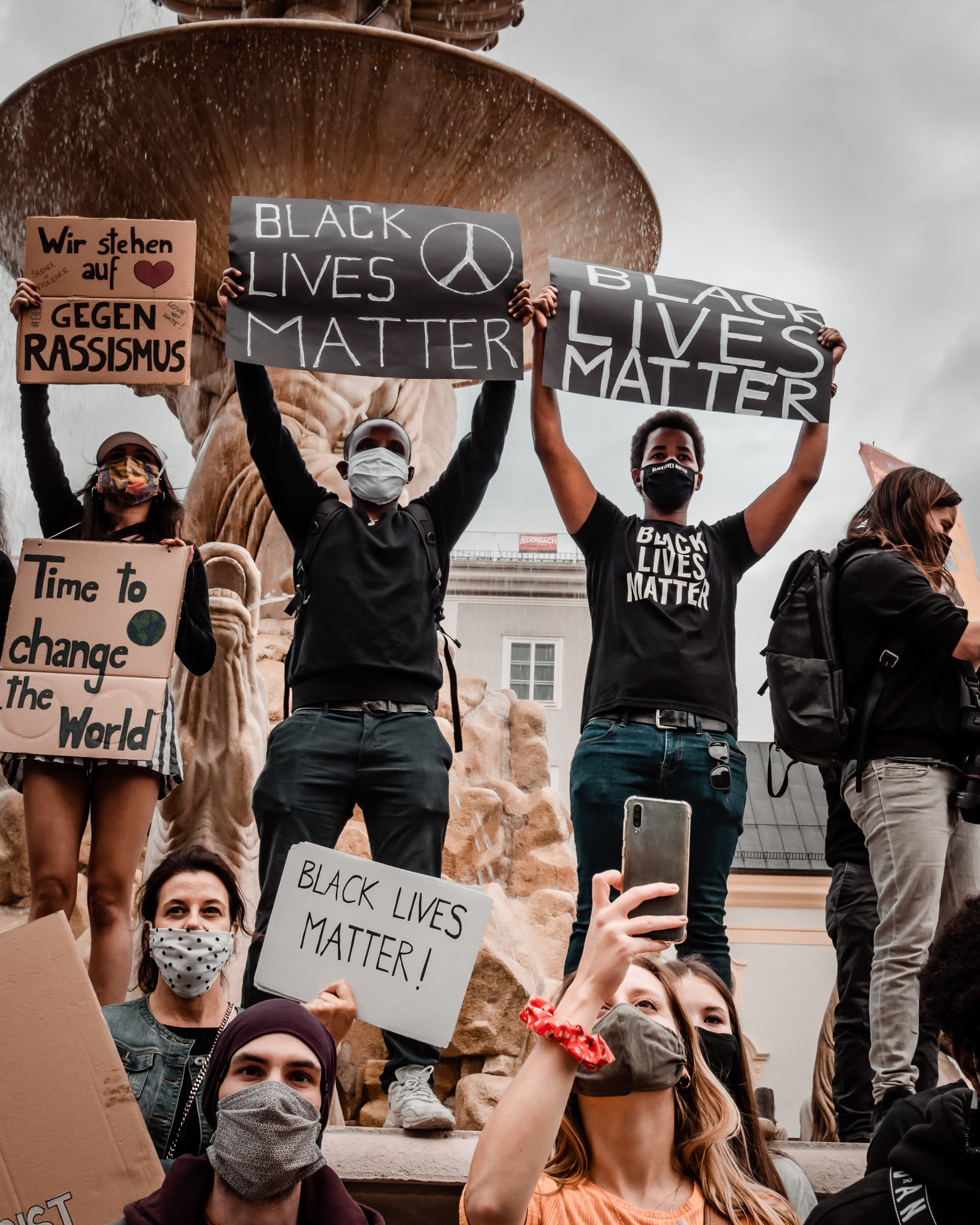
Think of Black Lives Matter. Think of #MeToo. Global protest movements that reshaped politics, business and culture didn’t just use Twitter, they were built there. The platform didn’t merely reflect conversation; it amplified it, accelerated it and, at times, changed the course of events.
Donald Trump’s rise is also inseparable from Twitter. Whatever your view of his politics, the platform was perfectly suited to his communication style - immediate, provocative, unfiltered. Twitter gave him reach, relevance and power in a way no traditional media channel could.
At its height, Twitter was one of the most powerful communications tools the world has ever seen.

So what does all this have to do with event planners and event professionals? Quite a lot, actually.
For years, Twitter played a quiet but important role in the events ecosystem. It was where:
- Industry news broke
- Speakers were discovered
- Crises were managed in real time
- Live events extended their reach far beyond the room
- Communities formed organically around hashtags, not algorithms
It was a genuinely open platform. You didn’t need a massive budget, polished video content or paid promotion to be part of the conversation. A smart insight, a sharp observation or a timely update could travel far on its own merit.
That environment is now gone.
X is no longer a trusted space for open conversation, nor a safe environment for brands, professionals or audiences. And that has consequences for an industry built on connection, trust and shared experience.

Events thrive on immediacy. Think live reaction and shared moments. Twitter once mirrored the energy of events themselves - fast-moving, responsive, communal.
Its decline leaves a gap that hasn’t been properly filled.
LinkedIn is excellent for professional storytelling and thought leadership, but it’s slower, more curated and far less spontaneous. Instagram and TikTok prioritise visuals over dialogue. WhatsApp and Slack fragment conversation into private spaces.
What’s been lost is a single, public, real-time pulse - a place where the industry could collectively react, debate and evolve in the moment.
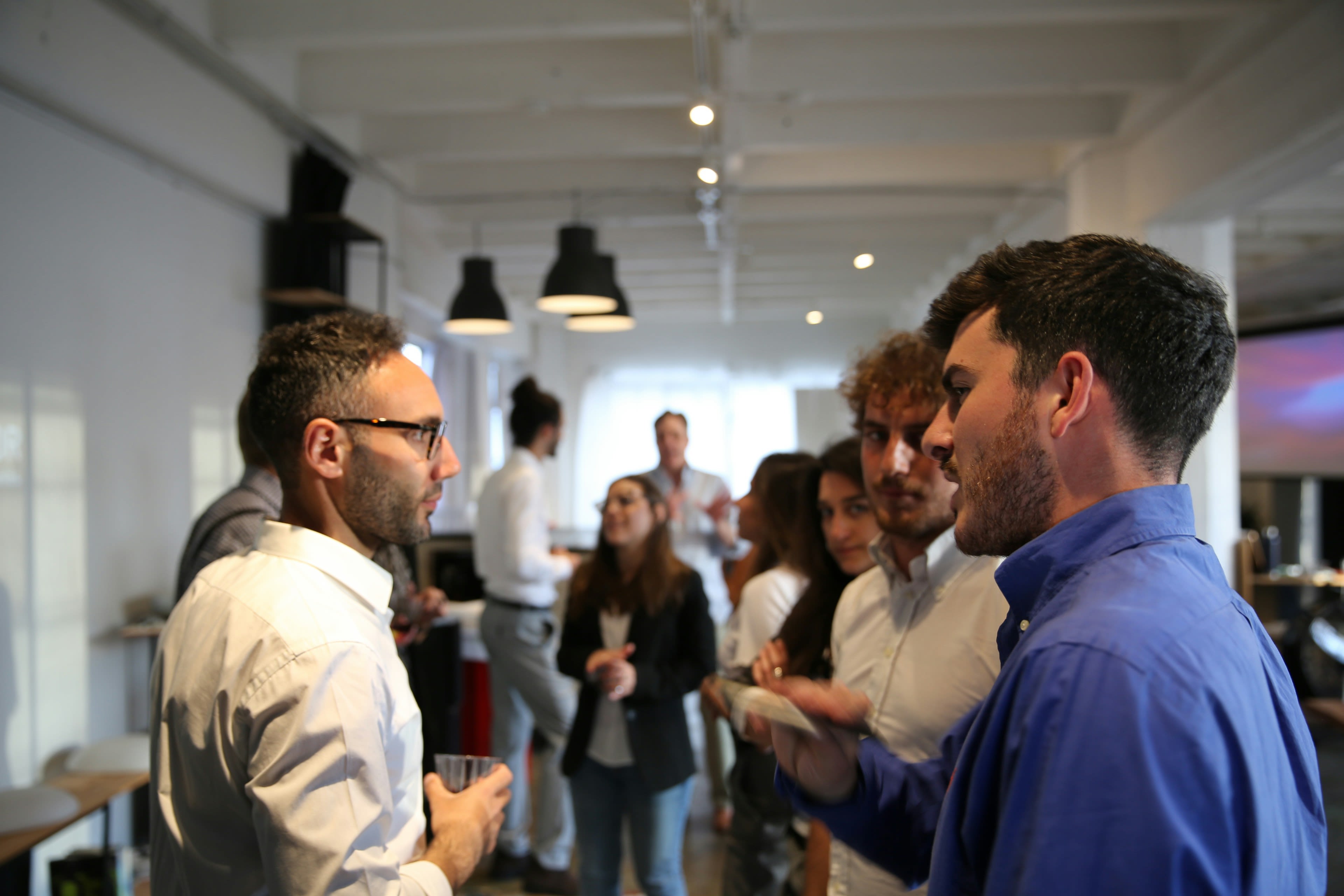
The fact that the world’s richest man bought Twitter and then proceeded to drive many of its users away feels baffling - unless, of course, it wasn’t accidental.
At its peak, Twitter was a threat. It had the power to mobilise people, shape narratives and challenge authority. It could launch protest movements. It could build - and dismantle - reputations and political careers.
You can see why someone would want to own that power. You can also see why someone would want to neutralise it.
Need for connection
The demise of Twitter/X is a reminder of something the events industry understands instinctively: platforms are not neutral, and they are never guaranteed.
Relying too heavily on any single channel, whether for marketing, community-building or live engagement, is risky. Algorithms, ownership, values... they all change.
Twitter may be fading, but the need for connection, especially in our industry, has never been stronger.
The challenge now is finding new spaces that recreate genuine dialogue in a fragmented digital world.