
"I want to have a really big impact on the city"
As Lori Hoinkes completes her first 12 months at the helm of Manchester Central, Paul Harvey catches up with her to find out her plans for the venue - and the wider city...
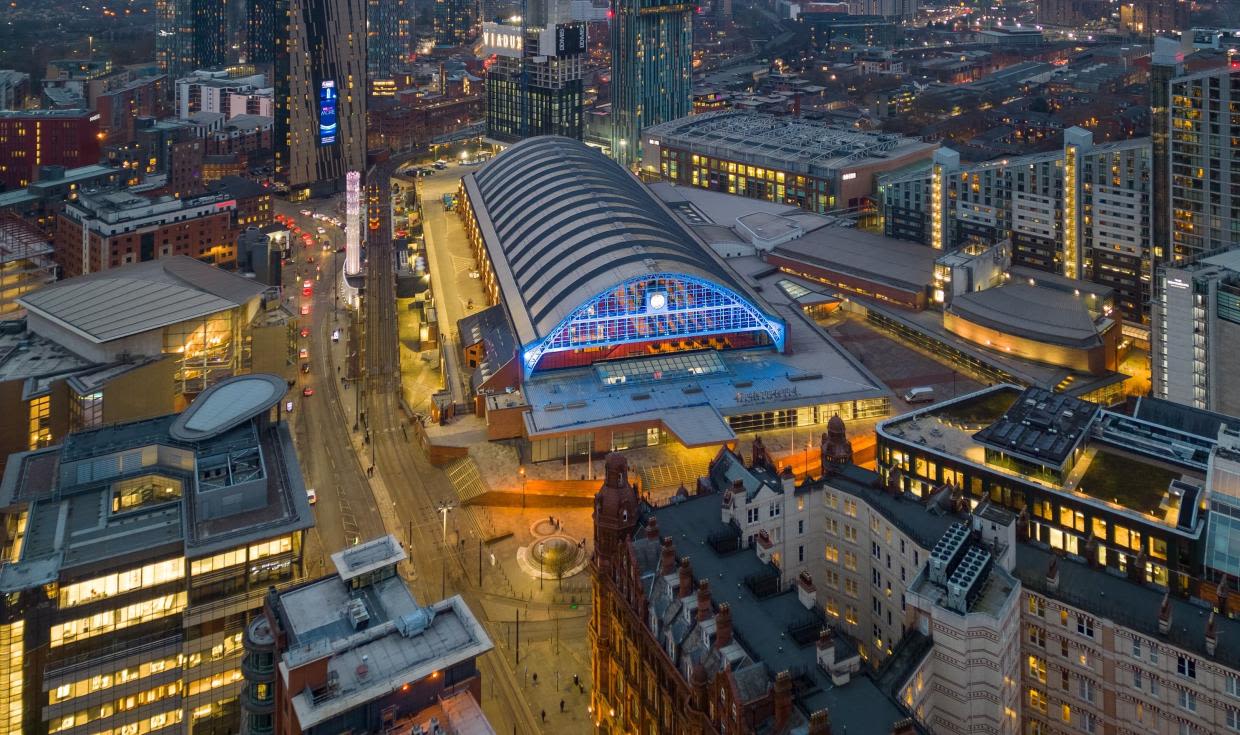

Manchester Central is having a good 12 months. The venue saw its busiest month ever in November 2024, and is forecast to welcome nearly half a million people through its doors in 2025, contributing £130 million into the city-region.
It's a flying start for CEO Lori Hoinkes, who took the helm at the venue in May 2024.
I caught up with her to find out how she plans to make the most of the city's booming economy, thriving cultural scene and engaged business community...

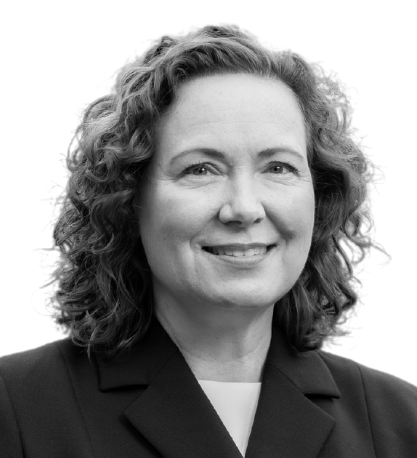
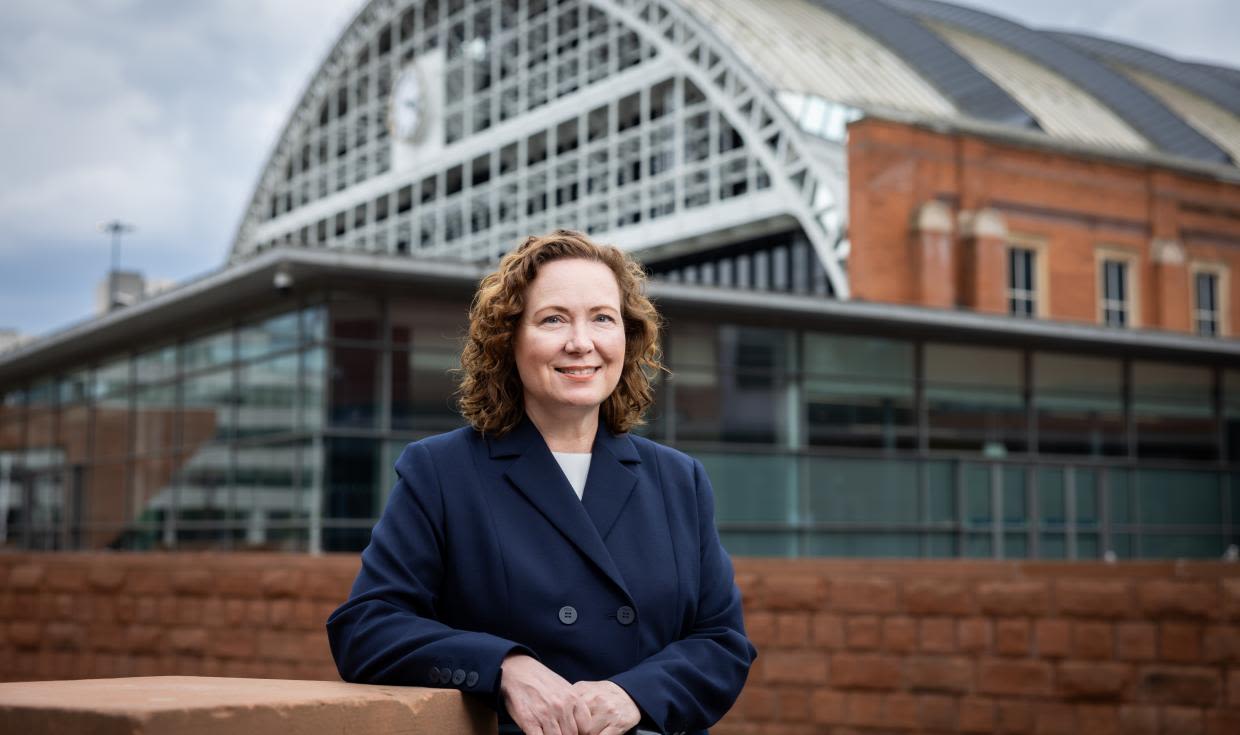
Lori Hoinkes, CEO, Manchester Central
Lori Hoinkes, CEO, Manchester Central
PH: There's always so much happening in Manchester - is it an exciting time for the venue as well?
LH: We've been really fortunate, the demand to get back together post-Covid has been really great and we very quickly got back up to our pre-Covid numbers. We're now year-on-year hitting records in terms of the number of events, the number of people through the door, the impact that we're having. It's been a really exciting time to be involved in planning the future.

PH: What does the future involve? What plans have you got?
LH: If you think about delivering value for your shareholders, value to the city is not just profit. They didn't invest in the convention centre thinking it was a get rich quick scheme. It was for a lot of other reasons too and the value that it can deliver to Manchester. We look at things from the economic impact, the social impact, and the environmental impact.
Obviously we have some targets in terms of profit, but we're also looking much more holistically. We need to make sure the events that we host at Manchester Central are really delivering the maximum return for Manchester; that they’re supporting the right industries, playing to our industry strengths, and really helping the whole ecosystem of the city.
We're really focusing on how to provide that kind of support to our organisers. How do we help them grow their event, either in terms of the audience that they're attracting, in terms of the reach that they have? Is there a legacy that they want to leave with their events? Increasingly organisers want to see that there's some sort of social outcome to bringing all these people together.
We're working really collaboratively with the City Council and Marketing Manchester, making sure that we've got a really good idea of where there's opportunities to signpost our organisers to be able to deliver on their aspirations or goals around social impact.

"One of my favourite things is when I walk into the venue and go ‘Wow, I didn't expect to see that today!’
Lori Hoinkes



PH: So Manchester is a place of great collaboration at the moment?
LH: I think that's one of the things that I've been most pleasantly surprised about in the city.
In a previous role, I had the opportunity to work with so many different venues, both here in the UK and abroad, and I haven't seen another destination where you really can whip around the the city and make sure that you've got all the right stakeholders involved from academia and local government, to the hoteliers and associations, to inward investment and the convention bureau. It’s really collaborative in a way that I've not experienced before. I think it’s really powerful and a real benefit for Manchester.
PH: Is it true that you’re looking to create a South by Southwest equivalent for the creative industries in Manchester?
LH: It's early days, but I do fancy creating something that's uniquely Manchester, to celebrate the city's creativity and innovation in a way that feels really authentic and right. We've got that perfect catalyst in the way that we collaborate as a city. I think there's a real opportunity, so I'm spending some time this year going around and looking at other cities that have similar types of of events that might provide some inspiration.
It's finding the right format, the right concept and the right idea and timing. It isn't about Manchester Central, it really would be something for Manchester because we've got some really amazing venues. We’d be looking at things like the Aviva Studios and saying what could you do in that space? We've got the Bridgewater Hall across the road from us, which is an amazing space as well.
I'd be looking to create something that's more of a takeover of the whole city, a campus approach to delivering an experience. Something more ambitious than just staying in the four walls of of our venue. By Mancunians, for mankind.
It's early days though, we're just starting to look at all the dots out there and how they could connect.
PH: What's the main driver of business at the moment?
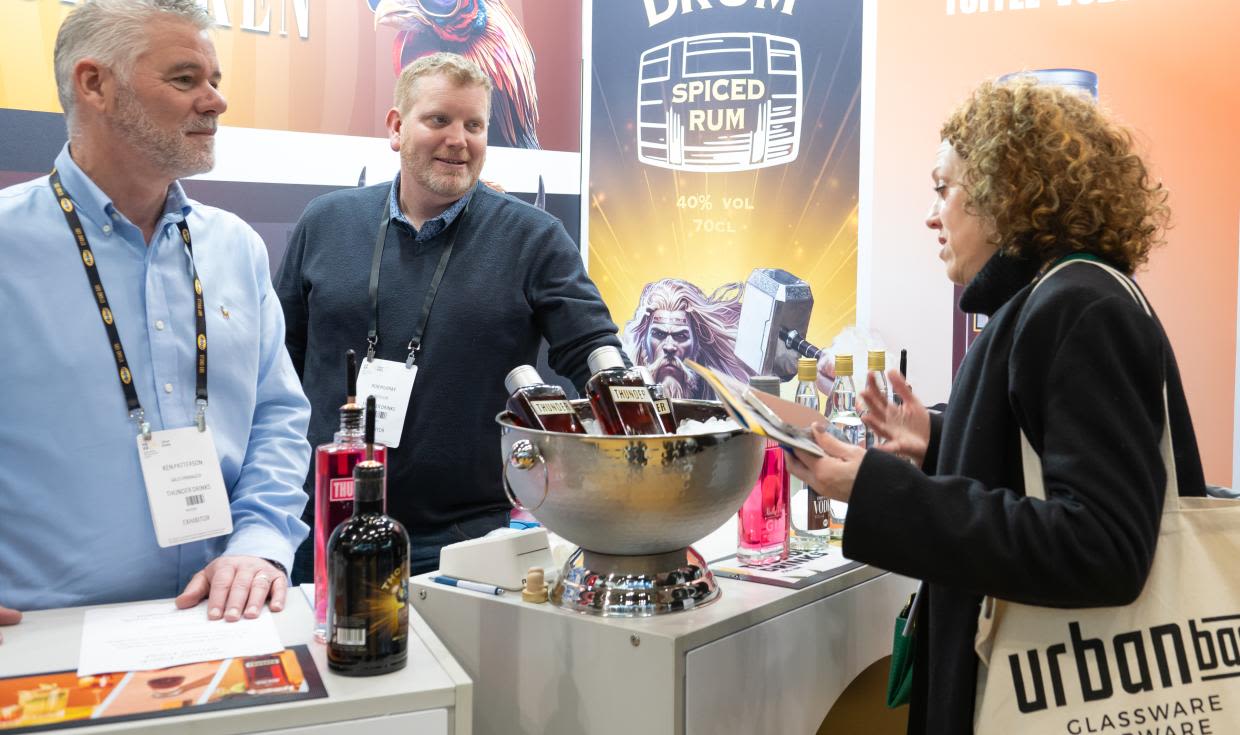
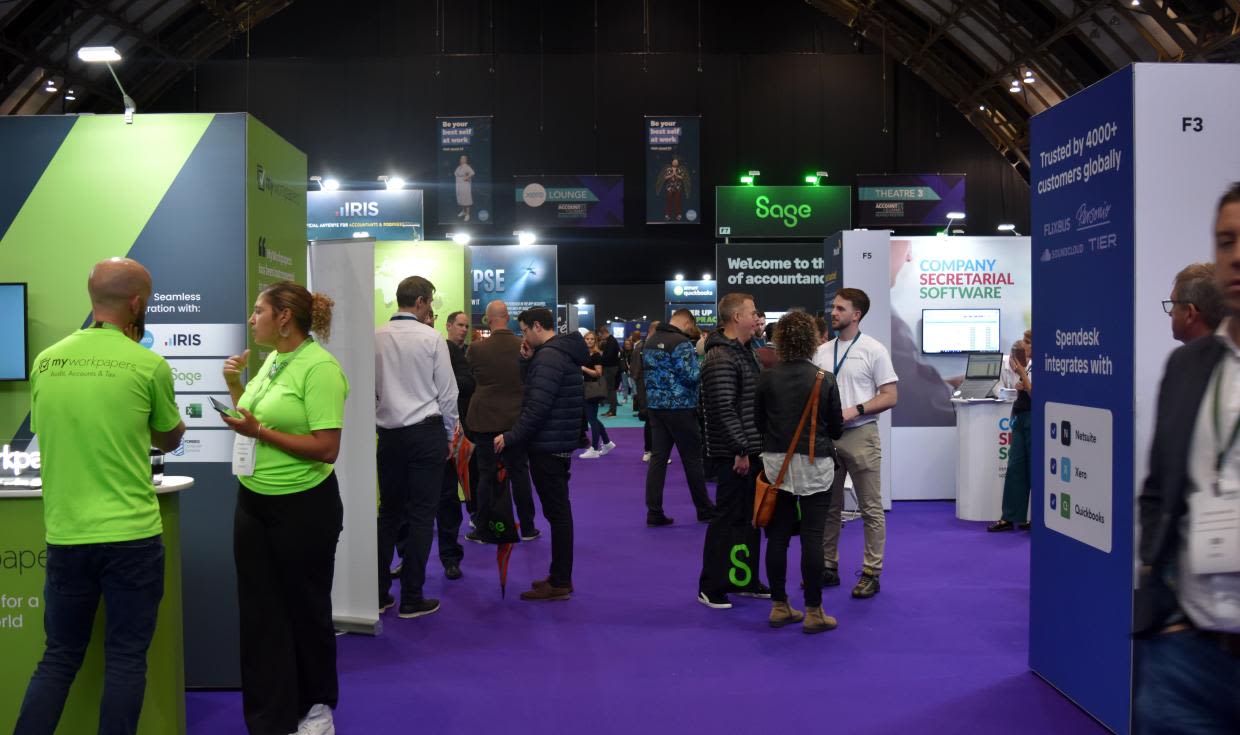
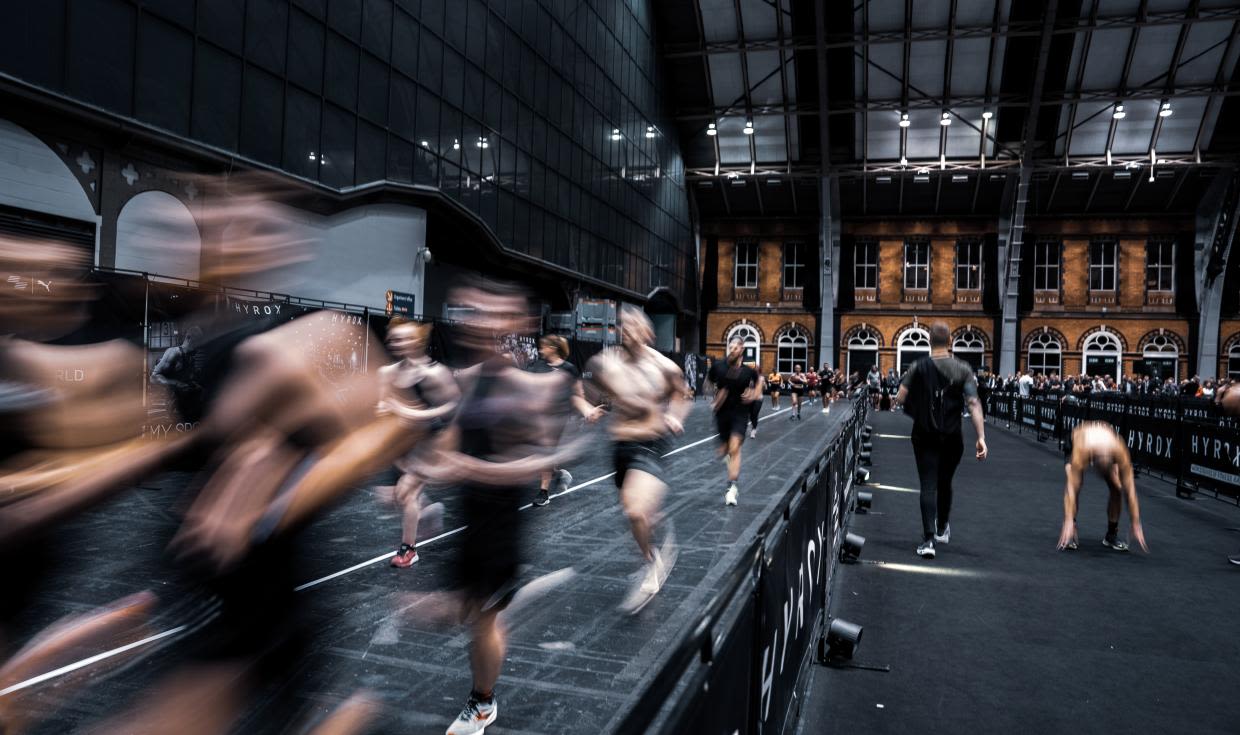
LH: We've got a really eclectic mix of events that make up our portfolio. Coming from the exhibition side, that was my whole world, but it really only represents 24 per cent of our events. We've also got a large number of association related events, lots of conferences, lots of corporate events and then unique special events as well. It could be filming a TV series or commercials or publicity stunts, to sporting events like the World Snooker Championships.
One of my favourite things is when I go walking into the venue and it’s like, ‘Wow, what's set up here, a big ramp and some guys on a BMX bike jumping over a double decker bus for Red Bull? I didn't expect to see that today!’. Literally no two days are the same.
We actually get so many more inquiries than we're able to service, so I’m really keen that if we've got that much opportunity that it stays in Manchester if at all possible. One of the things I've also done is put a call out to all the major venues in the area and said, we’ve got to work really closely here because if we have to say no to something I'd rather say, ‘have you thought of the AO Arena? Have you thought of Aviva Studios? Have you thought about Victoria Baths?’. If we really understand all the other options that are out there in the city we can make really informed recommendations when we're investigating these inquiries.
We’re getting together with a bunch of teams from the other major venues in the city and just starting that conversation, getting to know each other a little bit better, not just the commercial people, but also the ops people and the marketing people to really make sure that we're sharing, supporting, thinking of each other.

PH: You're from Canada originally - how did you end up in the UK events industry?
LH: It's always sort of random how these things happen, especially in this industry. People fall into it in weird ways. I knew I loved the UK from when I worked in the food industry for the UK division of a Canadian company and I wanted to come back to the UK and reinvent myself. I started working in economic development for the Greater London Authority.
While I was doing that, I met someone who was on the board of Montgomery Group, which is an exhibition organiser. They were looking for a new MD, somebody to help them with their food, drink and hospitality events, and from there I went on to look after growth for all of Montgomery Group and its six divisions around the world.
Then I was looking for a new challenge and I really fancied a venue because I've run big facilities and I've been doing live events. Running a venue is kind of putting those two things together - and it feels like a really great challenge.
The soul of Manchester is very similar to Toronto, where I'm from. Toronto is a post-industrial city that has a bit of a chip on its shoulder and a bit of energy about it, it reminds me of Manchester. I love Manchester, so I thought, well, I'd love this job. So I put in for the the role. I knew I'd be an outlier candidate, but just gave it all I had and was really excited to to get chosen to run the venue.
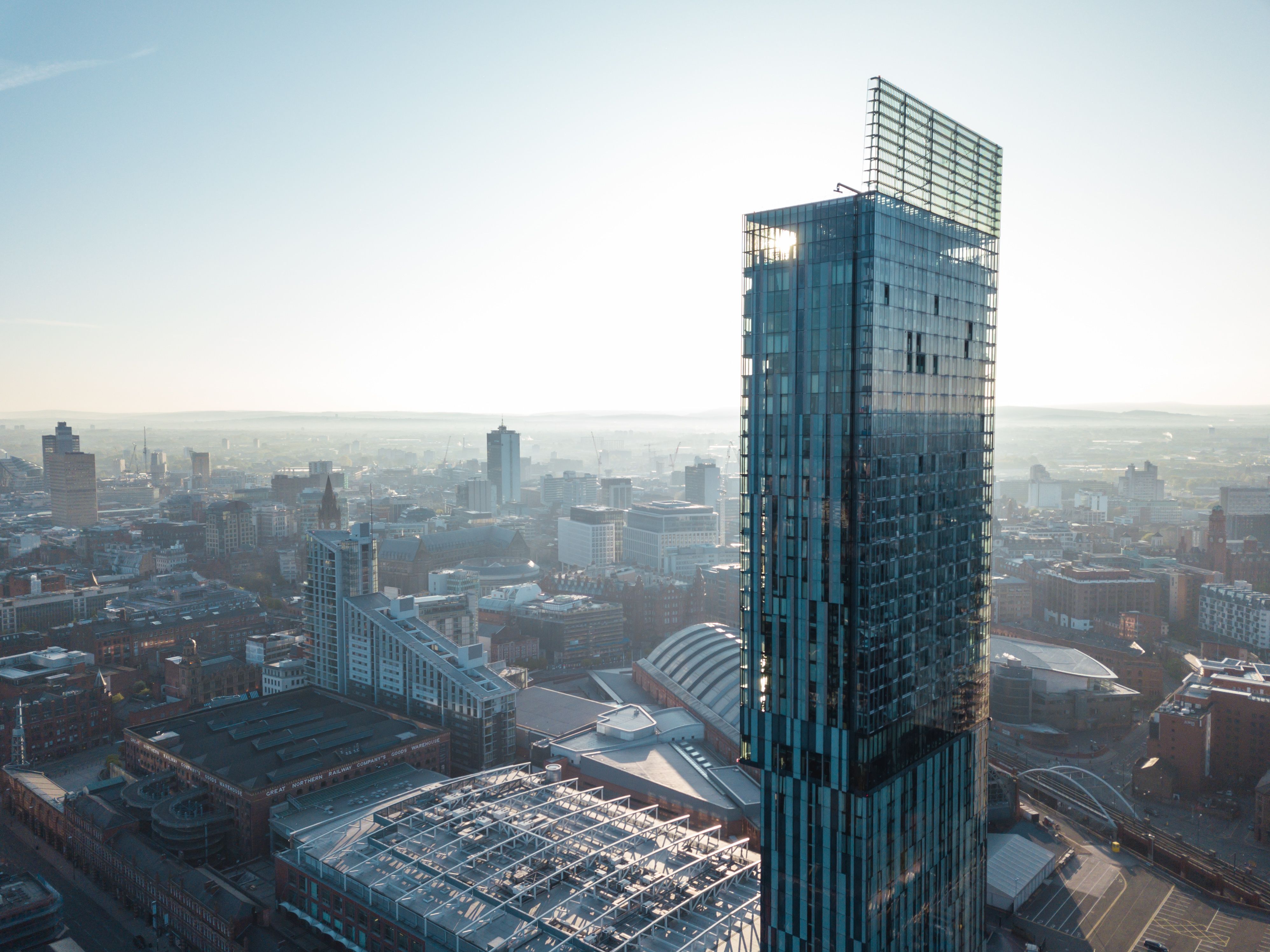
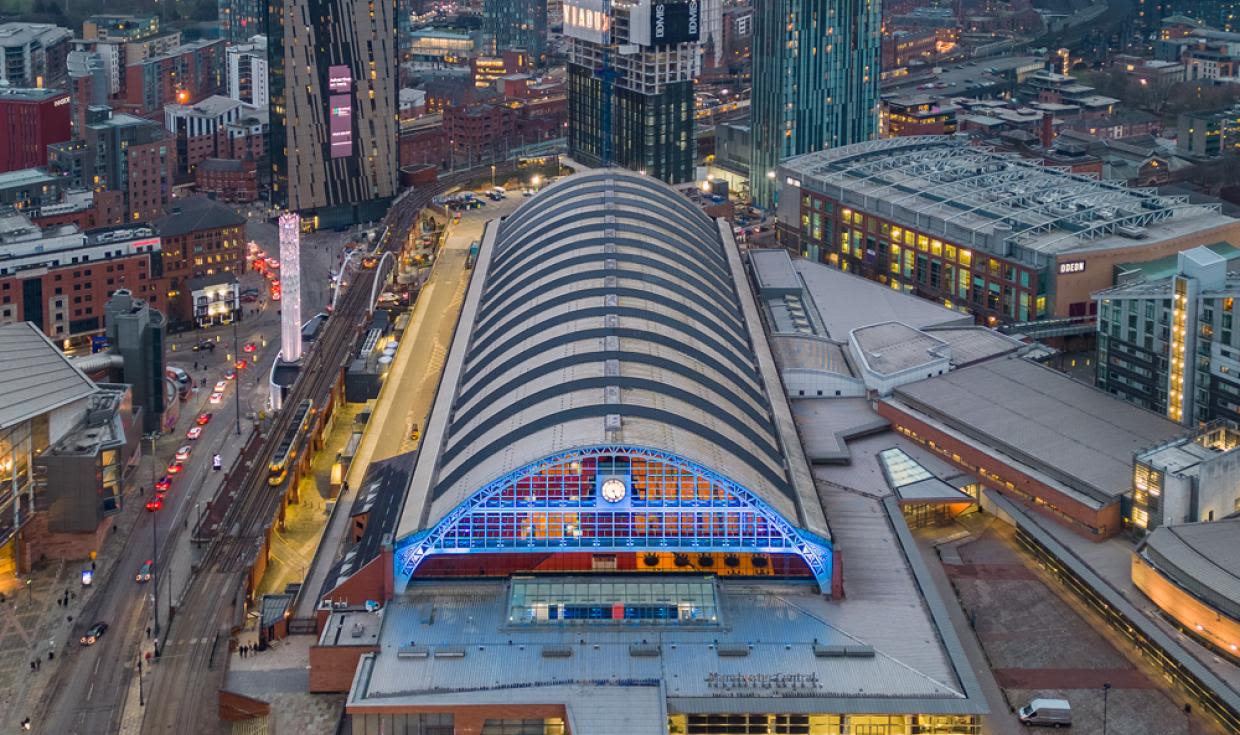
Coming to Manchester was like coming to the big city. I hadn't been for about 15 years when I stepped foot in Manchester for the interview - I couldn't believe how much it had changed, it looked almost unrecognisable. Skyscrapers everywhere!


PH: What value does the venue deliver from an economic, social and environmental perspective?
LH: One of the things I've just done is promote Lauren Hudson who was working as a sustainability advisor for the business. We’ve promoted her to our head of impact to look more broadly at how we actually measure the economic, social, environmental impact that we have, both from a direct and an indirect impact point of view. She’s going to be really making sure that we're setting ourselves aggressive targets to truly be improving, making a difference, and holding us accountable.
I think that's one of the things that I'm most excited about - understanding truly how well are we doing, how much better we think we could do, and what it will take to get there. We’re being systematic and intentional about looking for improvements in these areas.
Success is going to be having those measurements in place and understanding where we've improved and where there's greater opportunity. I want to quantify things as much as possible rather than just make it a bunch of of sentiment words. I want to have a really big impact on the city. We're only going to be able to grow our profit a certain amount like we are. We are fairly constrained in terms of the land that we have - we can't add another double decker to our venue and get bigger that way. So success is going to be understanding the economic and social and environmental impacts that we have and how those are tracking in the right direction. It’s the curation of the right types of events at the right time in the venue, and delivering increasingly more value to the city. That's success for me.



 Built with Shorthand