
Business casual
Why business events are loosening up - and how to nail the new relaxed vibe
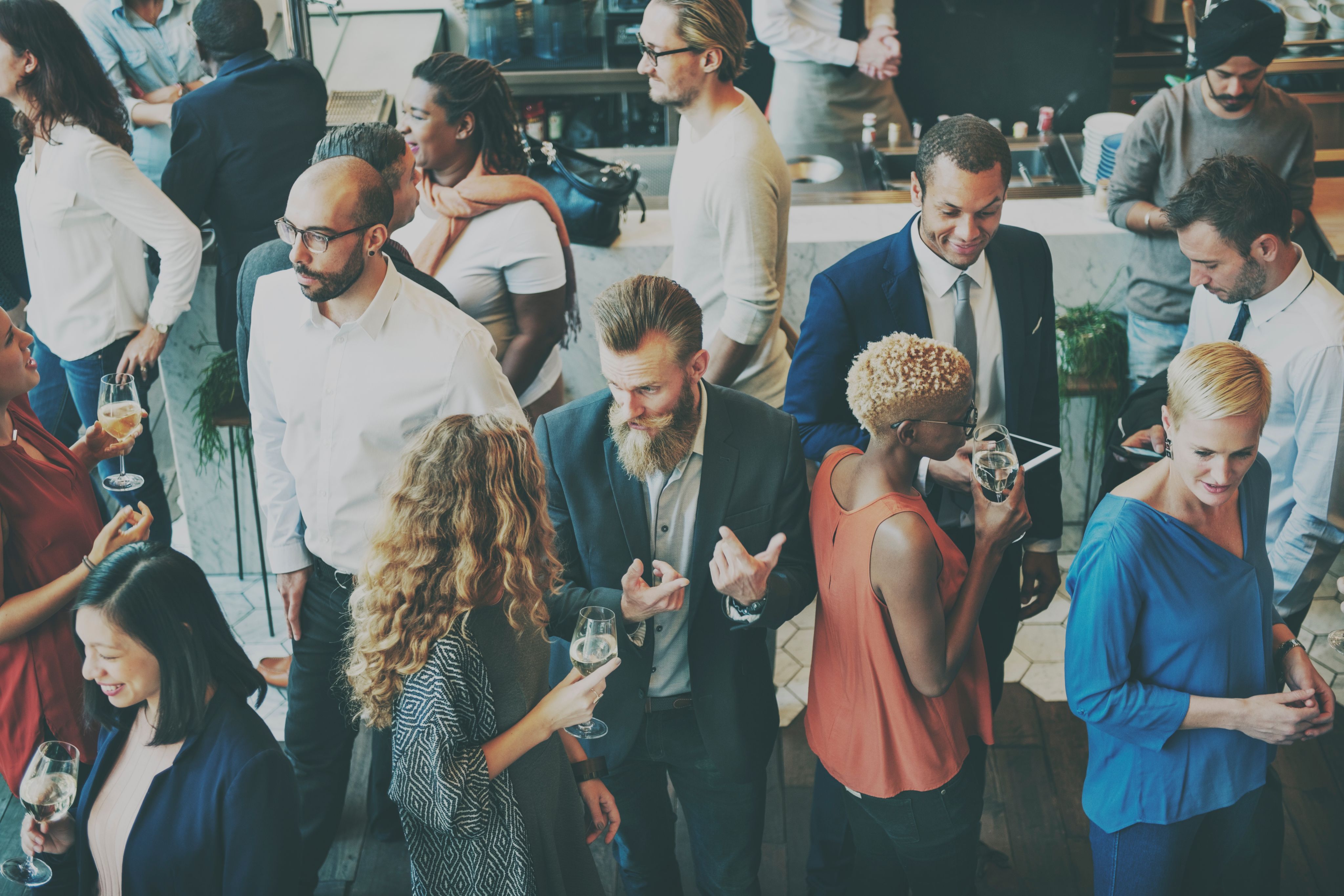

Something’s shifting in the world of corporate events; the traditional sit-down dinner is quietly stepping aside, making way for something a little more relaxed: the informal, reception-style event.
This isn’t a short-lived trend. It’s a real evolution in how people want to connect at work gatherings. Less structure, more conversation. Less agenda, more engagement. And we are seeing this from many of our corporate clients.
Why the change?
Because people want face-to-face time, but they want it on their own terms. After years of remote working and virtual meetings, in-person interactions have become far more valuable. But that doesn’t mean everyone wants to be stuck at a table for three hours making polite small talk between courses. The informal style gives people space to chat, move around, and connect naturally because that’s where the magic happens.

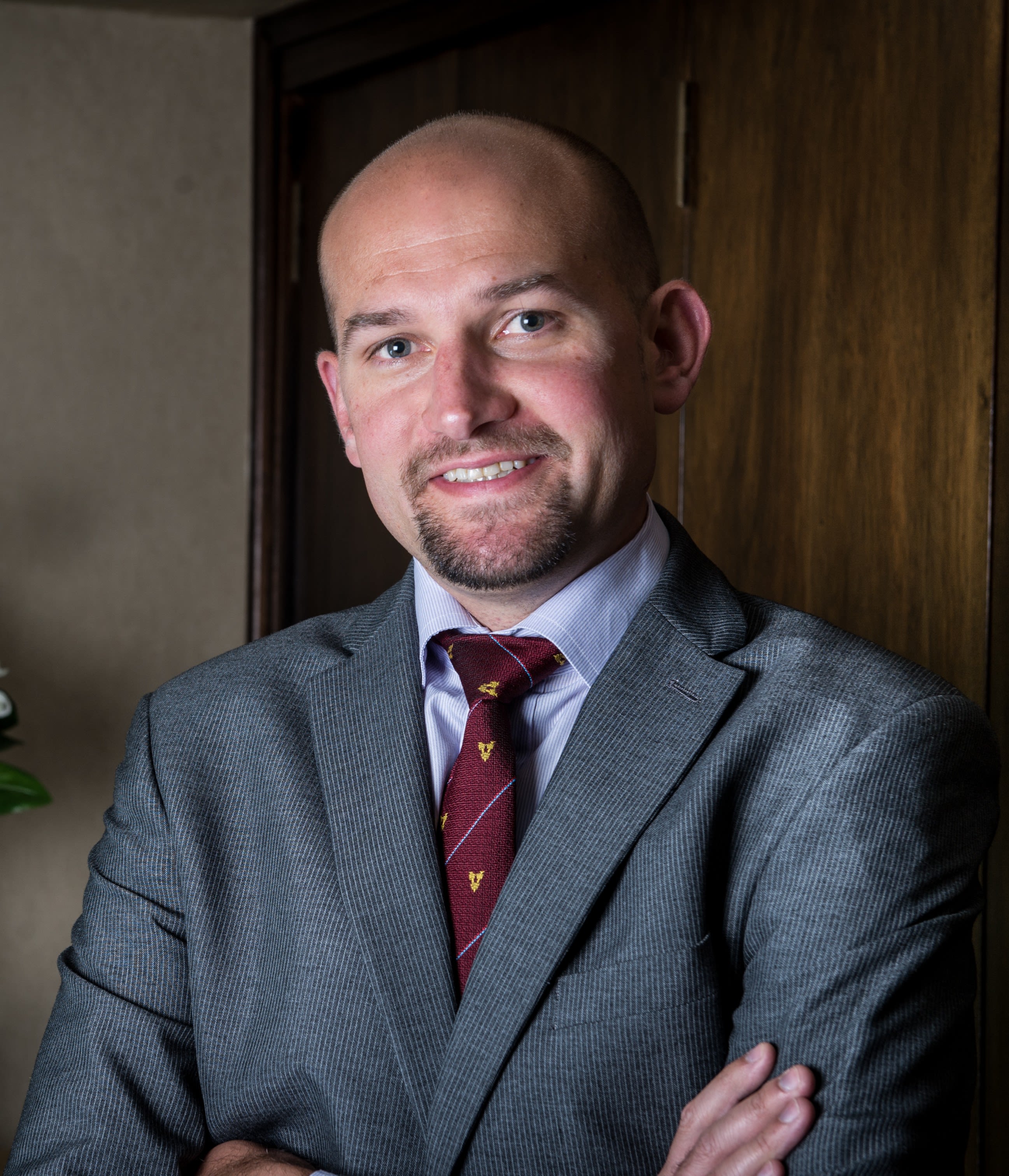
Mark Field, general manager, Victory Services Club
Mark Field, general manager, Victory Services Club
People are pickier post-lockdown
We’re all more selective now. If someone’s giving up an evening or stepping away from their desk, they want the event to be worthwhile. That means flexible, welcoming, and a bit more human. The rigid format of a formal dinner, with seating plans and set times, just doesn’t appeal to people looking for real, relaxed interactions.
Flexibility is king
Informal events let people choose their own path; they can drop in for a while, stay longer if it suits, leave when it doesn’t. It’s simple, and it works. That level of autonomy means attendees feel more comfortable, more engaged, and more likely to return next time.

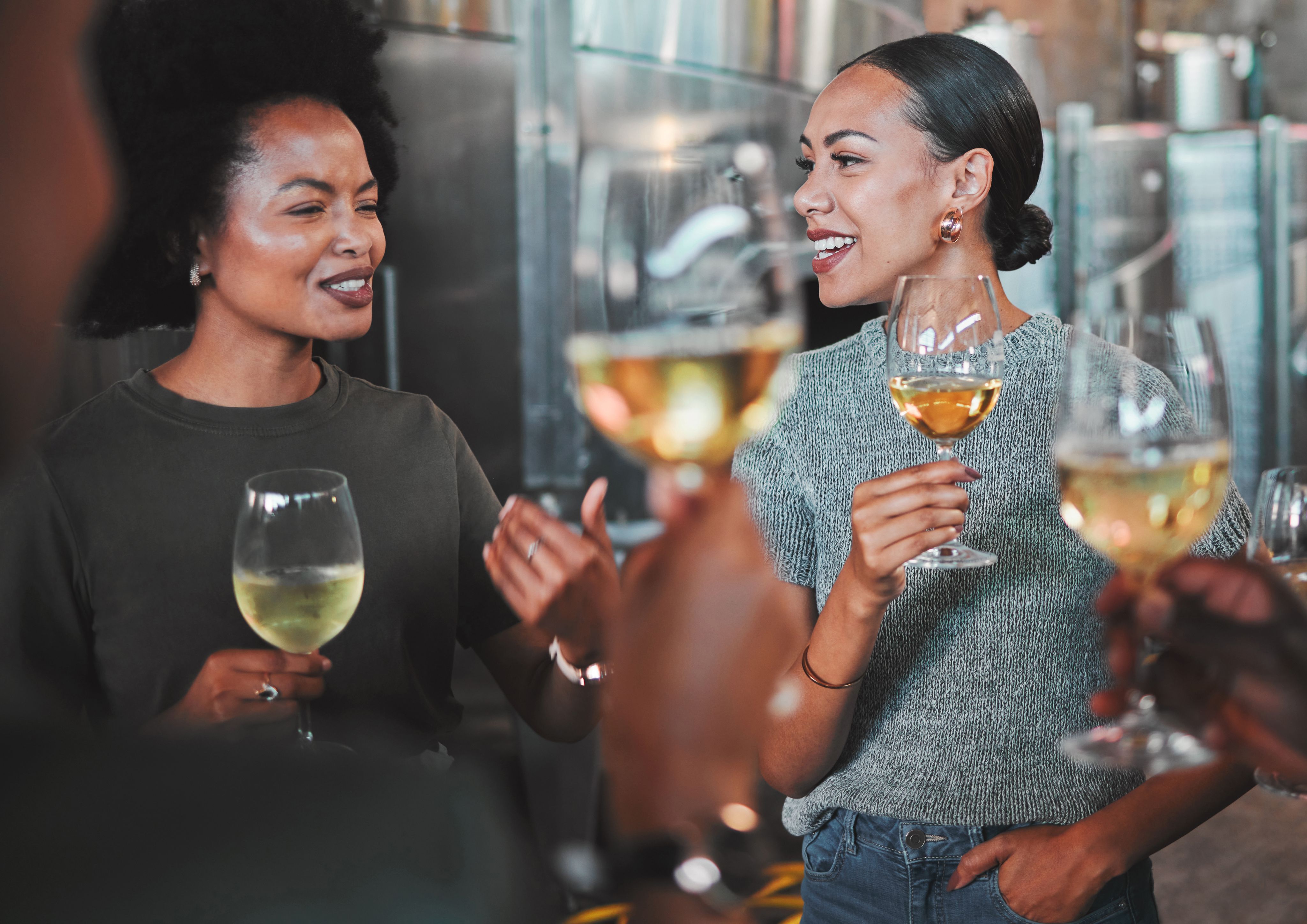
How to nail that relaxed vibe
- Design for movement, not traffic jams. Think open layouts, comfy spaces to perch, and areas that invite conversation - not ones that trap people. Make it easy for guests to flow between groups and spark spontaneous chats.
- Keep it interesting. No need to put on a full-scale production, but a mix of light-touch activities helps. A short talk, a tasting station, or a quiet spot for one-to-ones gives people more to do and more reasons to stick around.
- Scrap the strict agenda. Build in flexibility. Allow for comings and goings. The more relaxed your schedule, the more natural the event will feel and the better your guests will respond.
- Set the tone for real conversation. Create an environment that’s warm, inclusive and open. That might mean decent lighting, manageable sound levels, and a team that’s ready with a welcome.

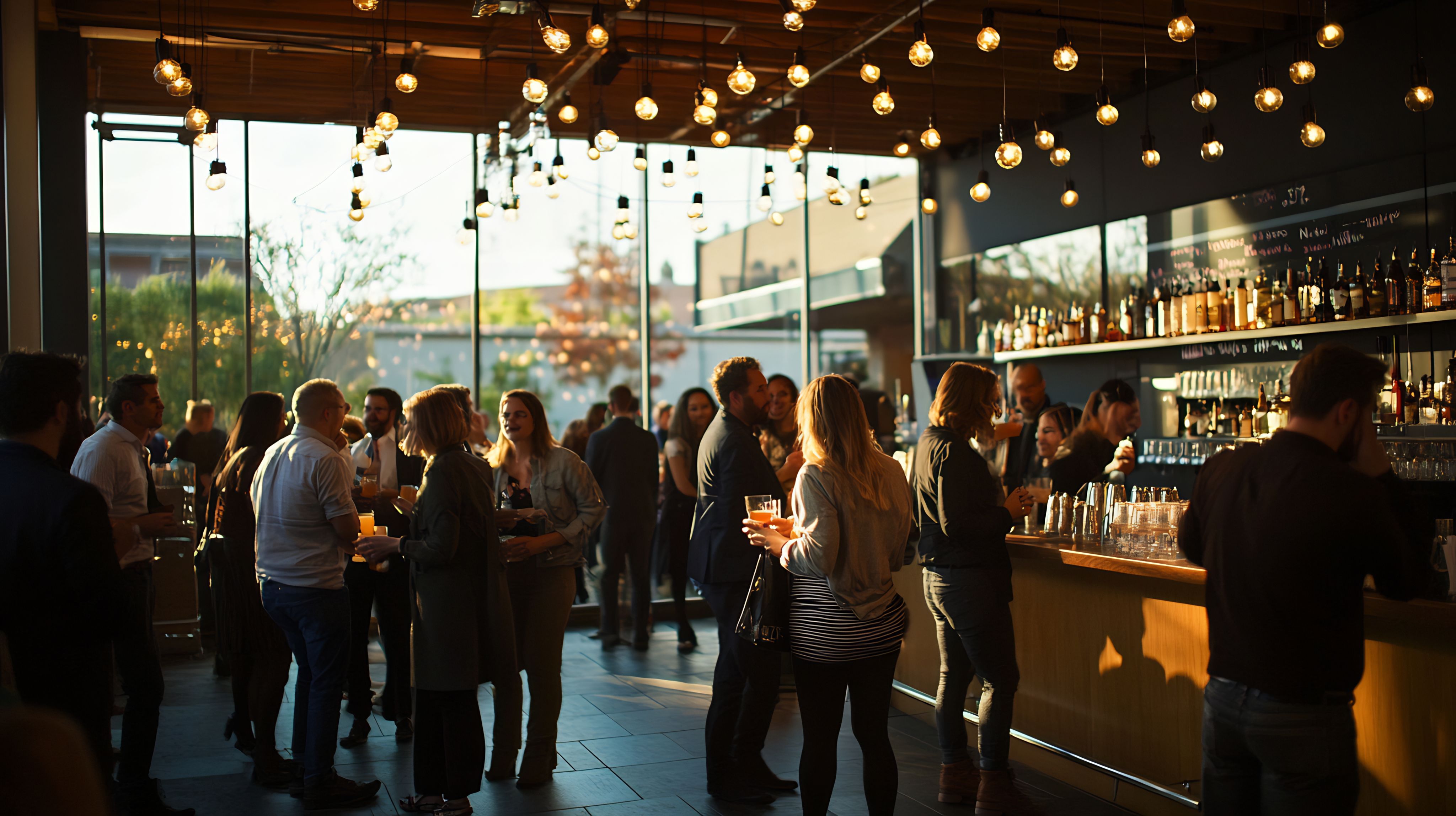
People engage more when they feel at ease. The rise of informal business events reflects what people actually want: authentic connection, flexibility, and a sense that their time is respected. By making a few simple changes, organisers can create events that feel more human and far more effective. Get that right, and the results speak for themselves.