
How venue booking really works in 2026
For today’s planners, success is less about logistics and more about digital behaviour, speed of response and how quickly decisions can be made, says Edward Poland, co-founder at Hire Space.
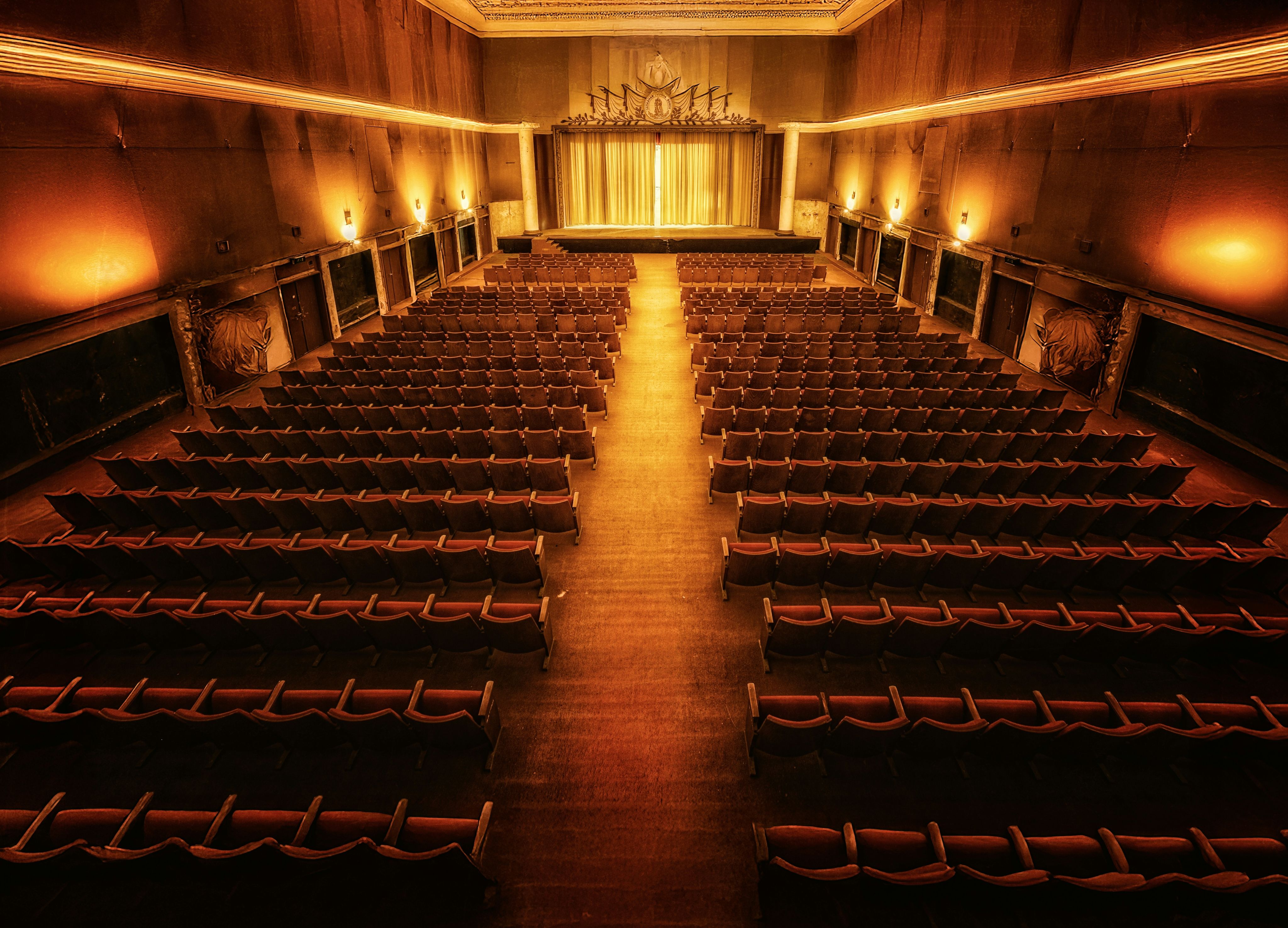

Corporate event planning in 2026 is being reshaped less by logistics and more by digital behaviour.
While hybrid capability and sustainability practices still influence decisions, they have become baseline expectations rather than front-page differentiators. What truly drives venue selection today is how planners search, evaluate, and book, and the speed at which they expect answers.





Digital discovery is now the primary way planners find venues
The venue search process has shifted upstream into digital channels. Planners are using large language models (LLMs) to generate shortlists based on granular criteria: layout flexibility, transit access, breakout configurations, tech integrations, catering profiles, brand fit, and more. Social platforms, particularly those rich in short-form video, are central for validation, showcasing authenticity, and comparing real event results.
Planners want content that is:
- Accurate and up-to-date (capacities, layouts, amenities, pricing ranges)
- Machine-readable (clear headings, structured data, consistent terminology)
- Decision-ready (floor plans, menus, AV lists, accessibility info, policies)
- Authentic and current on social platforms (behind-the-scenes, quick case studies, event transformations)
Sophie Linin, deputy head of events at Royal Museum Greenwich and a board member at Unique Venues of London, puts it like this: “We’re shifting our focus from SEO to AI optimisation, recognising that clients are using these tools and we need to be visible.”
Online content must help planners make decisions instantly
Before contacting a venue, planners want to answer 75 per cent of their questions themselves. If they cannot easily understand what a venue offers, and whether it fits their event, they will move on.
It’s a sentiment echoed by Carlos Lumiere, founder and creative director at Lumiere London, a photography and events space group in London: “Digital behaviour is reshaping how planners search, evaluate and book venues, and in 2026 the first impression happens long before a site visit. It happens through data, content and clarity.”
Planners want decision-ready content, such as:
- Realistic capacity charts (not optimistic best-case numbers)
- Detailed floor plans and photos of different setups
- Transparent AV capability summaries
- Example menus and pricing tiers
- Accessibility, transport, and loading information
- Clear policies around holds, deposits, and cancellations
As Sophie Linin says, “more of the planning is being done before contract stage.”
Planners expect fast responses - and AI can help
With AI tools accelerating how quickly planners produce proposals, budgets, and concepts, response expectations have changed. A 24-48 hour response window that once seemed reasonable now feels slow.
For venues, speed will become a competitive advantage. Increasingly, this will require:
- Real-time availability systems
- Instant provisional holds where possible
- Faster, template-driven quoting
- Streamlined approval workflows
- AI tools that summarise client briefs, draft email replies, generate quote variations, and route inquiries to the correct person immediately
To be clear, AI doesn’t replace human judgment - but it does removes friction, so teams can respond to planners with accuracy and speed. That’s crucial.
As Anna Fenten, marketing director at Searcys, puts it like this: “Never underestimate the importance of real human interaction - most importantly - delivering fast, human, and non-robotic responses.”
Experience design matters more in the attention economy
As companies focus on culture-building, creativity, and engagement, they expect venues to support more than “space and chairs.” The experience economy is influencing corporate events just as much as consumer activations.
Planners want:
- Flexible, modular rooms that adapt to interactive formats
- Breakout zones that encourage connection
- Options for immersive or experiential add-ons
- Spaces that accommodate wellness, creativity, or team-- building elements
Venues that can quickly reconfigure setups and offer vetted experience partners (designers, facilitators, tech providers) will become more attractive in an environment where attention must be curated, not assumed.
Operational resilience and transparent pricing build trust
With tighter budgets and increased scrutiny, planners are looking for reliability and predictability. They expect clear, transparent pricing, especially for AV, staffing, and service charges. They want well-defined service levels and failover plans for tech, power, and connectivity.
Most of all, they want vendor policies that are easy to understand.
Resilience and transparency are key selling points now. As Carlos Lumiere puts it, “Planners want decision-ready information, flexible spaces, transparent pricing and fast responses.”
Planners need to be able to understand quickly that even under pressure, their event will run smoothly.



Planners want outcomes, not square metres
Venue selection is no longer just about capacity numbers. Planners are being asked to justify their choices with metrics, such as engagement, learning, networking effectiveness, brand impact, attendee satisfaction.
Anna Fenten puts it like this: “while digital ecosystems, online discoverability, and storytelling continue to grow in importance, real cut-through will come when brands are brought to life through activations, pop-ups, and immersive experiences.”
Planners need to know "What business outcome will this event produce?”
This may include:
- Post-event engagement data
- Layouts that support specific goals (e.g., collaboration vs. education)
- Recommendations on traffic flow or session design
- Optional tools that measure participation or interaction
Hybrid and sustainability still matter
Hybrid event support and sustainable operations remain part of the decision-making process, and planners now assume a baseline level of both. Venues that make their capabilities and policies clear will quietly strengthen their credibility when the fundamentals - digital readiness, responsiveness, flexibility, reporting and clarity - are clearly in place.
Success this year goes to venues that combine strong digital presence, fast operations supported by smart tech, flexible experience design, transparent pricing, and a focus on measurable outcomes.
As Carlos Lumiere says, “2026 isn’t about competing on square metres. It’s about clarity, responsiveness and the ability to create environments where people actually want to be together.”