
Riding high
Some big price hikes in our UK Convention Centre Price Survey - but venues are reporting business growth and high hopes for the future. Angela Antrobus reports


In the long history of this survey, it’s pretty safe to say that this is the first year every participating centre has increased its rates, some substantially, with no reductions or even price freezes.
There’s no risk they’re pricing themselves out of the market. Most report that business this year has been extremely strong and the future looks even more promising. The pandemic is all but forgotten and delegate numbers are healthy. Meeting face to face is definitely back in favour.
National association conferences are the mainstay for most centres while they eye up appropriate international association meetings with their longer lead times. Corporate events are getting bigger and growing in number.
Despite inflation now officially below two per cent, food and energy prices are still rising and have a major impact on venues’ hire rates. Higher staffing costs are another factor. These are facts of life that clients must take on the chin.

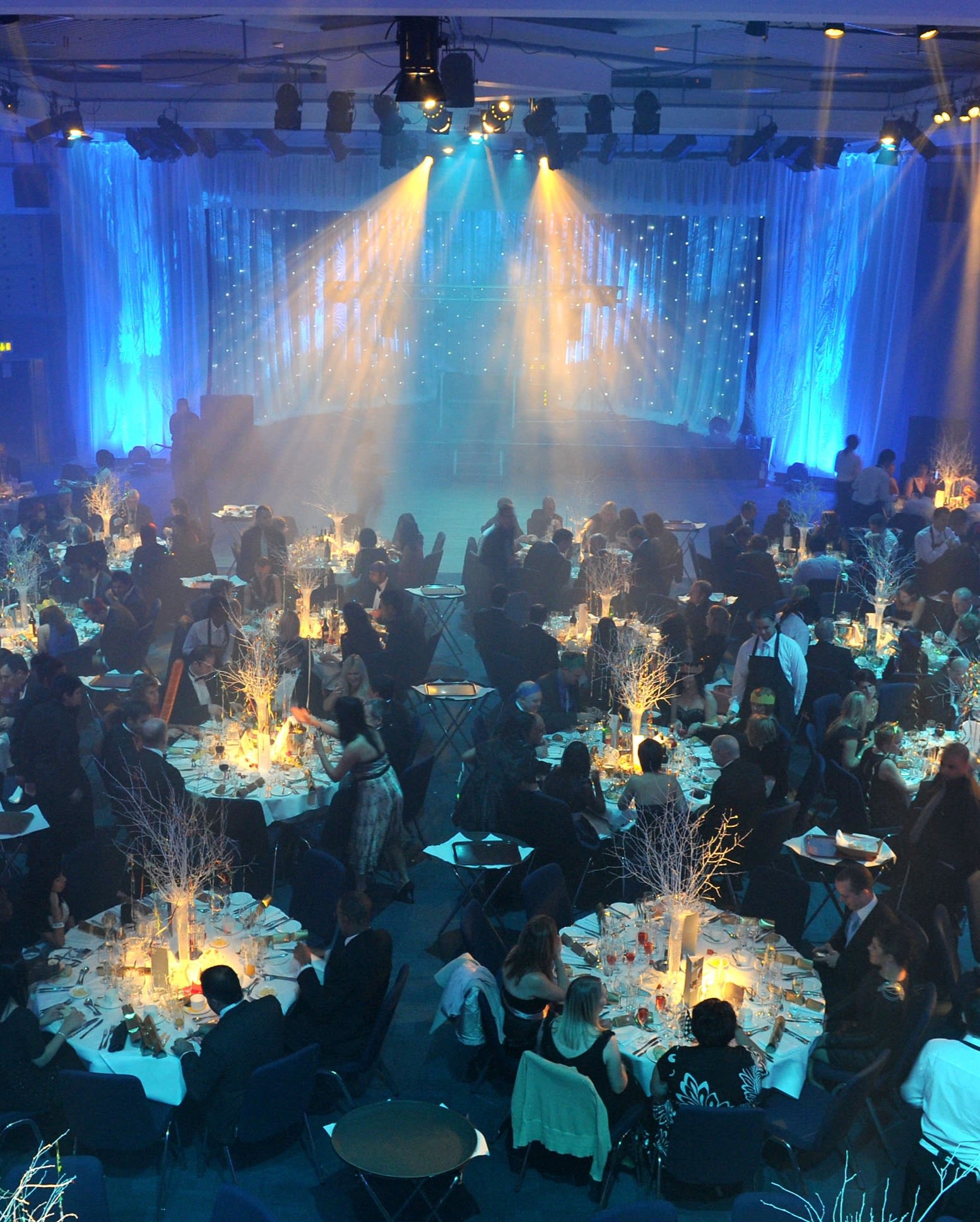
ICC Birmingham
ICC Birmingham
The brief
Duration: one day (eight hours)
Date: October 2025
Meeting room requirement: 500 people theatre-style/1,000 people theatre-style
Exhibition requirement: 500 sqm net/1,000 sqm net
Equipment: PowerPoint presentation facility (including laptop, data projector, lectern and screen).
Food and beverage: morning and afternoon tea and coffee breaks, two-course buffet lunch with mineral water and soft drinks.
Conference centre - 500 people
|
Category |
Scope |
20XX/XX |
20XX/XX |
|---|---|---|---|
|
Venue |
2025 £ |
2024 £ |
Price difference % |
|
Excel London |
60,326 |
40,186 |
50.12 |
|
ICC Birmingham |
58,000 |
54,975 |
5.50 |
|
The Barbican, London |
53,070 |
49,200 |
7.87 |
|
The Glasshouse International Centre for Music, Gateshead |
49,845 |
47,345 |
5.28 |
|
ACC Liverpool |
48,549 |
45,373 |
7.00 |
|
Brighton Centre |
44,750 |
39,750 |
12.58 |
|
Celtic Manor Resort |
41,600 |
39,990 |
4.03 |
|
Edinburgh International Conference Centre |
36,253 |
33,953 |
6.77 |
|
ICC Wales |
35,900 |
34,357 |
4.49 |
|
Manchester Central |
35,950 |
31,210 |
15.19 |
|
Blackpool Conference & Exhibition Centre |
34,000 |
32,900 |
3.34 |
|
P&J Live, Aberdeen |
31,941 |
30,229 |
5.67 |
|
ICC Belfast |
31,930 |
31,000 |
3.00 |
|
Riviera International Conference Centre, Torquay |
25,582 |
24,364 |
5.00 |
|
Venue Cymru, Llandudno |
25,120 |
22,245 |
12.92 |
Conference centre - 1,000 people
|
Venue |
2025 £ |
2024 £ |
Price difference % |
|
Excel London |
85,279 |
73,414 |
16.16 |
|
Manchester Central |
78,950 |
71,479 |
10.45 |
|
ICC Birmingham |
78,000 |
73,950 |
5.48 |
|
Celtic Manor Resort |
77,550 |
73,775 |
5.12 |
|
The Barbican, London |
76,950 |
71,900 |
7.02 |
|
ACC Liverpool |
75,616 |
75,392 |
0.3 |
|
ICC Wales |
70,900 |
67,857 |
4.48 |
|
Brighton Centre |
68,000 |
60,205 |
12.95 |
|
Edinburgh International Conference Centre |
66,106 |
62,706 |
5.42 |
|
The Glasshouse International Centre for Music, Gateshead |
63,345 |
59,845 |
5.85 |
|
ICC Belfast |
61,800 |
60,000 |
3.00 |
|
P&J Live, Aberdeen |
57,750 |
56,200 |
2.76 |
|
Blackpool Conference & Exhibition Centre |
51,000 |
48,967 |
4.15 |
|
Venue Cymru, Llandudno |
43,650 |
39,142 |
11.52 |
|
Riviera International Conference Centre, Torquay |
42,952 |
40,907 |
5.00 |


A few surprises
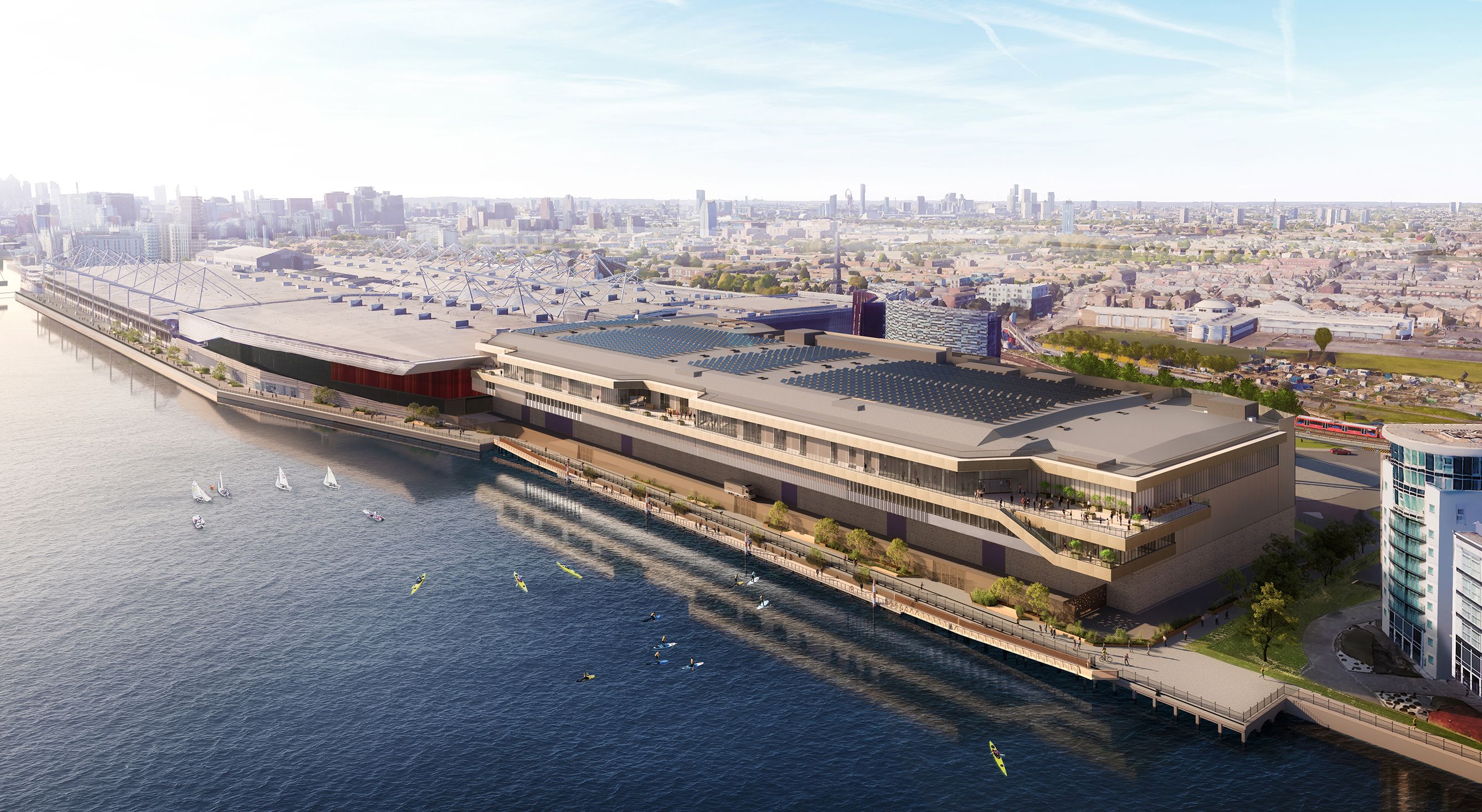
Our two price tables show an interesting geographical mix and a few surprises. Excel London has resumed its position at the top with eye-watering rises, after significant reductions last time round. The centre will shortly open its 25,000 sqm expansion - offering an additional ICC convention centre, exhibition halls and conference rooms - which will make it Europe's largest fully integrated conference and exhibition venue. It’s also launched a new entertainment district on the waterfront as part of the expansion.
“This has been our strongest year, even prior to Covid, with many of our corporate clients growing their events substantially,” says head of sales Andrew Swanston. “Long-term we are forecasting minimum annual growth of 15 per cent. With the addition of our brand new convention space next year, forward orders are strong.”
As for trends, he says they have continued to see a lot of short-lead events confirming and sustainability increasingly important in planners’ decision making.
Mitigate costs
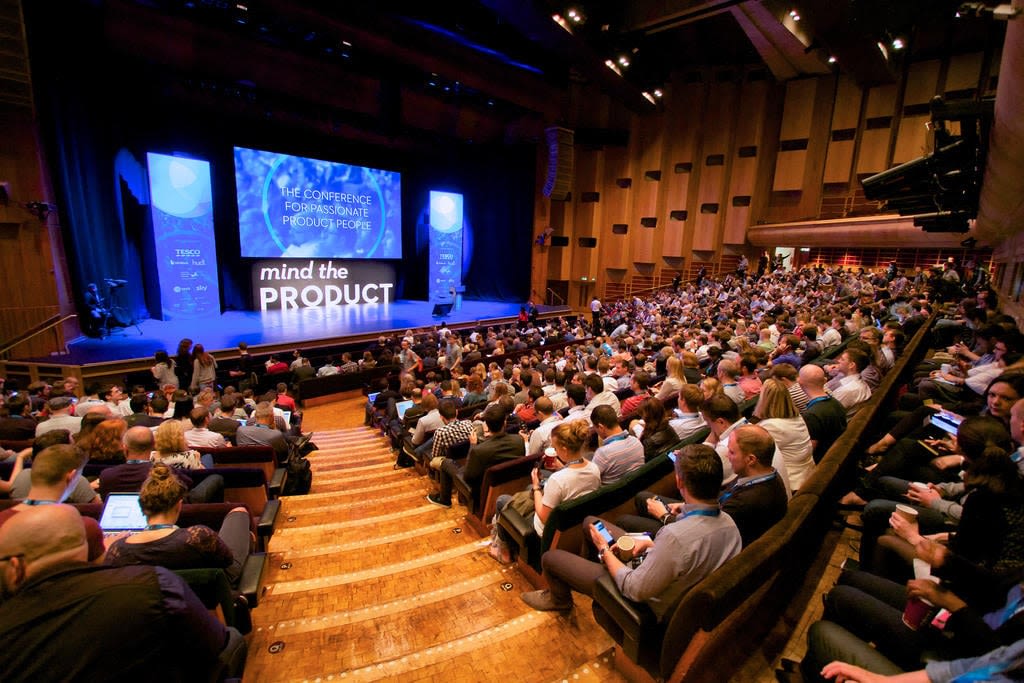
Also in the capital, the Barbican has had to increase its rates by seven per cent because of high costs across the board. “We have been working with clients to find solutions and support their needs but we’ve been limited in terms of where we can mitigate costs,” says Sue Etherington, head of association business development. Nevertheless, she says they’ve had a “fantastic year”, delivering 14 per cent more events than last year with a 13 per cent boost in attendee numbers.
As a combined arts and conference centre, the Barbican targets clients based on the relevance the venue has to them. “Our location and capacity make us particularly relevant to UK-based corporates but recently we’ve won international events such as the World Design Congress 2025,” says Etherington.
She explains the centre operates a yield system depending on the time of year or day of week which can affect its rates, levels of discount and added value offered to clients.



Space and wellbeing
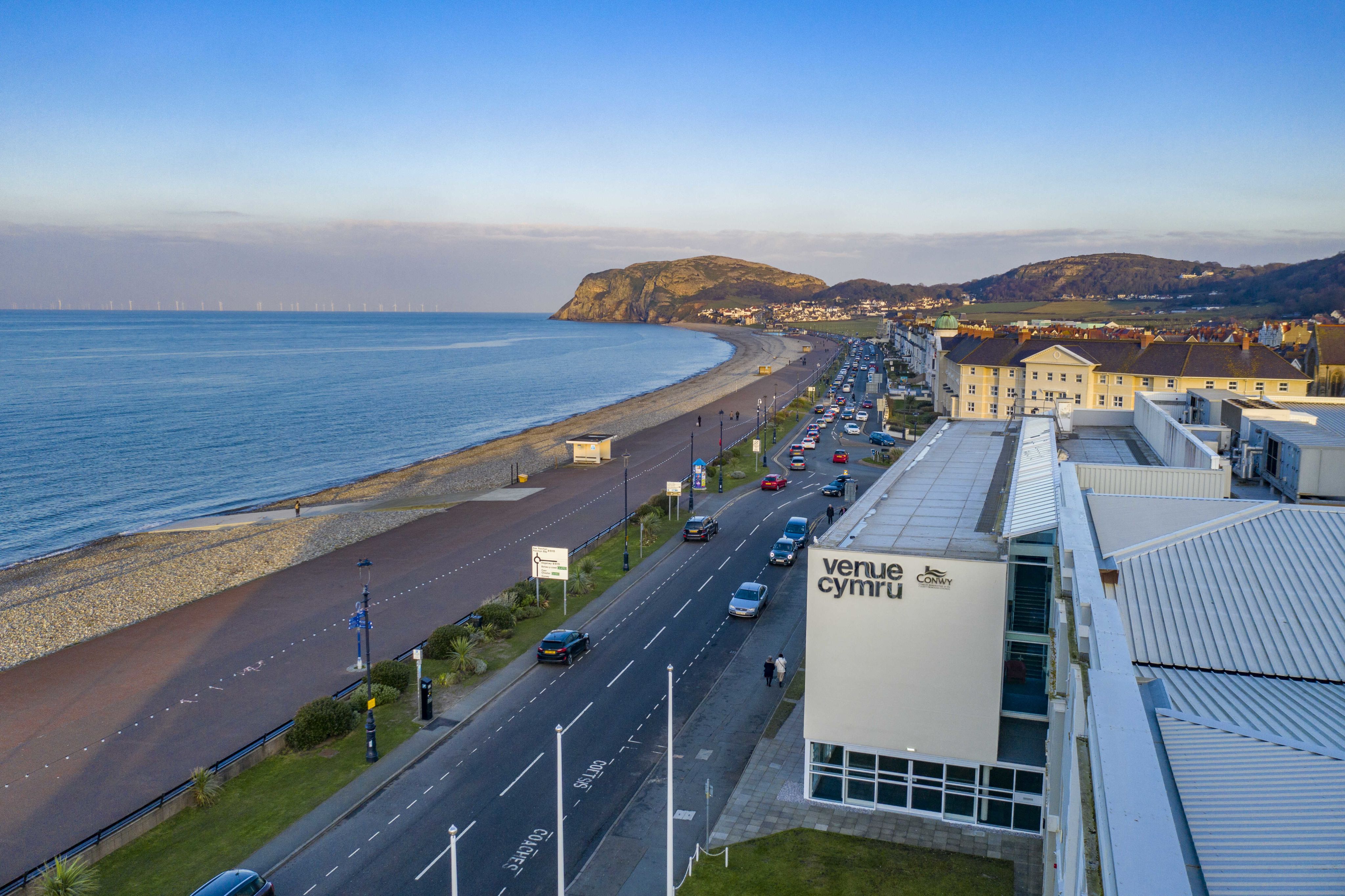
At the bottom of the tables, the Riviera International Conference Centre (RICC) and Venue Cymru continue to offer the most competitive rates, roughly half as much as those at the top. Of course, access to these two resort destinations, Torquay in south-west England and Llandudno in North Wales, is an important consideration for clients but Venue Cymru’s Adrian La Trobe says, “We’re seeing associations that would historically only consider city-centre destinations happy to revisit the idea of a coastal destination, at least when, like Llandudno, they can offer professional, purpose-built facilities. We are told the sense of space and wellbeing of not being cooped up with the traffic and noise of a city centre is very attractive and helps secure registrations.”
He says the centre’s above-inflation price rises for 2025 represent a correction on charges that did not increase for a few years post pandemic while all costs, especially staffing, did. Nevertheless, he reports that the 24/25 financial year is set to be the strongest for over a decade and showing increased enquiries from UK and international associations. “Our list rates are standard across the year but discounts and added-value extras might vary depending on where an event fits into our calendar,” he adds.
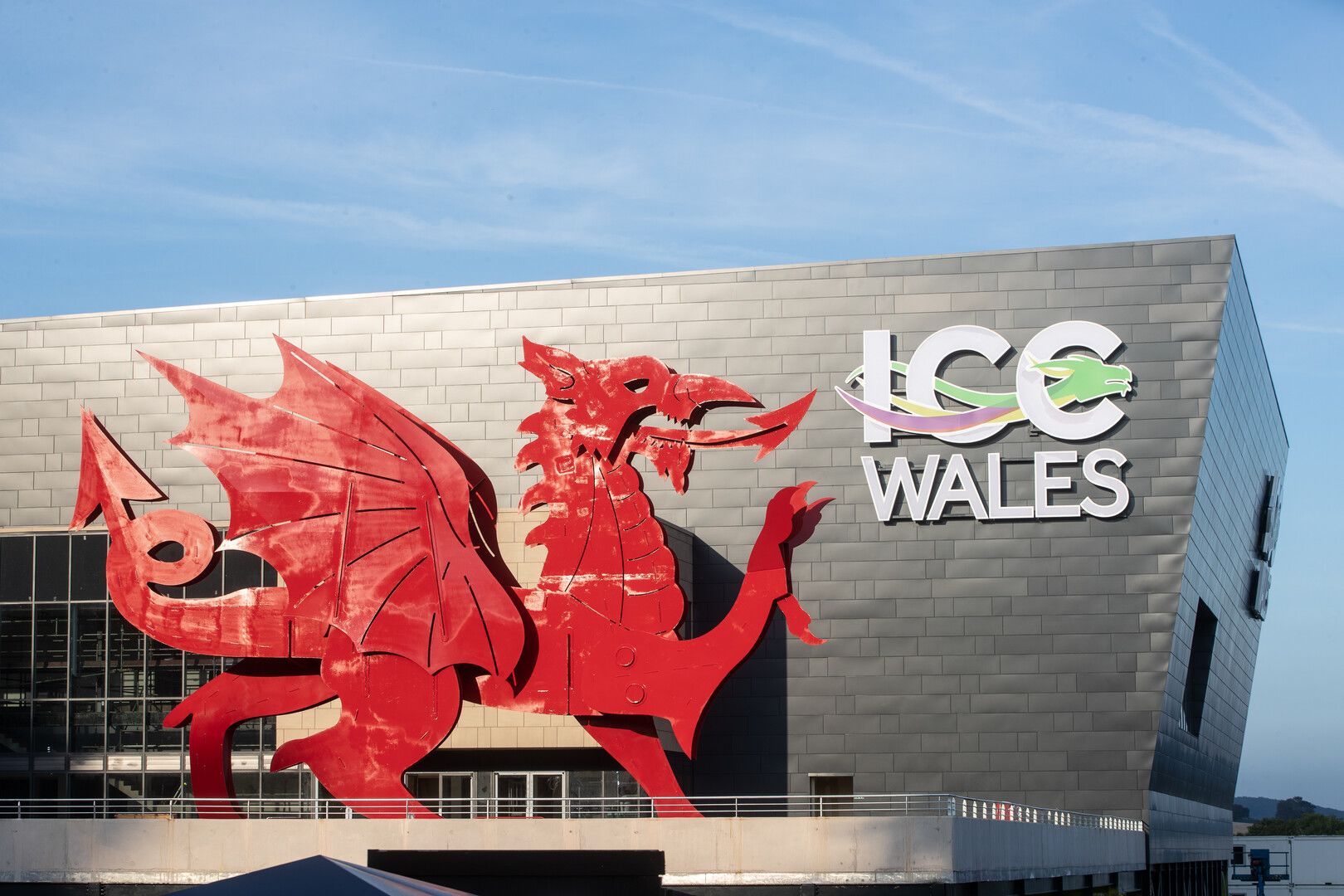
The other two Welsh venues in our survey, Celtic Manor Resort and ICC Wales, near Newport, South Wales, with quicker access from many UK cities and airports, fall proportionately higher up the price tables. ICC Wales, which only opened in 2019, is enjoying considerable success with an extensive line-up of conferences, exhibitions and large-scale events booked ahead as far as 2028.
Unlike at other venues, an element of hybrid meetings still taking place at the RICC in Torquay has resulted in slightly fewer numbers per event. But business levels are good and they’re seeing longer decision times.
Unique experiences
ICC Belfast, Northern Ireland’s only purpose-built centre, has posted very modest increases and remains great value. It can also offer bespoke packages tailored to market demand outside peak months.
The centre makes the most of its location and assets, according to marketing campaign manager Laura O’Kane. “We plan to focus on our unique position, situated within the UK and on the island of Ireland, to host events for British, Irish and European association and corporate clients. We are committed to delivering emotional event experiences for our national corporates and associations and it’s our ambition to drive economic prosperity through international business.”
While recognising Belfast remains an emerging destination for many international clients, they’ve observed that offering unique experiences for delegates is increasingly a key factor in venue selection. Fortunately, as she points out, the city has many attractions and delegates often leave with a strong desire to return.



In Scotland, Edinburgh International Conference Centre (EICC) has enjoyed a record year with the international association and corporate markets driving most economic impact, the strength of international association events being key to its exceptional results. “As these markets are longer lead - normally three to five years out - we fill remaining availability with national association and corporate which have a much shorter lead period,” says assistant director of sales Carron Webster. They’ve also seen higher attendance at events this year, with an average increase of 21 per cent over the prior year.
Peak months for the EICC are May, June, September, October, November and sometimes March and April, depending when Easter falls. “There is greater flexibility on rates outside these months,” explains Webster.
Last-minute enquiries
Similarly, in Aberdeen, north-east Scotland, P&J Live provides a higher level of discount across summer months and during key months where there are holidays. More last-minute enquiries mean lead times here are generally much shorter than before Covid but far fewer hybrid meetings are being requested these days.
ACC Liverpool’s increase for our 1,000-pax brief is negligible but the rate for 500 delegates is up seven per cent. The centre is trying to mitigate higher costs with savings achieved through green initiatives, including the installation of LED lighting and new air-sourced heat pumps. As enquiry levels continue to rise, it is seeing a marked increase in the corporate sector, with more big brands booking events. Rates are standard throughout the year but a dynamic discounting policy may come into play depending on an event’s scale and time of year.
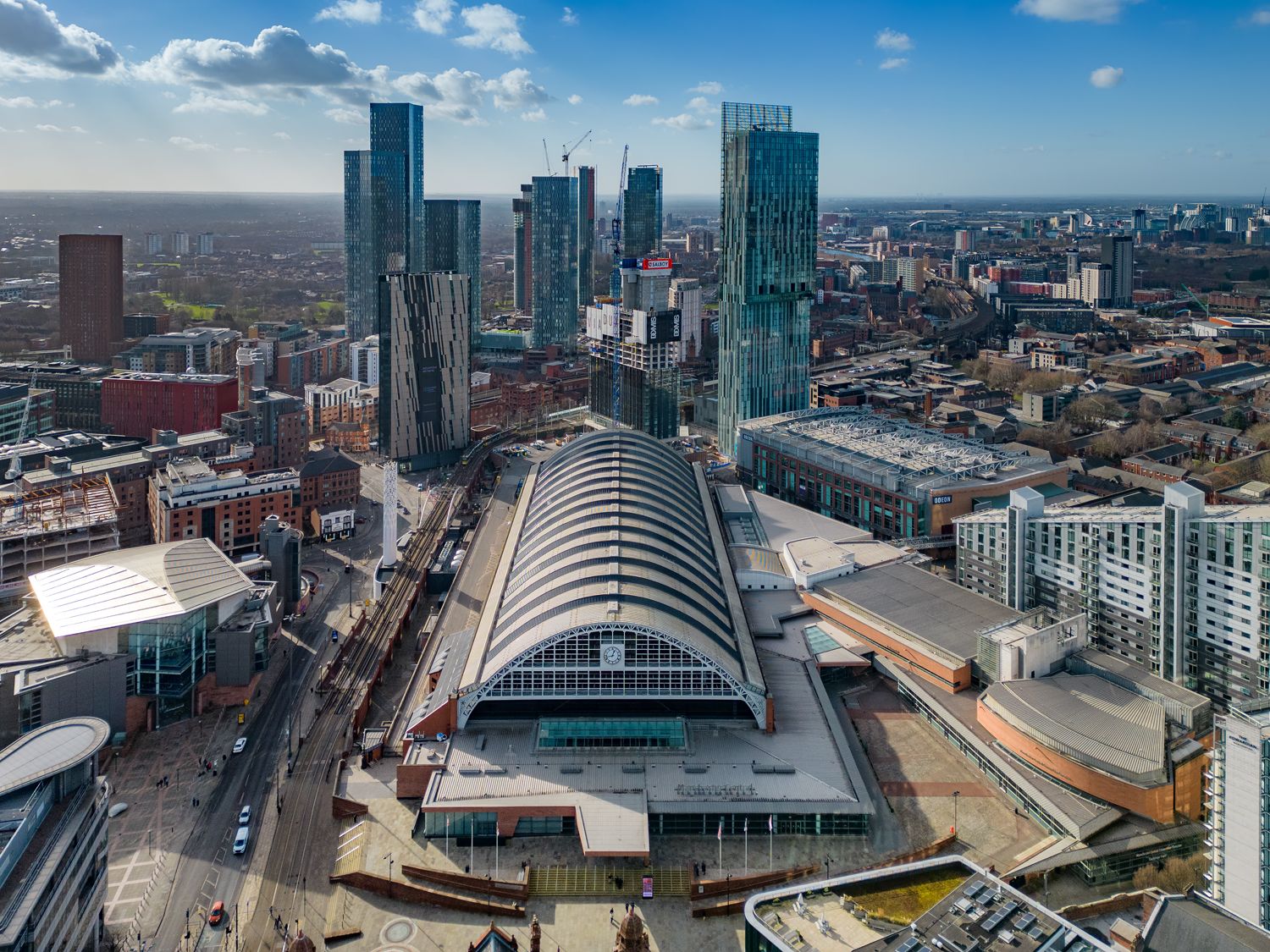
Rates at Manchester Central attract a premium for the most in-demand conferencing months. Its price rises for the coming year are among the highest, but as marketing director Louise Day explains, “As we recovered from Covid we looked to protect organisers from the substantial increase in our delivery costs. But we believe our offer provides real value to clients.” She says international awareness of the centre is increasing, event numbers continue to rise and booking lead times have increased as organisers look to secure preferential spaces early. Also, given the resurgent demand for face-to-face meetings, they see organisers and delegates looking to increase the opportunity to network outside their core programme.


More interactive
Blackpool CEC has found that, with staffing issues in the hospitality industry, it’s having to use agency staff more frequently. Head of Meet Blackpool Julie Vincent says bookings come mostly from national associations and a growing number of corporate companies. Also, more events are looking at being more interactive with a focus on wellbeing and sustainability.
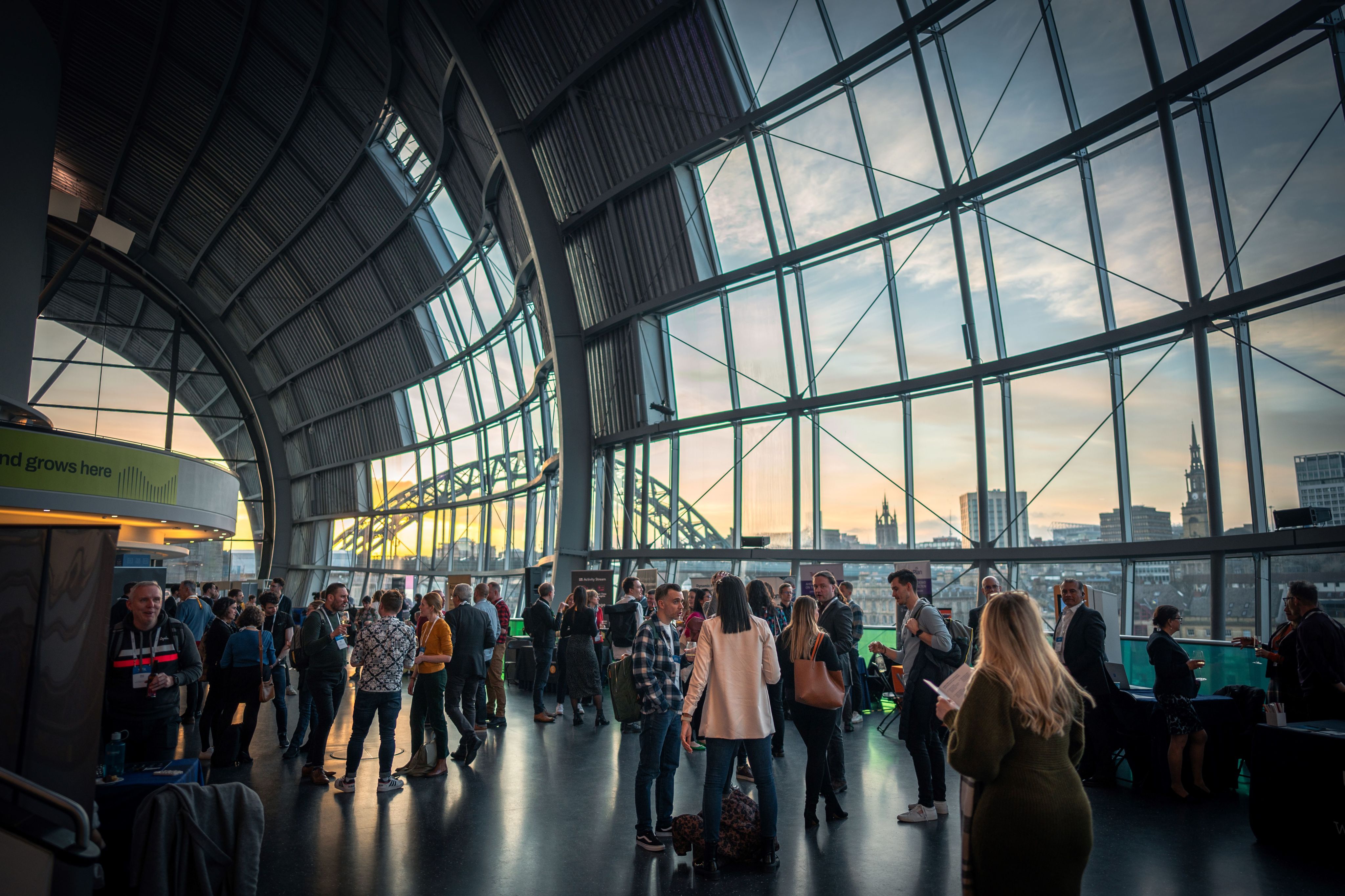
Nicola Railton, events and hire sales manager at the Glasshouse, Gateshead, explains that, after keeping rates steady for a long time, as a charity it’s important to keep an eye on costs, hence the five per cent rises. “We’ve had an amazing year with fantastic business already lined up with many new and repeat clients on board,” she says. “Lead times are still shorter than they used to be, especially for corporate events. And, post pandemic, organisers are always looking to add more value and be innovative for clients.”
ICC Birmingham is seeing fewer super-sized and large events at the moment but a significant uplift in small and medium-sized enquiries.
The 12 per cent rises at the Brighton Centre are attributed mainly to catering as food costs continue to rise. AV requirements are extra, sourced independently by the client. “Our rates are demand driven and can slightly differ from month to month,” says business and sales manager Emma Thurlow. “September was a key conference month but recently we are finding March to June and November extremely popular. Our key target markets are international associations followed by national associations. We find our average lead-in is around two years for large events, which is roughly back to normal pre-pandemic time scales.”
The PCO
Jason Rade, executive director, K.I.T. Group UK
“It certainly isn’t surprising to see that venues across the country have increased their prices as it’s almost become the norm to increase on a CPI-related basis, although some venues seem to have unique tariff increases. I suspect the factors influencing rates are similar to the economic forces affecting consumers, such as energy prices which for convention centres form a significant component of the expenses.
“The next factor is your traditional supply versus demand. While Excel has arguably the most comprehensive offering, it also has some respectable competitors in the region. The drawcard of London, its attractions, range of accommodation and transport links, makes it a compelling conference destination.
“Other mitigating factors such as increased labour costs and the ubiquitous need to demonstrate environmental and sustainability initiatives have a cost impact that inevitably is passed on to the PCO which we either attempt to absorb or, regrettably, have to offset with increased management fees to client, registration and sponsorship rates.
“The occupational hazard of venues is that they charge extortionate rates for services that can only be ordered in house, items including catering, electricity, Wi-Fi, security, meeting rooms, etc. Organisers are hamstrung by these constraints and have no choice but to pass the cost on to the end user.
“As an organiser, the onus falls to us to vote with our feet by first, wherever possible, selecting a city/venue that can accommodate the conference and is more reasonably priced. This is often outside the scope of our influence as it falls to committee and, of course, destination bids and is usually secured before the PCO is engaged.
“As an industry, it would be beneficial to collaborate on variable pricing based on lead time of the booking and perhaps, where possible, pricing the venue hire as a component of the holistic package, considering all needs that need to be met. Negotiation is less about price and more about securing the required availability these days.
“It’s encouraging overall that the market is so buoyant. I hope we can collectively work together to manage prices, environmental impact and deliver memorable experiential events for clients, showcase the city and bring revenue to the respective regions.”


Jason Rade
Jason Rade


Emma Piotrowski
Emma Piotrowski
The in-house organiser
Emma Piotrowski, administrator & conference organiser, Society for Cardiothoracic Surgery
“The Society of Cardiothoracic Surgery (SCTS) organises an annual meeting for the cardiothoracic surgery community, rotating nationally around the UK and Ireland. While exploring potential venues for future years, it comes down to the location and accessibility, facilities and, very importantly, the cost.
“I appreciate that costs rise year on year in terms of venue hire, AV and catering but it is interesting that some of these venues have a steep increase in price from one year to the next, yet the offering is still the same. London being the most expensive location for both 500 and 1,000 delegates is not surprising. However, it strikes me that each venue still has a different offering with regards to AV, as standard or at an additional cost, when this should form the basis to run a conference.
“It seems that, post Covid, many centres are open to receiving bookings up until 2030, which shows that the confidence to secure a venue years in advance is resuming. We are currently looking at 2027 and beyond and look forward to continuing our conversations and negotiations with a number of the centres on the list to secure the locations of our future SCTS Annual Meetings.”
This feature is taken from the Autumn/Winter 2024/25 issue of M&IT. Click here to read the whole magazine.
 Built with Shorthand