
The power of doing less: one venue's mission to turn room cleans into £1m of impact
Wyboston Lakes Resort raised more than £36k last year through its Room2Give scheme - and it's now encouraging other venues to get involved, with a collective target of raising £1 million for local charities.
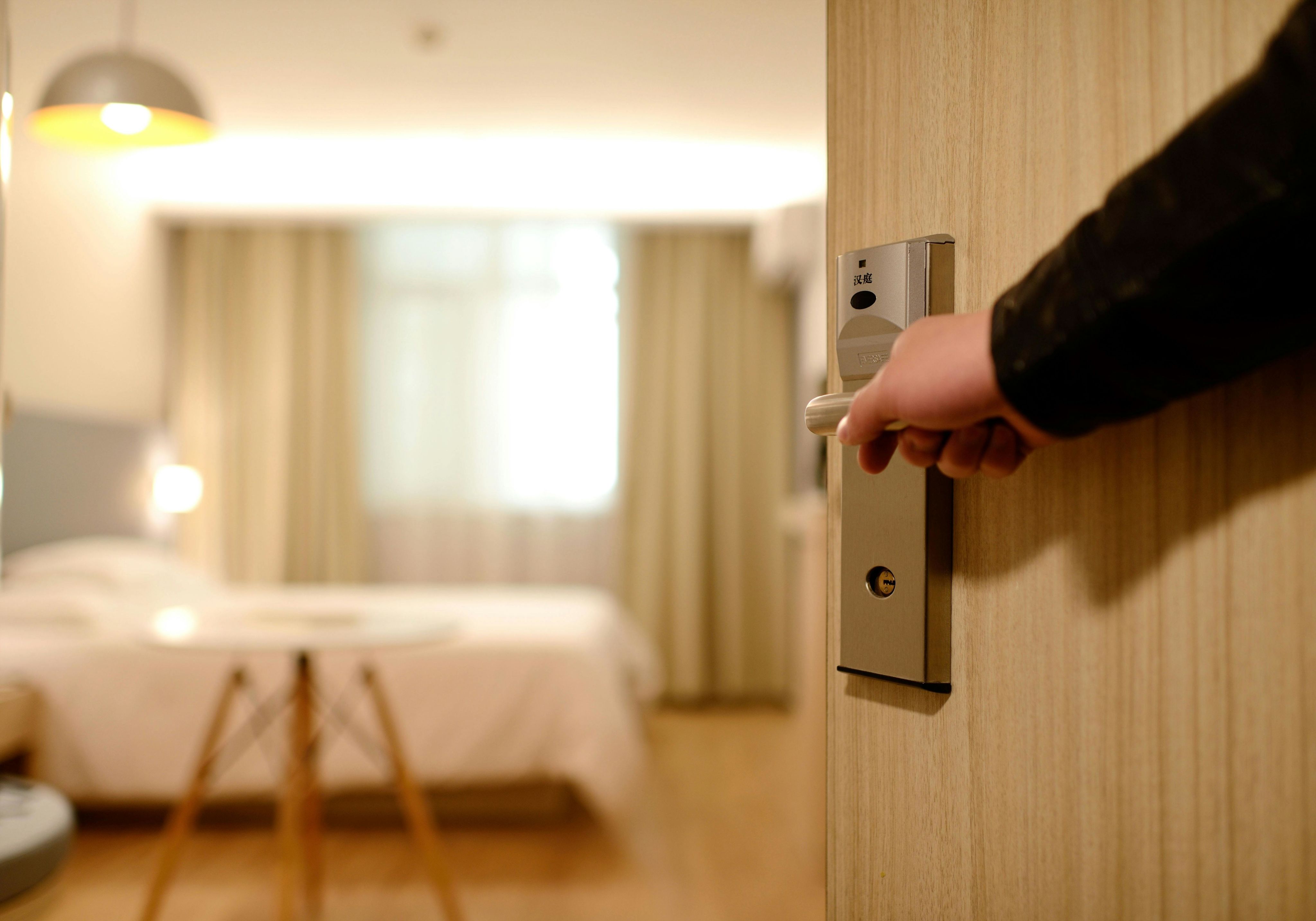

Sustainability and social impact in the events industry can feel wrapped in complexity. But at Wyboston Lakes Resort, one of the most effective initiatives of the past year has been built on something very simple: doing less.
The Bedfordshire venue's Room2Give scheme asks a straightforward question: what if not cleaning a room could deliver both environmental and social value?
Since January 2025, guests staying more than one night have been automatically opted out of daily housekeeping, with the option to opt back in if they prefer. Instead, the cost saving from not servicing the room is donated to one of three local charities, chosen by the guest.
It’s a small shift in behaviour - but one that’s proving surprisingly powerful.
For Louisa Watson, the venue's marketing director and sustainability lead, the appeal of the initiative lies in its clarity.
“It’s a beautifully simple idea,” she says. “Once you understand it, it just makes sense.”
Guests are presented with a clear choice in their room: select a local charity via a door hanger, or choose a “spruce me up” option if they’d prefer housekeeping. It's a similar format to that often found in supermarkets, where shoppers use tokens to donate to one of three local charities.
This familiarity results in an experience that feels intuitive rather than instructional; something Watson believes is critical to engagement.
“You feel like you’re part of the solution,” she says. “And choosing a charity makes that even more personal.”
Behaviour change without friction
Rather than asking guests to opt in, the scheme is designed around an opt-out model. The default is no room clean - clearly communicated through signage at check-in, in corridors and in bedrooms - while still allowing full flexibility for guests who want the service.
“We thought we might get some resistance,” Watson says. “But it’s been overwhelmingly positive.”
The reason, she suggests, is that the scheme removes friction. There’s no guilt, no pressure and no complexity - just a clear, well-explained choice that fits naturally into the guest experience.

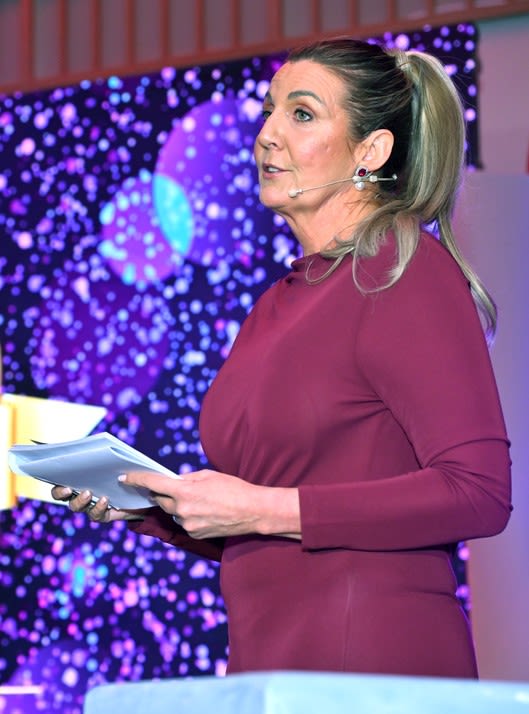
Louisa Watson
Louisa Watson

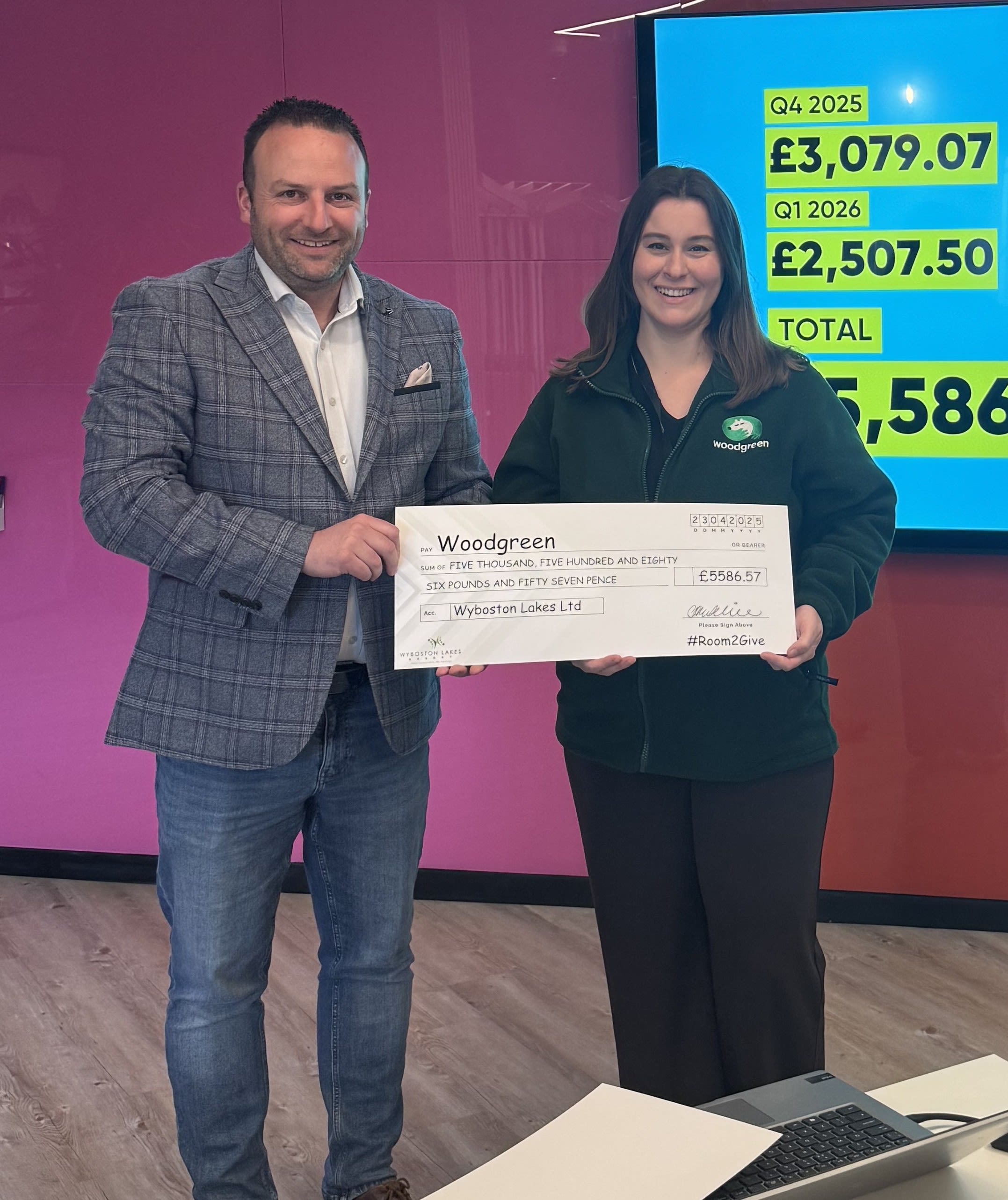
Simon McMahon Wyboston Lakes operations director presents a donation to Amy Shaw of Woodgreen
Simon McMahon Wyboston Lakes operations director presents a donation to Amy Shaw of Woodgreen

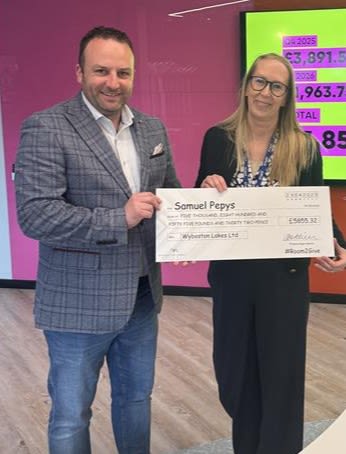
Simon McMahon Wyboston Lakes operations director presents a donation to Joanna Hardwick of Samuel Pepys
Simon McMahon Wyboston Lakes operations director presents a donation to Joanna Hardwick of Samuel Pepys

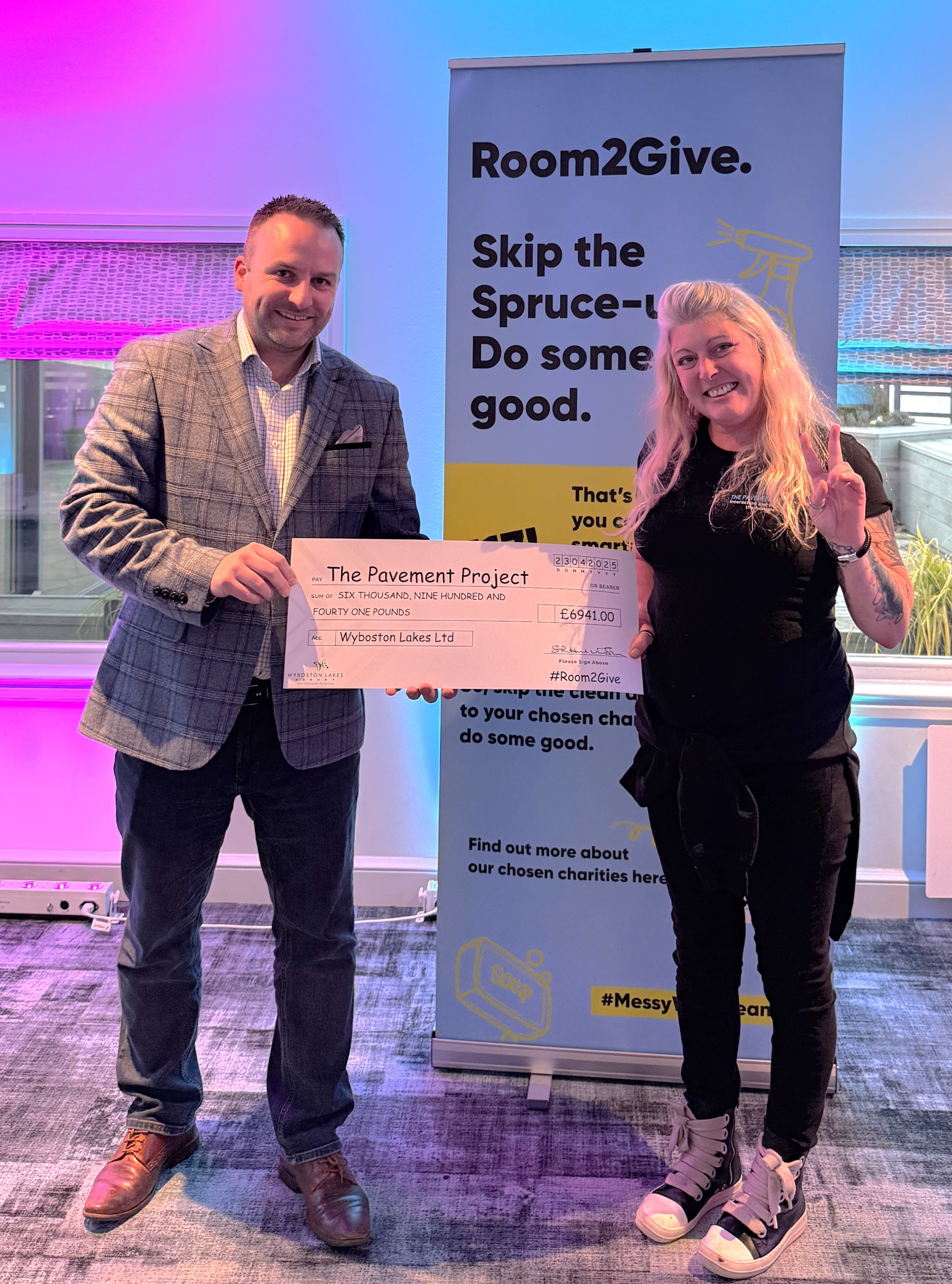
Simon McMahon Wyboston Lakes operations director presents a donation to the Pavement Project
Simon McMahon Wyboston Lakes operations director presents a donation to the Pavement Project
In its first year, the initiative raised more than £35,000 for three nearby charities - Woodgreen, Samuel Pepys School, and The Pavement Project - while also reducing carbon emissions associated with room cleaning. But for Watson, the most meaningful impact isn’t in the numbers - it’s in the connection it creates.
“This is about local communities,” she says. “These are charities on our doorstep, doing really important work.”
That local focus has resonated not just with guests, but with clients and staff. Some corporate groups now choose their preferred charity in advance of their stay, while others have gone on to build direct relationships with the organisations they’ve supported.
For team members, the impact is equally tangible. Regular cheque presentations and charity visits have brought the initiative to life internally, turning what could have been a back-of-house process into something far more human.
Rethinking sustainability incentives
Room2Give also challenges some of the more traditional approaches to sustainability in hospitality.
Schemes that offer guests a free drink or credit in exchange for skipping housekeeping aren't uncommon. But Watson questions their long-term value.
“It’s serving no real purpose other than not cleaning a room,” she says. “This feels like it has a higher purpose.”

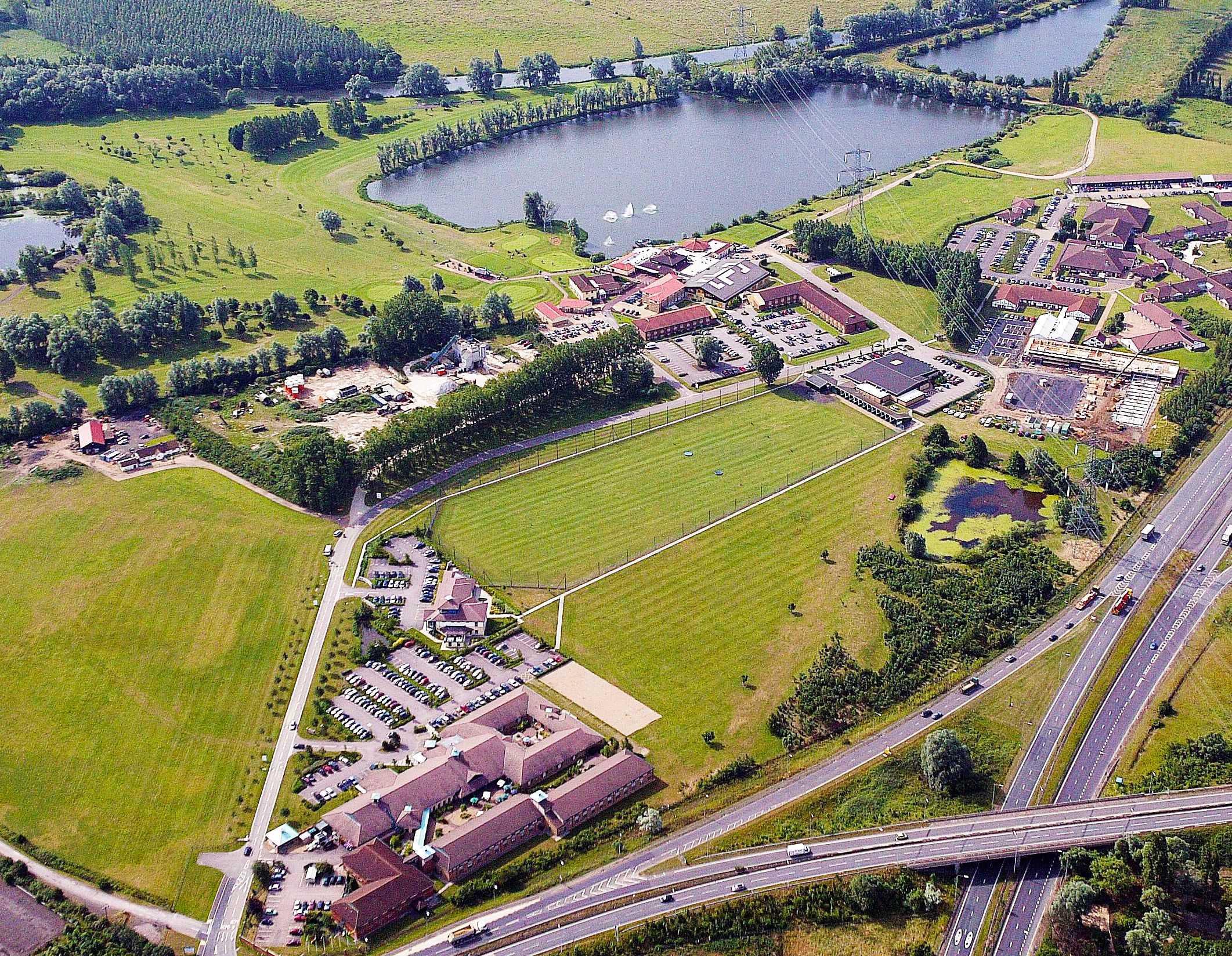
From the outset, Wyboston Lakes Resort has positioned Room2Give as a model the wider industry can adopt. Toolkits, operational guides and branding have all been created to make implementation as straightforward as possible for other venues.
“We share everything,” Watson says. “If someone wants to do it, we’ll help them do it.”
That openness reflects a broader view of sustainability - not as a competitive advantage, but as a collective responsibility.
“We should be doing this because it’s the right thing to do,” she adds. “Not to get ahead of someone else.”
A model that scales
The ambition now is to take the idea beyond a single site. Through the Room2Give Charter, venues across the UK are being encouraged to adopt the scheme, with a collective target of raising £1 million for local charities.
It’s an ambitious goal, but one rooted in a deliberately low barrier to entry.
“As long as you’ve got bedrooms, you can do it,” Watson says.
In an industry often searching for the next big innovation, Room2Give is a reminder that real opportunities lie not in doing more, but in doing less, more thoughtfully.