'The way we talk about inclusion isn't working'
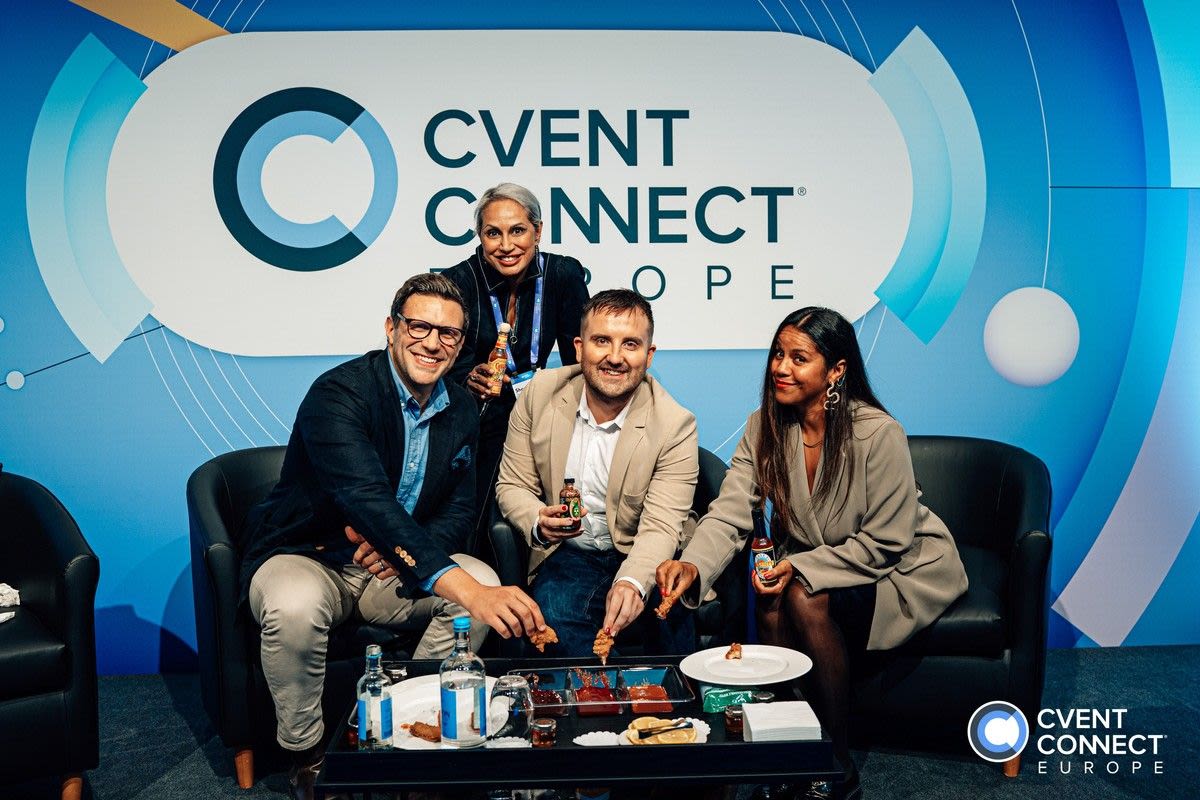
Gabby Austen Browne, founder of Diversity Alliance and winner of the inaugural M&IT Editor's Award in 2025, is cutting through the noise with practical solutions, new language and a bold rethink of what inclusion really looks like.

For an industry built on bringing people together, the events sector still struggles with how it talks about - and acts on - inclusion. Accessibility is often an afterthought, and the term “DEI” itself can prompt more eye-rolling than engagement.
Few people are more aware of these tensions than Gabby Austen Browne, founder of Diversity Alliance, who believes the conversation needs a reset.
“We can’t pretend the way we’ve been talking about it is working,” she says.
One of the problems with the visibility of DEI in the sector is not that organisations aren’t doing anything, but that they don’t believe what they’re doing is “enough”.
“People think diversity means representation and that’s it,” she says. “They don’t see the work they’re doing on accessibility, supplier diversity, inclusive comms or internal culture as something that counts.”
Even the language itself, she admits, may be part of the problem.
“I don’t really use ‘DEI’ anymore,” she says. “It’s got baggage. I prefer talking about inclusion, belonging and accessibility. Those words feel warmer. They invite people in rather than shutting them down.”
Austen Browne is focused on practical advice; helping the industry understand what ‘good’ actually looks like - and giving people the confidence to engage with it.
“Clear guidance changes everything,” she explains. “If you show people that improving accessibility with venues, diversifying speaker line-ups, or changing processes behind the scenes all matter, they start to see themselves in it.”

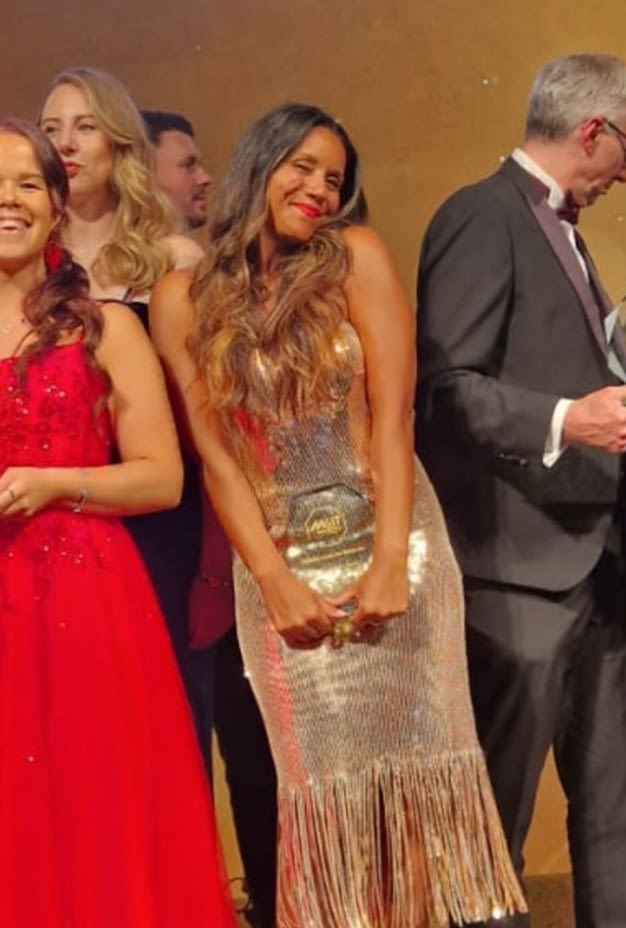
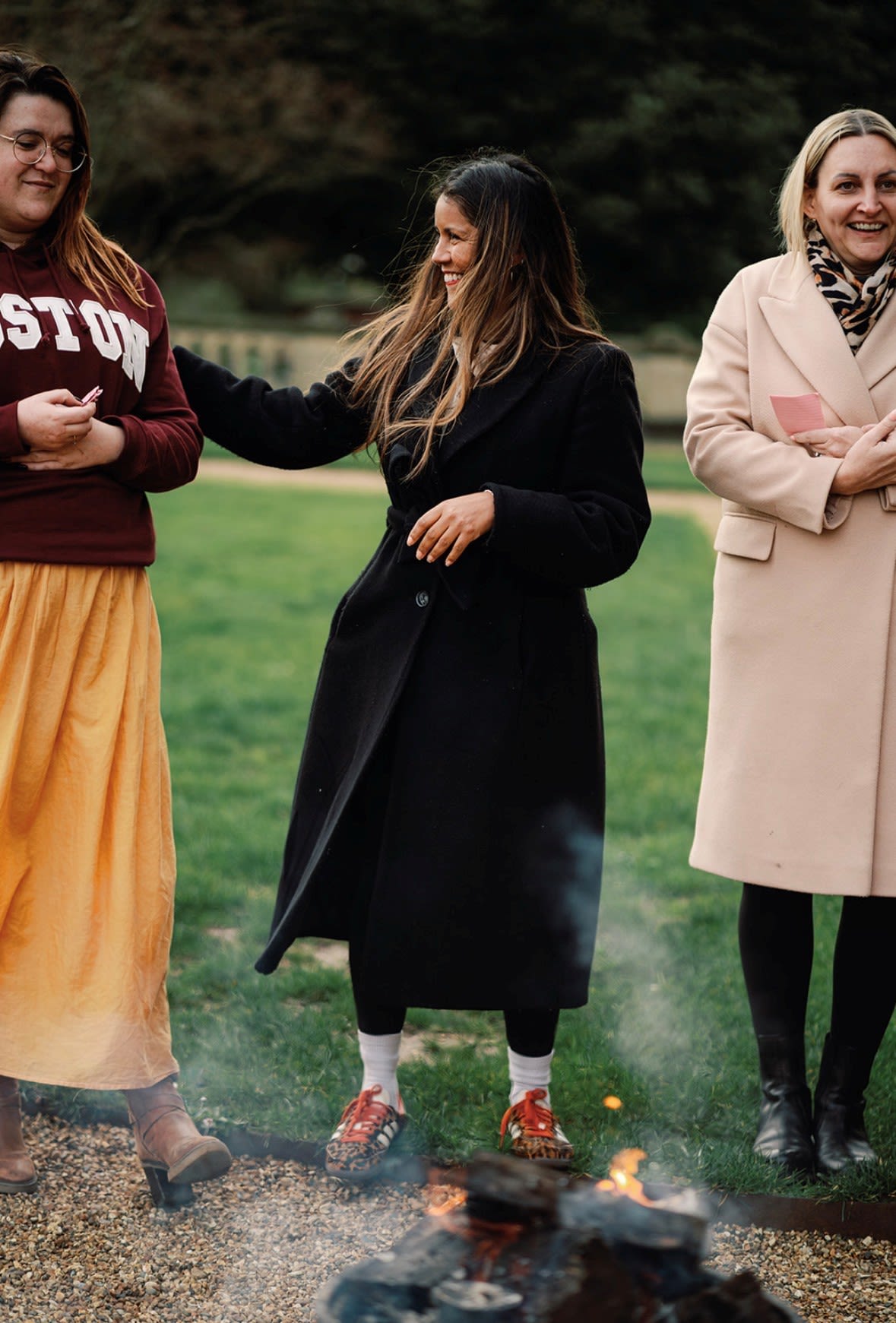
Gabby Austen Browne
Gabby Austen Browne


Creating space - literally and figuratively
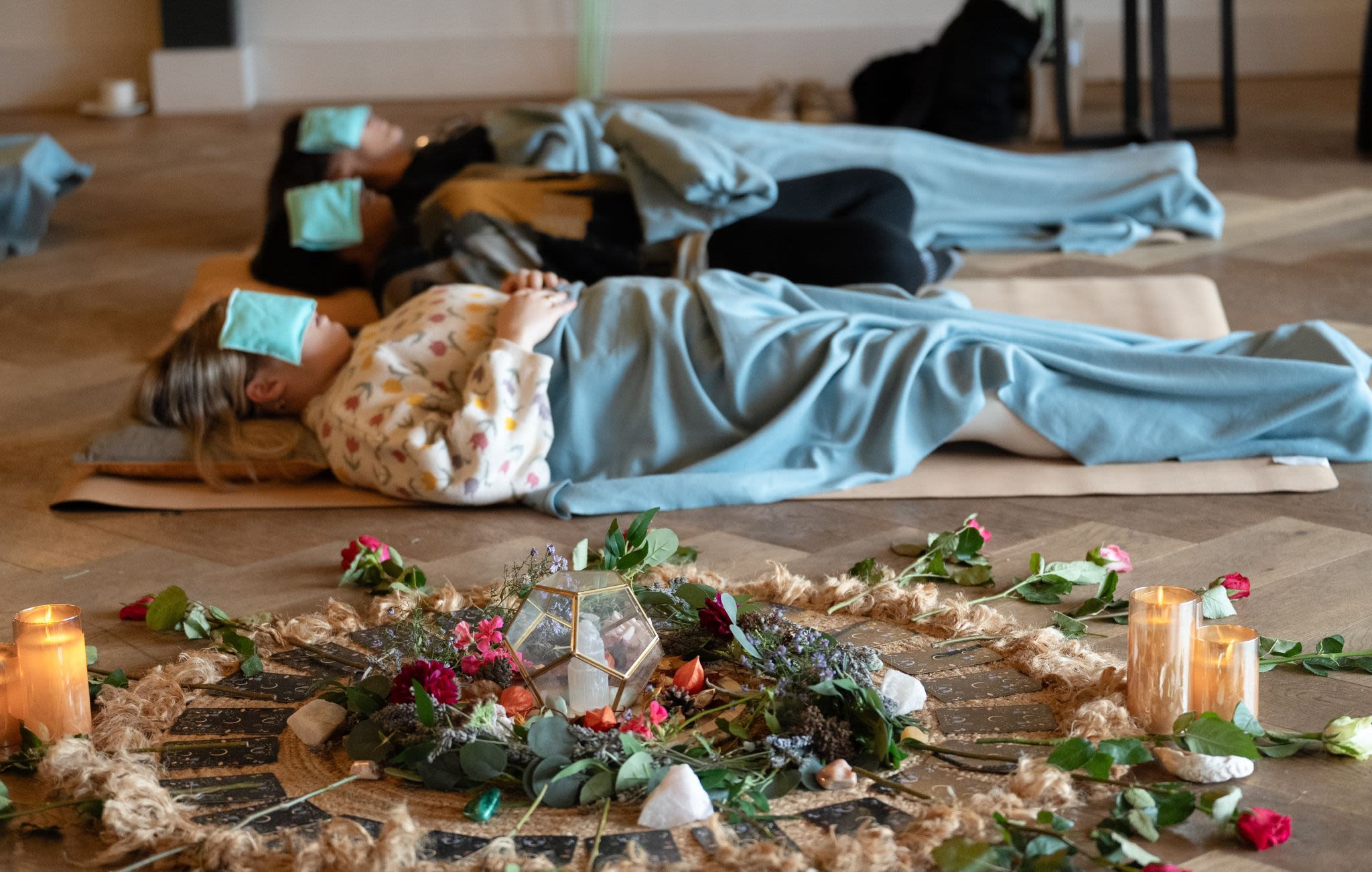
That idea of invitation sits at the heart of Austen Browne’s latest ventures, including a series of industry retreats designed specifically for women working in events.
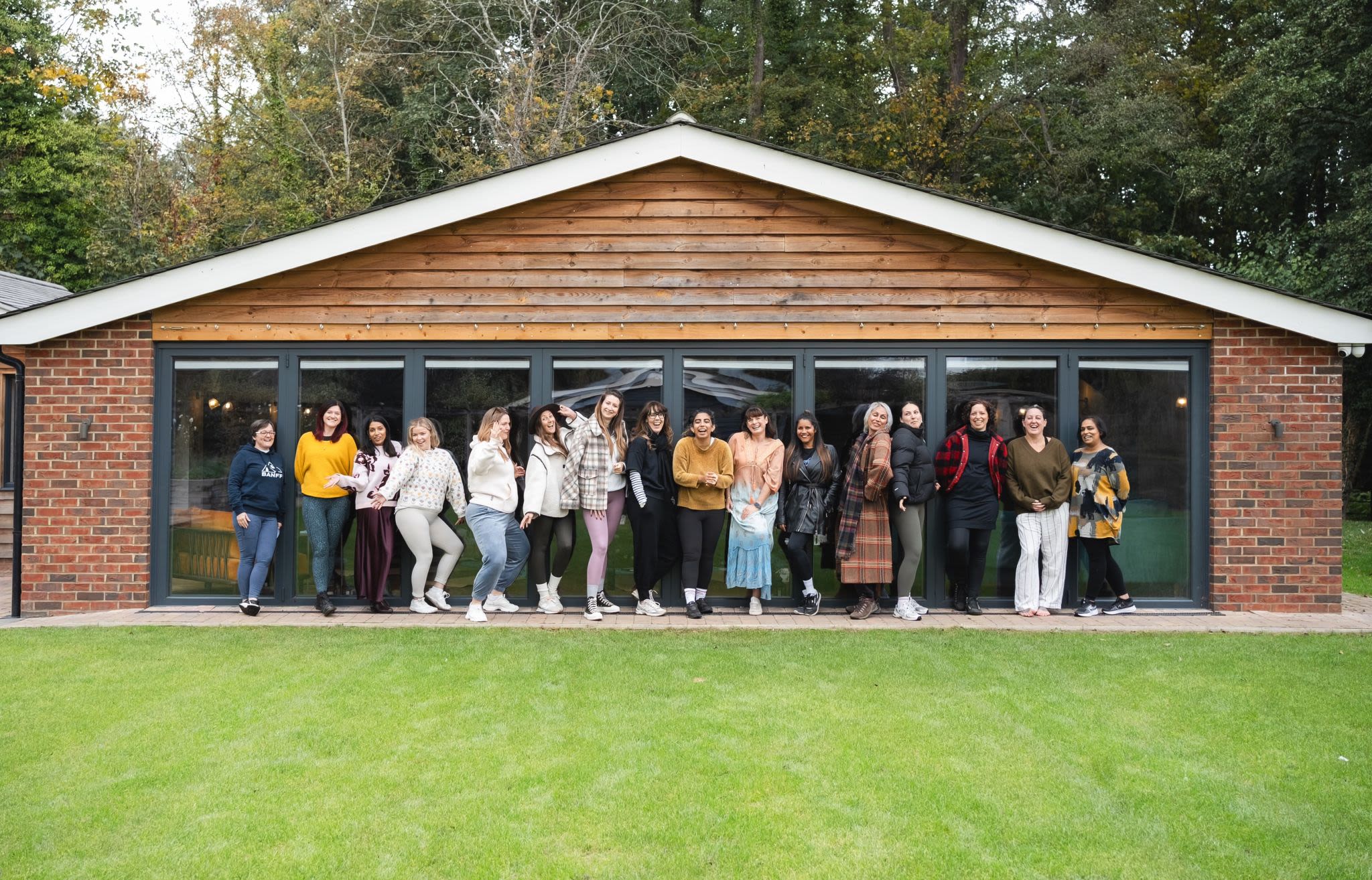
The first, a one-day retreat for 14 women at the end of 2025, was deliberately intimate. “It wasn’t about escaping the industry,” she says. “It was about creating a space where people could be honest about how hard it can be.”
Held during one of the busiest months in the events calendar, the retreat challenged the idea that wellbeing has to wait until things calm down.
“The message was simple,” she says. “You don’t earn rest by burning out first.”
Alongside movement, reflection and time in nature, the retreat focused on shared experience - giving attendees permission to talk openly about stress, confidence and leadership without fear of judgement.
The latest retreat, an overnight retreat at De Vere Horsley Estate in January, offered a more immersive experience that combined wellbeing with facilitated reflection and peer problem-solving.
“It’s about working through challenges together,” she says. “Not pretending everything’s fine.”
Accessibility, audited - properly
One of Austen Browne’s most ambitious projects is her event accessibility audit, which looks at the entire event lifecycle - not just what happens on the day.
From pre-event communications and digital platforms to stage access, lighting, sound levels and registration desk design, the audit provides organisations with a detailed, practical roadmap for improvement.
She has already delivered it for Reuters Events in both the UK and the US.
“This isn’t about catching people out,” she says. “It’s about giving them a clear starting point and helping them improve over time.”
As accessibility finally gains traction as a serious business consideration - rather than a box-ticking exercise - demand is growing. Austen Browne is cautious about scaling too quickly, but confident the timing is right.
“The industry’s ready for this now,” she says. “And it needs practical tools, not theory.”
Building community and confidence
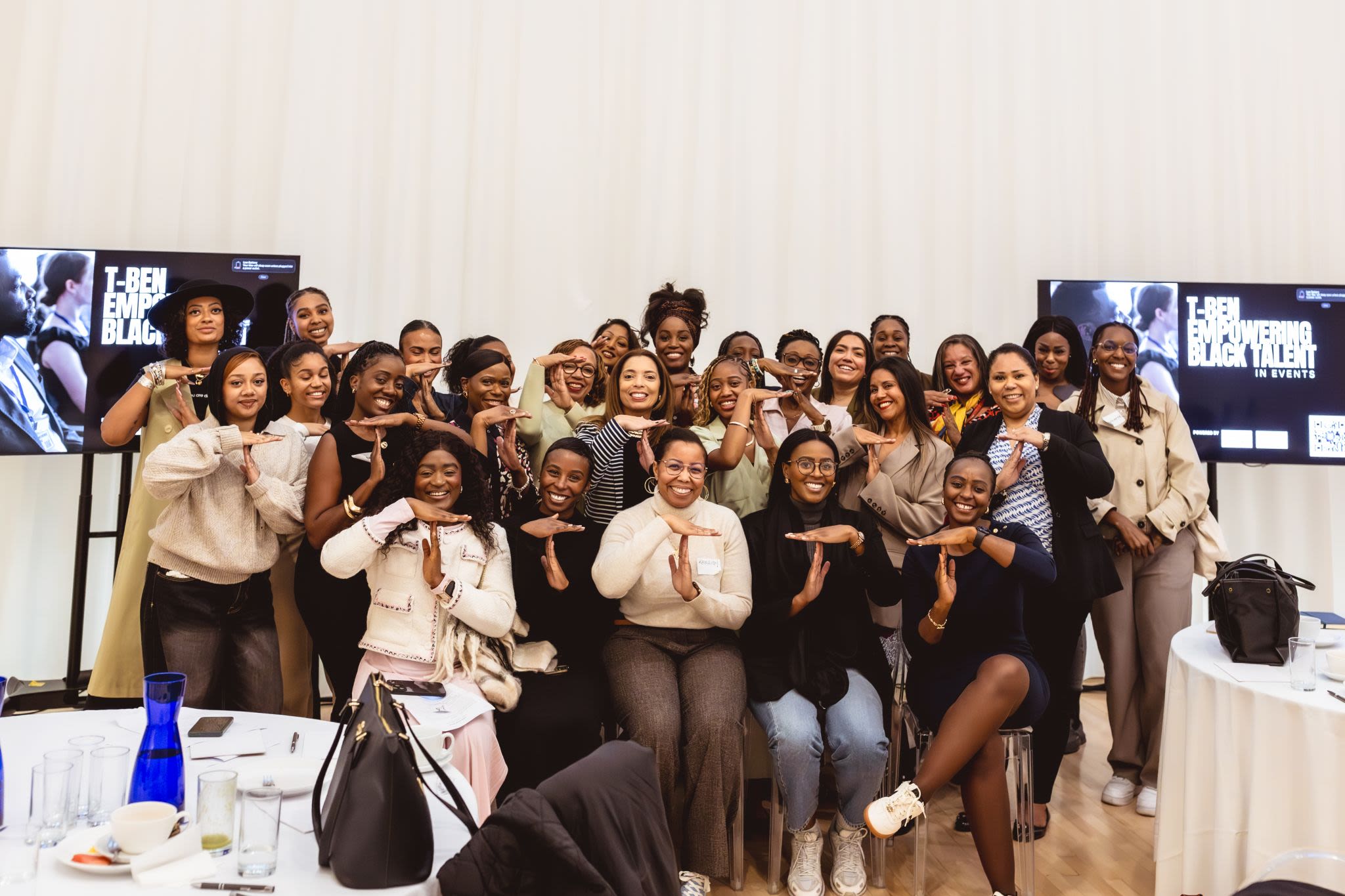
Alongside consultancy and audits, Austen Browne has also been involved with The Black Events Network (T-BEN), a network designed to build confidence, skills and visibility within the industry.
The first event at the end of 2025 focused on public speaking and self-belief, combining panel discussion with hands-on workshops. The response was immediate, with plans now in place for quarterly events.
“It’s about creating space where people feel seen and supported,” she says. “And where they can build the confidence to step into bigger roles.”
What comes next
For Austen Browne, the future isn’t about louder slogans or more categories - it’s about better conversations and braver action.
“Inclusion isn’t a trend,” she says. “It’s about how we design experiences, how we lead teams, and who feels like they belong in this industry.”
And if that means ditching familiar labels and doing things differently?
“Good,” she says. “That’s usually where the real change starts.”