Breaking barriers: navigating inclusivity in event planning
Navigating the intricacies of event planning through an inclusive lens can be a challenge. Here, DRPG's Jenna Border and AccessLOOP's Orla Pearson tackle common misconceptions about the costs of accessibility and shed light on its positive impact on both return on investment (ROI) and brand reputation.


Events include so much communication, from registration through to onsite signage and everything in between. The thought of reviewing every element to accommodate all audiences can be daunting, so where do we begin?
JENNA: The key is considering inclusivity at the first stage of the planning process. Making your event accessible shouldn't be considered a compromise, but a way to enhance the overall experience for all delegates.
ORLA: In the first stages of planning, you need to budget for accessibility. There’s a myth that accessibility is expensive, but it’s not. With compromise and creativity, there’s no compromise if accessibility is planned into everything from the beginning. Compromise happens when you’re trying to incorporate accessibility into an event that’s days away and not designed for access.
JENNA: We must accept that, from the statistics, there are disabled people attending every event. Captions are huge - Netflix reports 63 per cent of their audiences have captions on all the time, and people with hearing loss, neurodiverse people, and those with English as a second language, plus younger audiences, all expect captions to be available.
ORLA: Accessibility starts before your event. Your registration site needs to be simple for those with mobility impairment, or people using screen readers, and we should be testing our registration systems before publishing them.
JENNA: I also think it’s testing them with these audiences in mind, not just looking for grammatical or copywriting errors or technical bugs. That’s going to need to be a mindset shift for our industry.
ORLA: The question I see on registration sites is: Do you have any access requirements? Instead, we should ask: Is there anything we can provide to help you engage in this event, such as captions, a sign language interpreter, a quiet room, or copies of presentations before or after the event? This is a much more inviting question and likely to attract groups who would not think to ask for such provisions. Incorporating accessibility features from the start negates the question. Instead, you can share your inclusive features, showcasing that you’re thinking about all delegates.

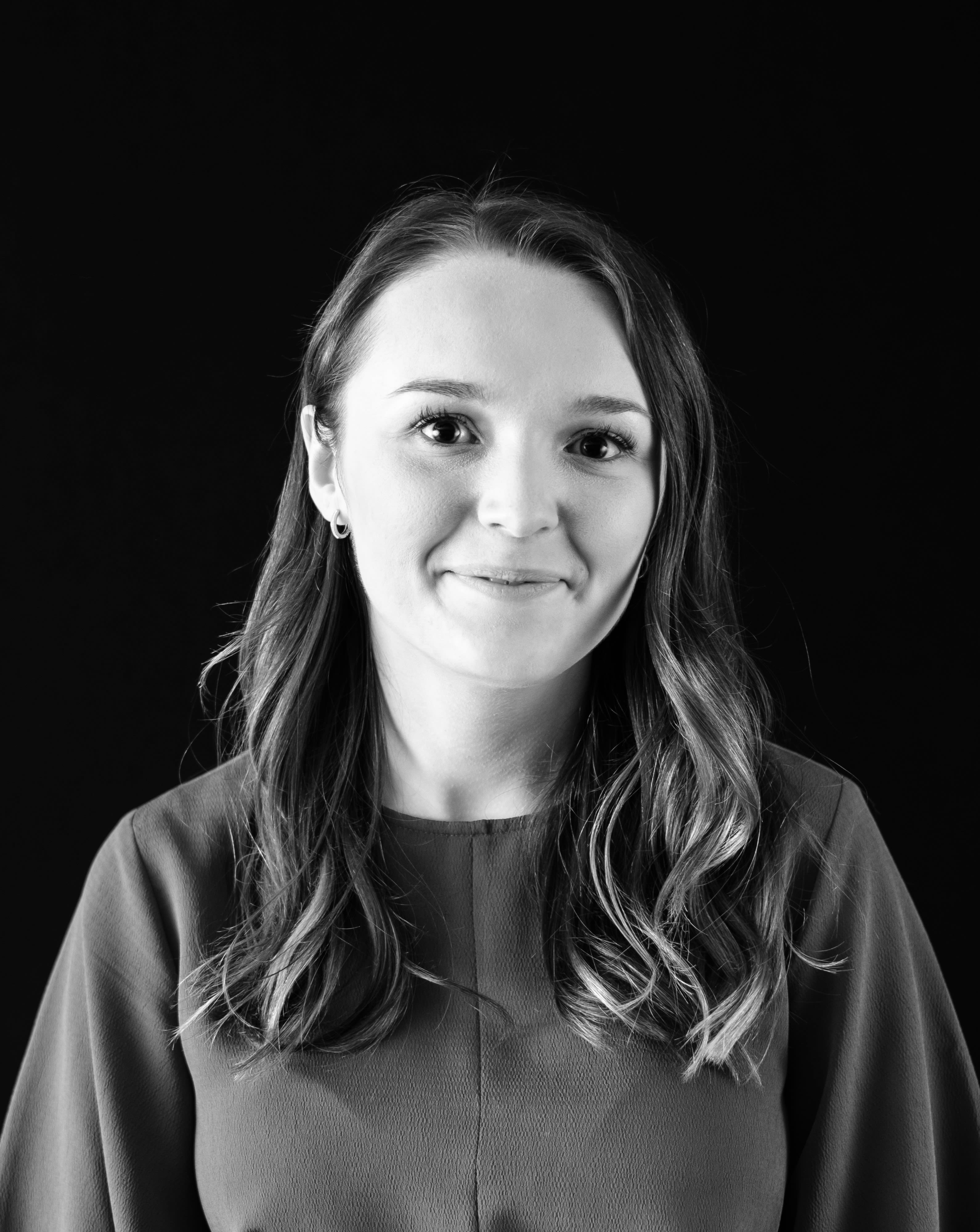
Jenna Border, DRPG
Jenna Border, DRPG

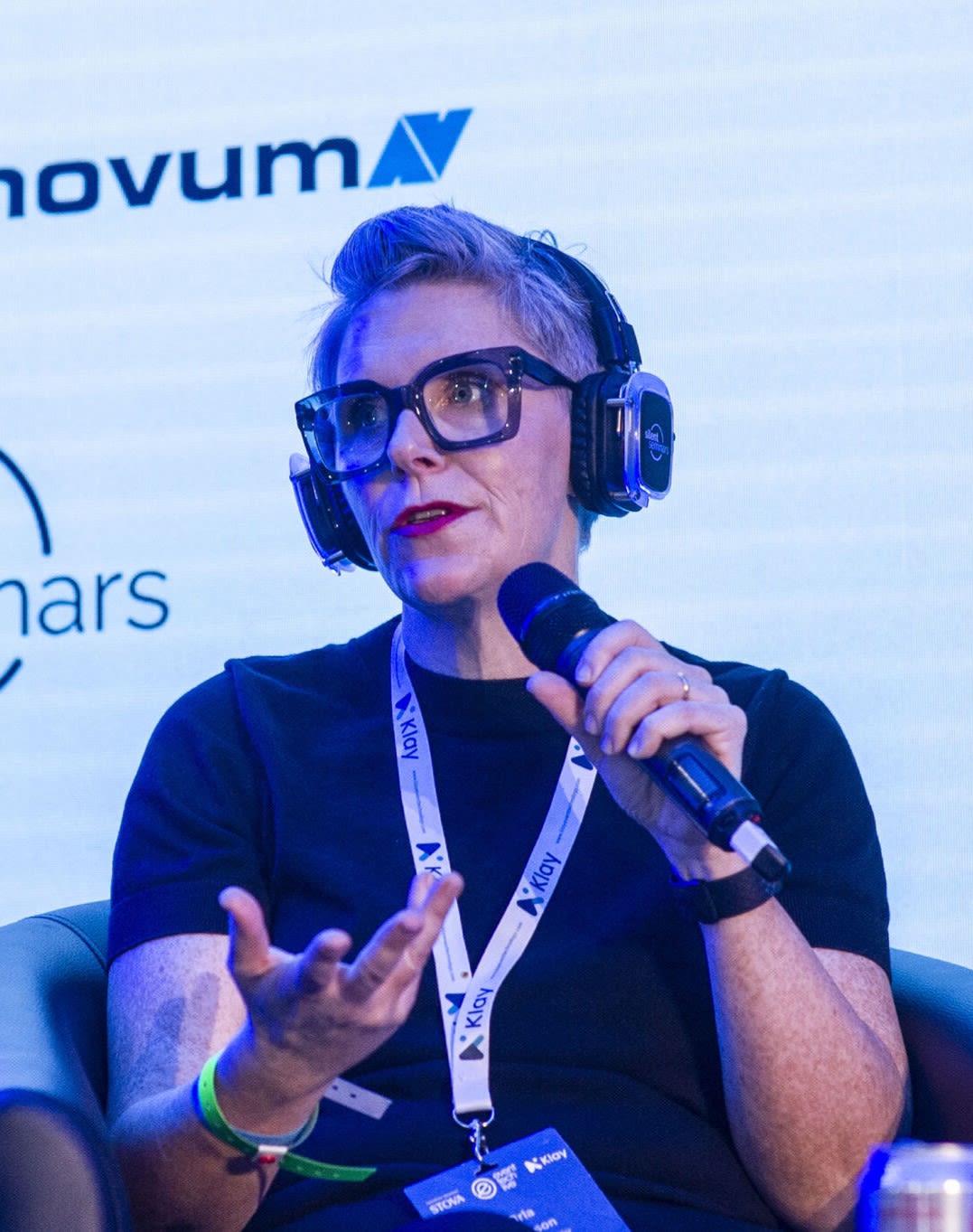
Orla Pearson, Access Loop
Orla Pearson, Access Loop
Providing appropriate measures like tech, furniture or additional venue spec often raises concerns over increased event costs. Is this a misconception or should we be factoring in a portion of our budget for accessibility?
ORLA: If you don’t budget for accessibility, you can’t provide it. Think about the reluctance around introducing health and safety measures at events years ago, and how people said it would ruin the industry. Now, it’s just normal. I can see sustainability going the same way, and accessibility should be next. After all, if I offered event planners the chance to reach a new audience and boost engagement by 30 per cent for a small expense compared to some event costs, I would have their attention.
Making your event accessible helps you reach the one in four people in the UK with a disability, the 20 per cent who are neurodiverse, the one in six with English as a second language, plus those with hearing loss. Having stewards monitor clutter-free floors, speakers describe themselves along with their pronouns, providing copies of the slides in advance and after the event, cordoning off a quiet space, and even creating step-free routes all make a difference. None of these measures are costly, and most are free. We just have to ask ourselves, how can I make this work for everyone?
JENNA: I also think it's worth considering how not providing adjustments impacts on ROI. If your delegates can't fully engage with the content because there are barriers that prevent them from doing so, are you still going to meet the objectives of your event and deliver on your messaging? As event professionals, it's our responsibility to provide an environment and content that creates behavioural change. Not prioritising this can become costly in the long term.

What do you think the biggest challenge for clients is when it comes to making events more inclusive?
JENNA: One of the main challenges for clients is fear of getting it wrong or using the wrong language and offending someone. I think that a lot of eventprofs have the right intentions but don't know where to start or aren't confident communicating about this topic. Asking delegates what would help them, rather than making assumptions is very important.
ORLA: We all know language changes all the time and it’s the same in this sector. We’re always learning and looking to describe people in ways that they are comfortable with. If you’re unsure of how to help, ask. Don’t assume you know best, it’s ok not to know.

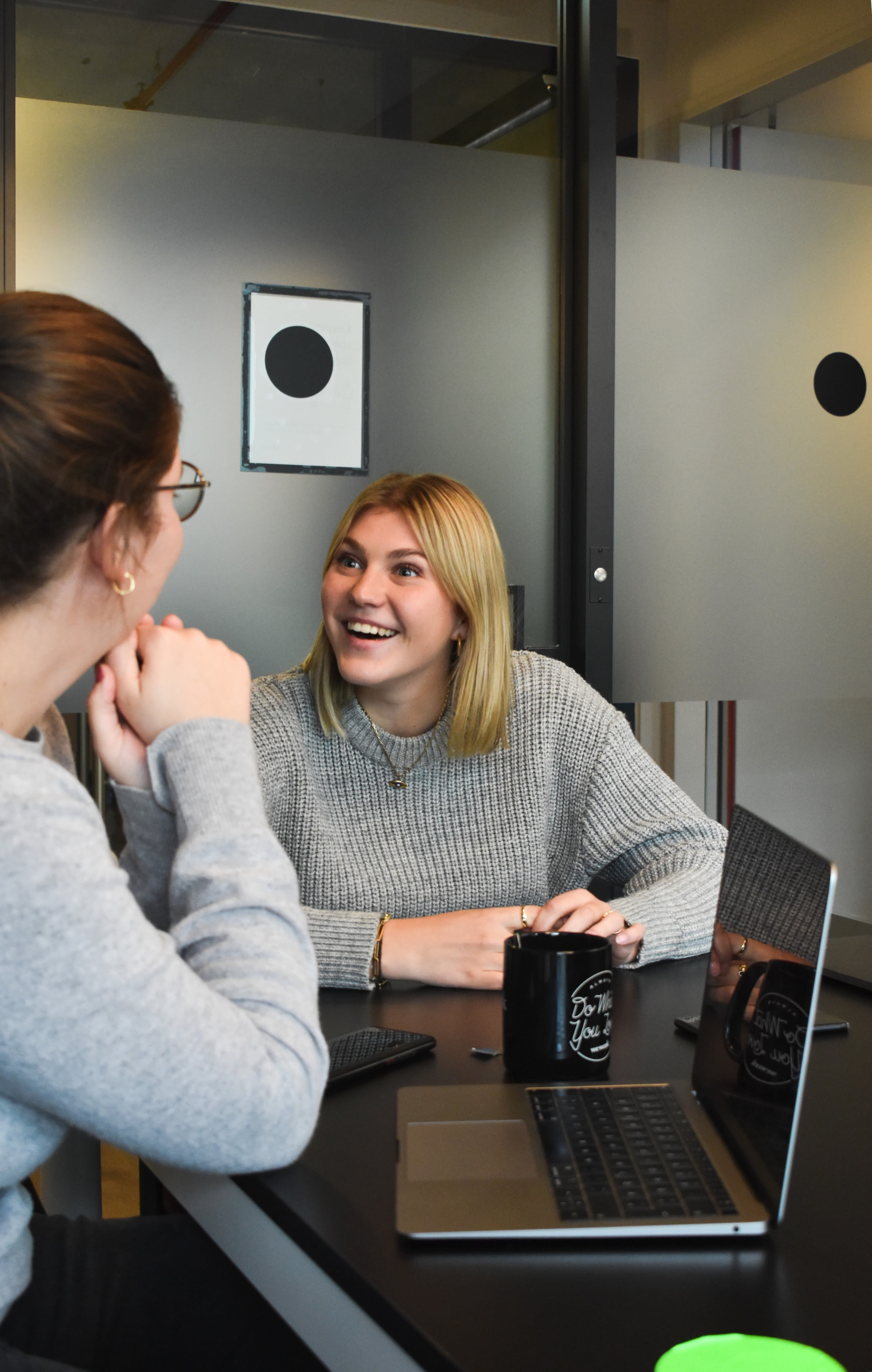
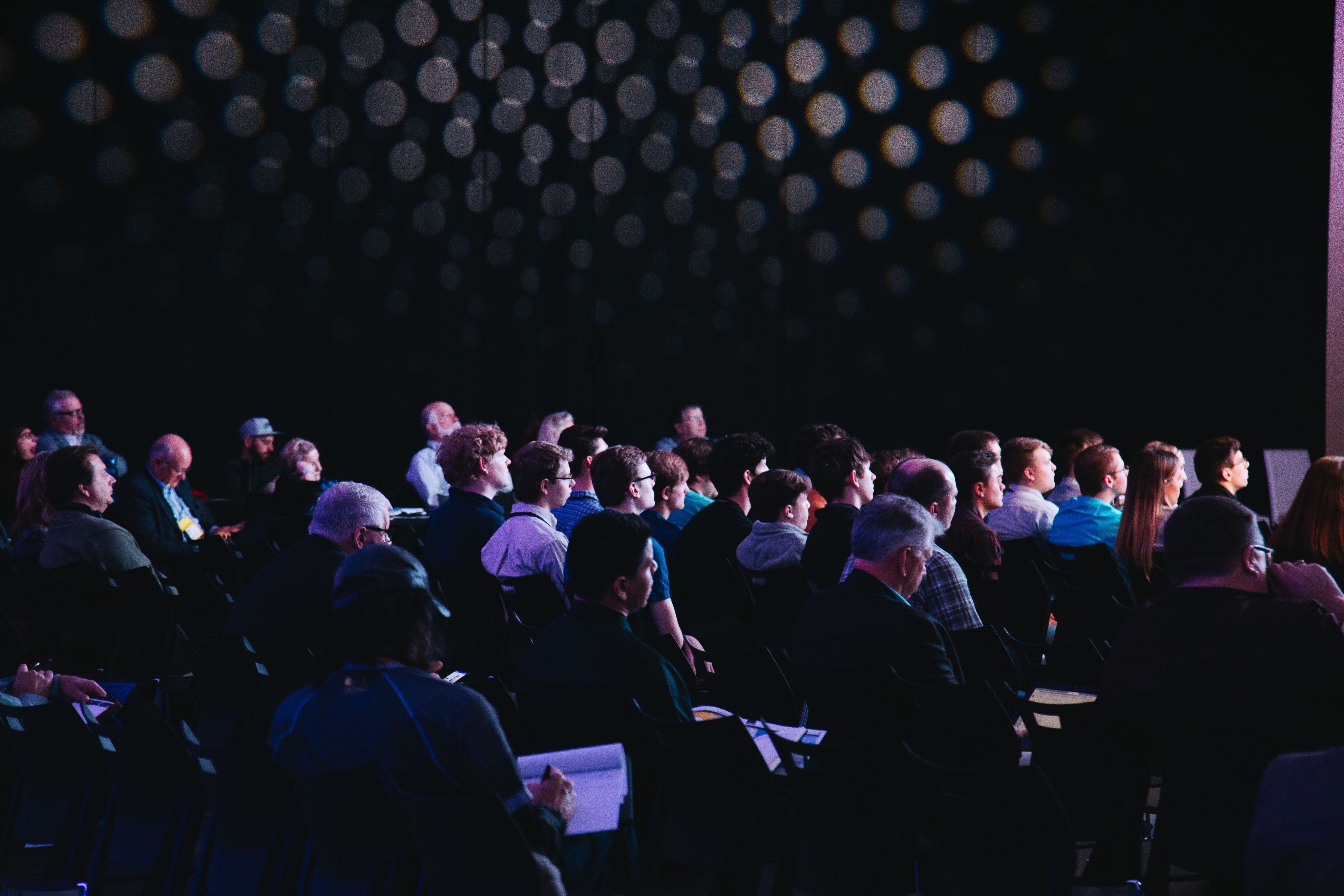
Photo by Cherrydeck on Unsplash
Photo by Cherrydeck on Unsplash

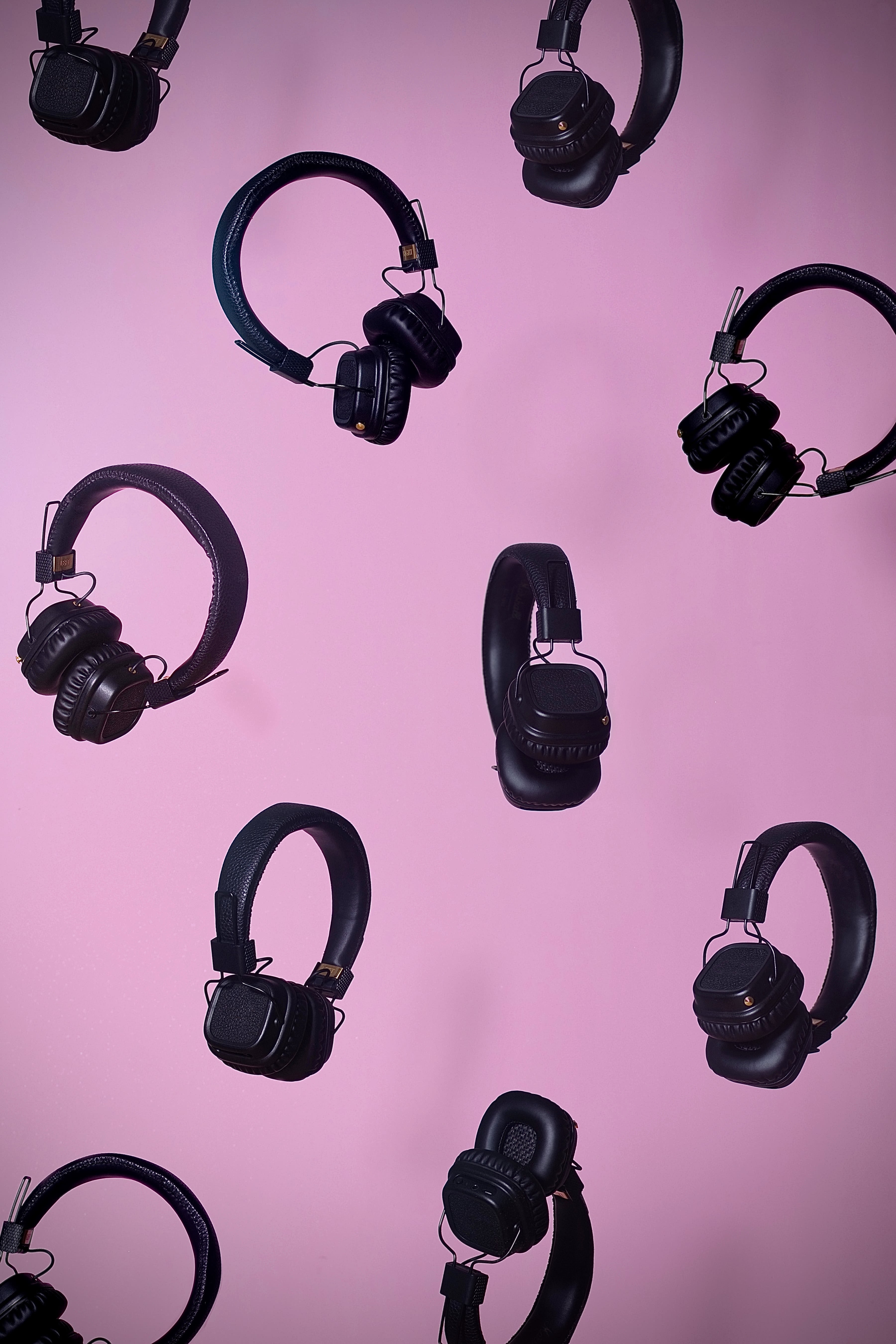
Photo by insung yoon on Unsplash
Photo by insung yoon on Unsplash
Other than the obvious reason of doing the right thing, are there any other benefits to having more accessible events?
ORLA: Accessibility benefits everyone. For example, at an event using headphones for talks recently, one was full and there were no headsets left. But because we had live captioning, people were able to access it and stand outside the area; all commented on the accuracy and the usefulness of it.
JENNA: What I’ve found is that making events accessible has been thought-provoking for the organisations we work with and led to change in their workplaces outside of their events, when they think about internal communications and the office environment.
Do you have any recommended resources, services or tools for planners starting out on the journey to deliver more accessible events? Or perhaps any those who are already on their way would still find useful?
ORLA: Talk to the experts and suppliers – Scope is great for information, Abilitynet holds free webinars on accessibility and technology, and Texthelp is also great for accessible documentation.
JENNA: This is a journey that our industry is going on, and there is so much more we can learn. The Business Disability Forum has some great guides and checklists around inclusive content, accessible environments and much more. The digital principles of accessibility from the WCAG Accessibility Standards are also very applicable to the events industry. The question to ask is: Is the event and its content perceivable, operable, understandable and robust?
ORLA: The industry needs to seriously consider and engage with making events accessible. We need some big providers with influence to commit to making all their events accessible, or at least to include accessibility within quotes to all their clients and inform them about the benefits and business case for doing this. DRPG is doing a lot of work in this space and it’s great to see. People with disabilities have always attended events and yet are not given an equal experience. It’s time to win back trust and faith by offering equality of experience and value for money, sending the message that it’s safe for these audiences to come and request what they need. This will take time, but the more it happens the better it will be for clients, events, delegates and business.


 Built with Shorthand